Spatial reasoning Worksheets for Ages 4-9
12 filtered results
-
From - To
Enhance your child’s spatial reasoning skills with our engaging worksheets designed for ages 4-9! Our collection features a variety of interactive activities that foster critical thinking and problem-solving abilities. Children will enjoy exercises like mazes, puzzles, and shape recognition that promote cognitive development while having fun. These worksheets cater to various skill levels, ensuring a personalized learning experience. Whether at home or in the classroom, our spatial reasoning worksheets are perfect for young learners to improve their visual-spatial awareness and boost their confidence in math and science concepts. Download and watch your child explore the world of shapes and space with enthusiasm!
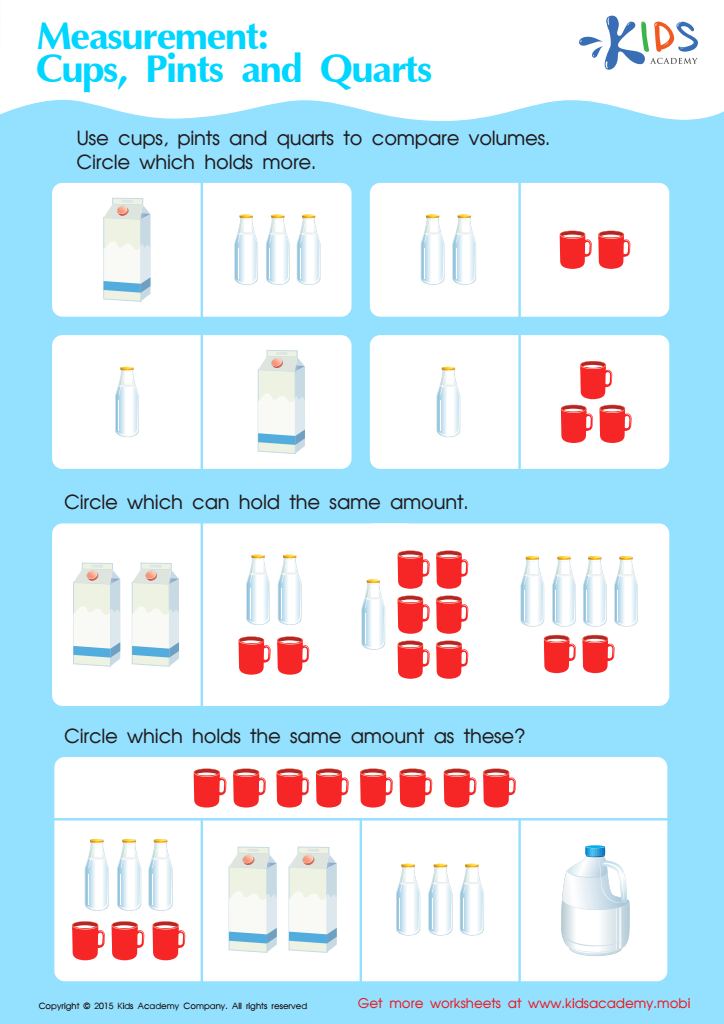
Measurement: Compare Volumes Worksheet
 Assign to My Students
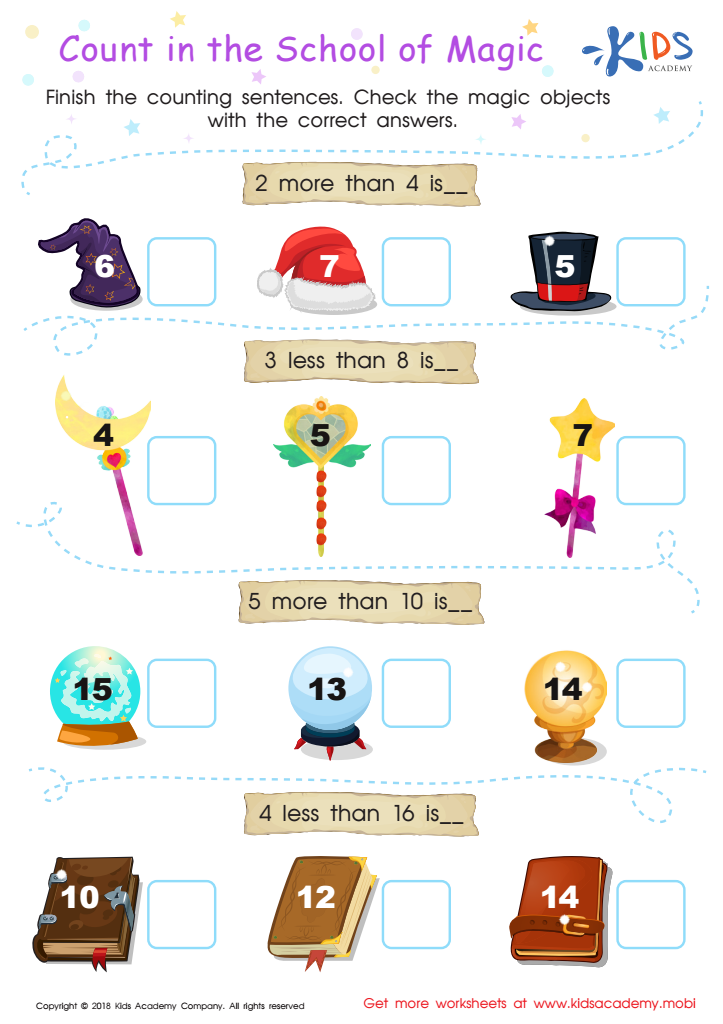
Count in the School of Magic Worksheet
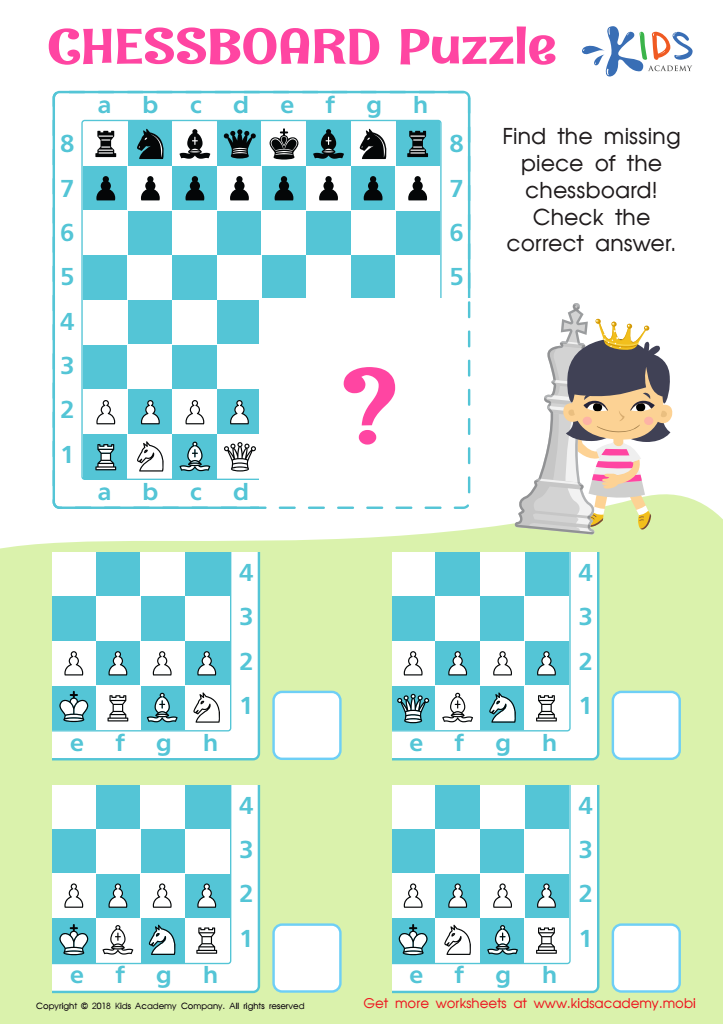
Chessboard Puzzle Worksheet
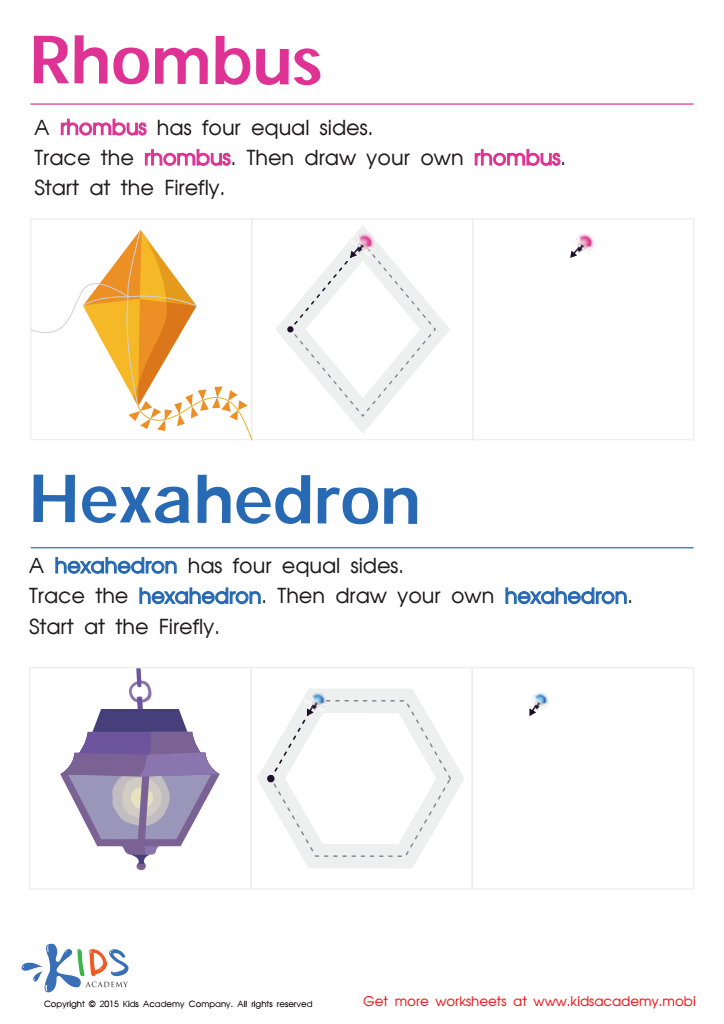
Draw a Rhombus And a Hexahedron Printable
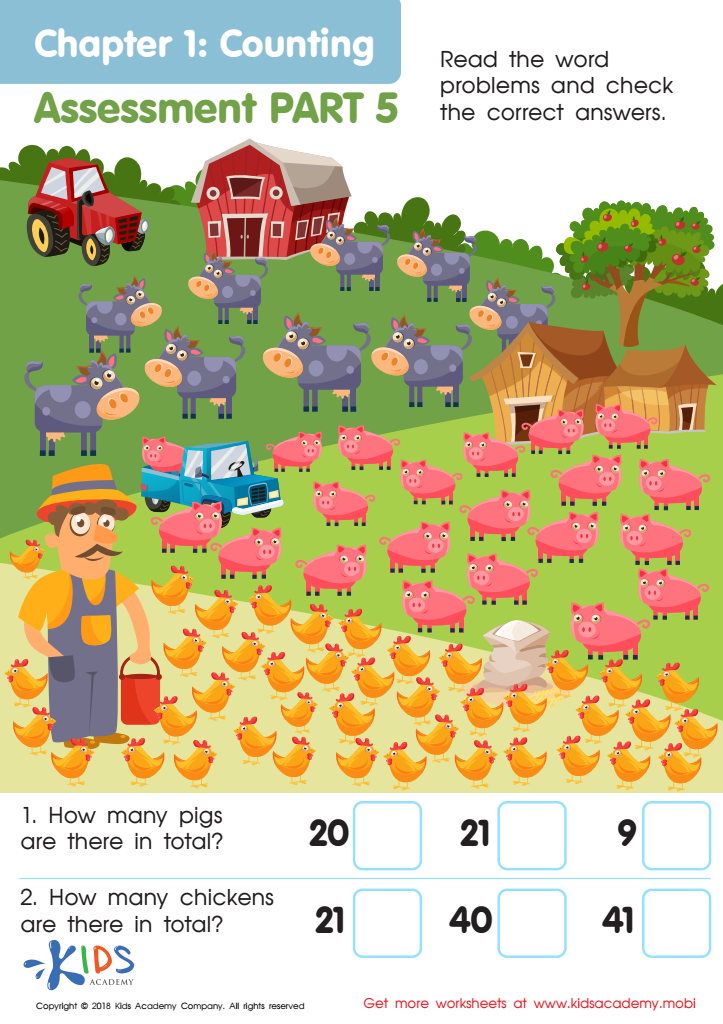
Counting: Assessment 5 Worksheet
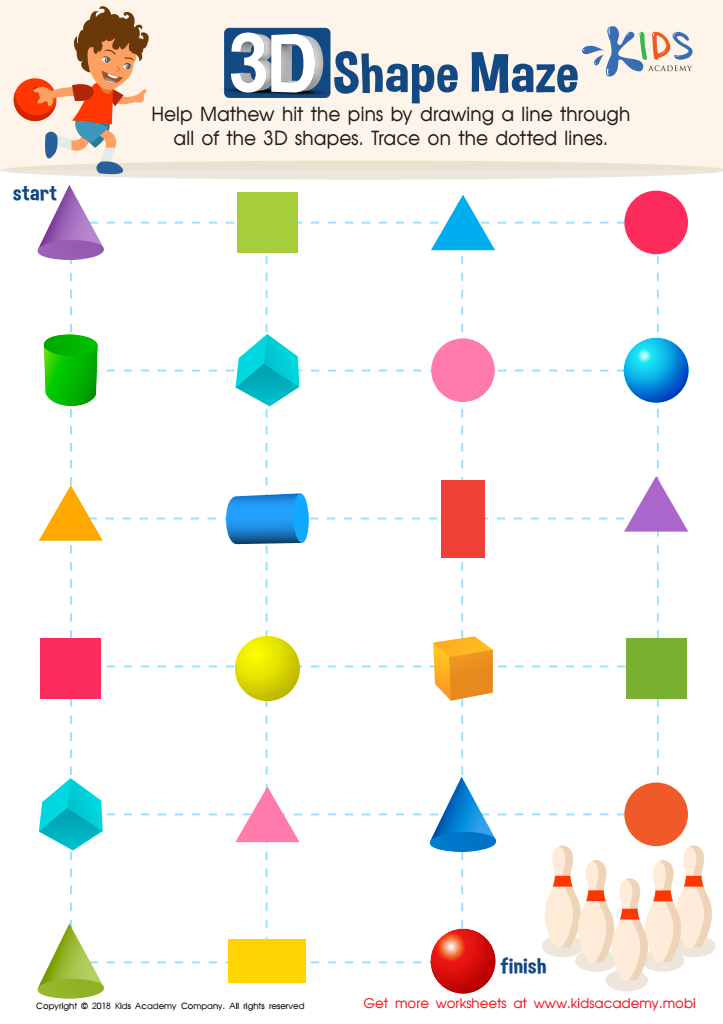
Shapes Maze Geometry Worksheet
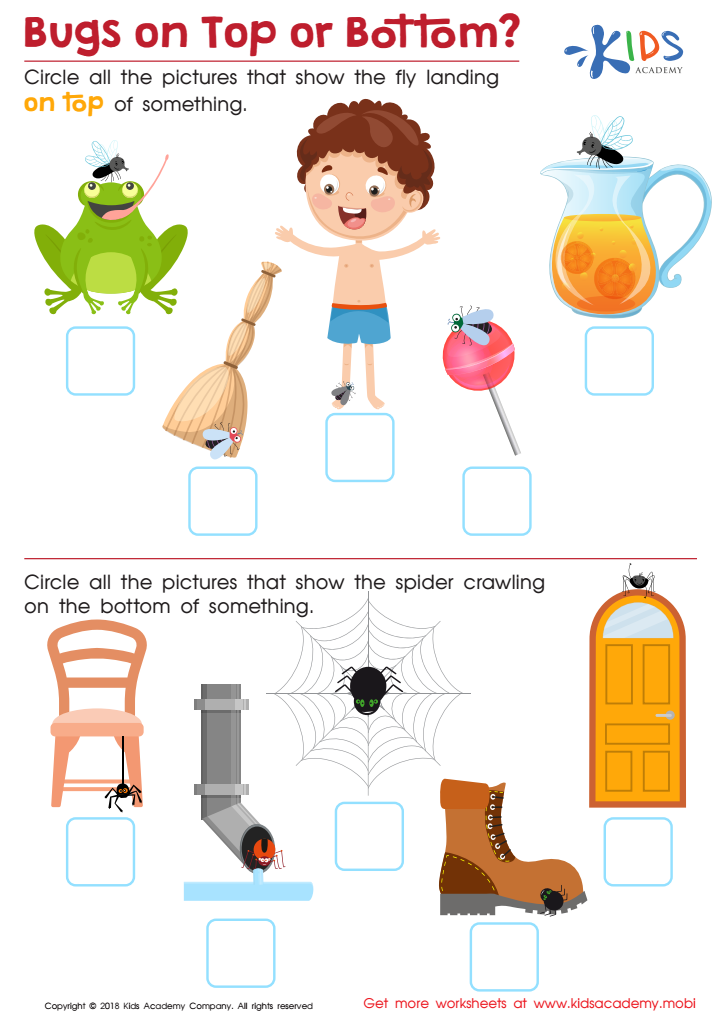
Bugs on Top or Bottom? Worksheet
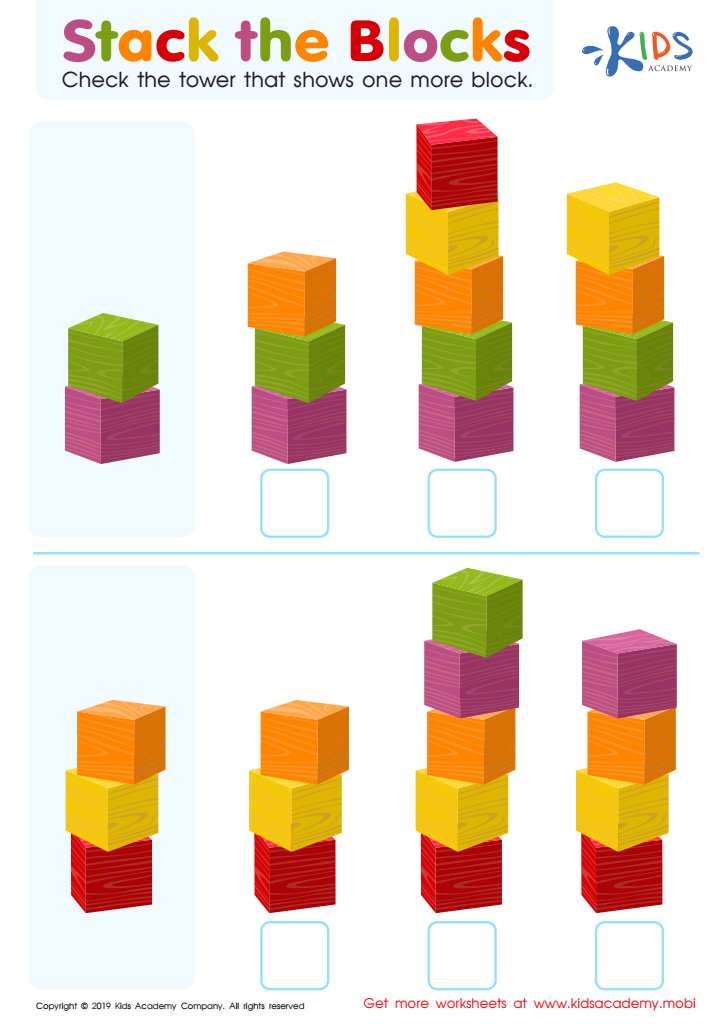
Stack the Blocks Worksheet
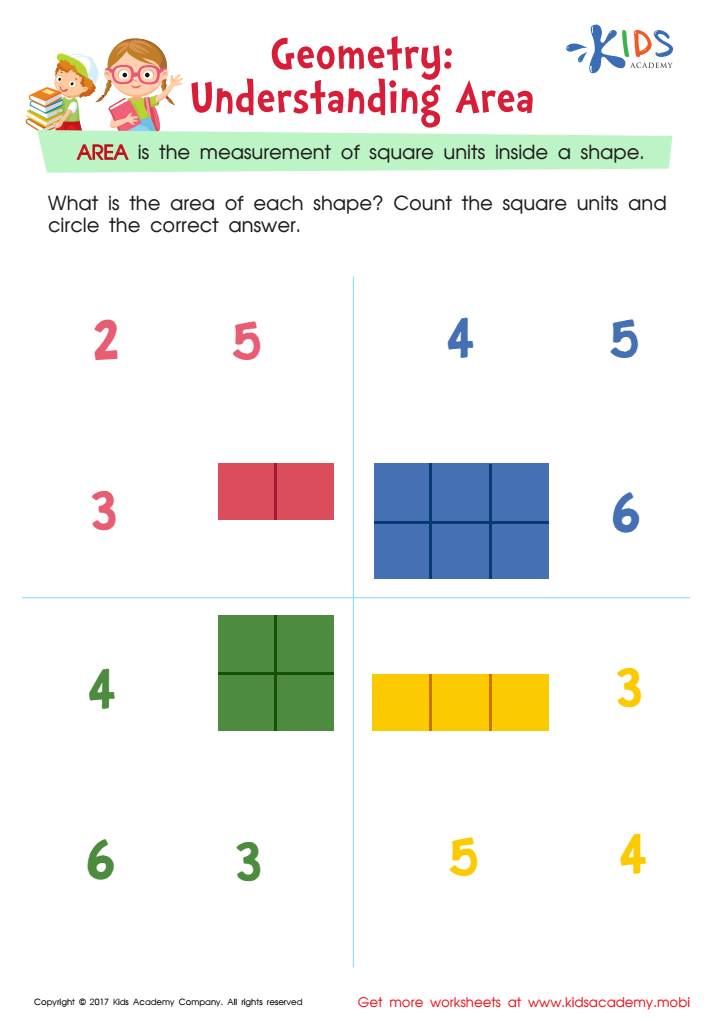
Understanding Area Worksheet
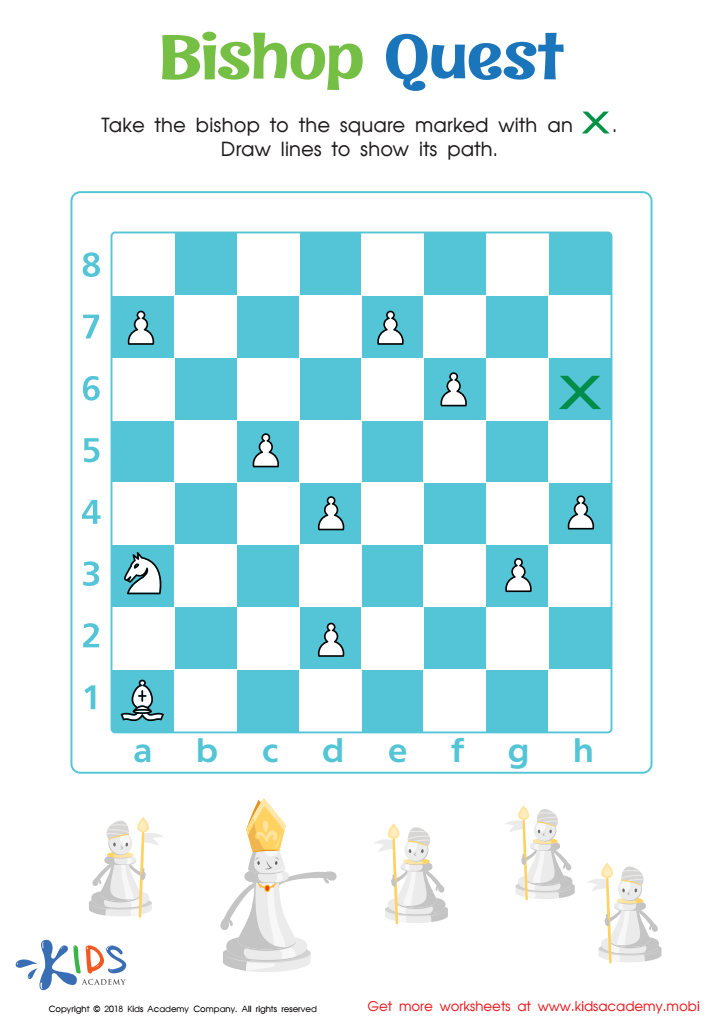
Bishop Quest Worksheet
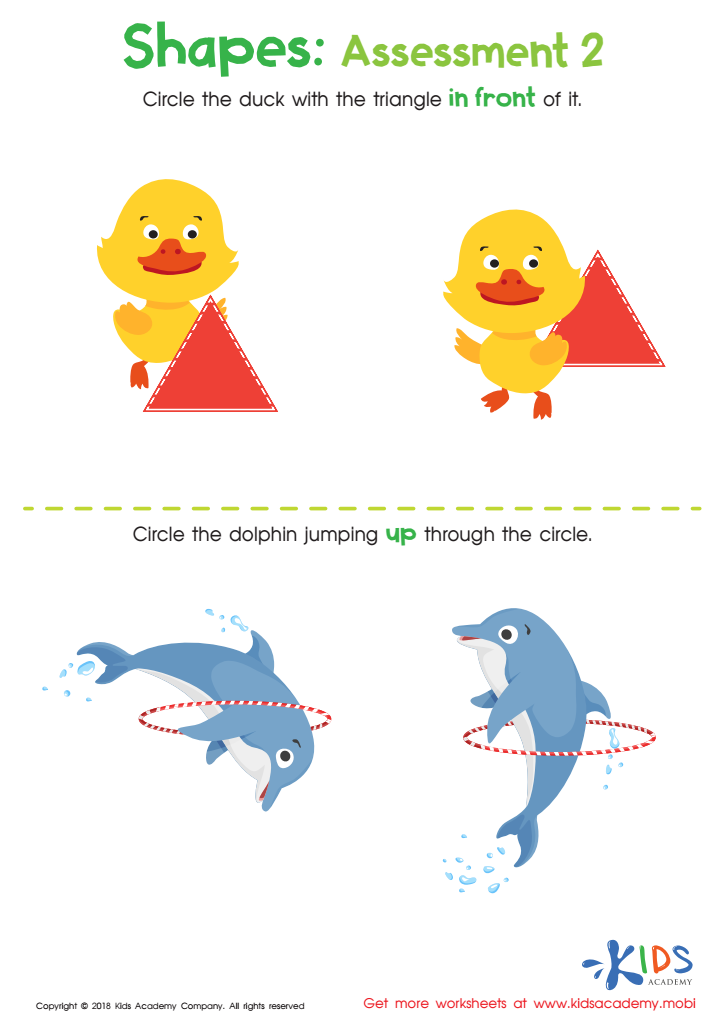
Geometry – Assessment 2 Worksheet






Spatial reasoning is a vital skillset for children aged 4-9, as it helps them understand and interact with the world around them. This cognitive ability encompasses visualizing, organizing, and manipulating objects in space, forming the basis for critical thought processes in math, science, and everyday problem-solving. Parents and teachers should prioritize spatial reasoning for several reasons.
Firstly, enhanced spatial skills are closely linked to success in STEM (Science, Technology, Engineering, and Mathematics) fields, which are increasingly crucial in today's job market. Early exposure to spatial reasoning fosters skills that contribute to effective learning in these areas.
Secondly, developing spatial reasoning helps improve a child's confidence and competence in tackling real-world challenges. Whether navigating a map, assembling a puzzle, or understanding geometric concepts, strong spatial skills empower children to engage with their environments.
Moreover, spatial reasoning can positively impact other academic domains, as it encourages critical thinking and creativity. Engagement in activities like building blocks or drawing fosters these skills while allowing for fun, hands-on learning experiences.
In essence, nurturing spatial reasoning not only prepares children for future academic and career pursuits but also enriches their day-to-day interactions and problem-solving abilities, helping them grow into well-rounded individuals.








