Understanding grouping Worksheets for Ages 4-9
3 filtered results
-
From - To
Discover the importance of grouping through our engaging worksheets designed for children aged 4 to 9. These interactive resources help young learners understand the concept of grouping by categorizing items based on shared characteristics, such as color, shape, or type. By practicing these skills, children enhance their critical thinking and organizational abilities in a fun and playful manner. Perfect for both classroom and home use, our worksheets support educators and parents in fostering essential math and analytical skills. Download our grouping worksheets today and empower your child's learning journey with hands-on activities that make learning enjoyable!
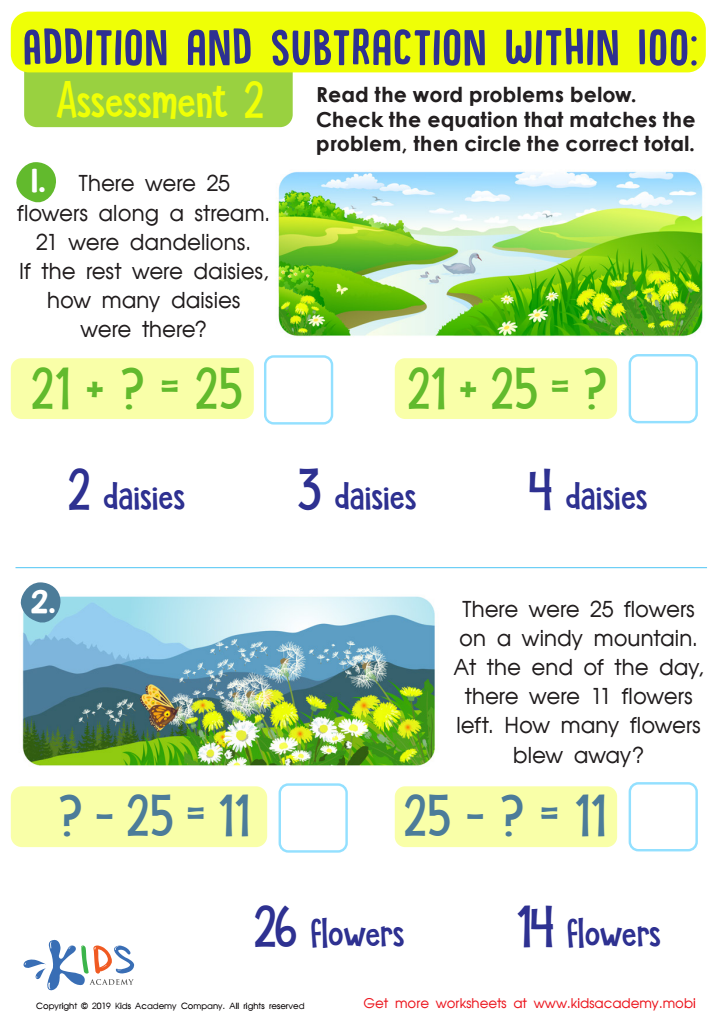
Assessment 2 Math Worksheet
 Assign to My Students
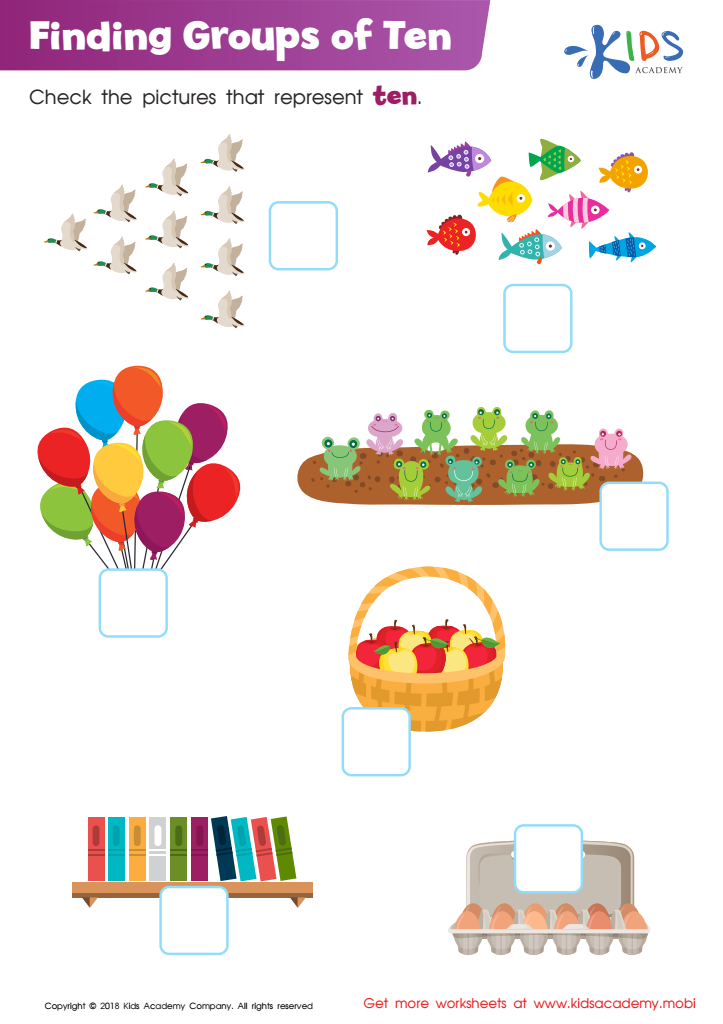
Finding Groups of Ten Worksheet
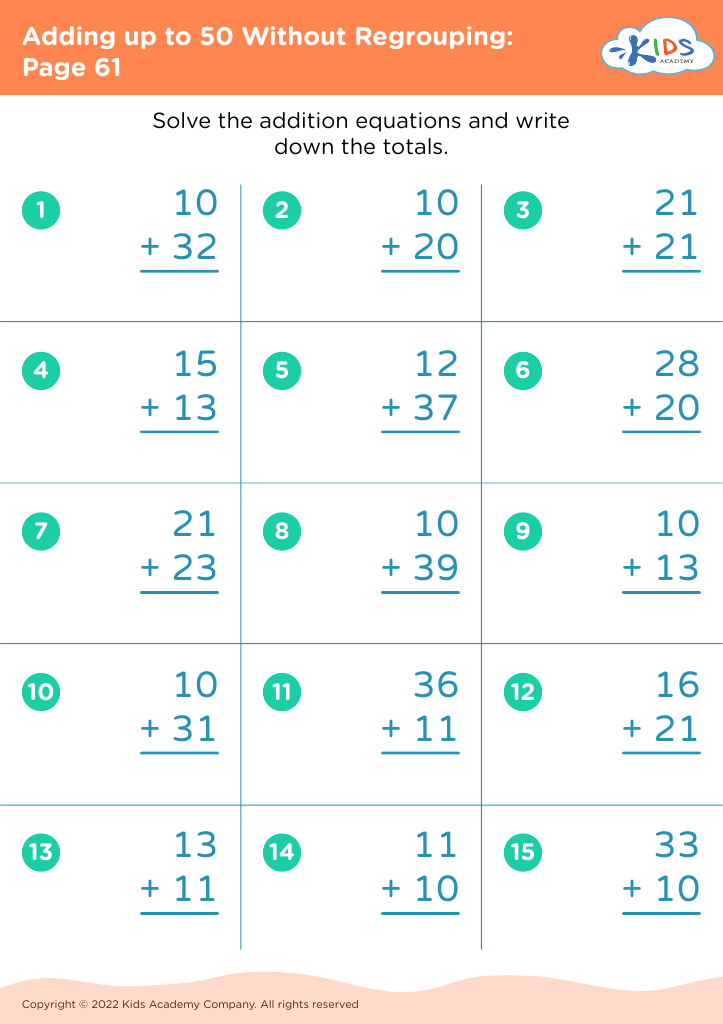








Understanding grouping is essential for children aged 4-9, as it lays the foundation for critical thinking and problem-solving skills. During these formative years, children encounter various types of groupings in both academic and social contexts—whether through math, reading, or social interactions. Recognizing categories and making connections between similar items boosts cognitive development.
For teachers and parents, fostering this understanding promotes a child’s ability to classify information, which is crucial for math skills such as addition and subtraction, where grouping can simplify problems. For instance, when learning to add, a child can group objects (like apples), making it easier to comprehend the concept of putting quantities together.
Furthermore, understanding groupings enhances social skills. Children learn to navigate relationships, identify friend groups, and understand teamwork through shared interests. This not only nurtures their emotional intelligence but also builds a sense of belonging and collaboration.
In addition, activities that encourage grouping—such as sorting games, team projects, or storytelling—engage children's curiosity and creativity, making learning enjoyable. As such, prioritizing grouping in early education equips children with valuable skills that benefit their academic journey and interpersonal relationships, profoundly influencing their overall development.








