Understanding number sequence Worksheets for Ages 4-9
8 filtered results
-
From - To
Explore our engaging "Understanding Number Sequence Worksheets" designed for children ages 4-9! These worksheets help young learners grasp the concept of number sequences through fun and interactive activities. Perfect for reinforcing fundamental math skills, our resources encourage kids to recognize patterns and sequential numbers, laying a strong foundation for future learning. Each worksheet combines colorful visuals and age-appropriate exercises, making math enjoyable and accessible. Parents and educators can utilize these tools to facilitate playful learning at home or in the classroom. Join us to enhance your child’s mathematical confidence and abilities in a vibrant and creative way! Visit today!
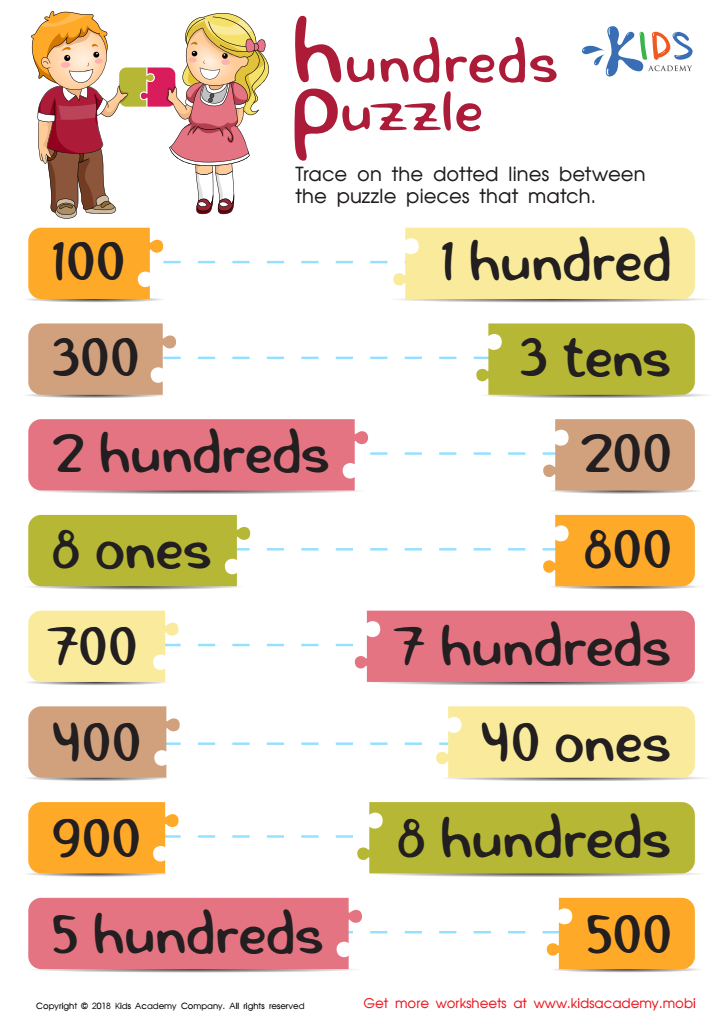
Hundreds Puzzle Worksheet
 Assign to My Students
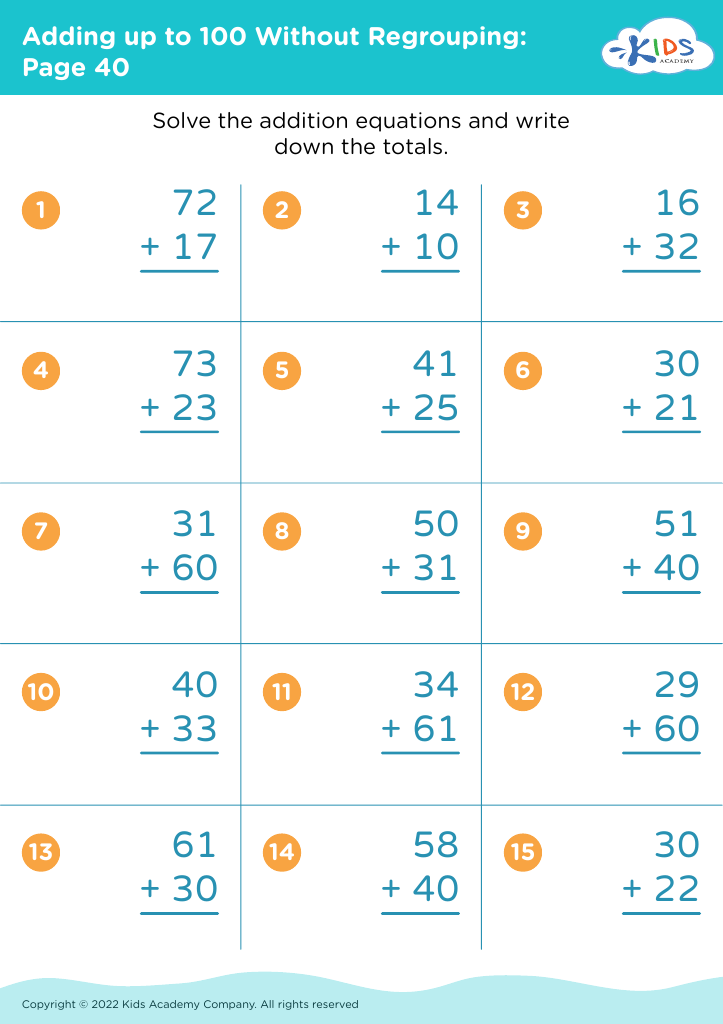
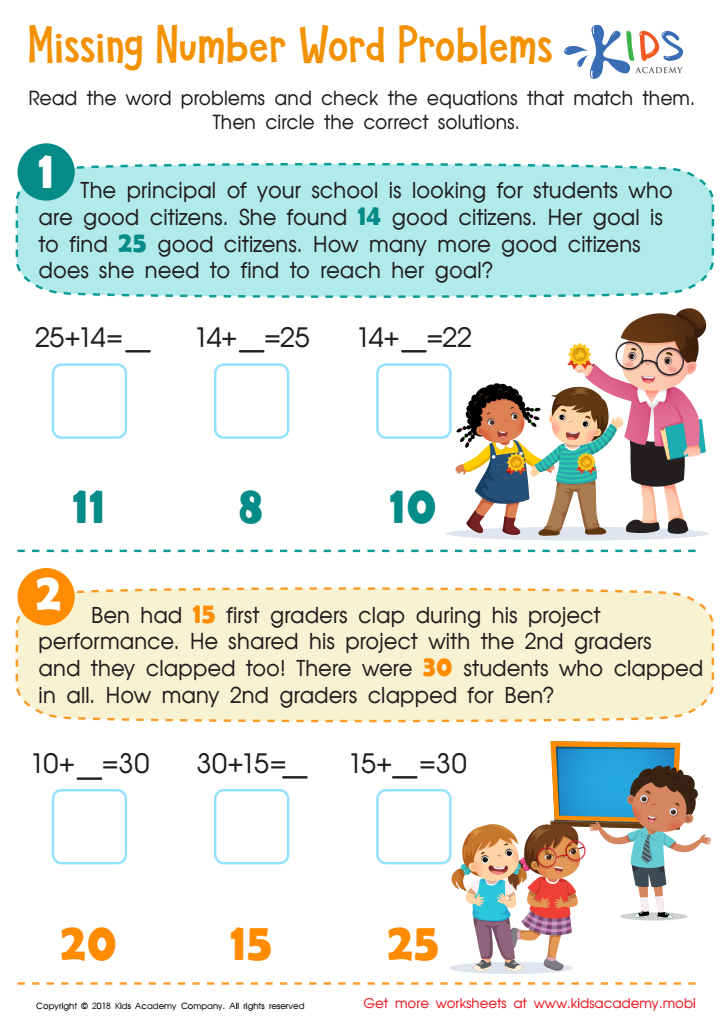
Missing Number Word Problems Worksheet
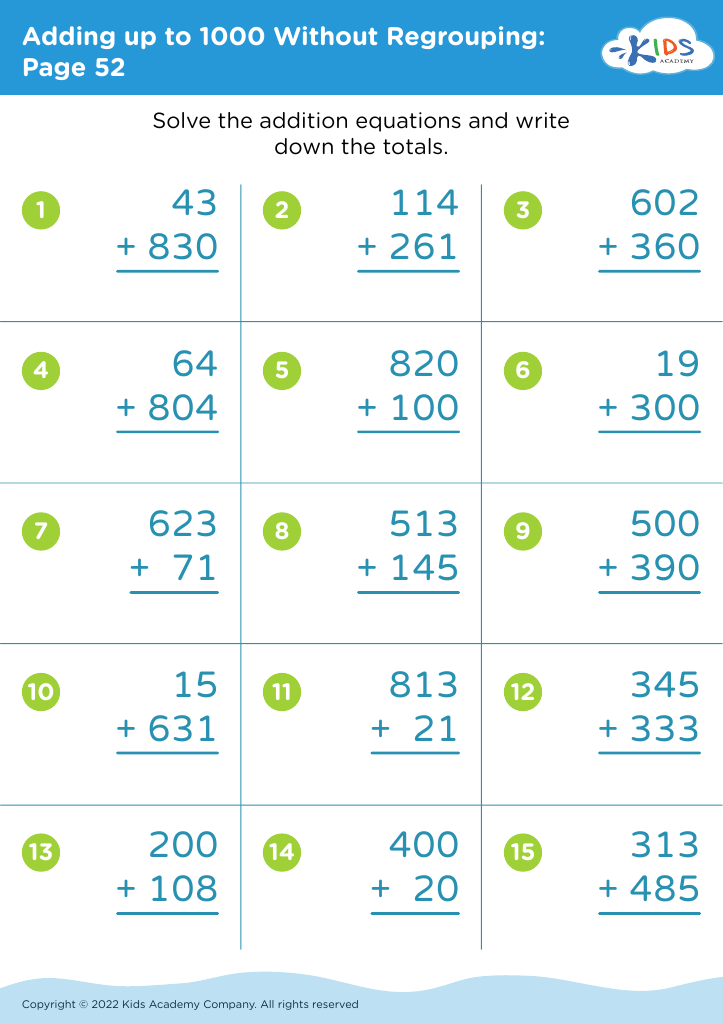
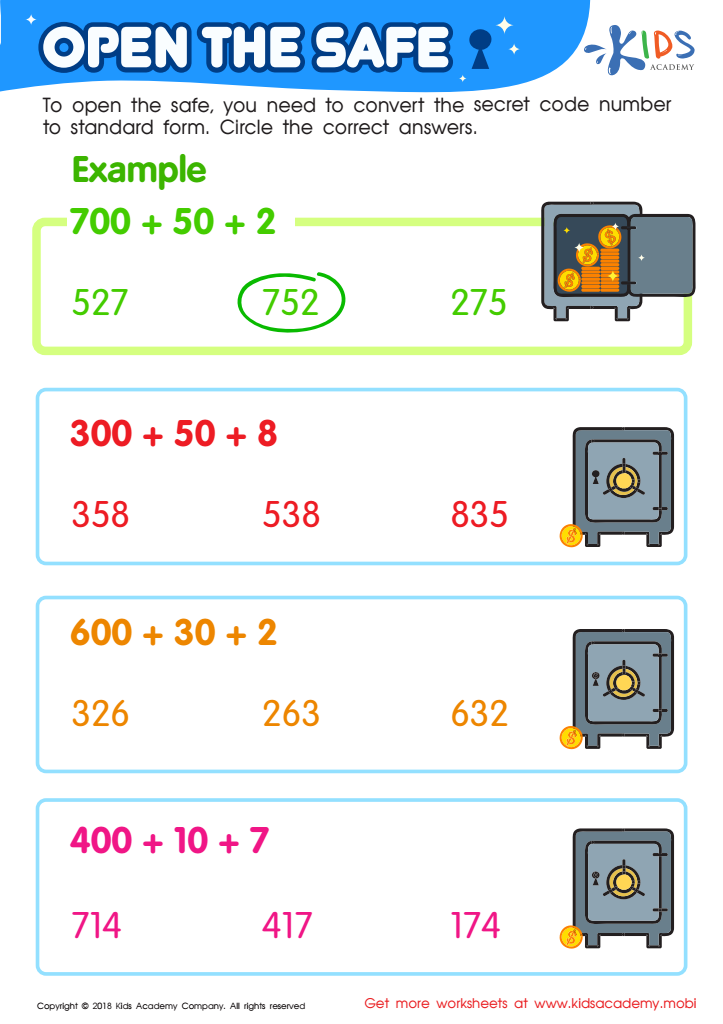
Open the Safe Worksheet
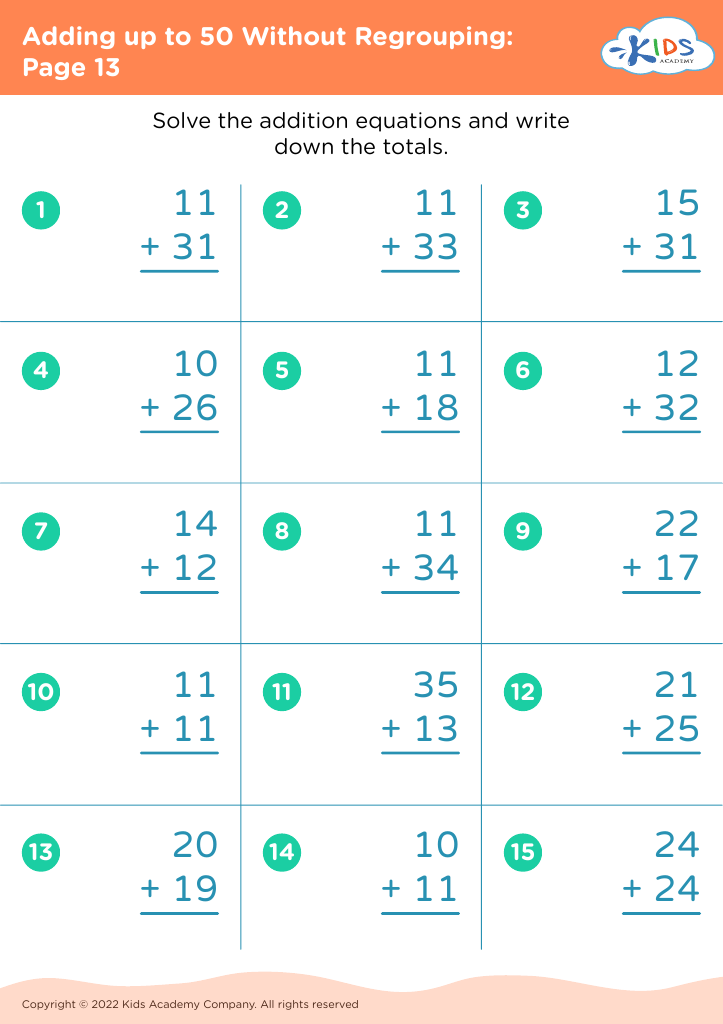
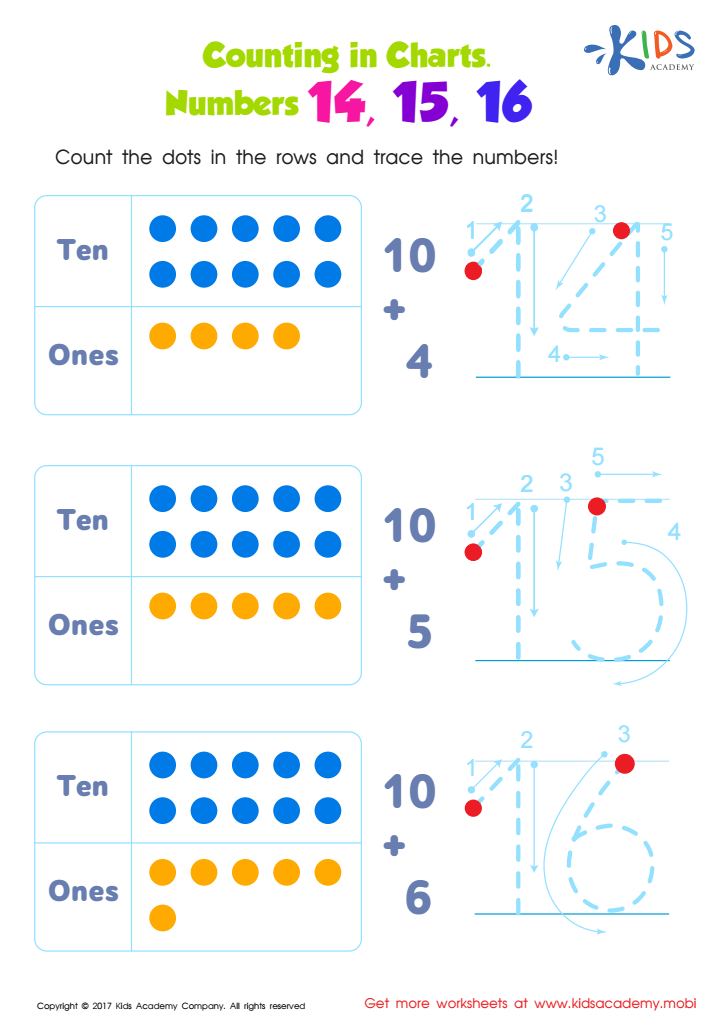
Number Tracing Worksheet







Understanding number sequences is crucial for children aged 4-9 as it forms the basis of their mathematical development. This foundational skill enables young learners to recognize patterns, which is essential for enhancing problem-solving abilities. By grasping number sequences, children can understand concepts like counting, addition, and subtraction more effectively, laying the groundwork for future mathematical operations.
Moreover, number sequences foster logical thinking. When children identify how numbers progress or regress, they develop critical analytical skills that are valuable not just in math, but in everyday decision-making. Recognizing patterns also aids in enhancing memory and concentration, vital tools for any learner.
For parents and teachers, encouraging mastery of number sequences paves the way for a positive attitude towards mathematics. Engaging activities that involve sequencing—such as games, songs, or even simple counting exercises—create enjoyable learning experiences, allowing children to explore numbers in a playful context. Early proficiency in number sequences correlates with future academic success, as these skills become increasingly relevant in advanced mathematical concepts. Thus, prioritizing understanding of number sequences during these formative years is essential for fostering a well-rounded mathematical foundation and fulfilling lifelong learning potential in children.








