Understanding shapes Worksheets for Ages 4-9
7 filtered results
-
From - To
Explore our "Understanding Shapes Worksheets" designed for children ages 4-9! These engaging worksheets help young learners recognize, identify, and categorize different shapes through fun and interactive activities. With colorful illustrations and age-appropriate challenges, kids will enjoy developing their spatial awareness and critical thinking skills. Our worksheets cover various shapes, including circles, squares, triangles, and more, making learning enjoyable and effective. Perfect for classroom use or homeschooling, these resources provide an excellent way to reinforce shape recognition in a playful context. Help your child build a strong foundation in geometry while having fun exploring the world of shapes!
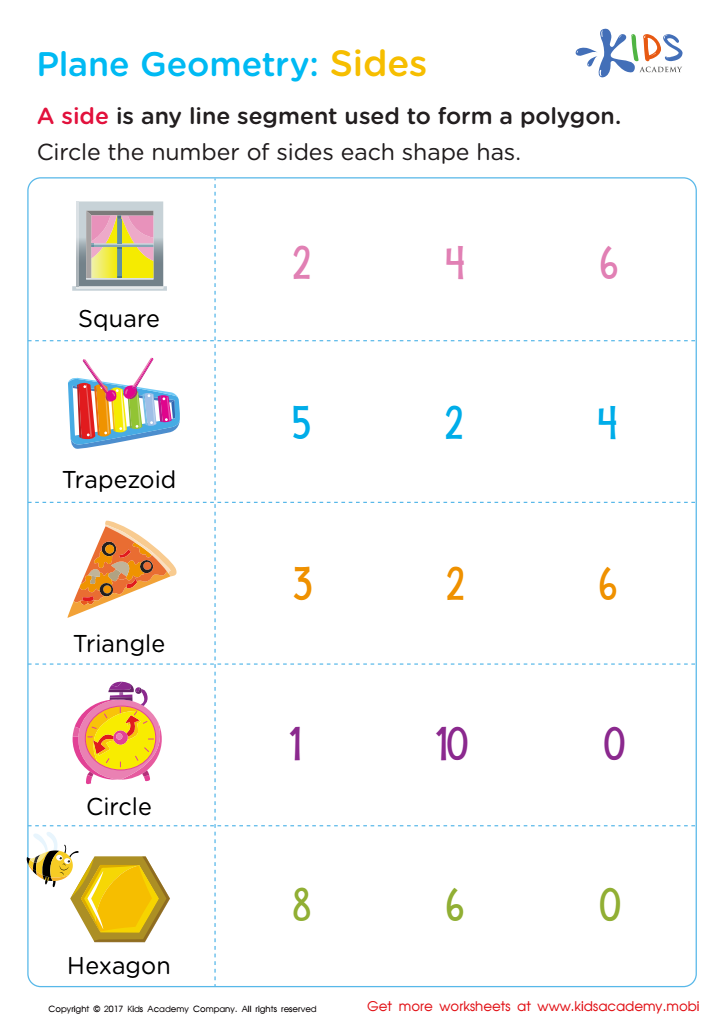
 Assign to My Students
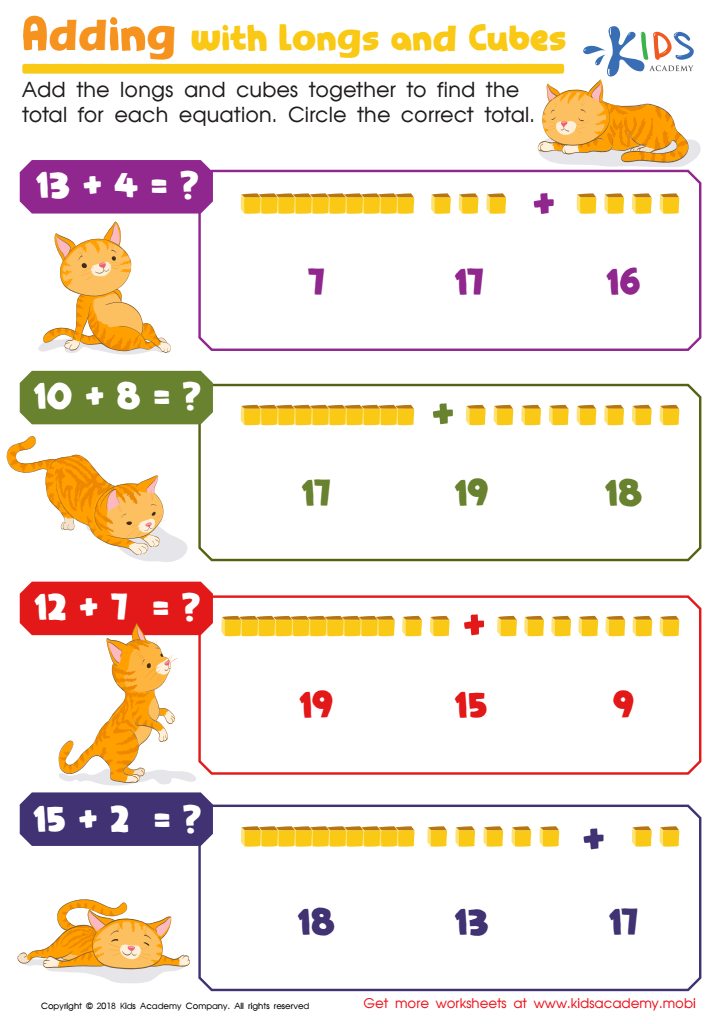
Adding With Longs and Cubes Worksheet
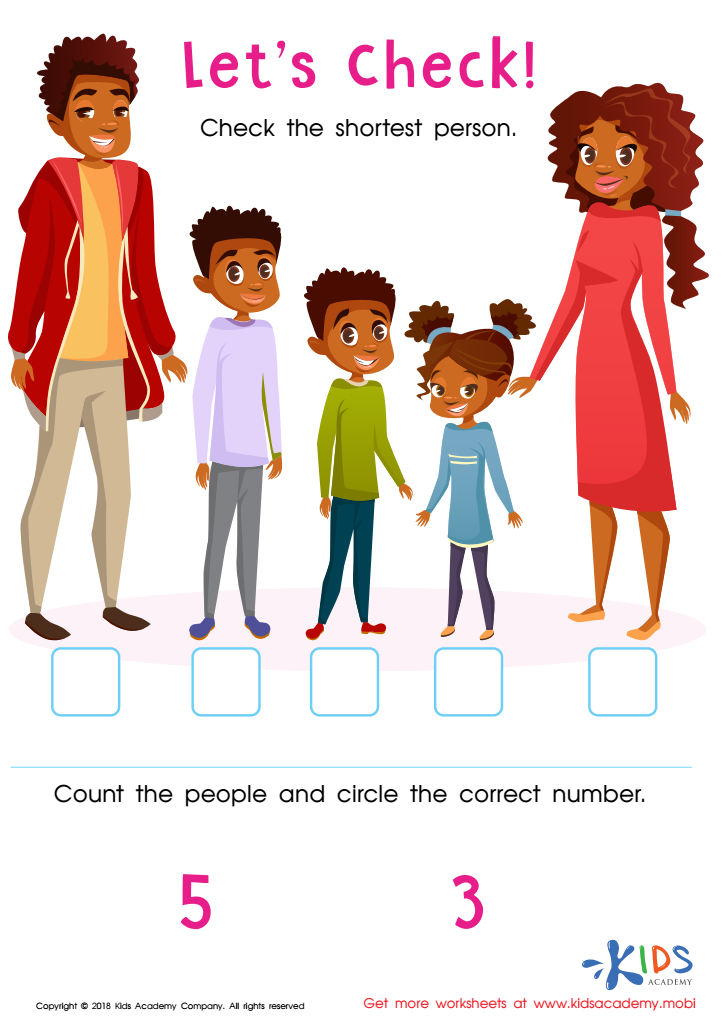
Let's Check! Assessment Worksheet
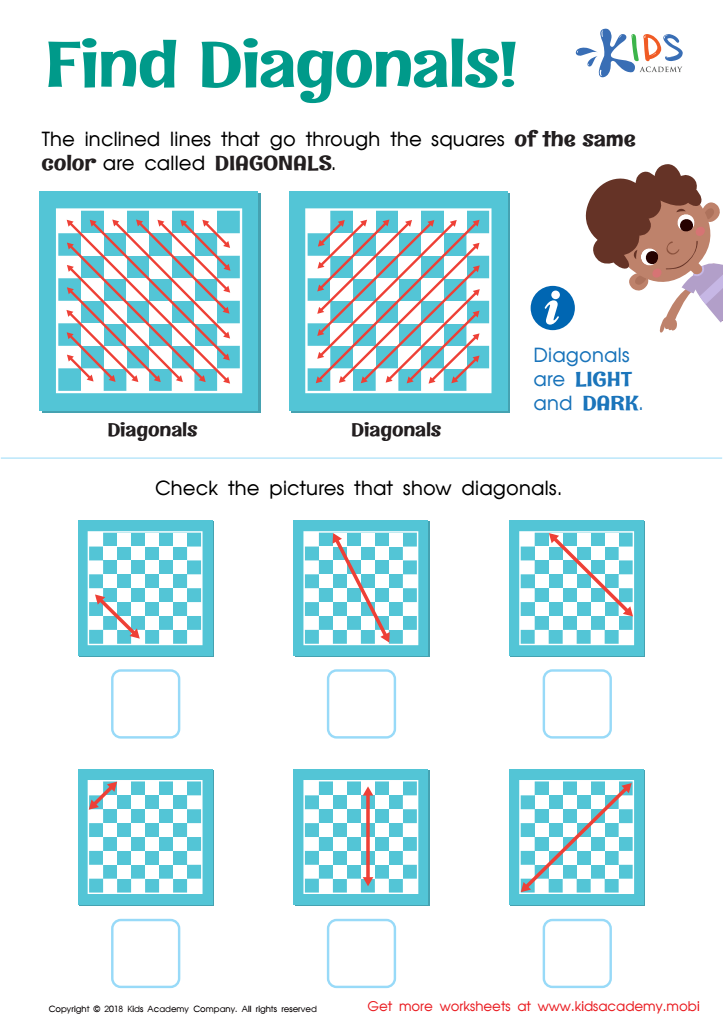
Find Diagonals Worksheet
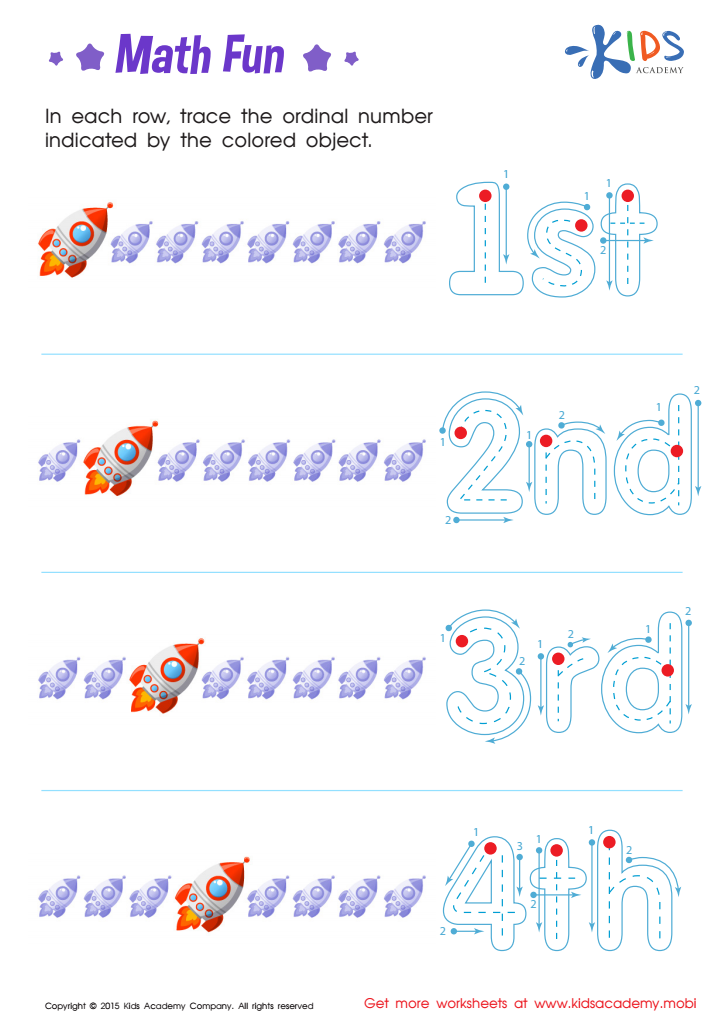
Ordinal Numbers: Math Fun Worksheet
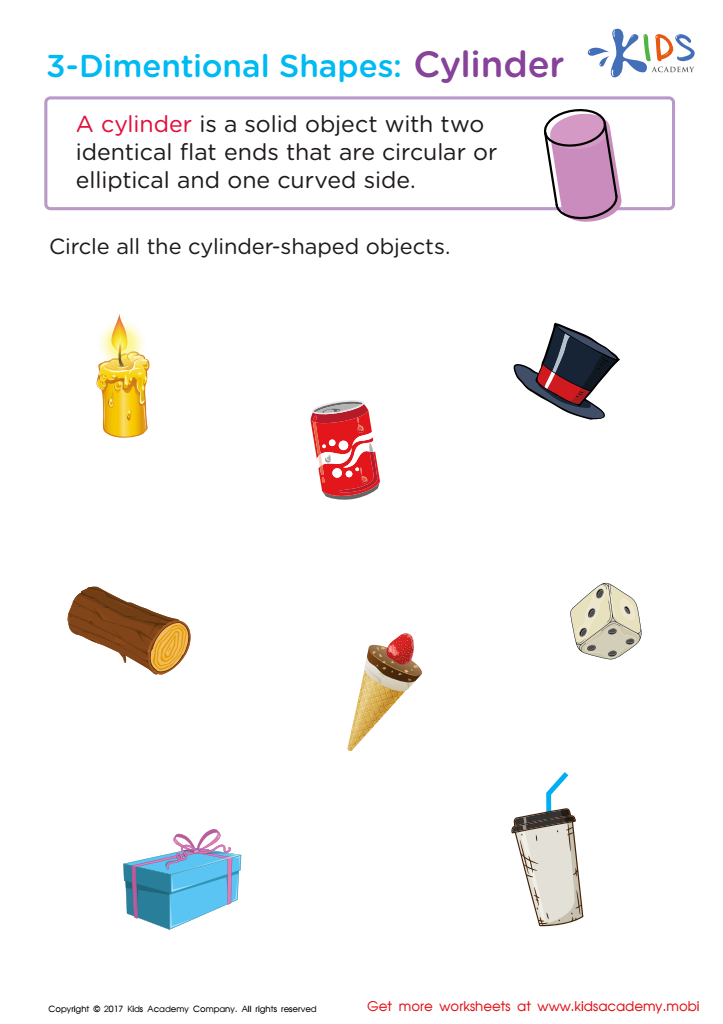
Three–Dimensional Shapes: Cylinder Worksheet








Understanding shapes is a fundamental aspect of early childhood education, particularly for children ages 4-9. This period is critical for cognitive development, as children begin to grasp complex concepts and relationships. Learning about shapes supports spatial awareness, which is essential for problem-solving and critical thinking skills. By recognizing, comparing, and manipulating different shapes, children develop their ability to visualize and navigate the world around them.
Moreover, shape recognition serves as a building block for more advanced mathematical concepts, such as geometry. Familiarity with shapes enhances children's ability to classify and categorize objects, a skill that underpins later learning in mathematics and science. Additionally, understanding shapes supports language development, as children learn to communicate and articulate their observations, fostering both verbal and non-verbal communication skills.
It also promotes fine motor skills through hands-on activities like drawing, cutting, and construction. Importantly, shapes also find applications beyond academics; they play a role in art, design, and even everyday tasks like navigation. By nurturing an understanding of shapes in early education, parents and teachers equip children with lifelong skills that enhance their academic success and support holistic development.








