Visual analysis Worksheets for Ages 4-9
3 filtered results
-
From - To
Enhance your child's observational skills with our engaging Visual Analysis Worksheets designed for ages 4-9. These interactive printables help young learners identify shapes, colors, patterns, and details, fostering critical thinking and analytical skills in a fun way. Our carefully crafted worksheets encourage creativity and boost cognitive development, making learning enjoyable. Perfect for home or classroom use, these resources cater to various learning styles and provide valuable practice opportunities. By integrating visual analysis into early education, your child will develop essential skills that promote lifelong learning. Explore our diverse collection and support your child’s growth today!
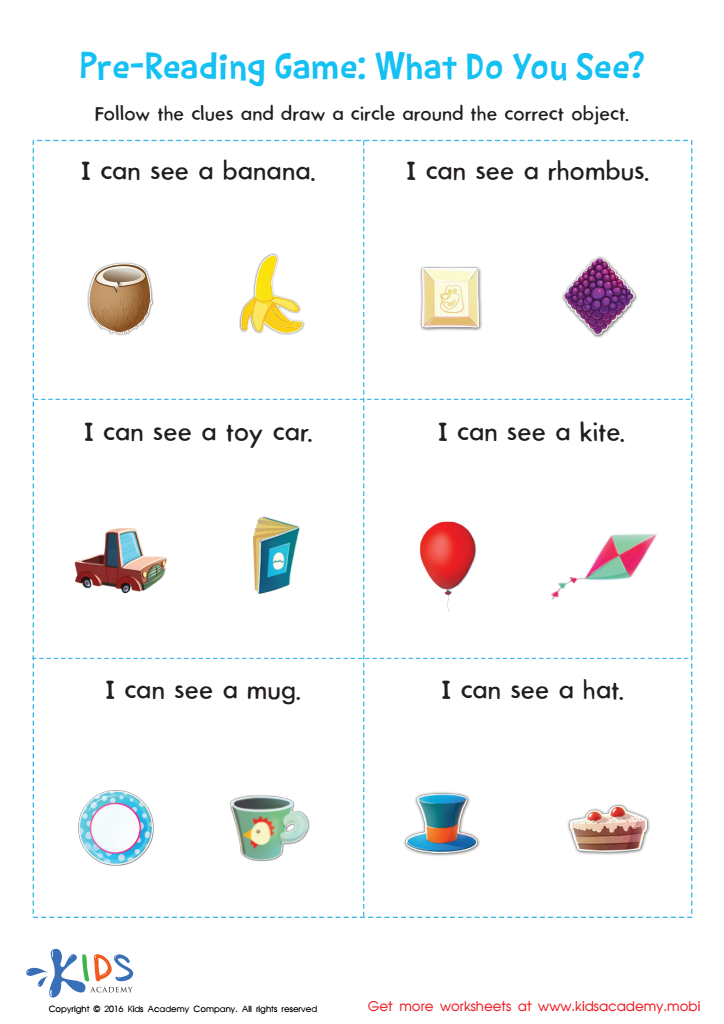
Pre–reading Worksheet: What Do You See?
 Assign to My Students
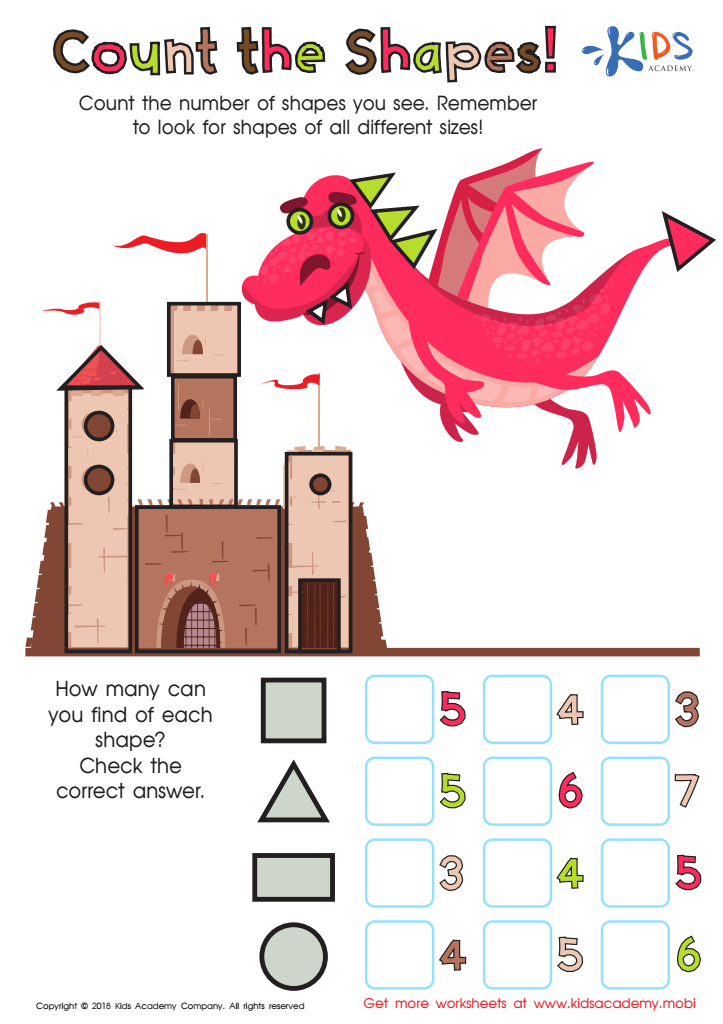
Count the Shapes Worksheet
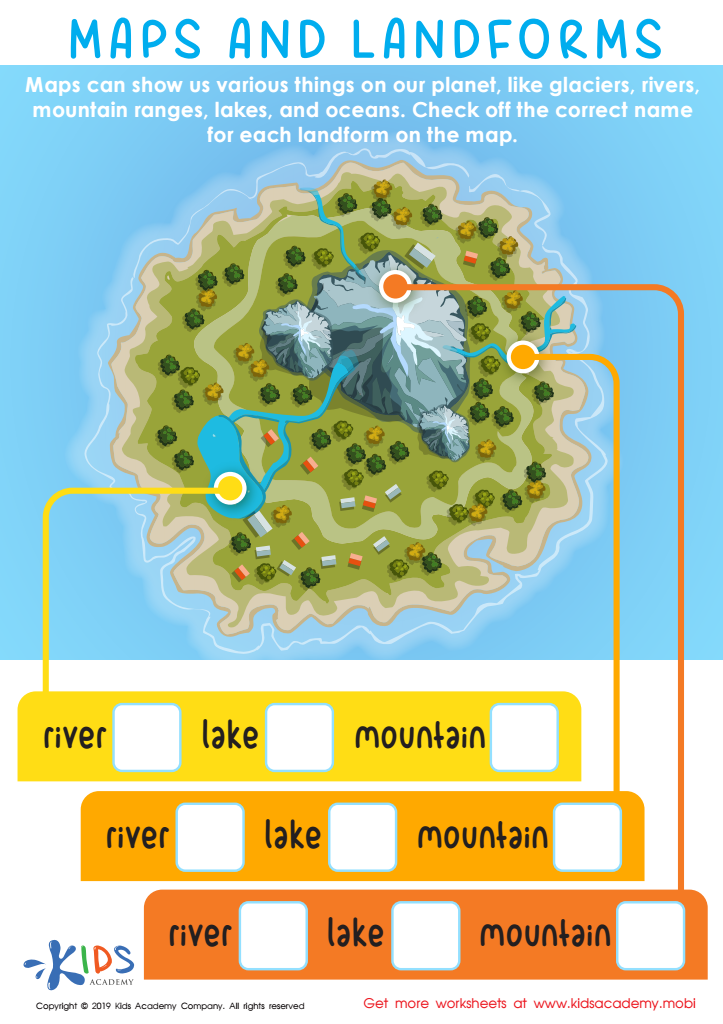
Maps and Landforms Worksheet








Visual analysis is crucial for children aged 4-9, as it lays the foundation for critical thinking and cognitive development. At this stage, children are learning to interpret and understand visual information, which includes not only images but also symbols and diagrams. Teachers and parents should care about visual analysis because it enhances literacy skills. As children learn to decode pictures and graphs, they also develop the ability to comprehend written texts more effectively, linking visual cues to linguistic information.
Engaging in visual analysis encourages creativity and problem-solving skills. By examining artwork, charts, or graphic novels, children learn to express their thoughts and emotions more clearly, fostering their ability to communicate ideas effectively. Furthermore, this skill set supports academic achievement across subjects, especially in math, science, and social studies, where visual representation plays a significant role.
Developing visual analysis skills also helps children understand and navigate the world around them, promoting media literacy in an age dominated by images. Overall, prioritizing visual analysis equips children with essential skills necessary for academic success and life-long learning, enabling them to critically assess the information they encounter. Engaging young learners in this process nurtures their ability to interpret, create, and interact with the world visually.








