
Visual interpretation skills Worksheets for Ages 4-9
3 filtered results
Difficulty Level
Grade
Age
-
From - To
Subject
Activity
Standards
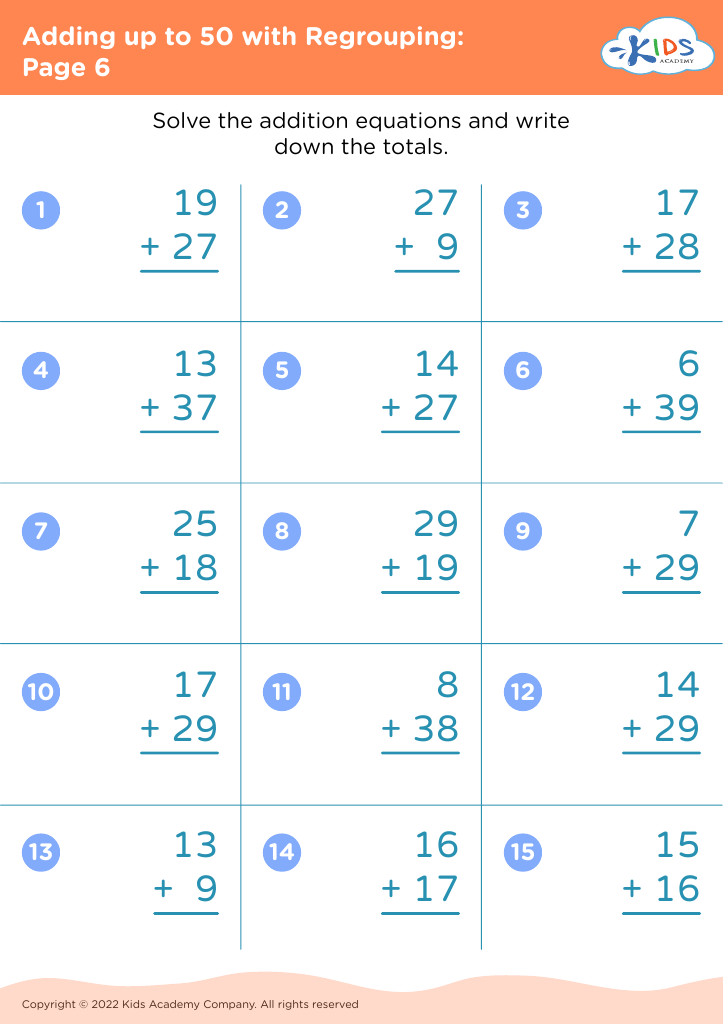
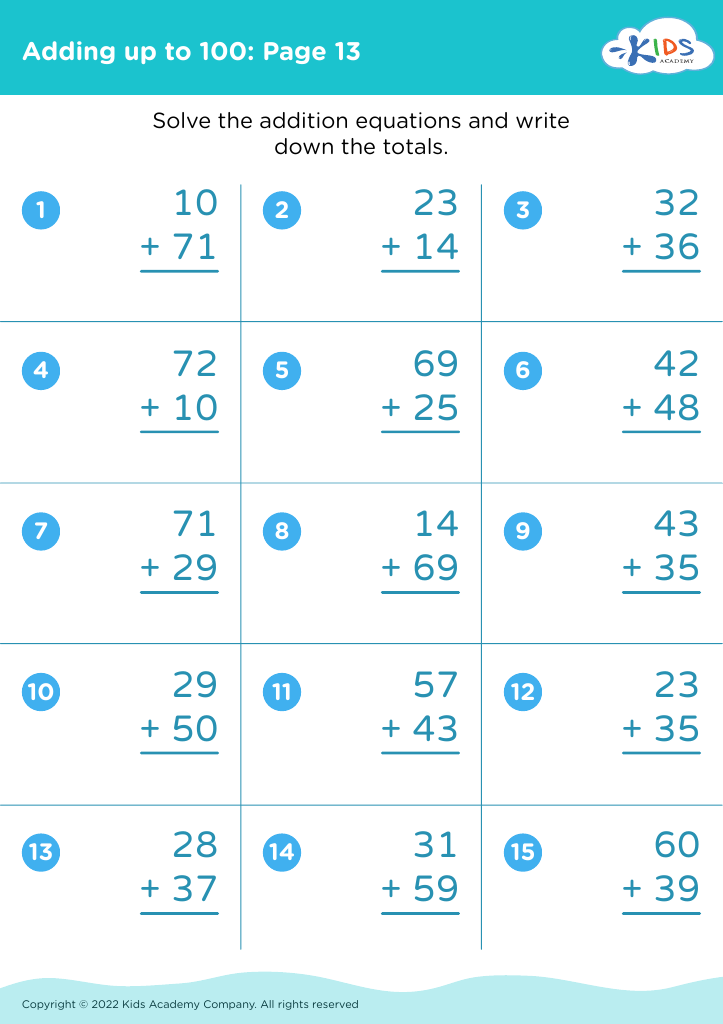
Enhance your child's visual interpretation skills with our engaging worksheets designed for ages 4-9. These printable resources focus on developing essential skills such as visual discrimination, spatial awareness, and pattern recognition through fun activities and engaging illustrations. Our worksheets not only foster critical thinking but also promote creativity and problem-solving abilities in young learners. Each worksheet is thoughtfully crafted to provide a balanced approach to learning, ensuring children build confidence as they enhance their visual literacy. Perfect for use at home or in the classroom, these worksheets will captivate kids while supporting their cognitive development in essential learning areas.
Favorites
With answer key
Interactive
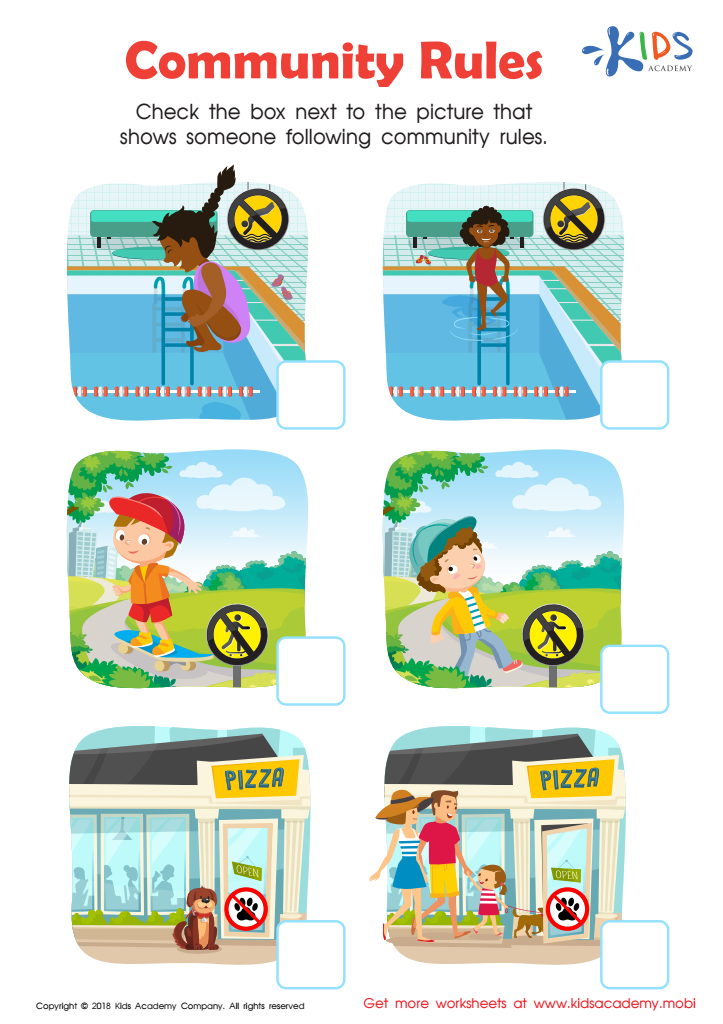
Community Rules Worksheet
Communities are where different people live, work and worship. They're made up of homes, schools, places of worship, businesses and other buildings. To create a healthy, functioning community, it's important for members to follow the rules and guidelines. Use this printout to teach kids about community rules. Ask them to check the box next to the picture that shows someone following them.
 Assign to My Students
Community Rules Worksheet
Worksheet
Join Kids Academy for Free
Who is primarily going to use this learning content?




.jpg)



Visual interpretation skills are essential for children aged 4-9 as they form the foundation for learning across multiple subjects. At this age, children are developing the capability to process and understand visual information, which is crucial for their education. These skills facilitate reading, as students learn to recognize letters and words, and drawing conclusions from illustrations and graphs. By enhancing visual interpretation, children also become better problem-solvers, as they learn to analyze images and diagrams, enhancing their logical reasoning abilities.
Furthermore, strong visual interpretation aids in spatial awareness, which is vital for subjects like math and science, where understanding shapes, measurements, and spatial arrangements is key. Teachers and parents should pay special attention to fostering these skills through activities like storytelling, art, and puzzles, encouraging children to observe details and make connections.
As children improve their visual interpretation abilities, they gain confidence in their academic skills, leading to a more positive attitude towards learning overall. Ultimately, nurturing these skills not only supports academic success but also aids in the development of critical thinking and creativity—traits that will benefit children throughout their lifelong learning journey. Investing time in visual literacy today creates a pathway for a brighter future.








