Problem-Solving Skills Adding at the Zoo Worksheets for Ages 4-9
4 filtered results
-
From - To
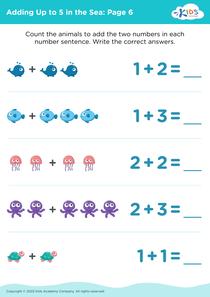
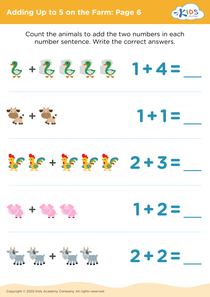
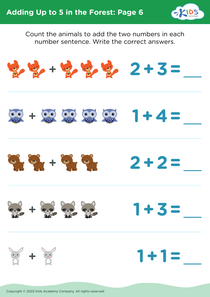
Unlock the joy of learning with our "Problem-Solving Skills Adding at the Zoo Worksheets"! Designed for children ages 4-9, these engaging worksheets help young learners master basic addition while developing essential problem-solving skills. Set against a fun zoo backdrop, each worksheet features vibrant animal illustrations that captivate attention and stimulate curiosity. Through interactive exercises, kids will practice important math concepts, tackling real-life scenarios that enhance their critical thinking. Ideal for home or classroom use, our worksheets promote a love for learning, making math both educational and entertaining. Dive into the exciting world of numbers and animals today!
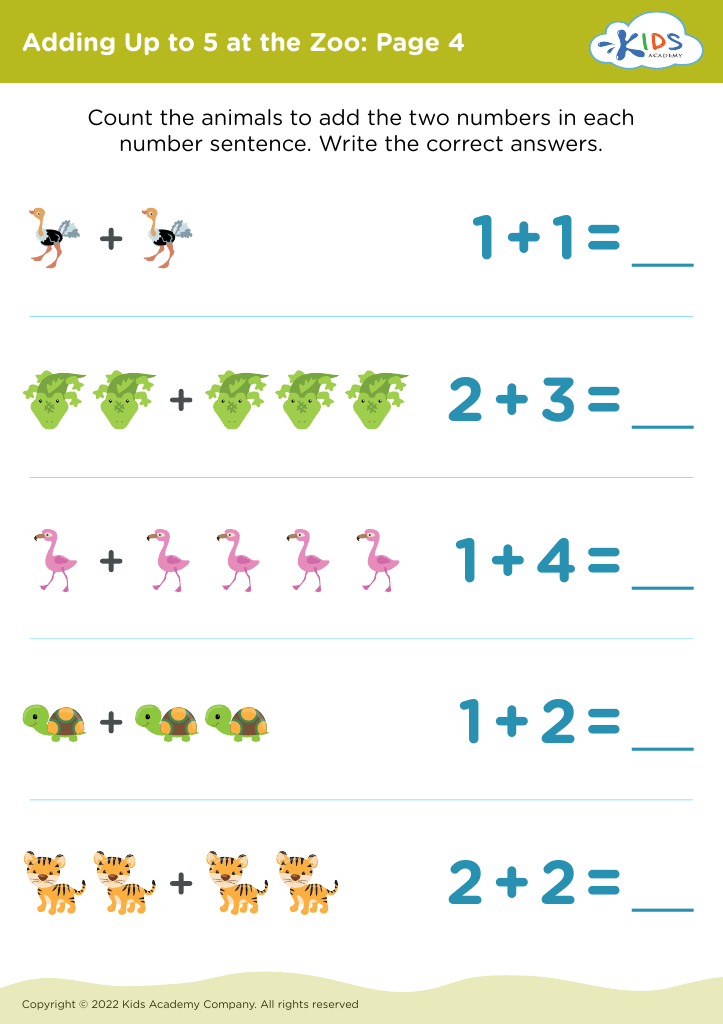
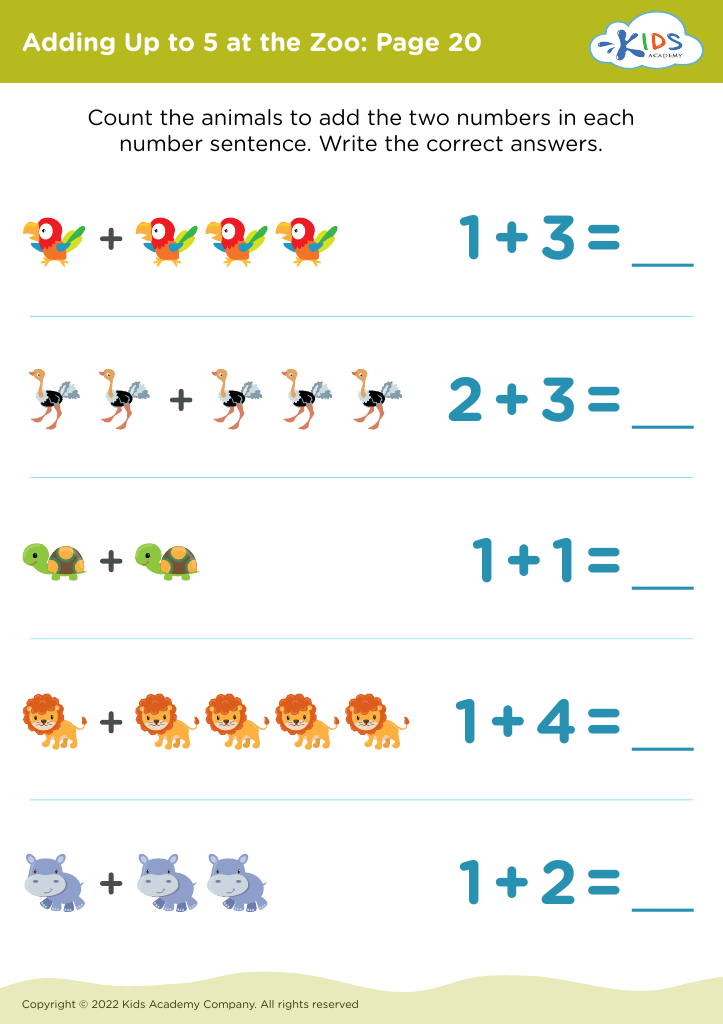
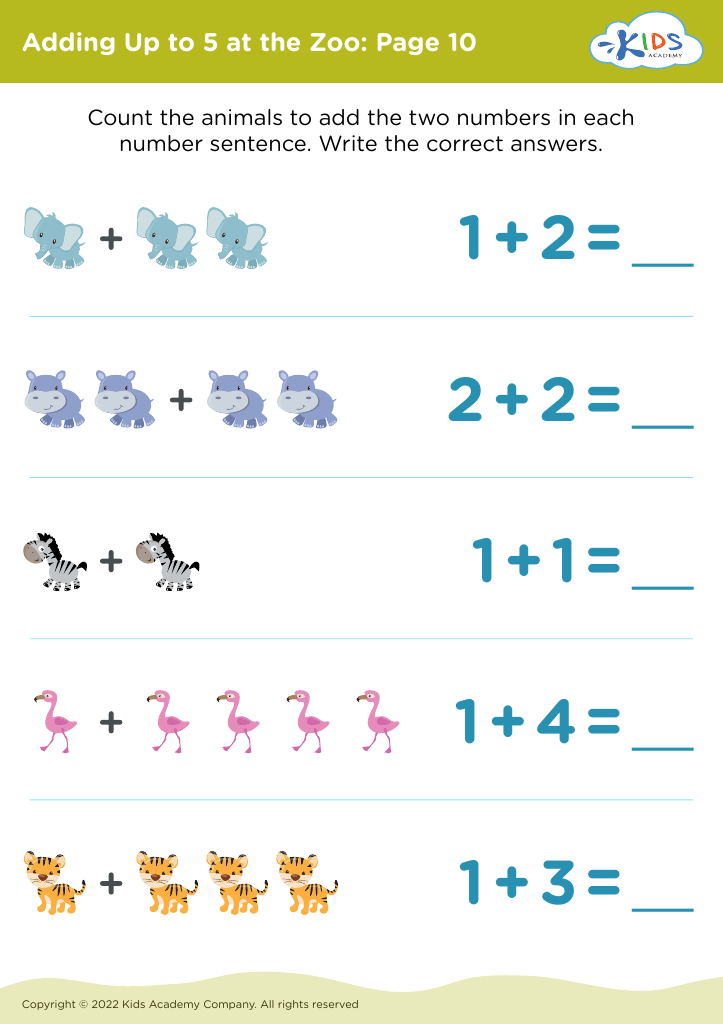
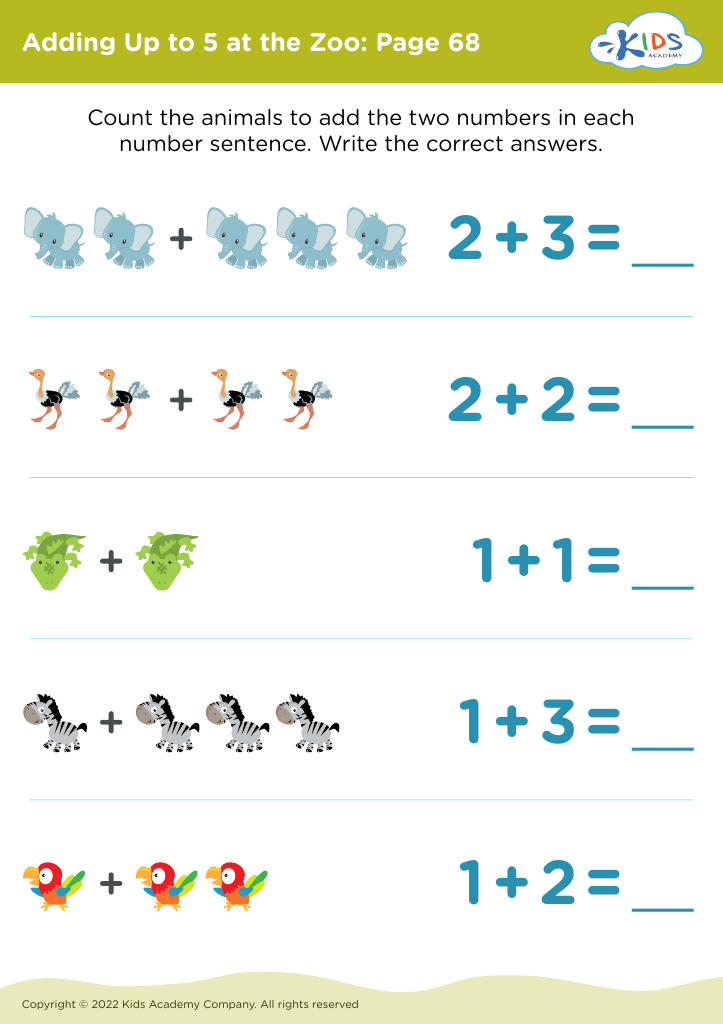



Parents and teachers should prioritize problem-solving skills in young learners, particularly through engaging activities like "Problem-Solving Skills Adding at the Zoo" for ages 4-9. These skills lay the foundation for critical thinking, creativity, and collaboration. At this age, children are naturally curious and eager to explore their environments. Utilizing the zoo theme captures their interest, making learning enjoyable and memorable.
Furthermore, problem-solving activities help children develop mathematical understanding in a practical context. Adding elements related to the zoo, such as counting animals or calculating food portions, contextualizes math, demonstrating its real-world applications. This relevance fosters a positive attitude towards learning and builds confidence in their abilities.
Additionally, problem-solving enhances social-emotional skills. When children work together to solve challenges, they learn empathy, communication, and patience. These experiences cultivate a supportive learning environment, allowing children to navigate success and setbacks positively.
Ultimately, investments in problem-solving skills during these formative years equip children with essential tools for their academic journey and daily life. Encouraging curiosity, critical thinking, and collaboration—key components of successful problem-solving—will empower them to tackle future challenges, both in and out of school.