Filters

349 filtered results

Clear all filters
Favorites
With answer key
Interactive

349 filtered results

Difficulty Level

Grade


Subject

    Check out this FREE Trial Lesson on Adding Up to 5 for age 4-9!

    D

    Favorites
    With answer key
    Interactive
    • 4-9
    • Number Recognition
    • Adding Up to 5
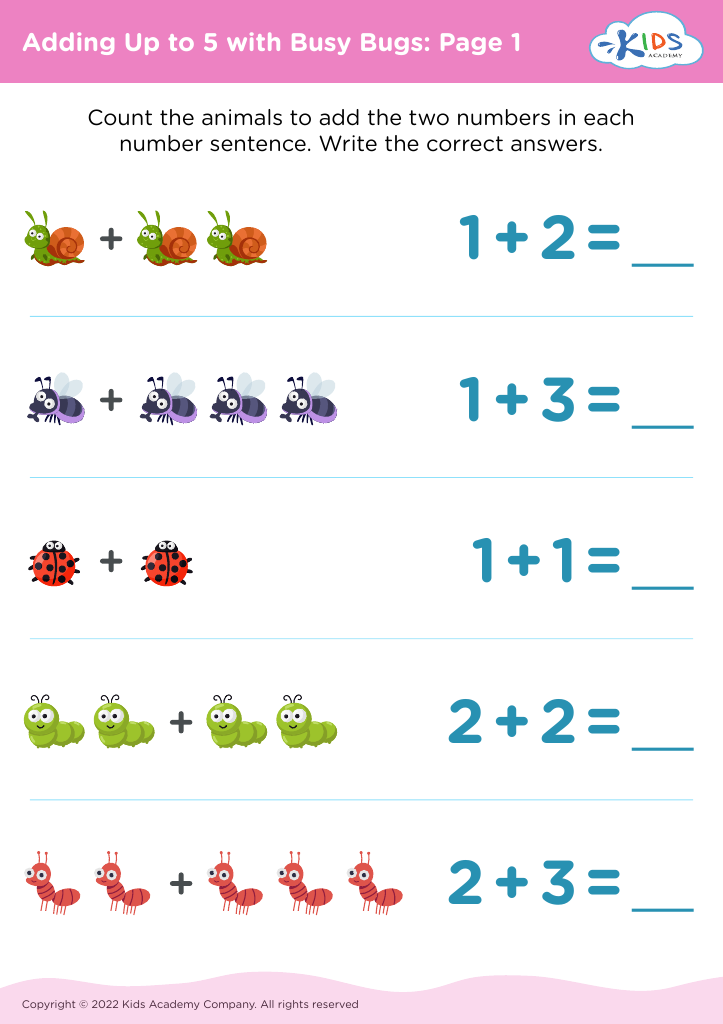
    Adding Up to 5 with Busy Bugs: Page 1
    Adding Up to 5 with Busy Bugs: Page 1
    Adding Up to 5 with Busy Bugs: Page 1
    Worksheet
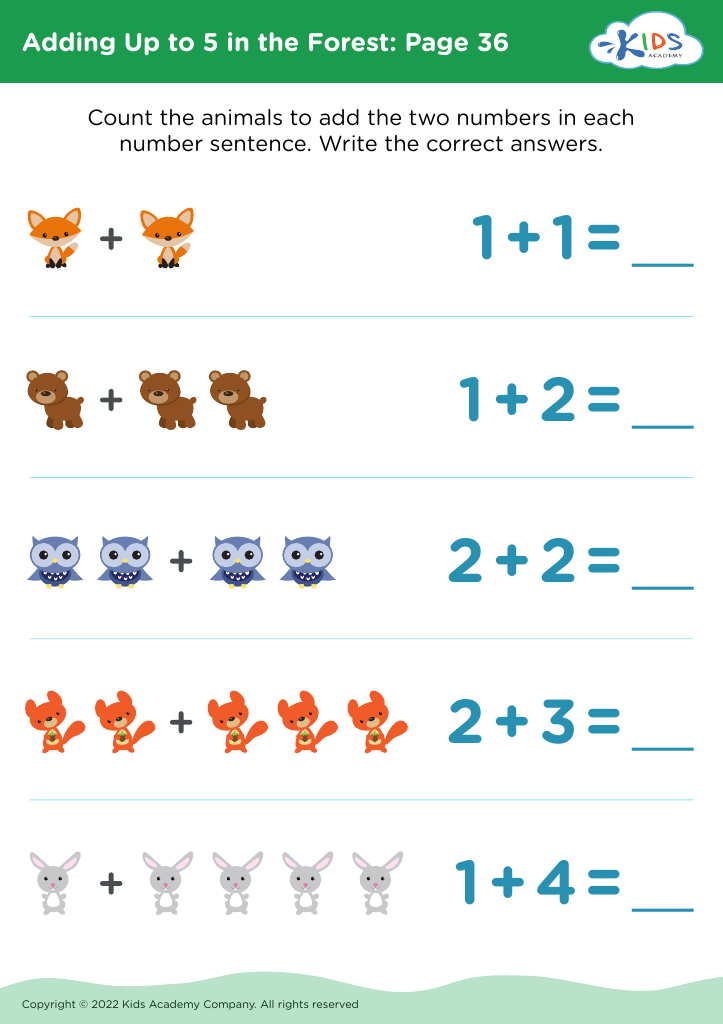
    Adding Up to 5 in the Forest: Page 36
    Adding Up to 5 in the Forest: Page 36
    Adding Up to 5 in the Forest: Page 36
    Worksheet
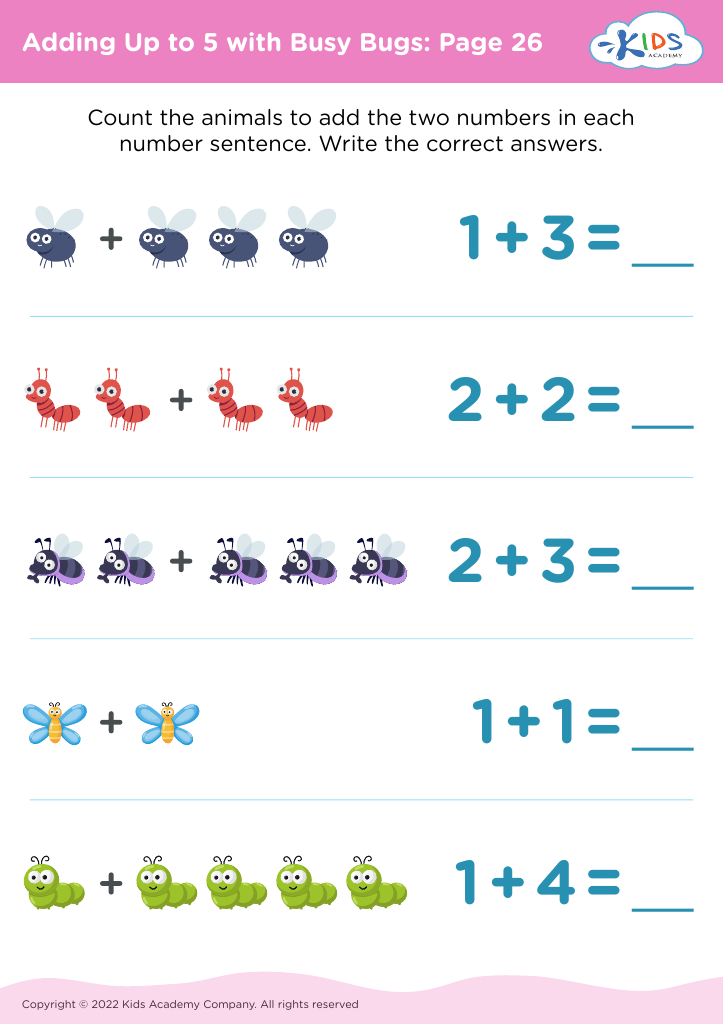
    Adding Up to 5 with Busy Bugs: Page 26
    Adding Up to 5 with Busy Bugs: Page 26
    Adding Up to 5 with Busy Bugs: Page 26
    Worksheet
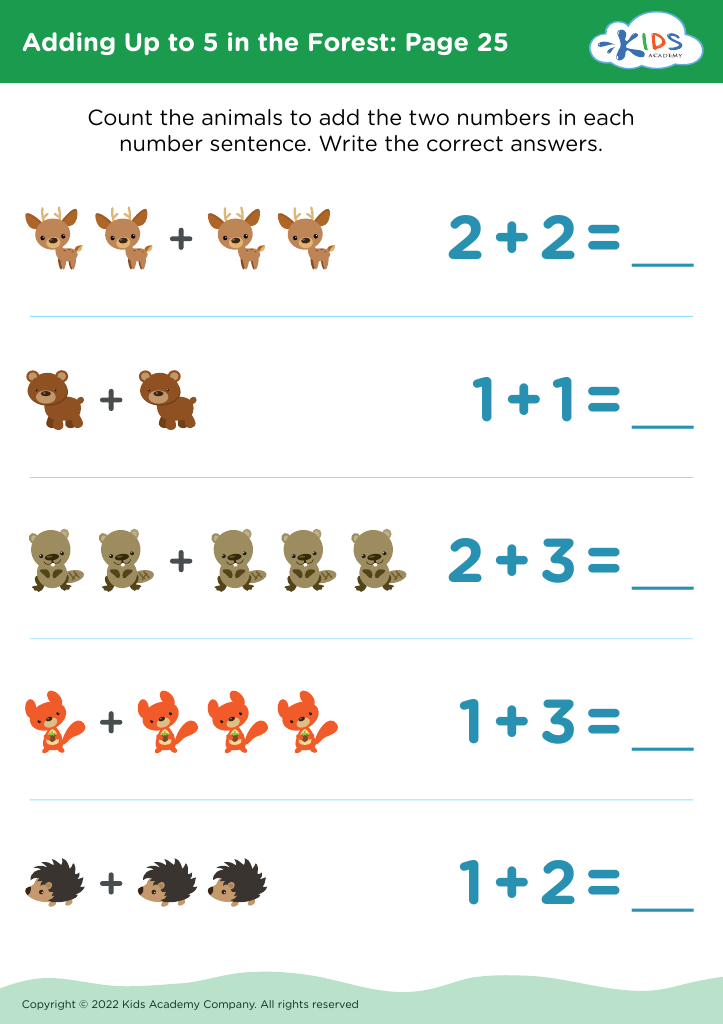
    Adding Up to 5 in the Forest: Page 25
    Adding Up to 5 in the Forest: Page 25
    Adding Up to 5 in the Forest: Page 25
    Worksheet
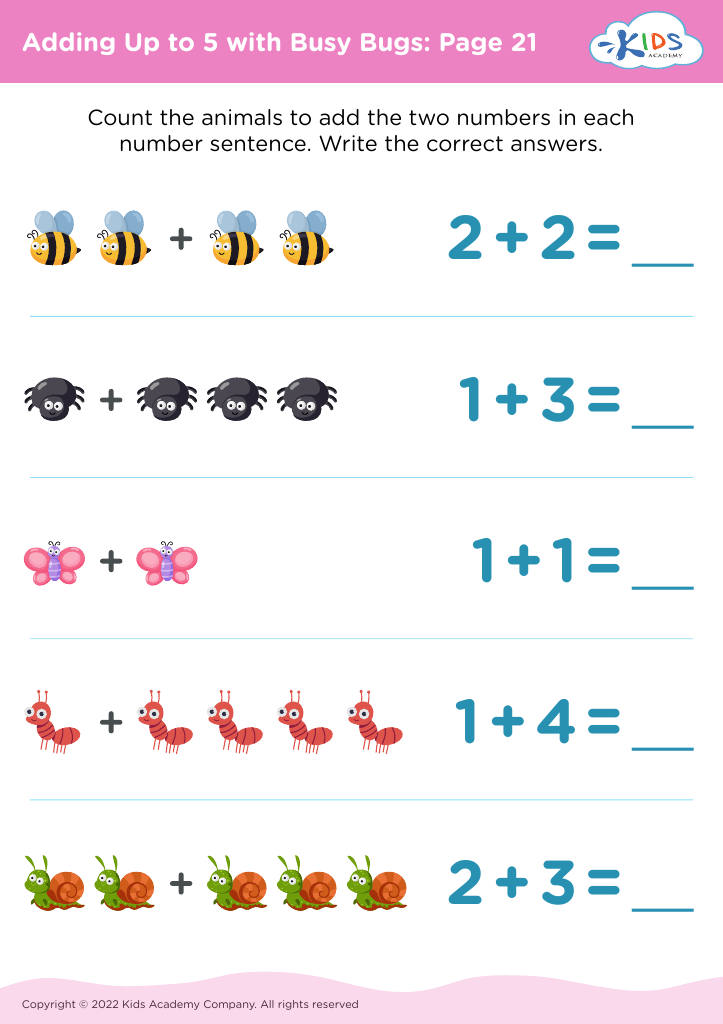
    Adding Up to 5 with Busy Bugs: Page 21
    Adding Up to 5 with Busy Bugs: Page 21
    Adding Up to 5 with Busy Bugs: Page 21
    Worksheet
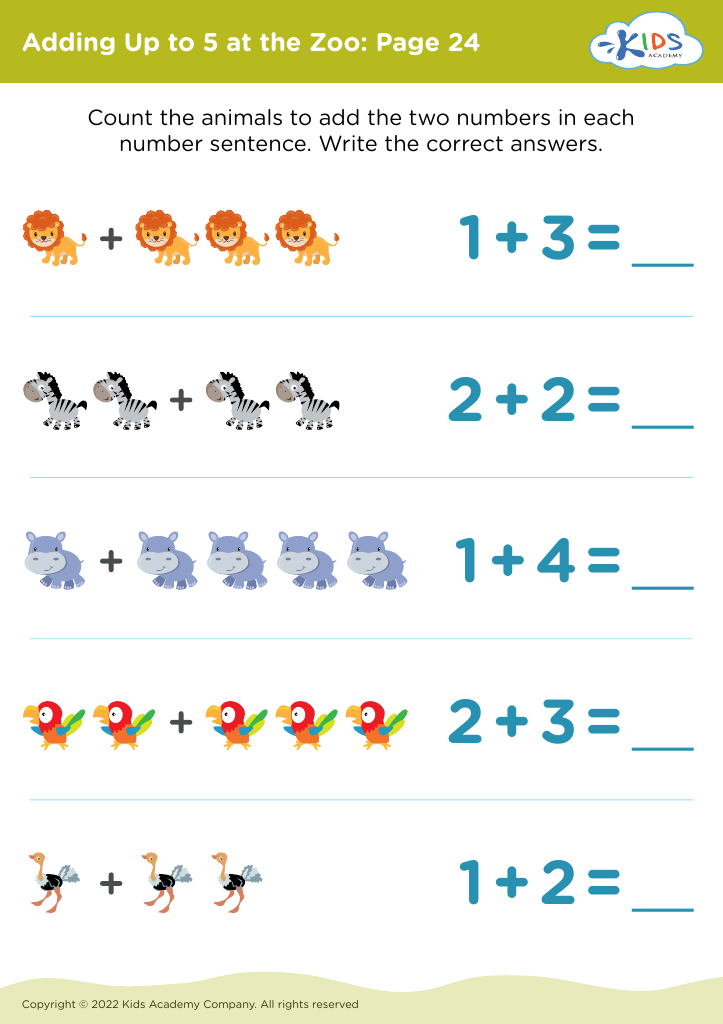
    Adding Up to 5 at the Zoo: Page 24
    Adding Up to 5 at the Zoo: Page 24
    Adding Up to 5 at the Zoo: Page 24
    Worksheet
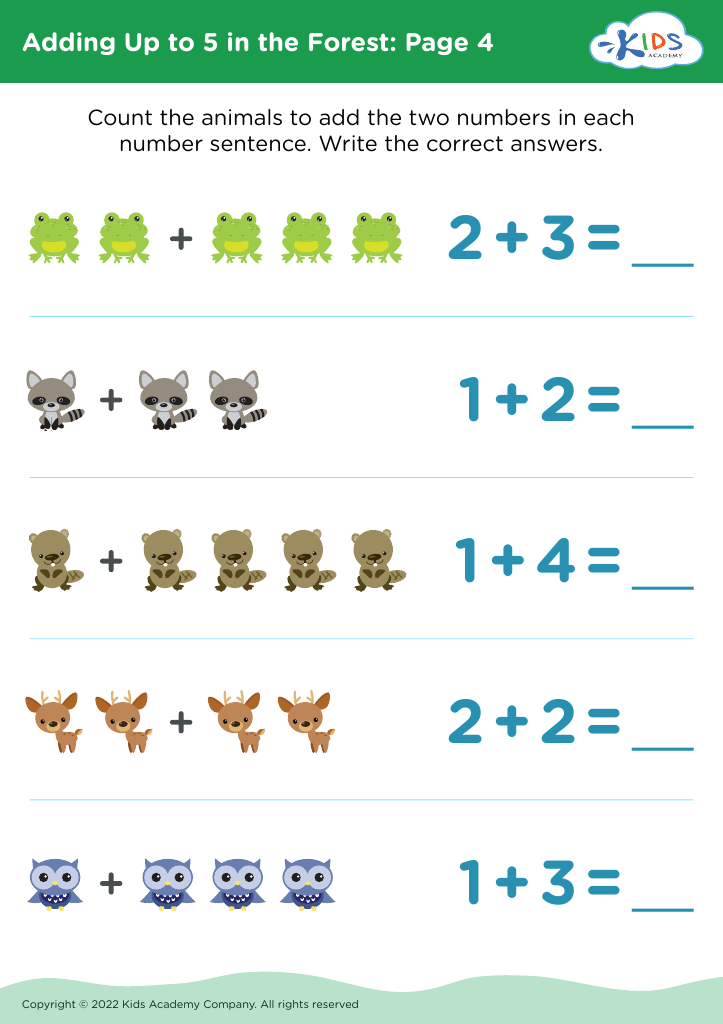
    Adding Up to 5 in the Forest: Page 4
    Adding Up to 5 in the Forest: Page 4
    Adding Up to 5 in the Forest: Page 4
    Worksheet
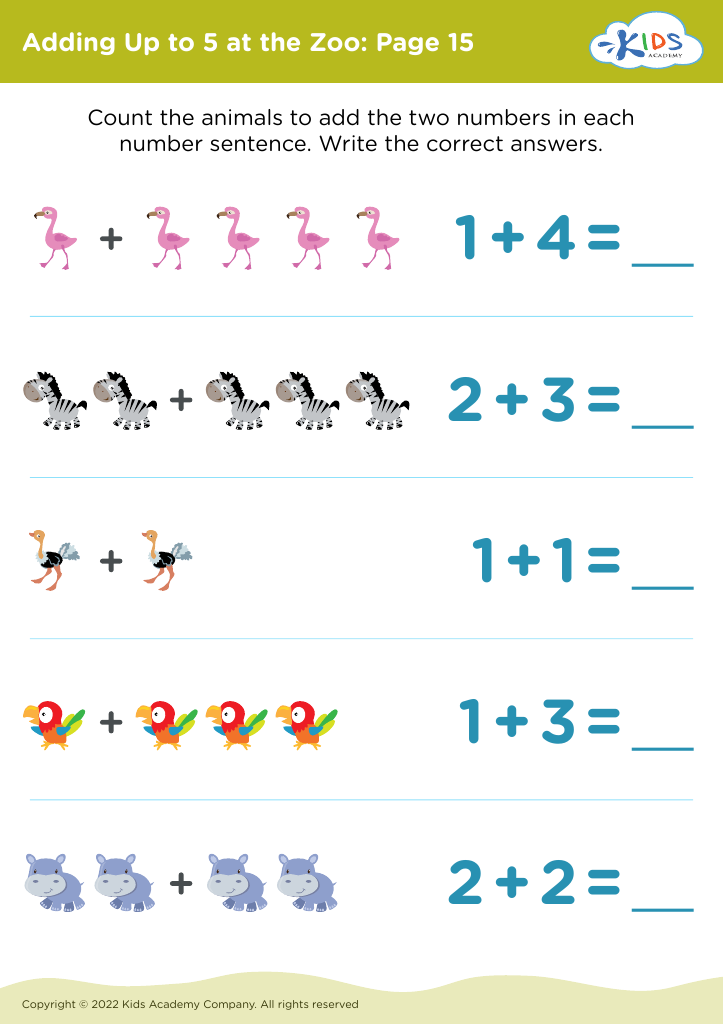
    Adding Up to 5 at the Zoo: Page 15
    Adding Up to 5 at the Zoo: Page 15
    Adding Up to 5 at the Zoo: Page 15
    Worksheet
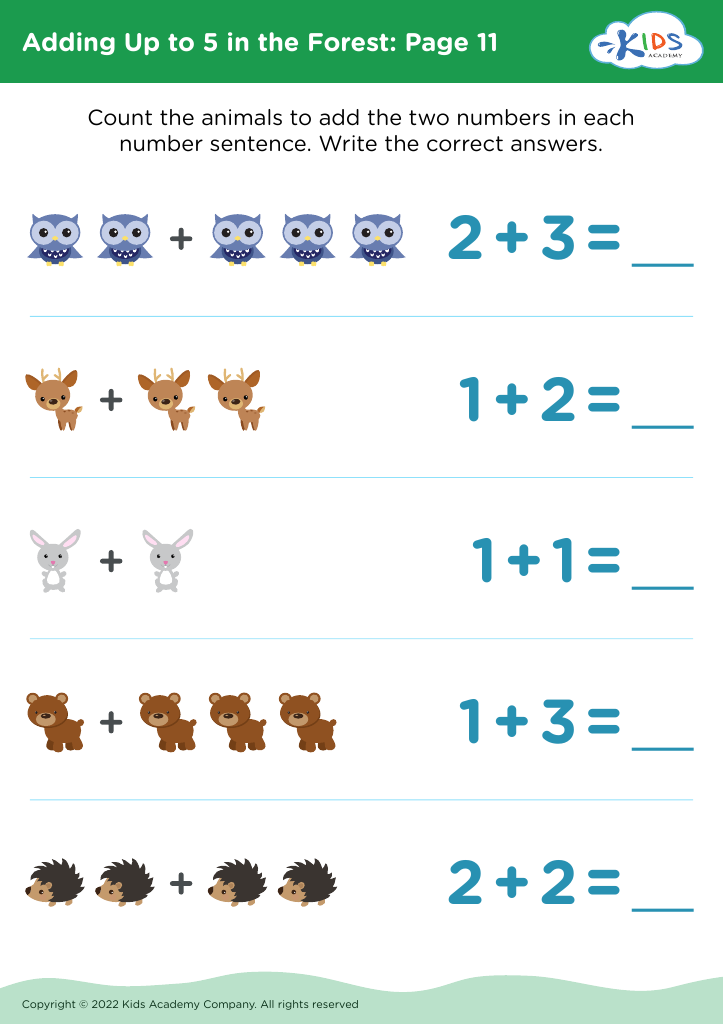
    Adding Up to 5 in the Forest: Page 11
    Adding Up to 5 in the Forest: Page 11
    Adding Up to 5 in the Forest: Page 11
    Worksheet
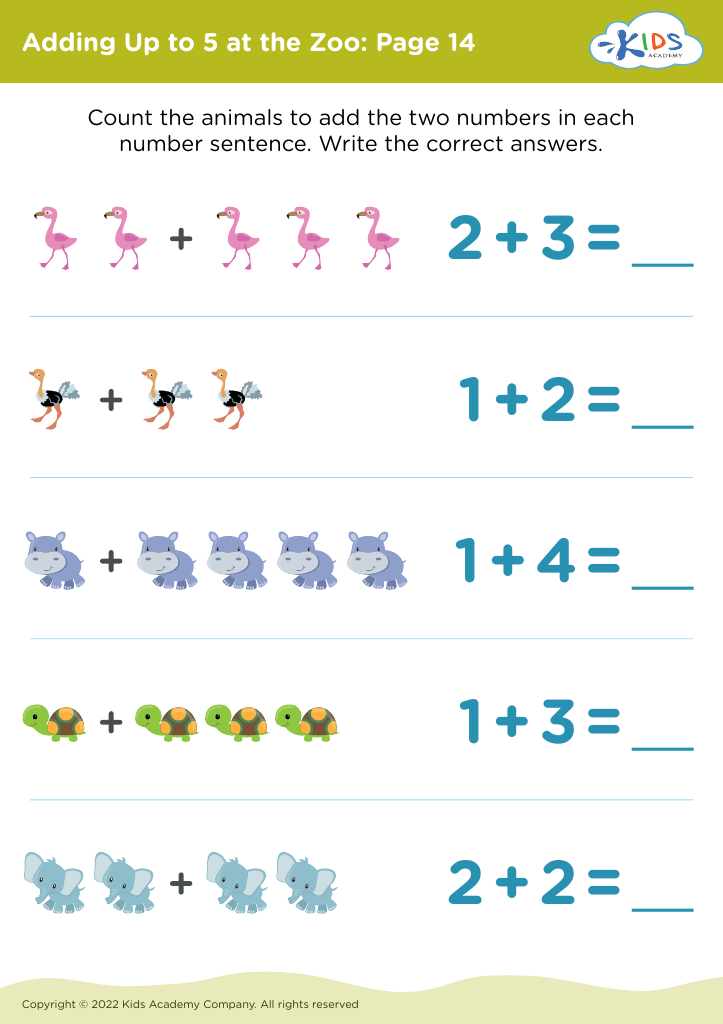
    Adding Up to 5 at the Zoo: Page 14
    Adding Up to 5 at the Zoo: Page 14
    Adding Up to 5 at the Zoo: Page 14
    Worksheet
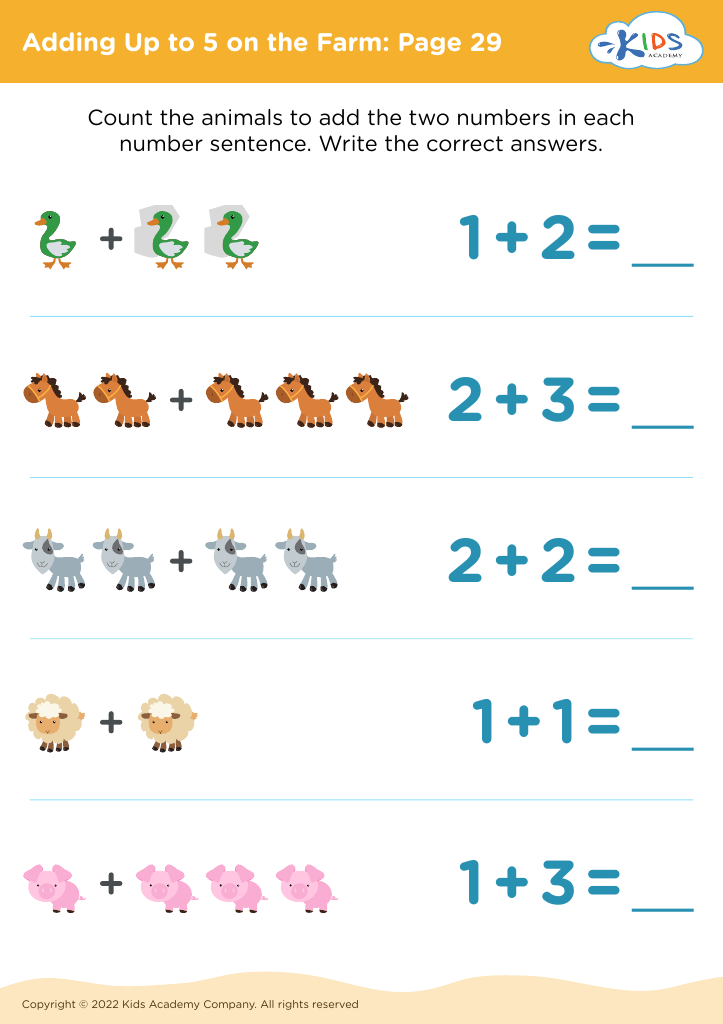
    Adding Up to 5 on the Farm: Page 29
    Adding Up to 5 on the Farm: Page 29
    Adding Up to 5 on the Farm: Page 29
    Worksheet
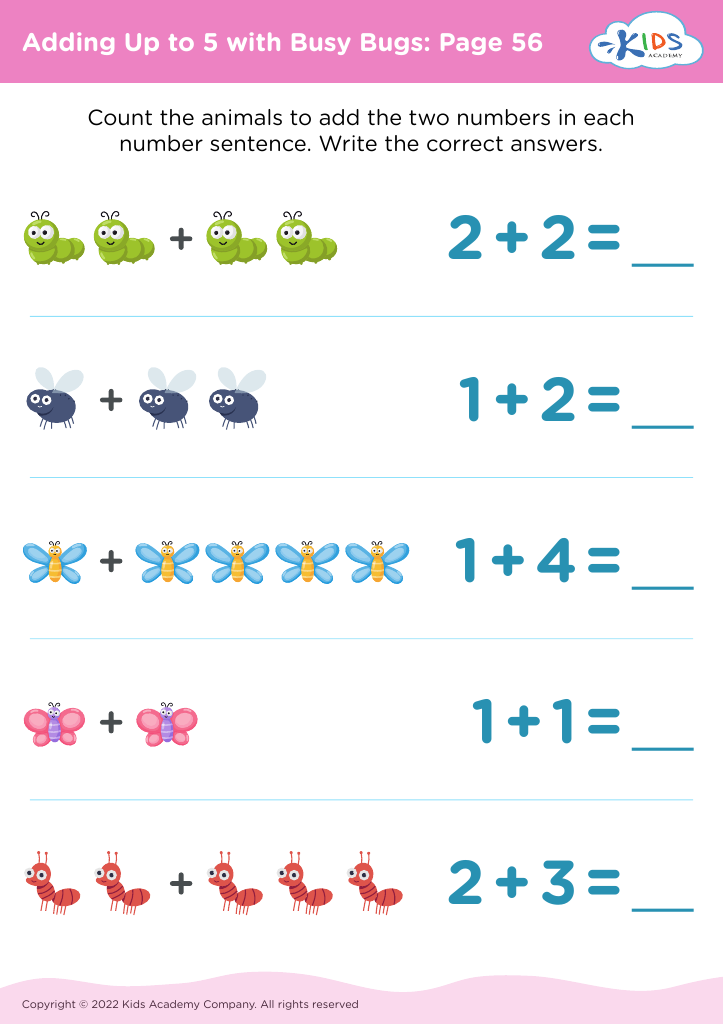
    Adding Up to 5 with Busy Bugs: Page 56
    Adding Up to 5 with Busy Bugs: Page 56
    Adding Up to 5 with Busy Bugs: Page 56
    Worksheet
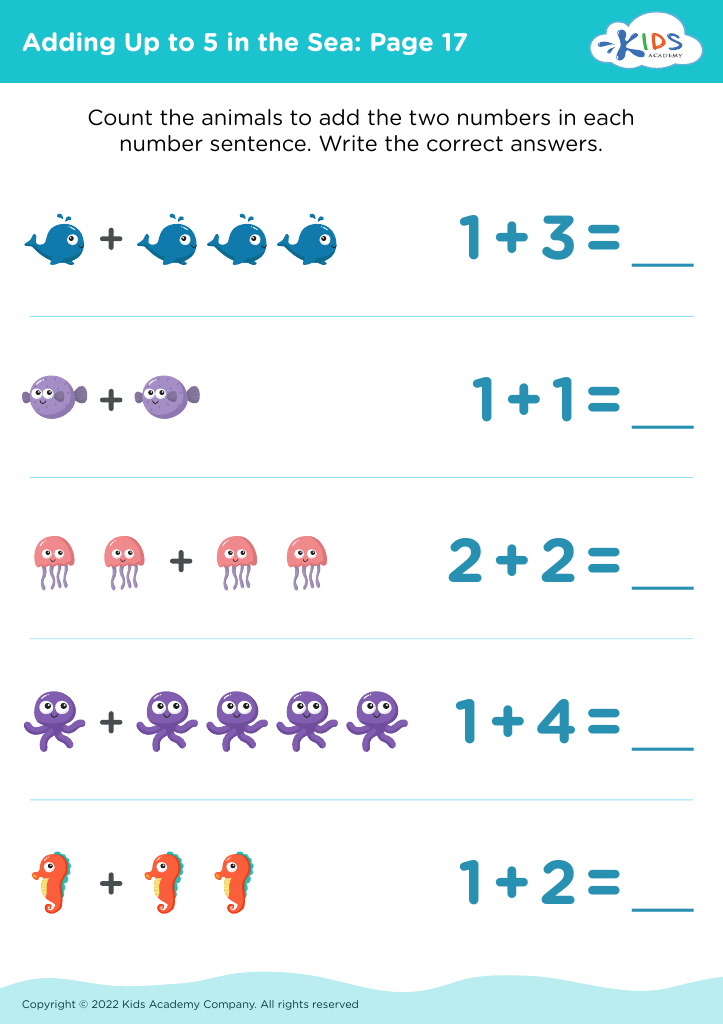
    Adding Up to 5 in the Sea: Page 17
    Adding Up to 5 in the Sea: Page 17
    Adding Up to 5 in the Sea: Page 17
    Worksheet
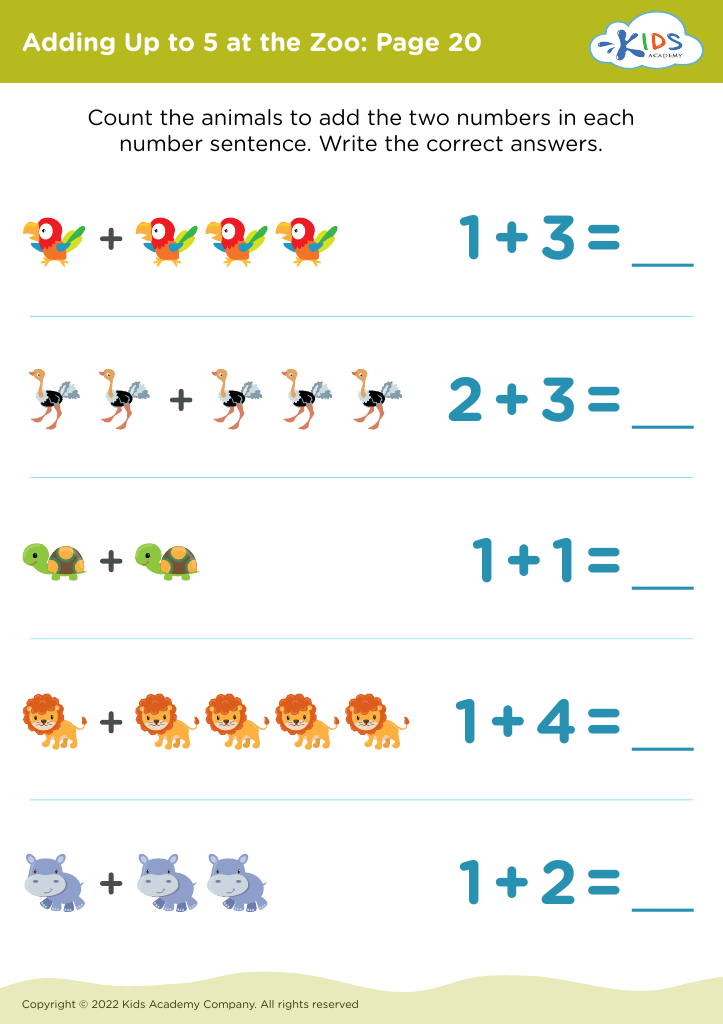
    Adding Up to 5 at the Zoo: Page 20
    Adding Up to 5 at the Zoo: Page 20
    Adding Up to 5 at the Zoo: Page 20
    Worksheet
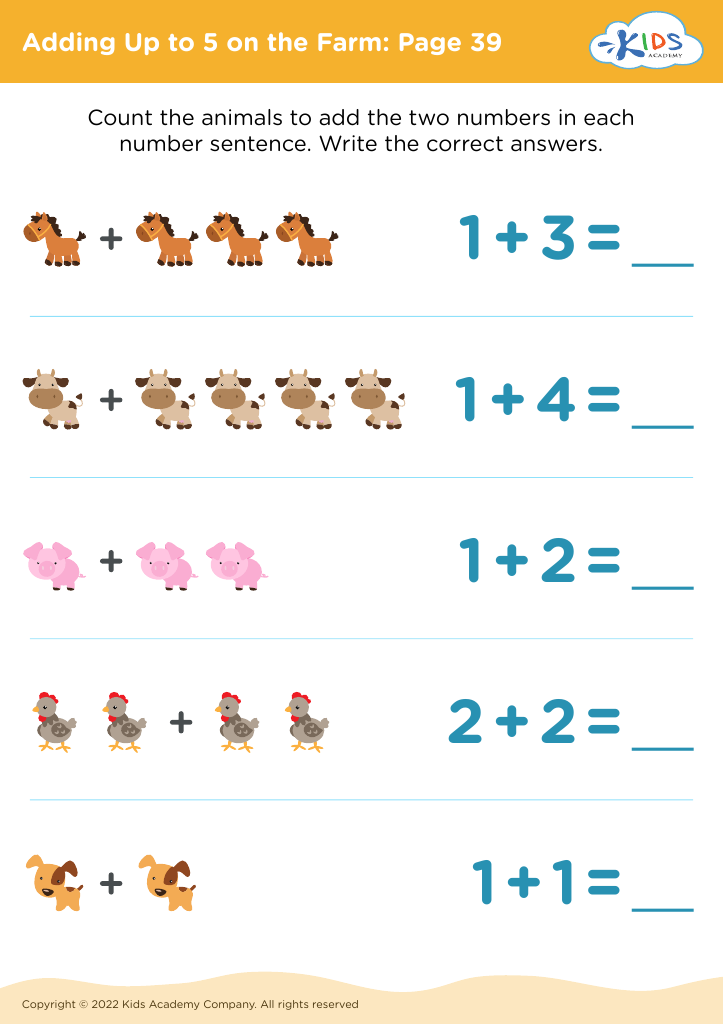
    Adding Up to 5 on the Farm: Page 39
    Adding Up to 5 on the Farm: Page 39
    Adding Up to 5 on the Farm: Page 39
    Worksheet
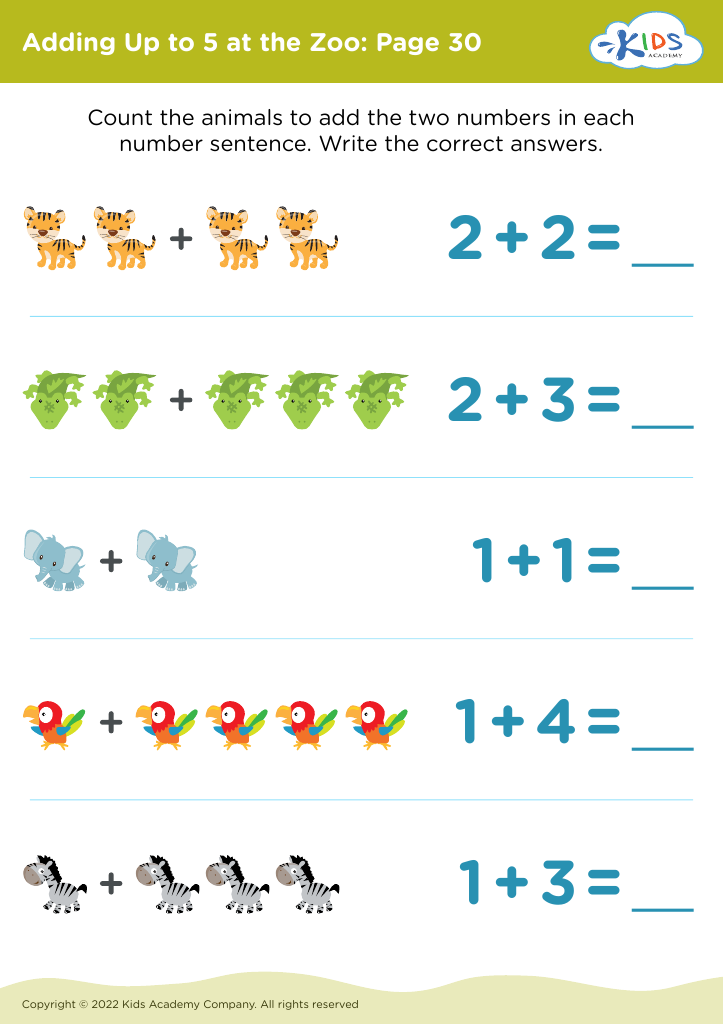
    Adding Up to 5 at the Zoo: Page 30
    Adding Up to 5 at the Zoo: Page 30
    Adding Up to 5 at the Zoo: Page 30
    Worksheet
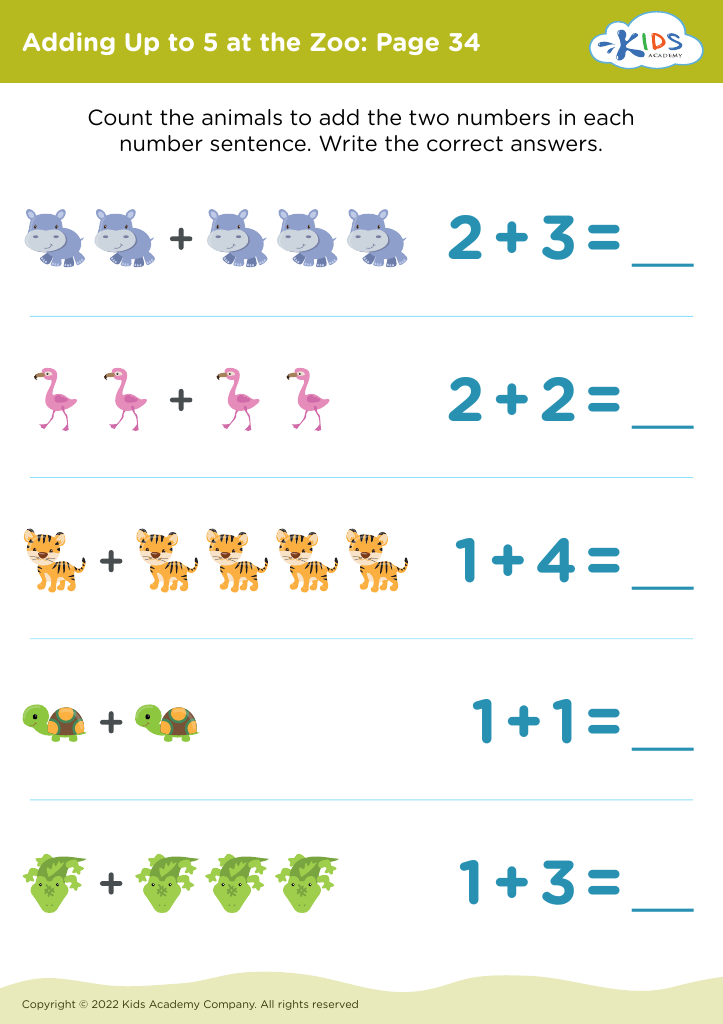
    Adding Up to 5 at the Zoo: Page 34
    Adding Up to 5 at the Zoo: Page 34
    Adding Up to 5 at the Zoo: Page 34
    Worksheet
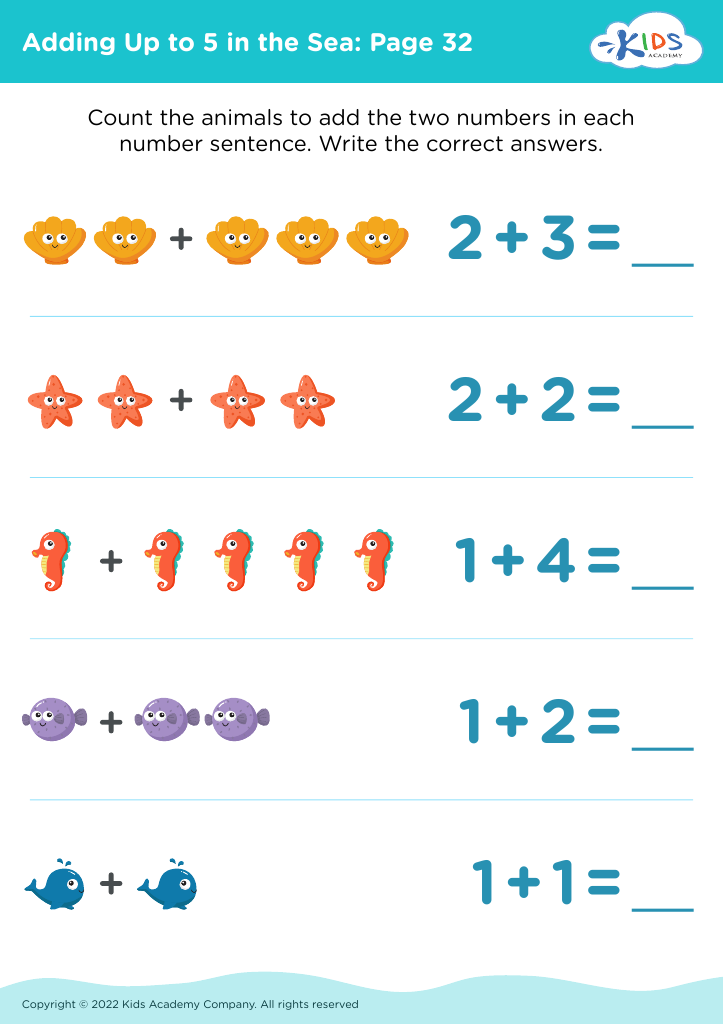
    Adding Up to 5 in the Sea: Page 32
    Adding Up to 5 in the Sea: Page 32
    Adding Up to 5 in the Sea: Page 32
    Worksheet
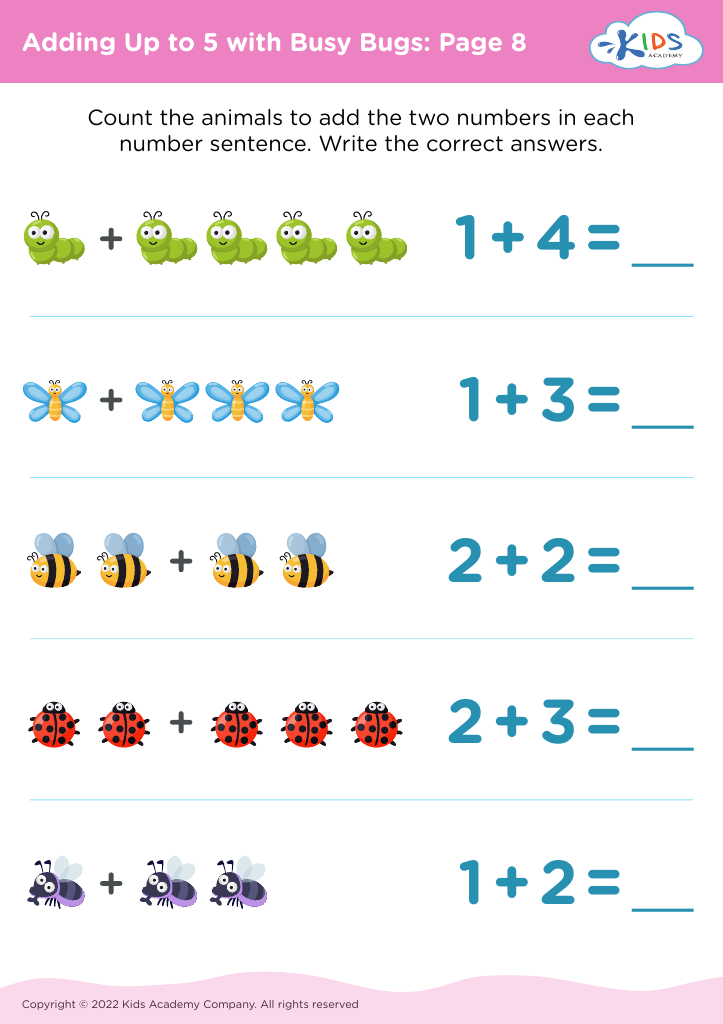
    Adding Up to 5 with Busy Bugs: Page 8
    Adding Up to 5 with Busy Bugs: Page 8
    Adding Up to 5 with Busy Bugs: Page 8
    Worksheet
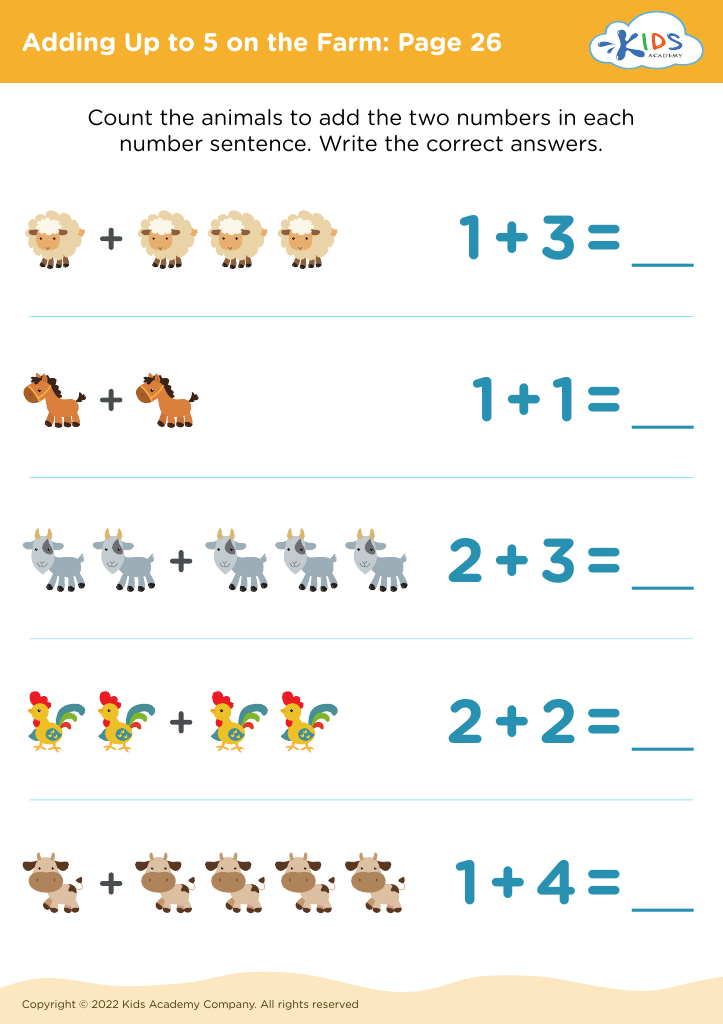
    Adding Up to 5 on the Farm: Page 26
    Adding Up to 5 on the Farm: Page 26
    Adding Up to 5 on the Farm: Page 26
    Worksheet
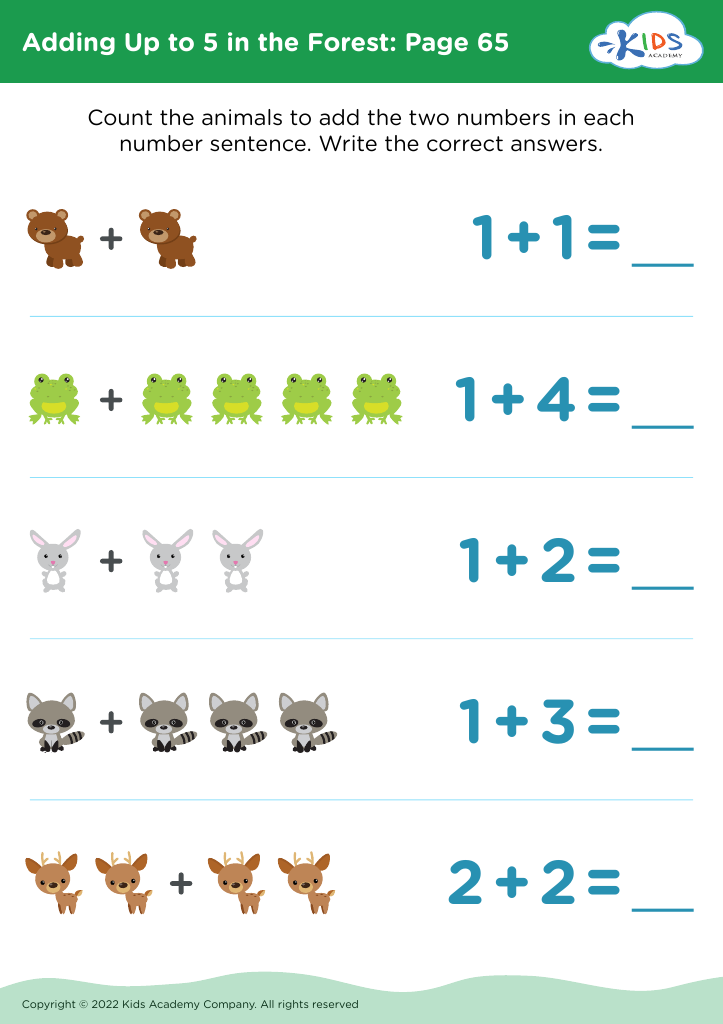
    Adding Up to 5 in the Forest: Page 65
    Adding Up to 5 in the Forest: Page 65
    Adding Up to 5 in the Forest: Page 65
    Worksheet
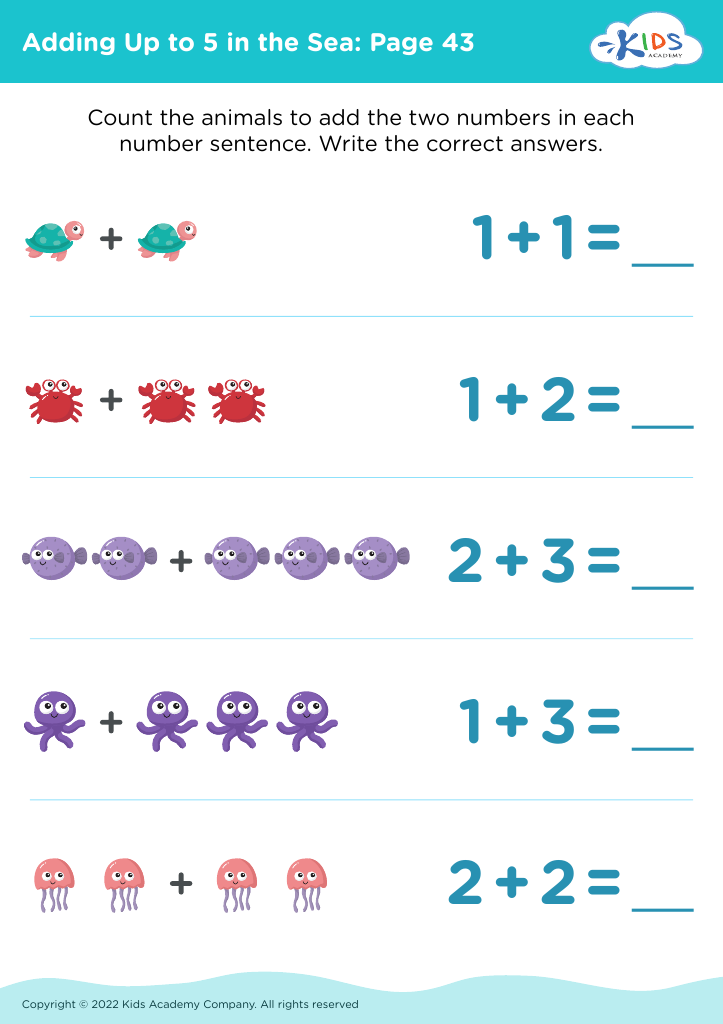
    Adding Up to 5 in the Sea: Page 43
    Adding Up to 5 in the Sea: Page 43
    Adding Up to 5 in the Sea: Page 43
    Worksheet
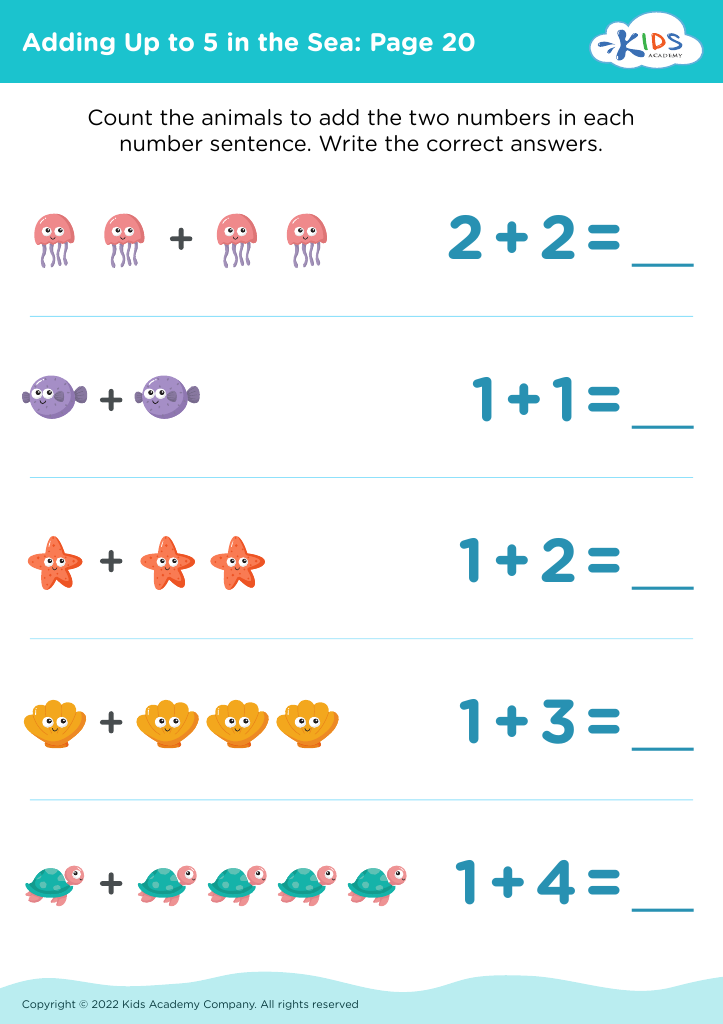
    Adding Up to 5 in the Sea: Page 20
    Adding Up to 5 in the Sea: Page 20
    Adding Up to 5 in the Sea: Page 20
    Worksheet
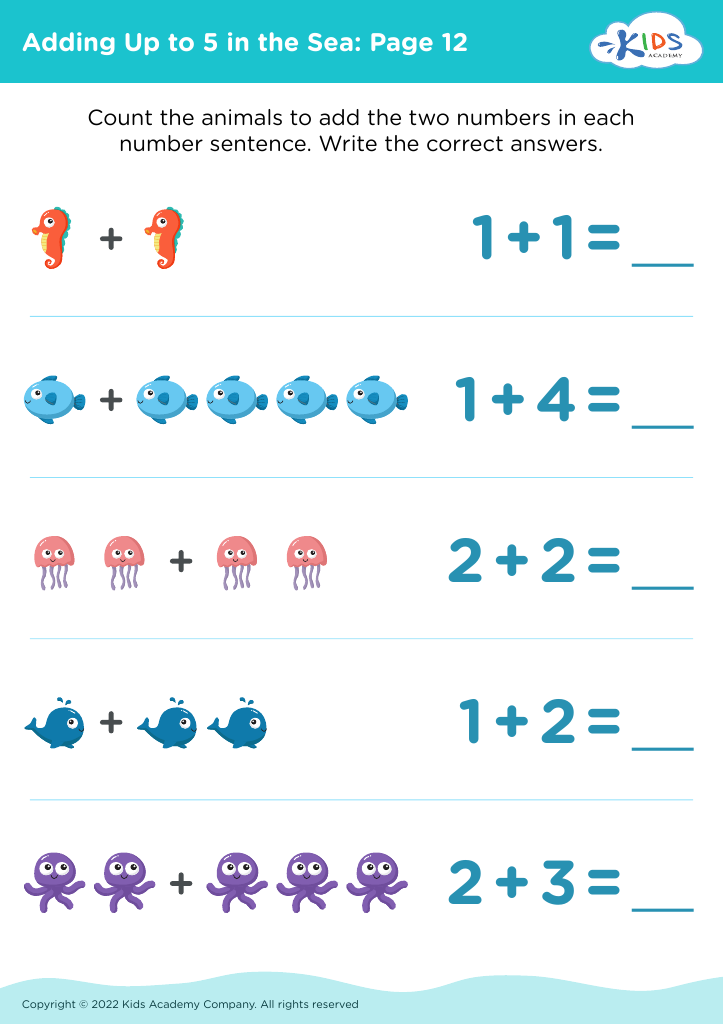
    Adding Up to 5 in the Sea: Page 12
    Adding Up to 5 in the Sea: Page 12
    Adding Up to 5 in the Sea: Page 12
    Worksheet


    Parents and teachers should prioritize number recognition and simple addition for children ages 4-9 because these skills form the foundation for later mathematical understanding and overall cognitive development. Recognizing numbers is crucial for young learners as it helps them identify quantities and understand their value, which is essential for everyday activities such as counting objects, handling money, and understanding time.

    Adding up to 5 introduces children to the concept of combining quantities, promoting critical thinking and problem-solving skills. Mastering these basic addition skills bolsters confidence in mathematics and encourages a positive attitude towards learning numbers, paving the way for more complex math concepts later on.

    Moreover, number recognition and addition skills promote early literacy, enhance memory retention, and stimulate analytical thinking. Engaging activities in this area not only improve math skills but also foster a sense of accomplishment in children, which is vital for their emotional development.

    Additionally, parents and teachers can utilize fun games and interactive activities to make learning enjoyable, creating a supportive learning environment that reinforces these essential skills. Ultimately, a strong foundation in number recognition and basic addition cultivates lifelong learners equipped with the essential skills needed in an increasingly numerate world.