Basic Math Skills Addition & Subtraction Worksheets for Ages 4-9 - Page 3
97 filtered results
-
From - To
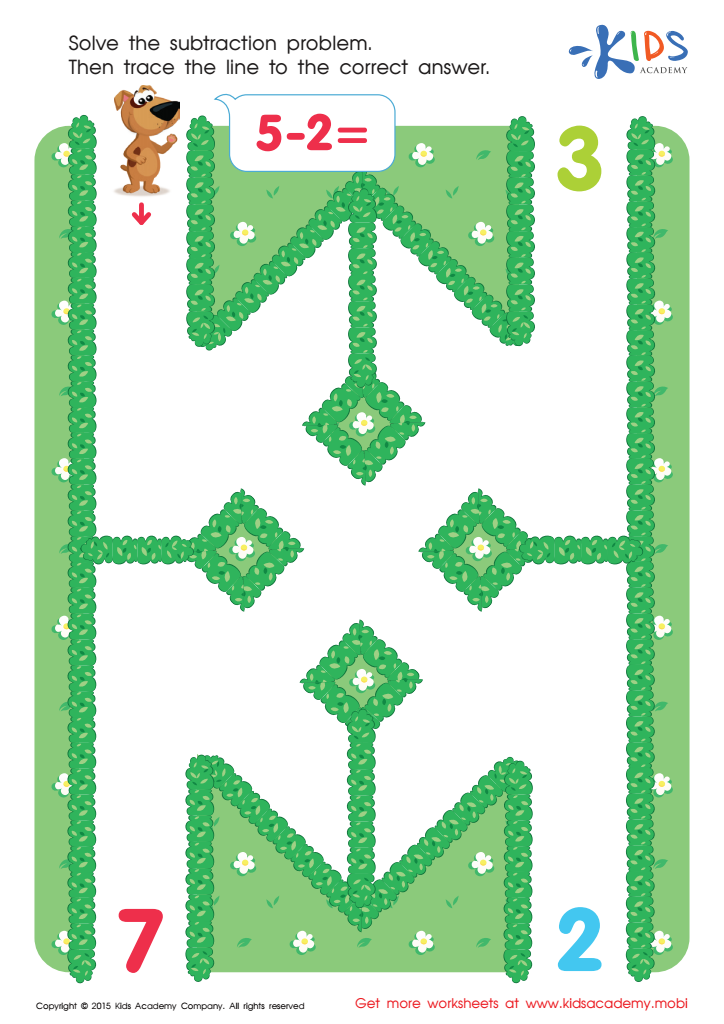
Five Minus Two Worksheet
 Assign to My Students
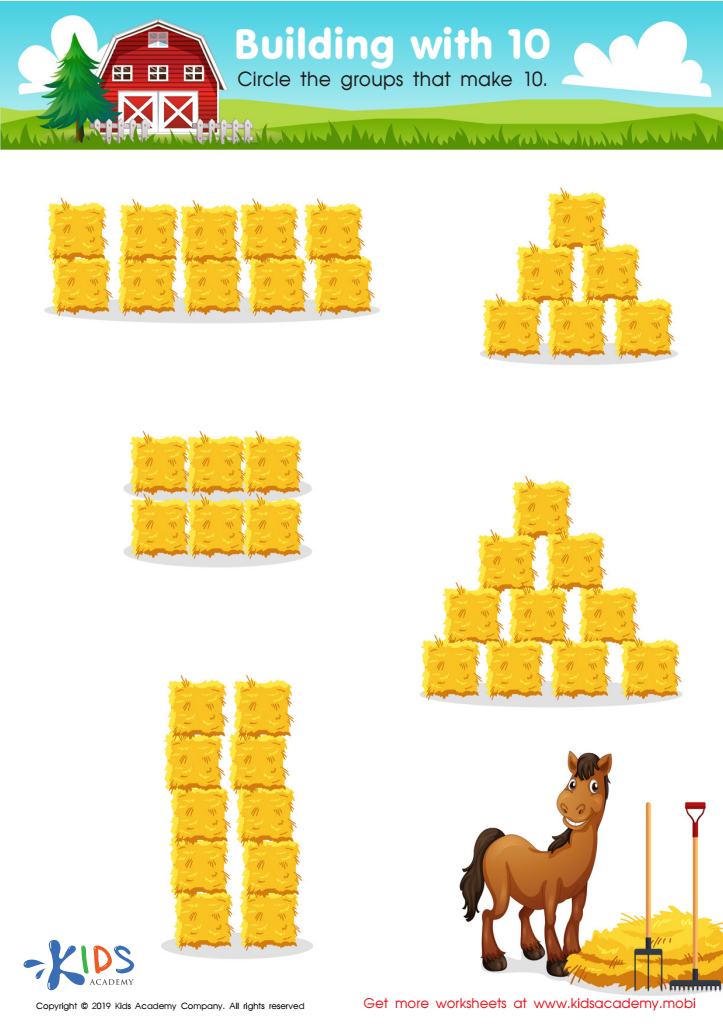
Building with 10 Worksheet
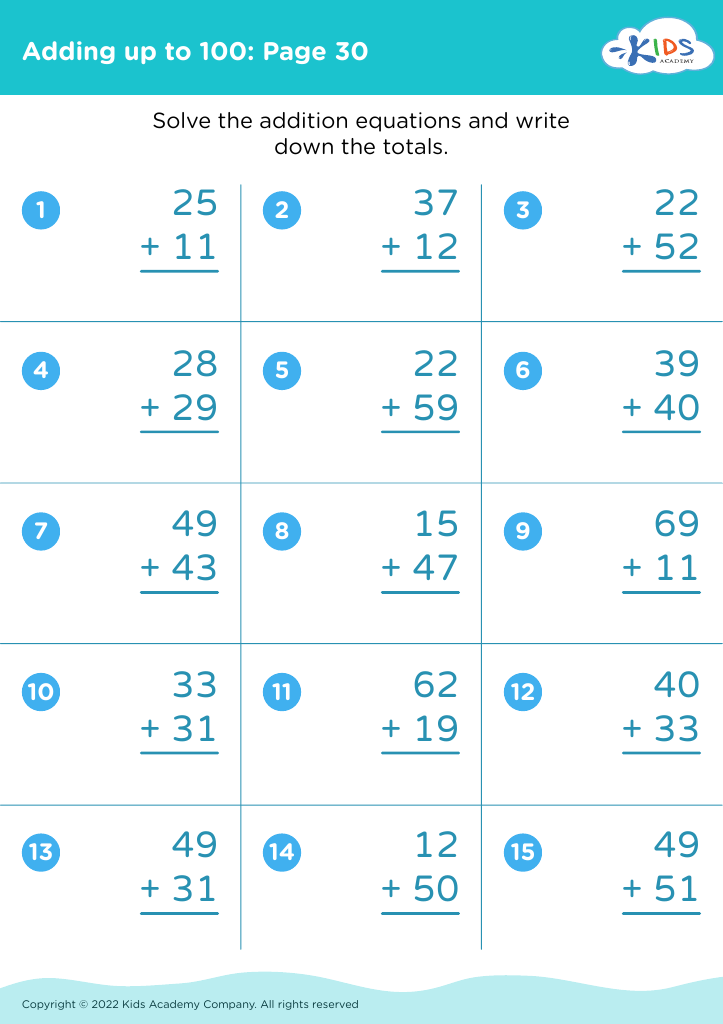
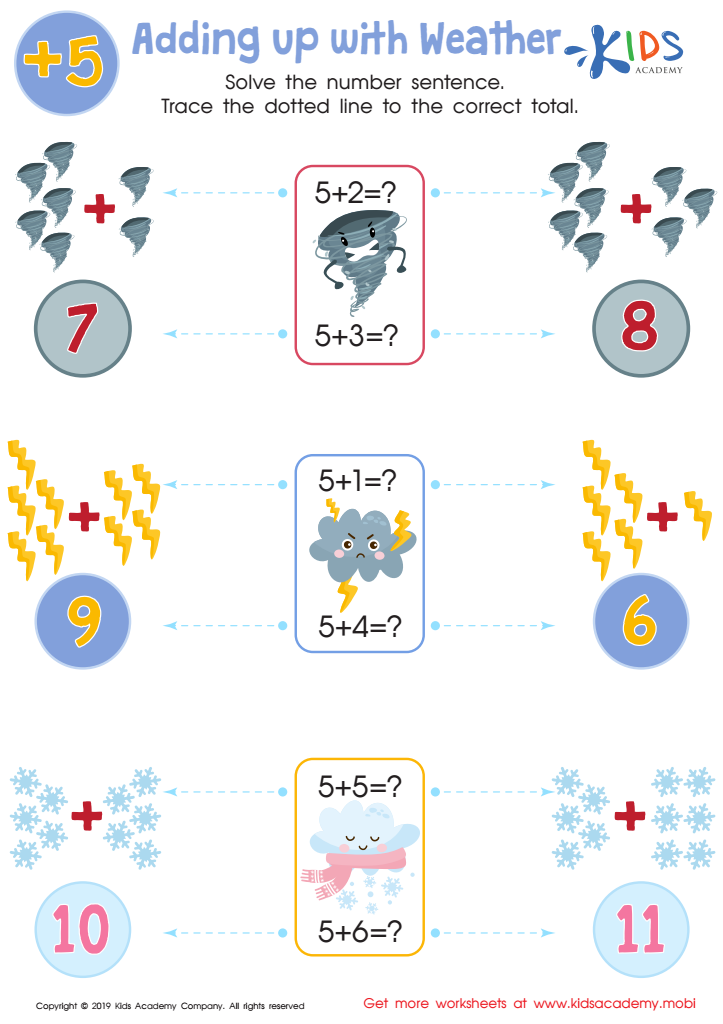
Adding up With Water Worksheet
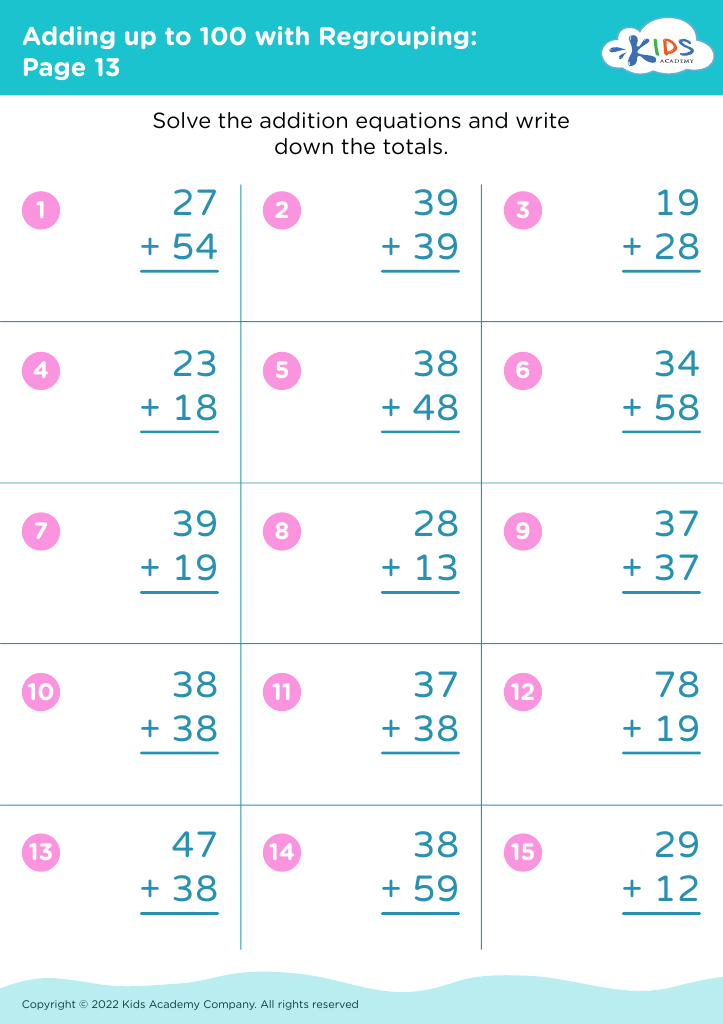
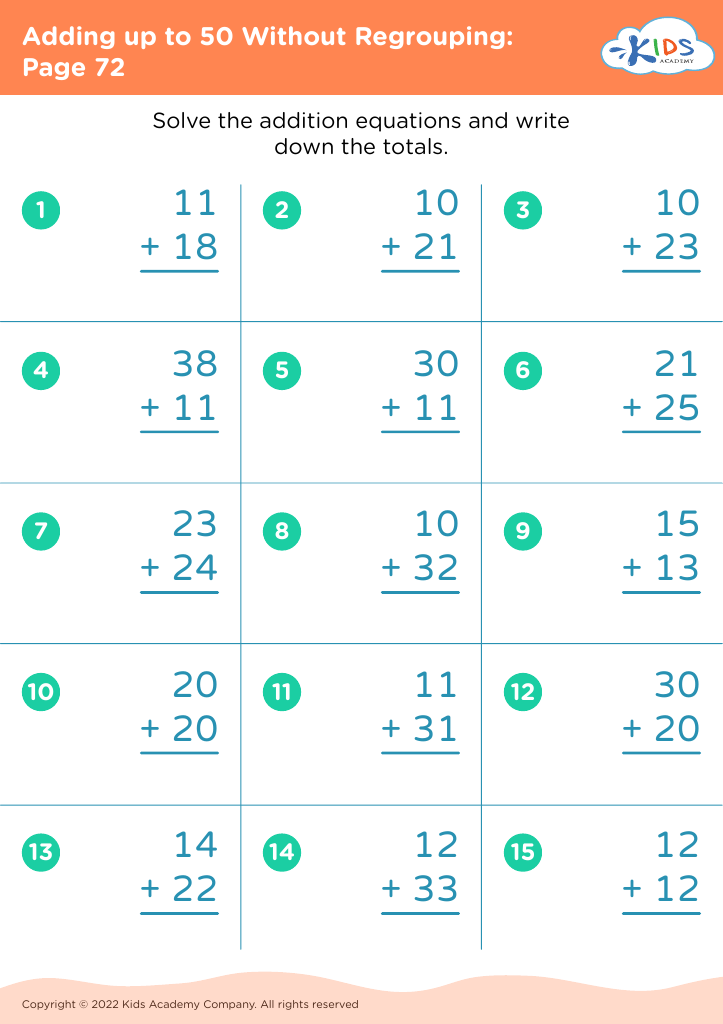
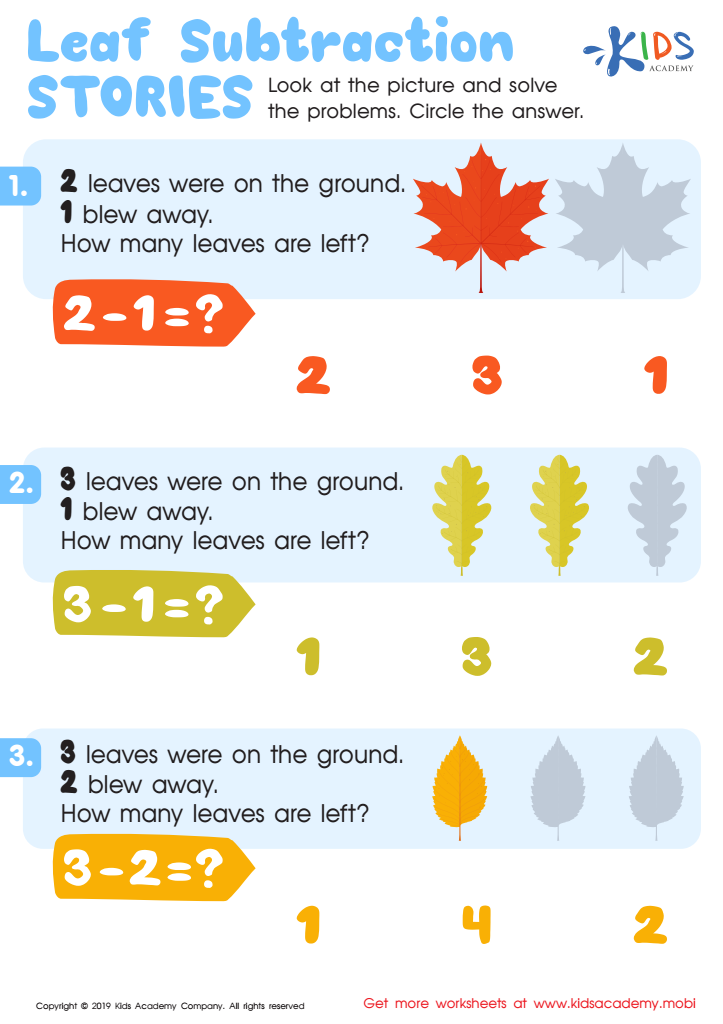
Leaf Subtraction Stories Worksheet
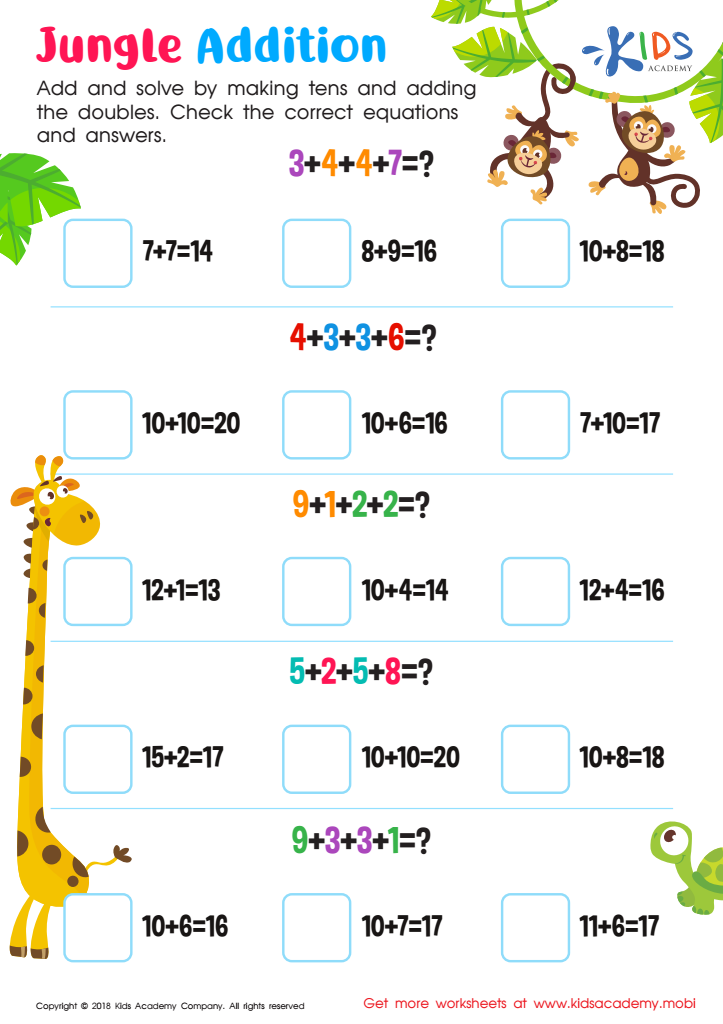
Jungle Addition Worksheet
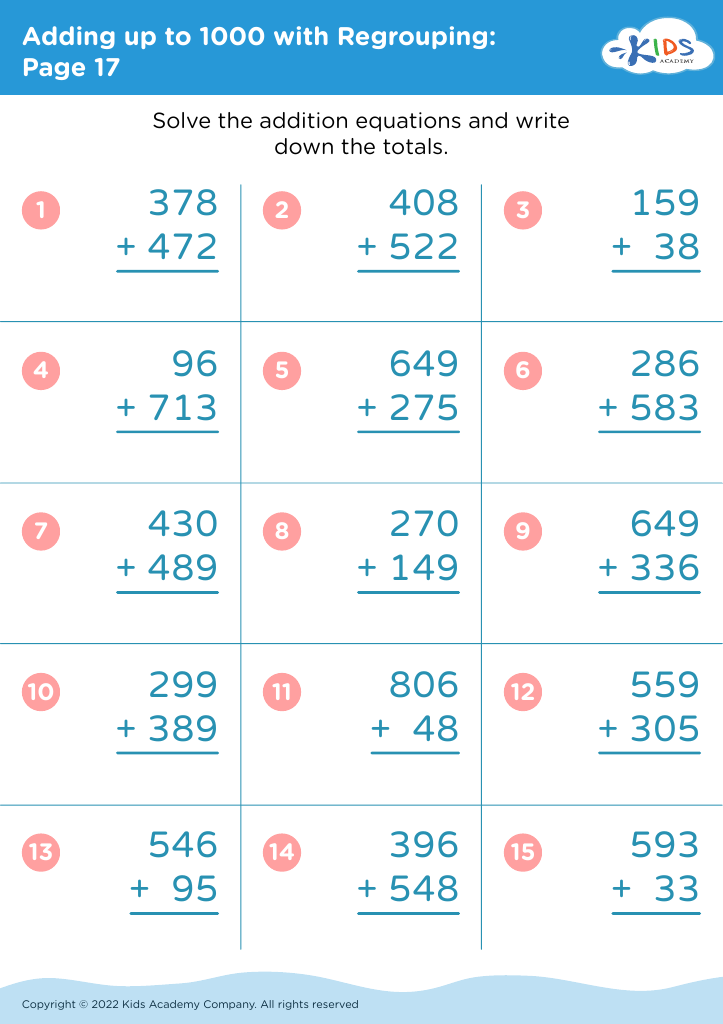
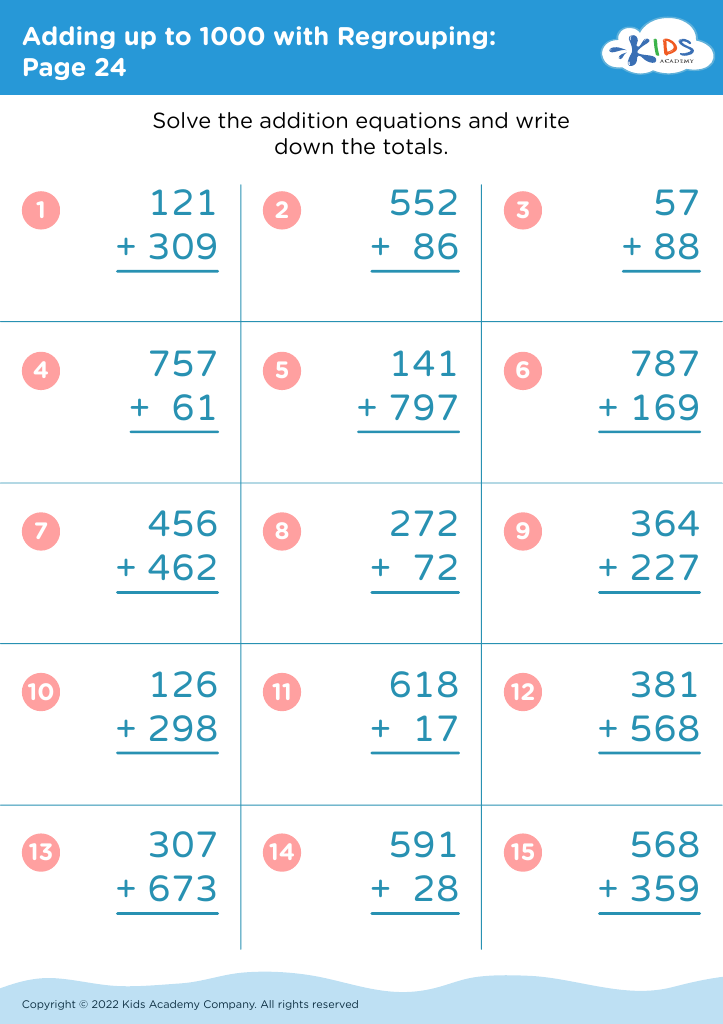
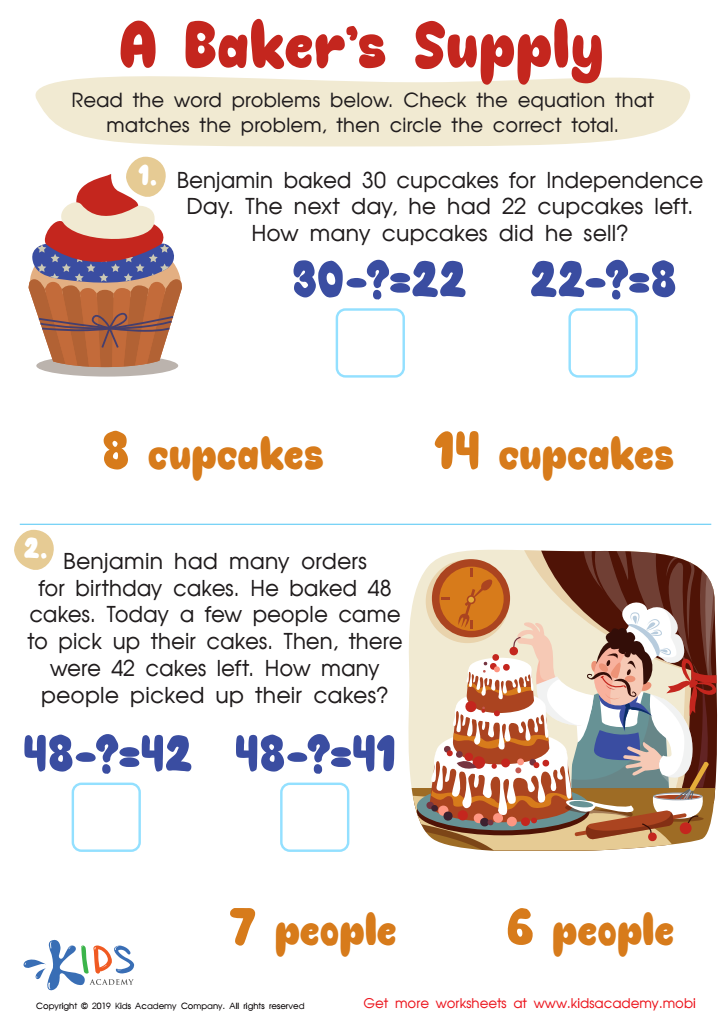
A Baker's Supply Worksheet
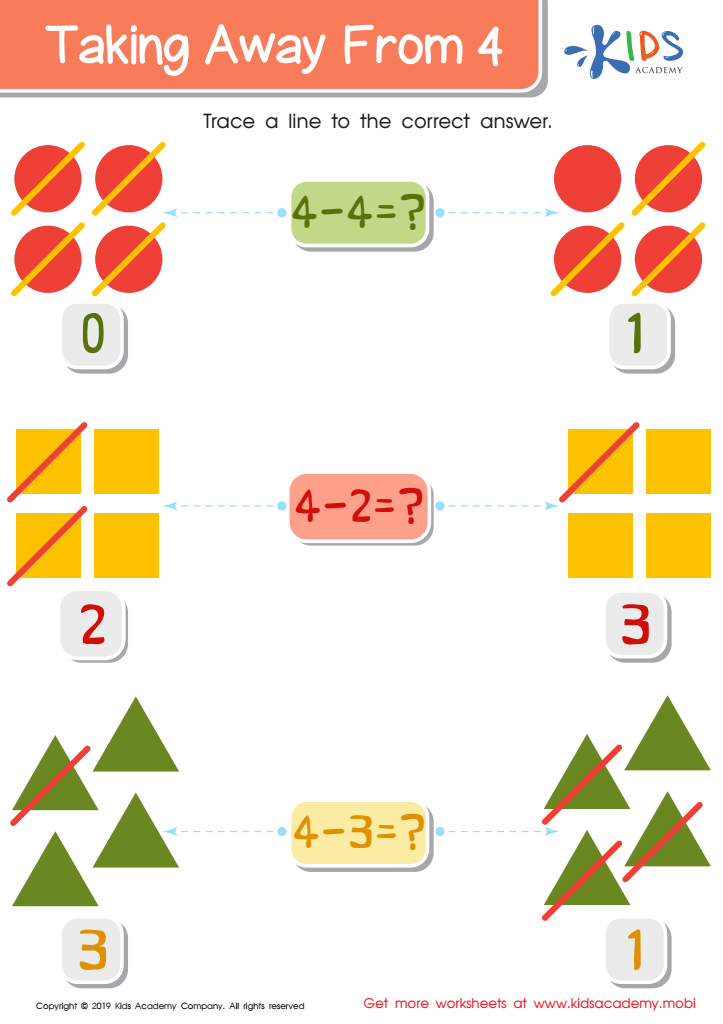
Taking Away from 4 Worksheet
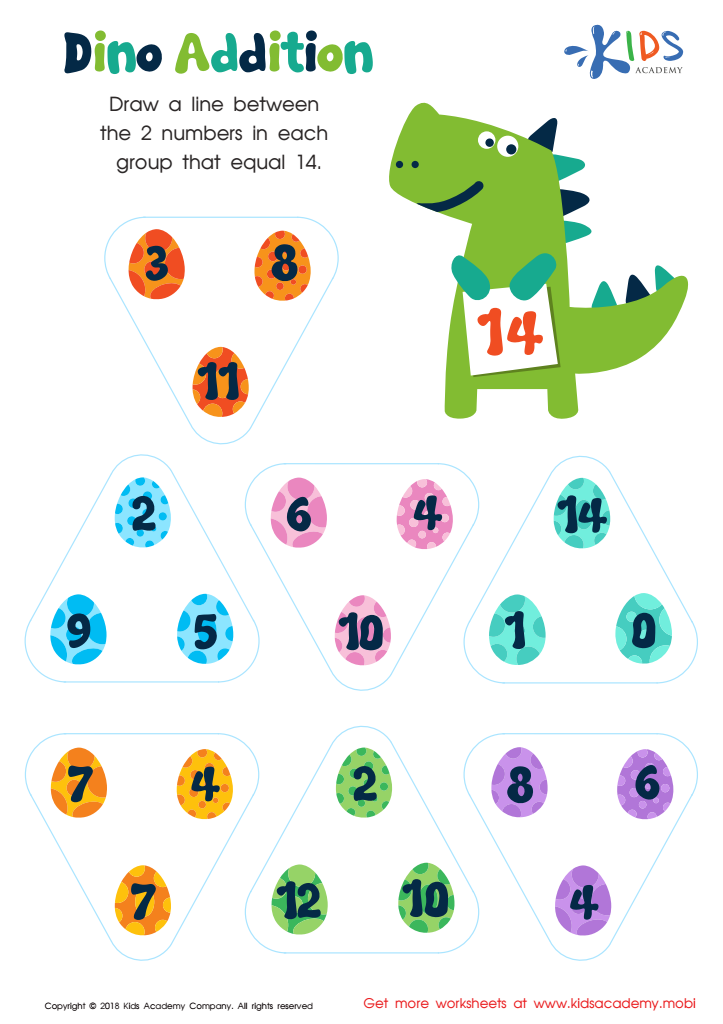
Dino Addition Worksheet
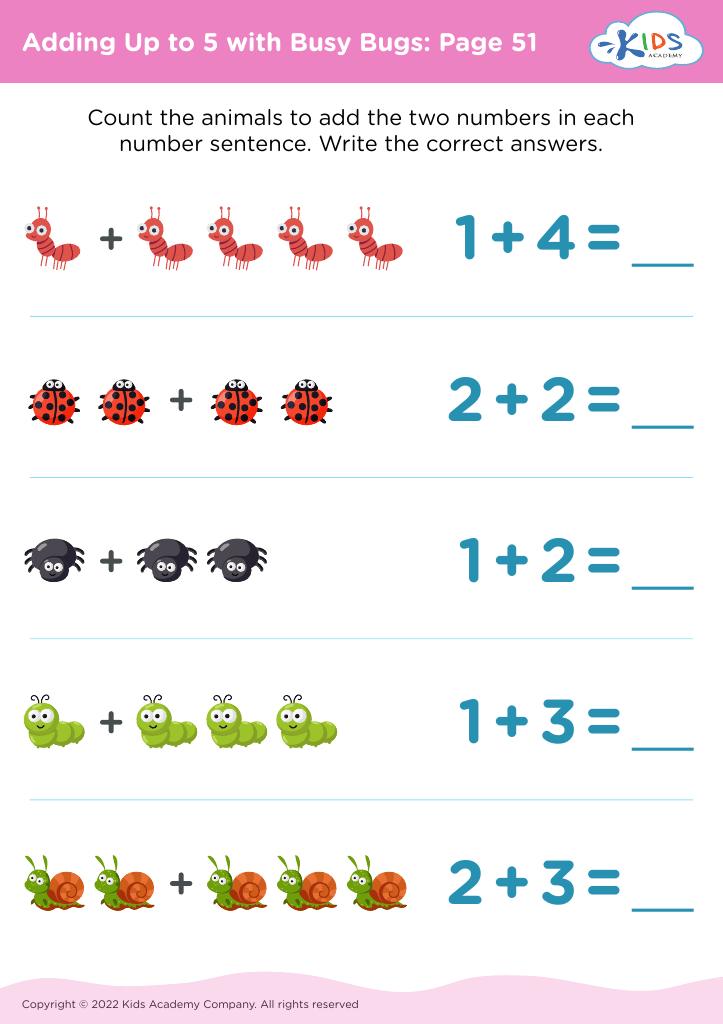
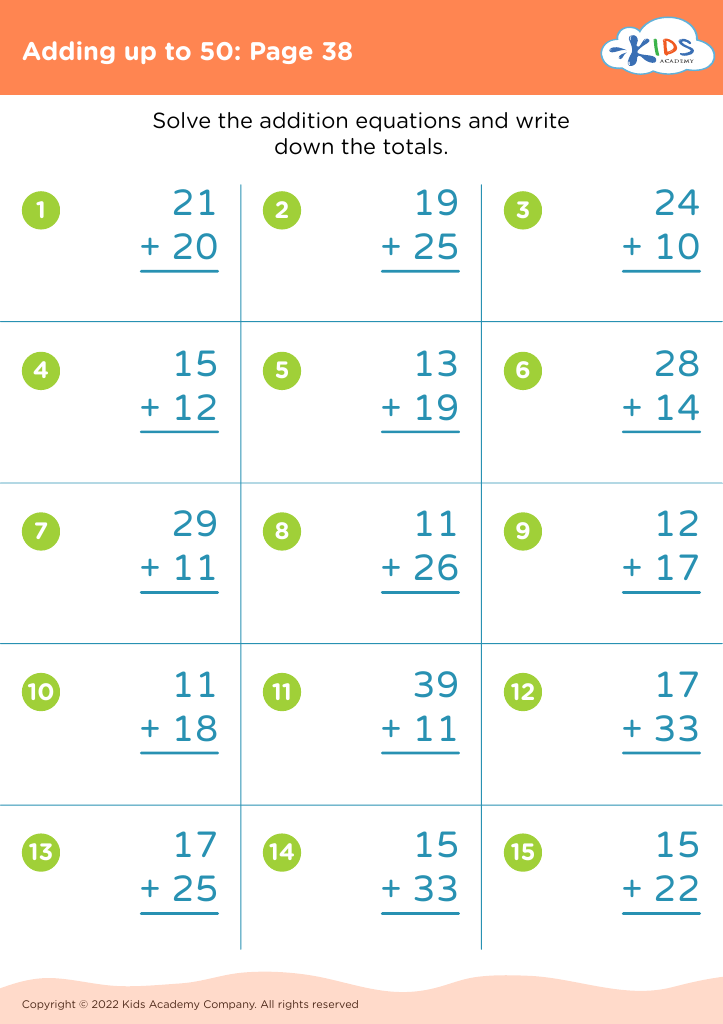
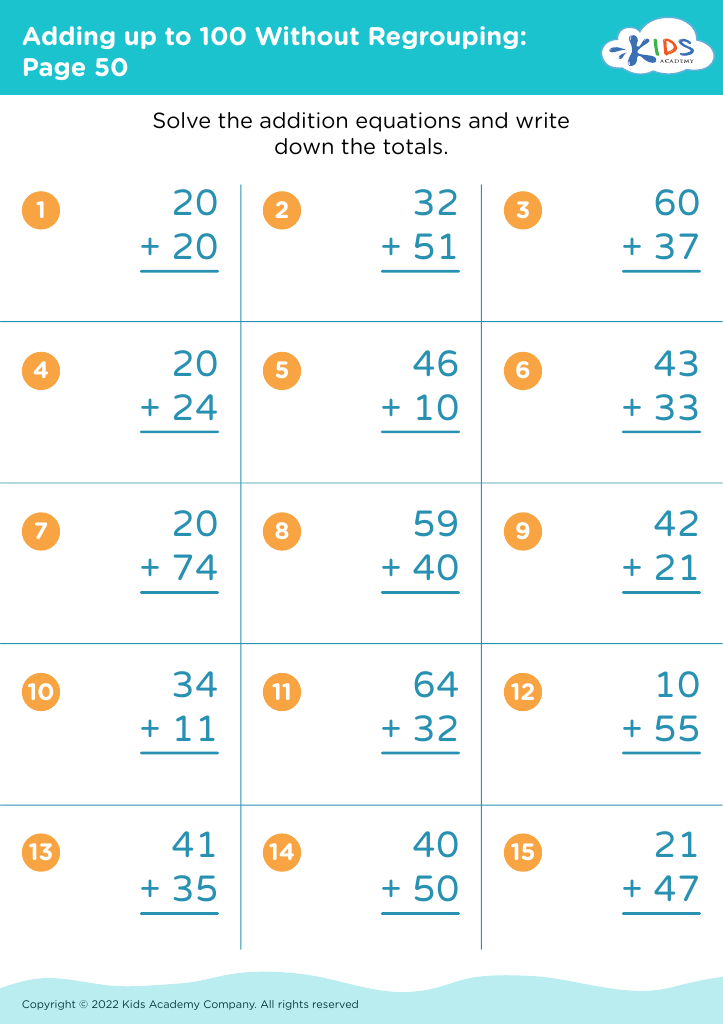
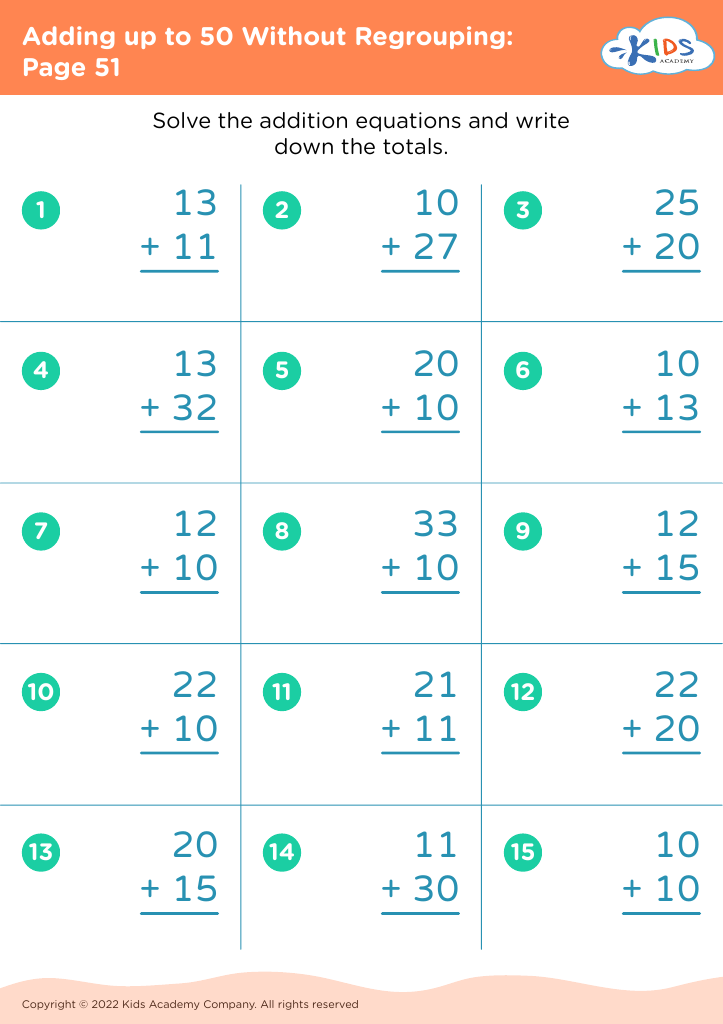








Basic math skills, particularly addition and subtraction, are foundational building blocks for a child's academic development and overall problem-solving abilities. For children aged 4-9, these skills are not just about numeric operations but also about fostering critical cognitive processes.
First, mastering addition and subtraction at an early age builds a sense of numerical literacy. Children who are comfortable with these basic operations find it easier to delve into more complex mathematical concepts, including multiplication, division, fractions, and algebra. This early proficiency imparts confidence, making subsequent learning experiences more positive and less intimidating.
Second, these basic math skills activate and enhance a child's logical thinking and analytical abilities. Understanding how numbers work together and recognizing patterns can improve problem-solving skills, a critical component in both academic and real-life contexts.
Additionally, early math skills are strongly correlated with longer-term educational outcomes. Research shows that early math proficiency can predict higher academic achievement and greater chances of success in later schooling.
Finally, the ability to perform simple calculation tasks equips children with practical life skills. Being able to count, add, and subtract is essential for managing daily activities, such as making purchases or measuring ingredients. Therefore, parents and teachers should consider investment in these fundamental skills an essential part of a child's early development.








