
Fine motor skills (drawing lines) Addition & Subtraction Worksheets for Ages 4-9
3 filtered results
Difficulty Level
Grade
Age
-
From - To
Subject
Activity
Standards
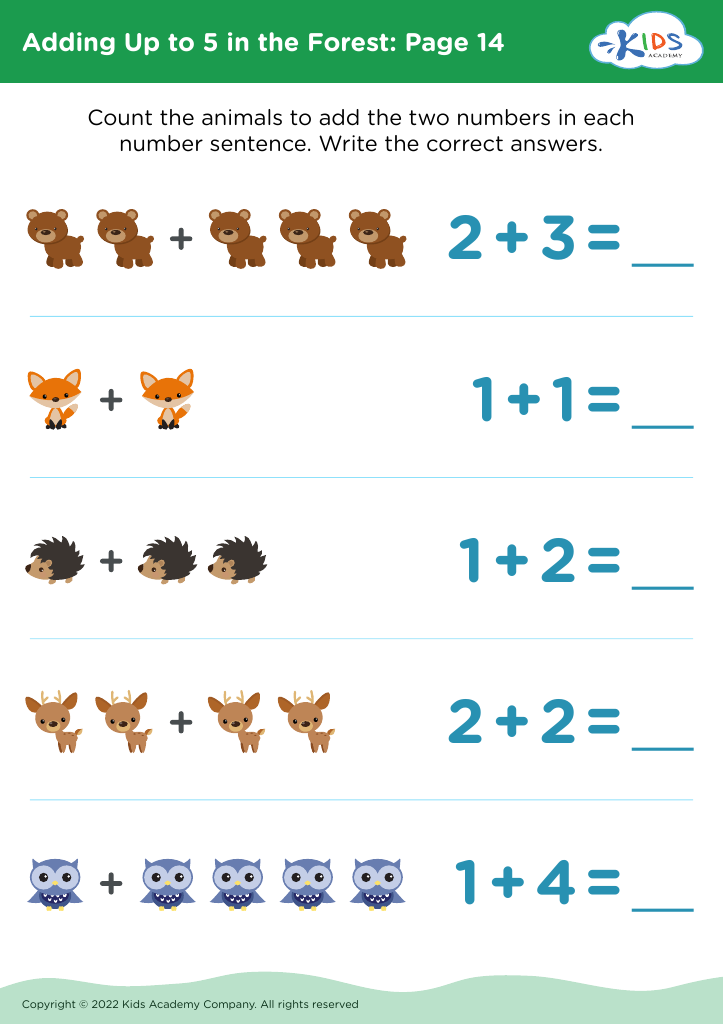
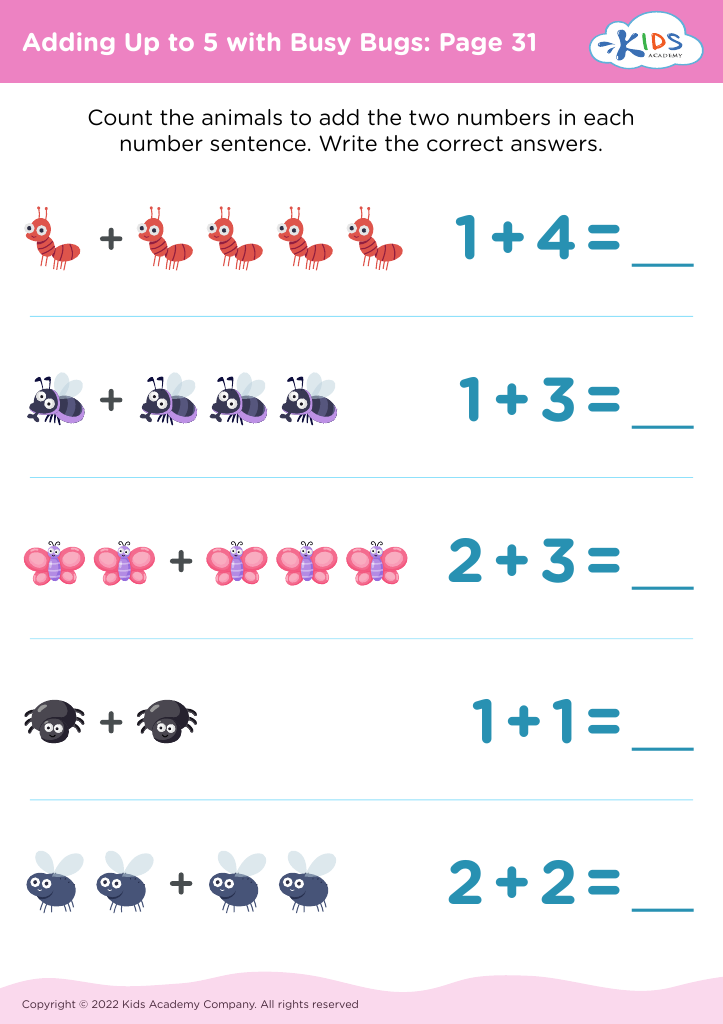
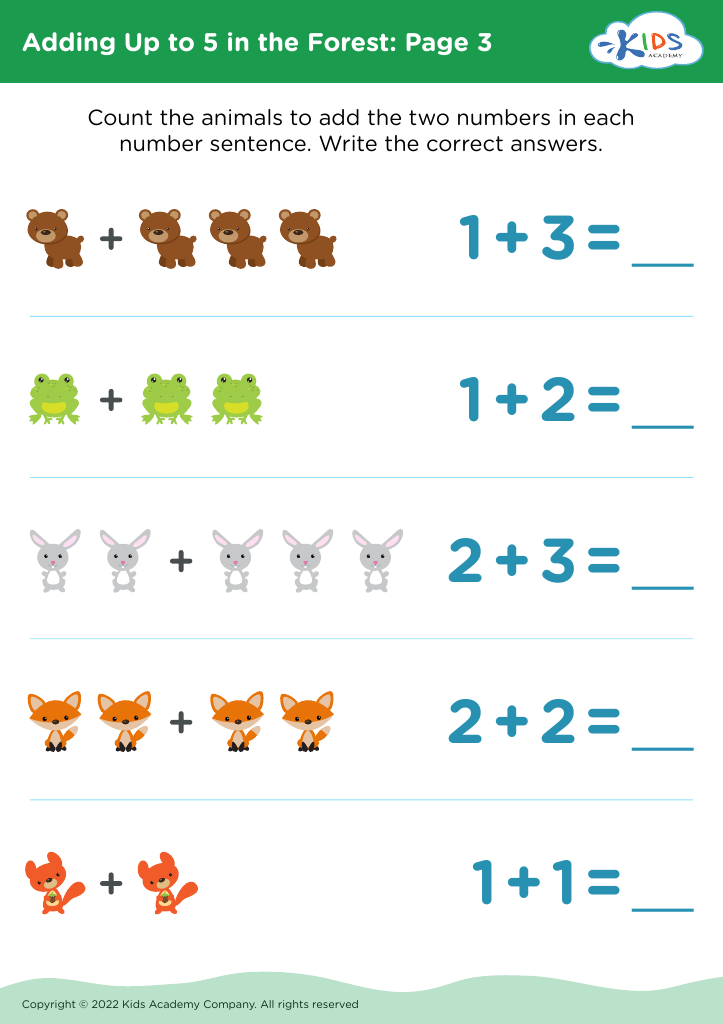
Discover engaging Fine Motor Skills worksheets designed for children ages 4-9 that combine the fun of drawing lines with essential addition and subtraction skills! Our worksheets help young learners enhance their fine motor abilities while mastering basic math concepts. Each worksheet features interactive line-drawing activities that promote hand-eye coordination, pencil grip, and stroke control. Perfect for classroom or home learning, these resources provide a creative approach to math education. Help your child build confidence and dexterity with our thoughtfully crafted tasks that splendidly blend fine motor skill development and foundational arithmetic practice. Unlock a world of learning and creativity today!
Favorites
With answer key
Interactive
Join Kids Academy for Free
Who is primarily going to use this learning content?








Fine motor skills, particularly activities like drawing lines, play a crucial role in the development of children aged 4-9. These skills not only form the foundation for handwriting but also enhance a child’s overall cognitive abilities, independence, and self-confidence. By engaging in practices that promote fine motor skills, such as drawing lines, children learn the precision needed for more complex tasks like writing, grasping small objects, and eventually using tools effectively.
Additionally, math skills, including addition and subtraction, are critical in early childhood education. As children manipulate objects, use number lines, or draw to represent numbers visually, they practice their fine motor skills while developing a foundational understanding of mathematical concepts. Engaging in these activities fosters mental agility and problem-solving abilities, equipping them with the tools necessary to tackle more advanced math in the future.
Furthermore, parents and teachers who emphasize these skills can lead to enhanced focus and patience in children. Fostering an environment where fine motor skills and basic math operations are integrated helps cultivate a love for learning from a young age. This holistic approach not only guides academic achievements but also reinforces essential life skills, preparing children for continued growth in school and beyond.








