Fine motor skills (writing) Addition & Subtraction Worksheets for Ages 4-9 - Page 2
40 filtered results
-
From - To
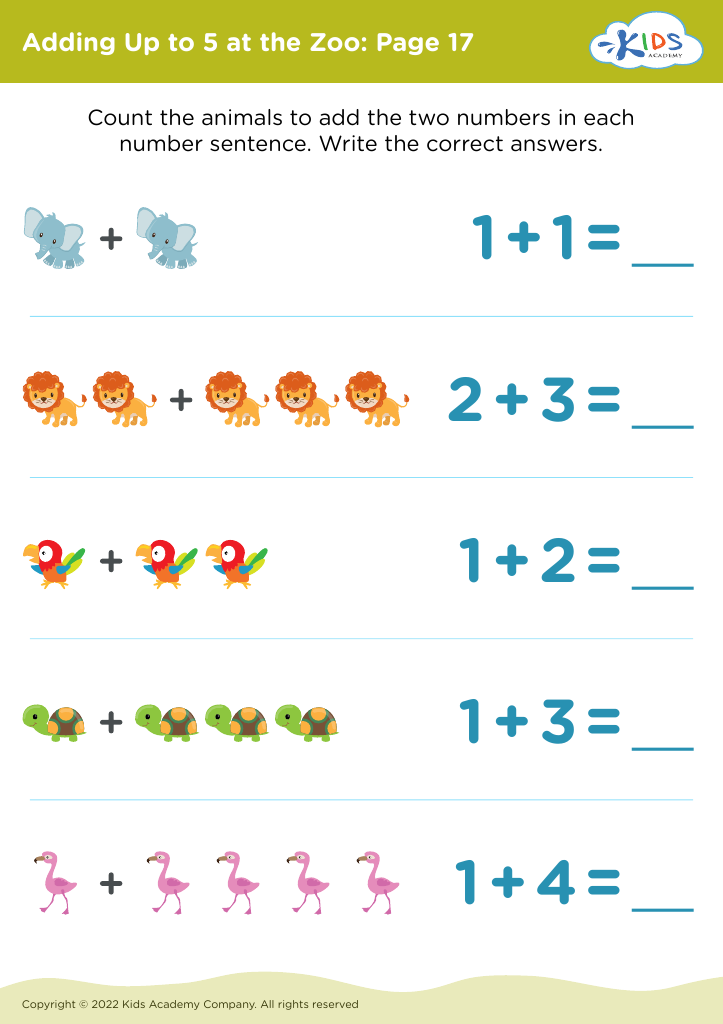
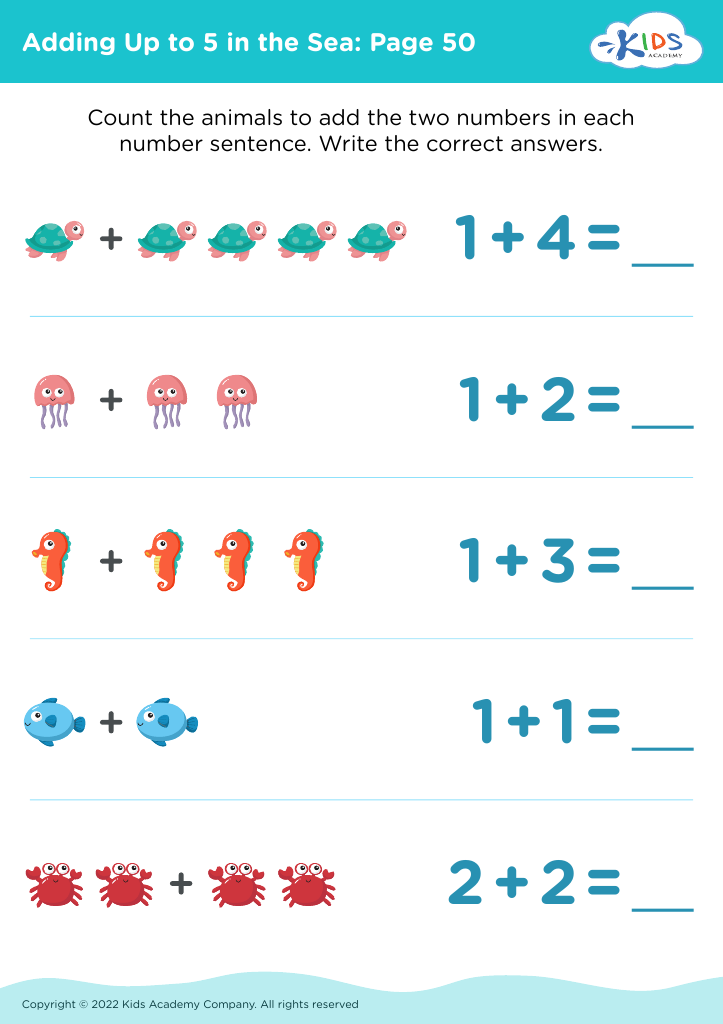
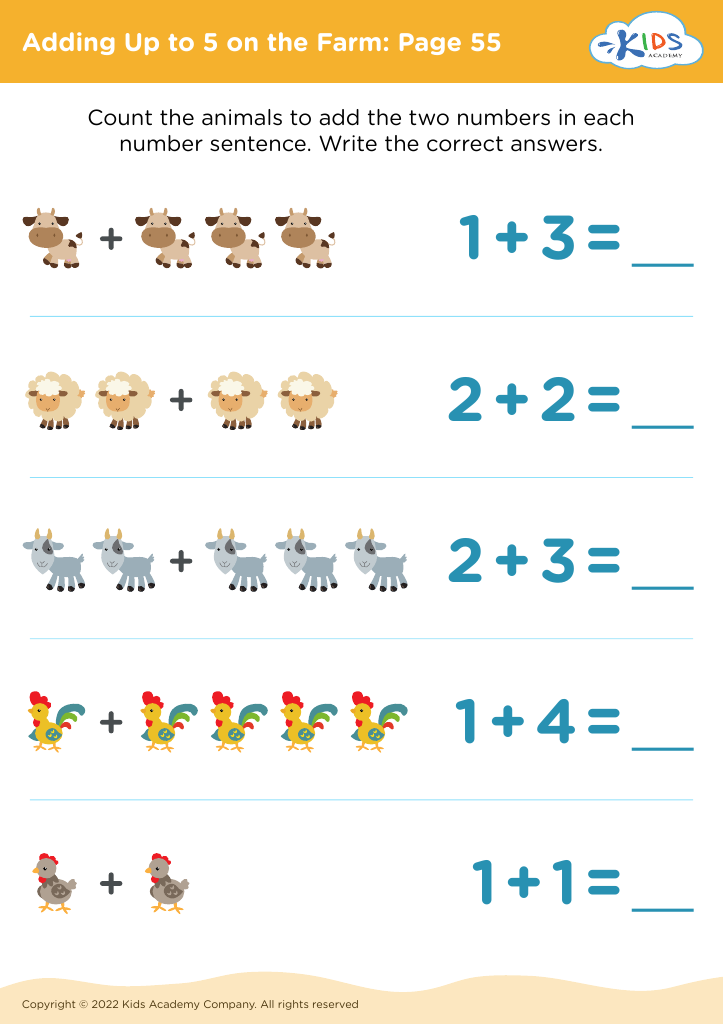
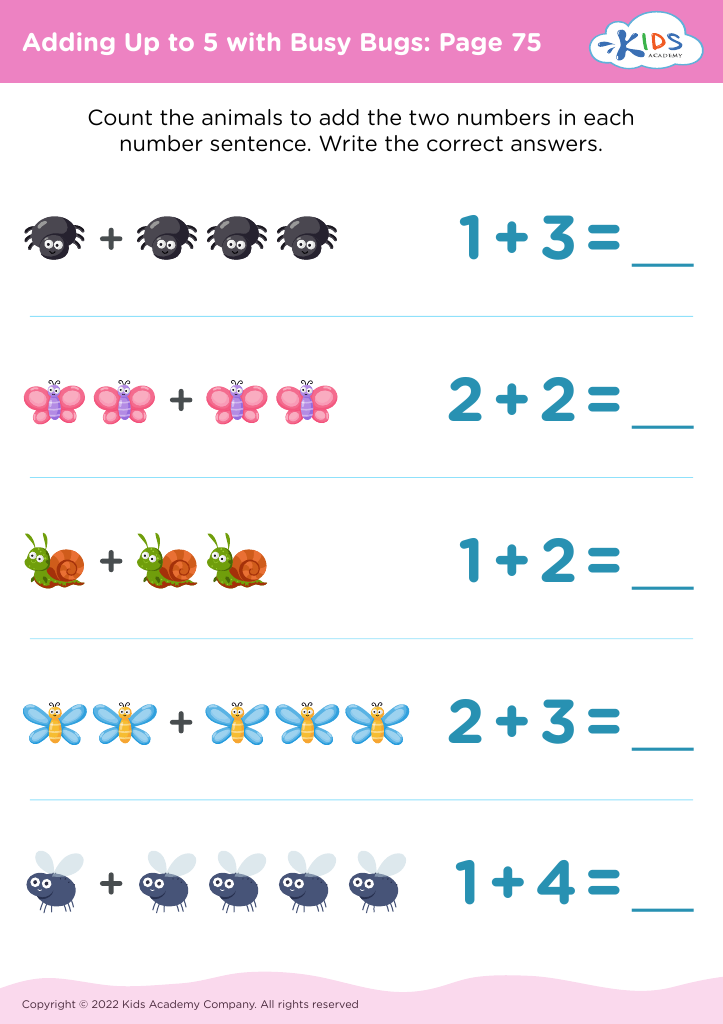
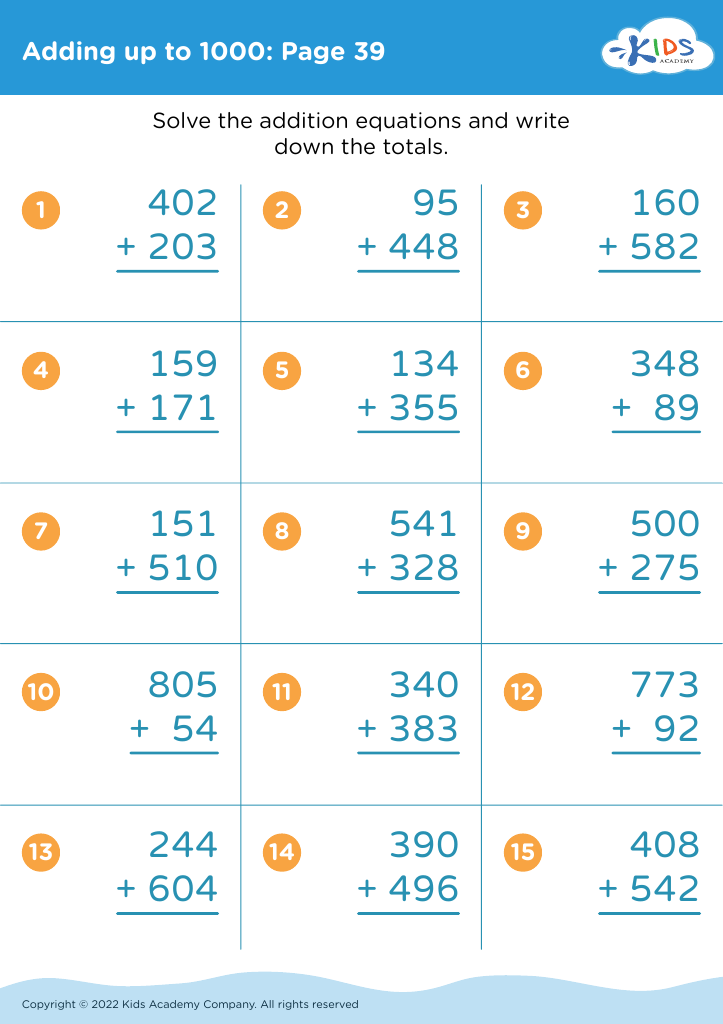
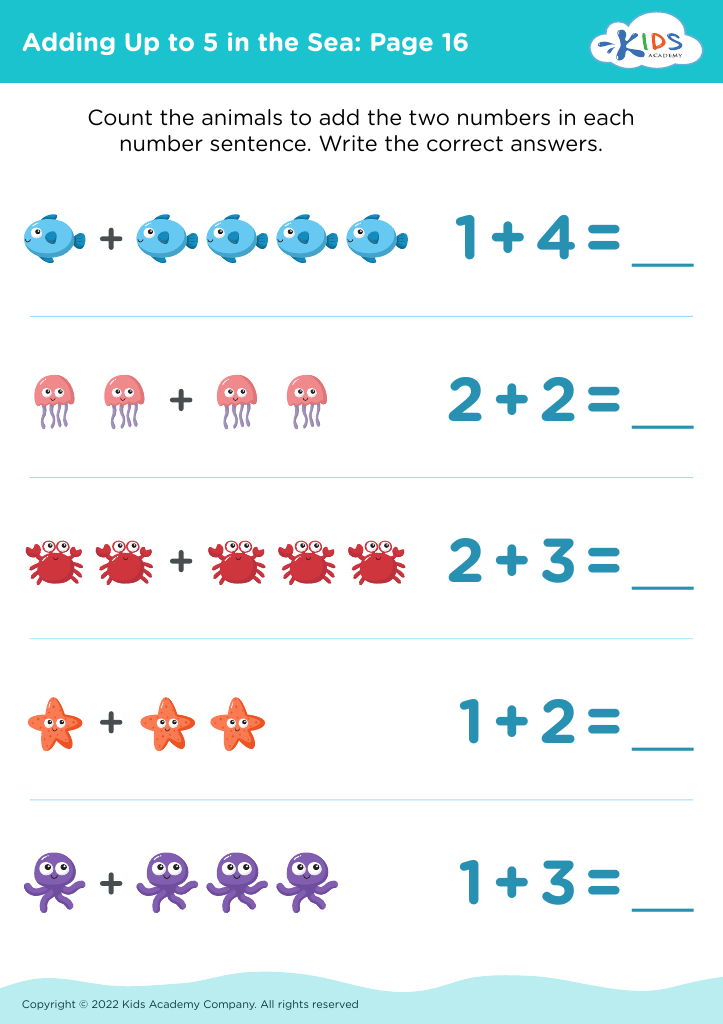
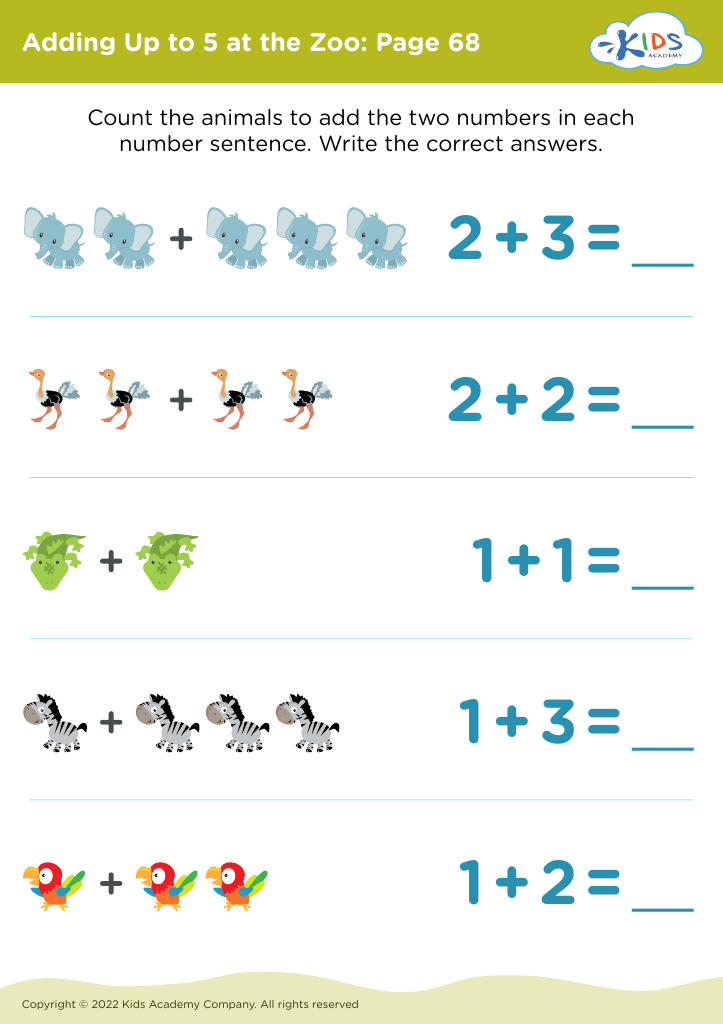
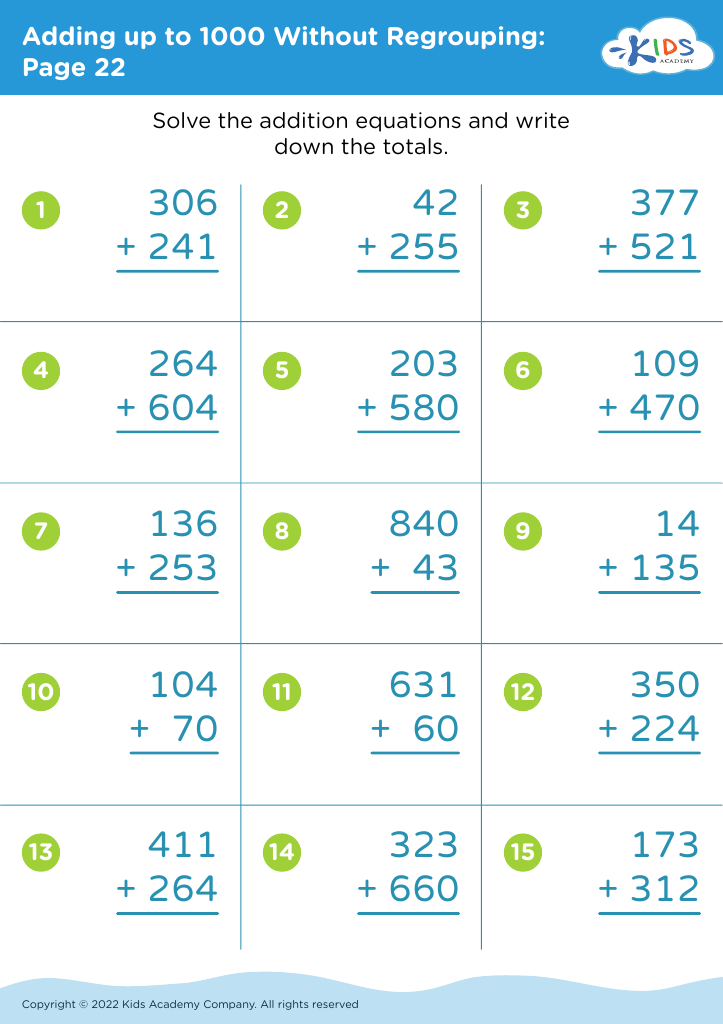
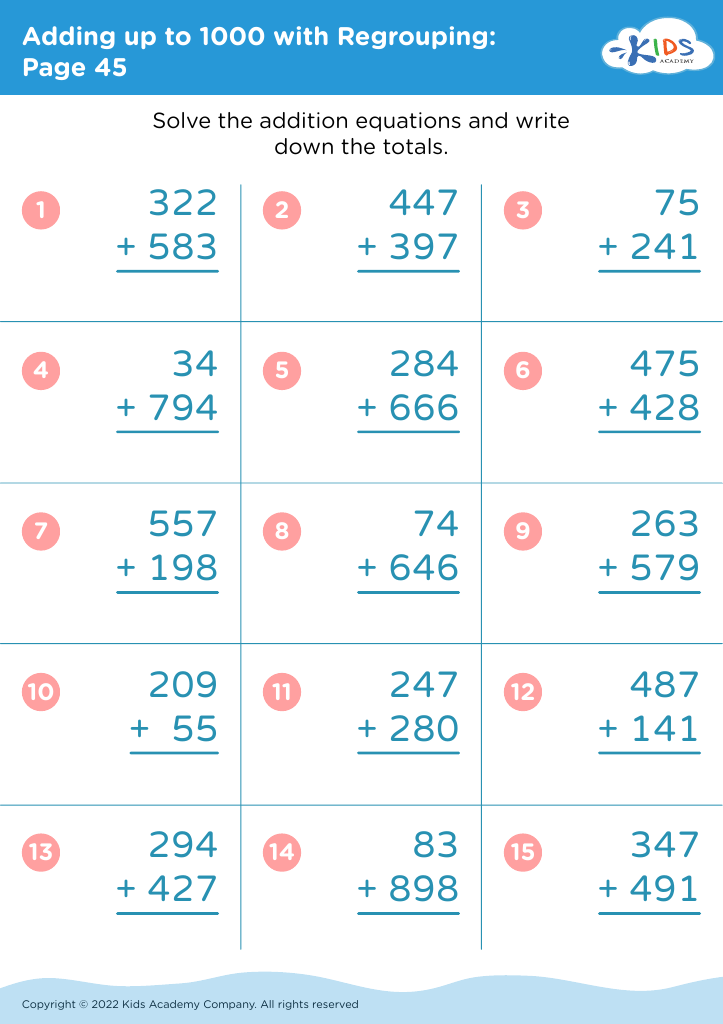
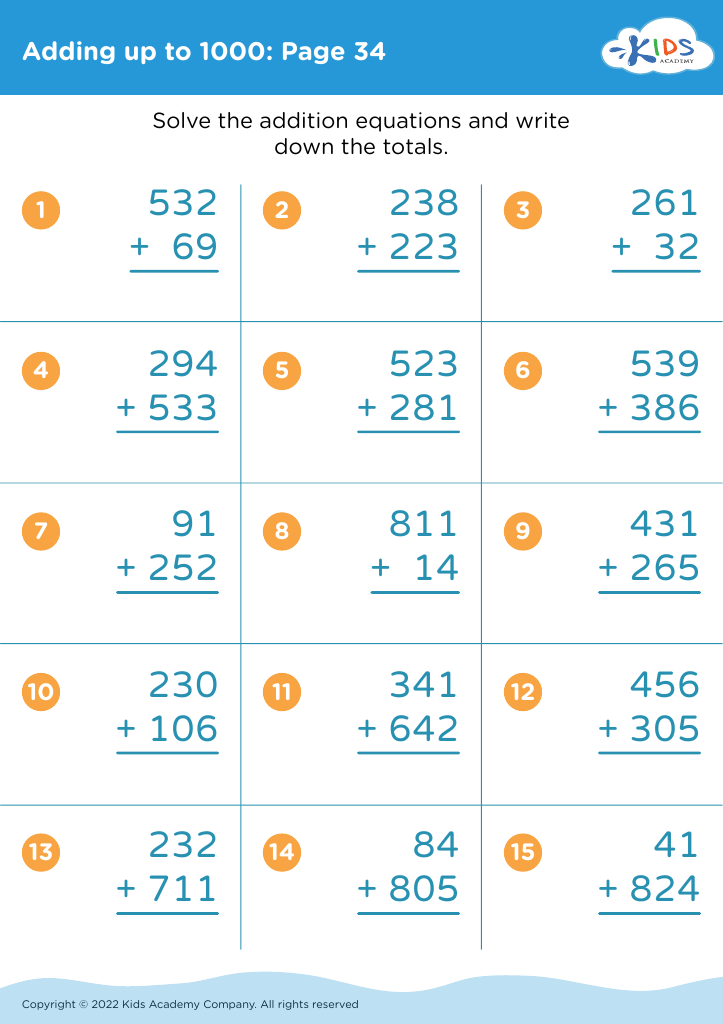
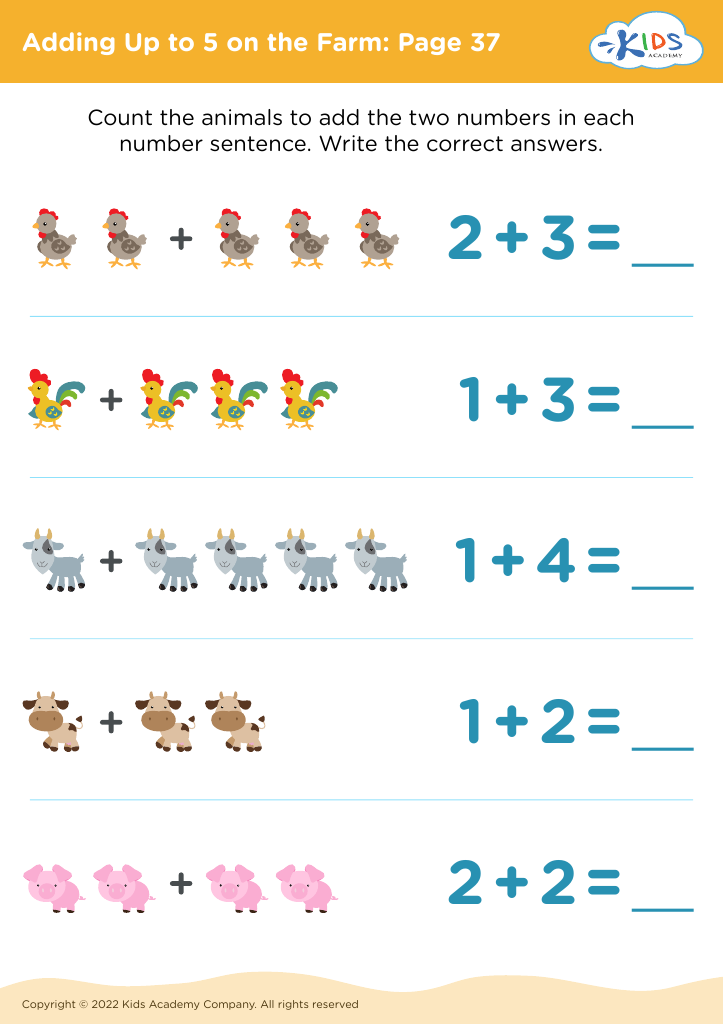
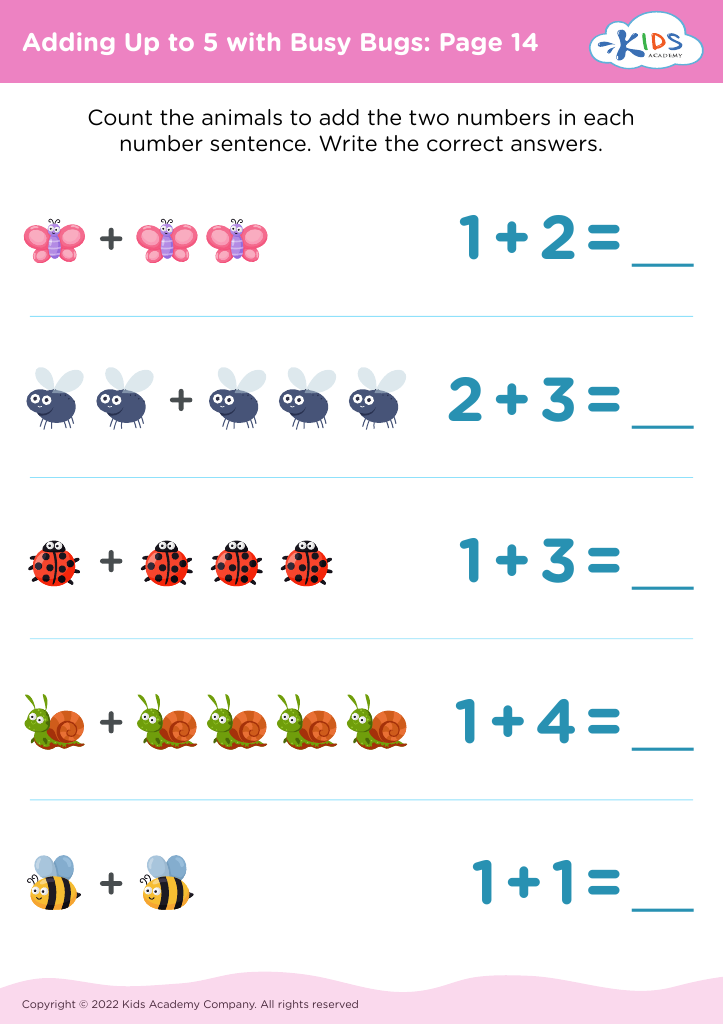
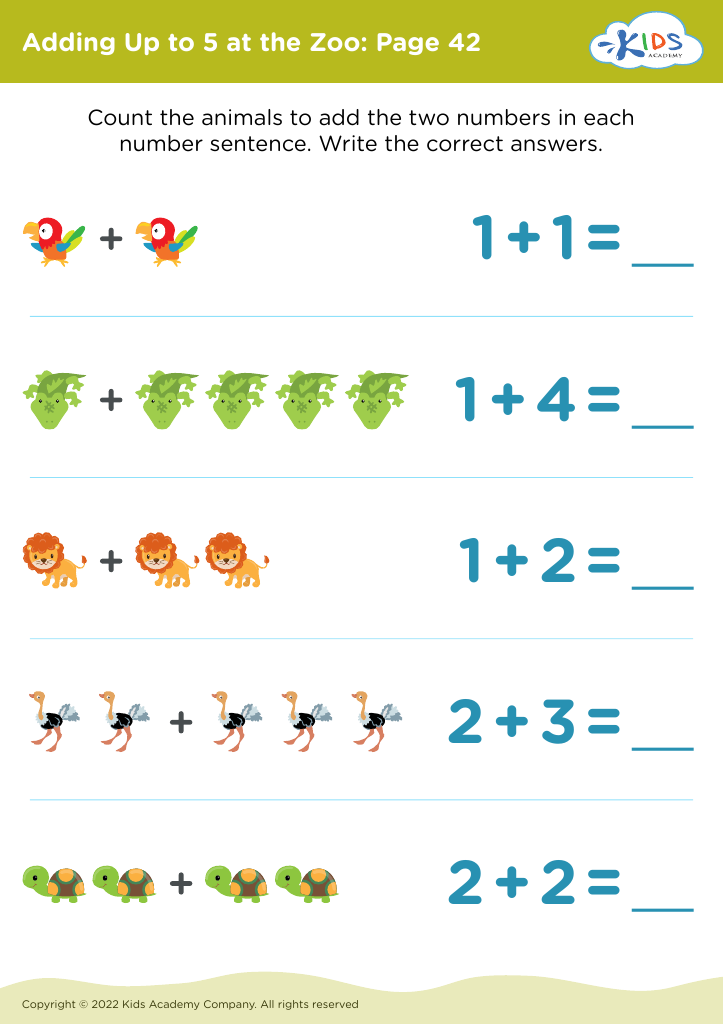
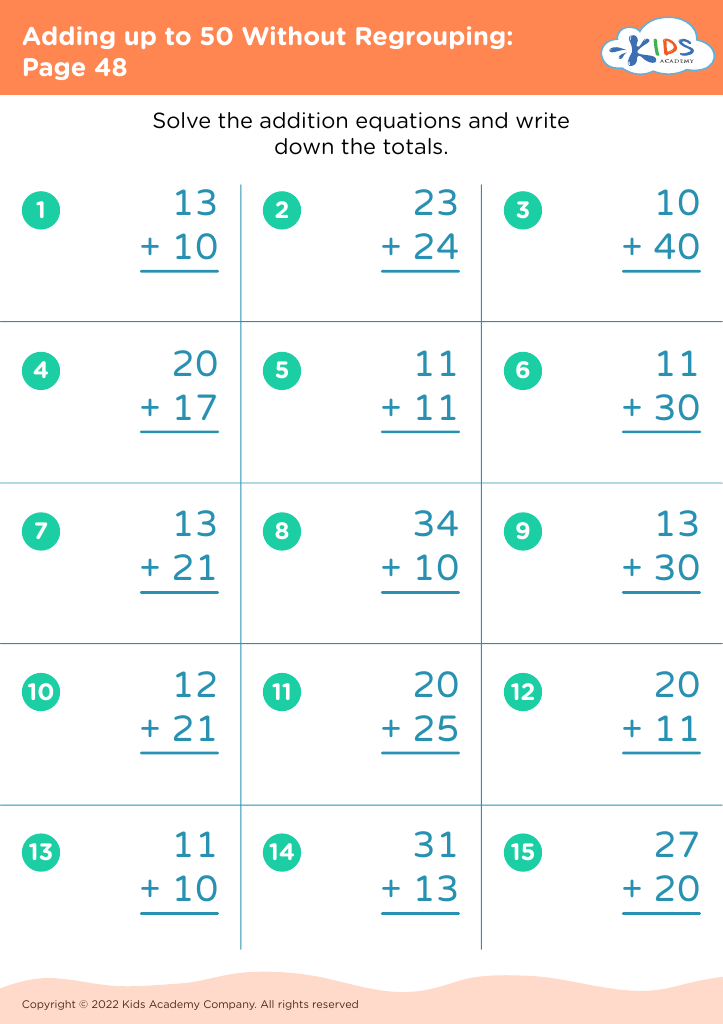
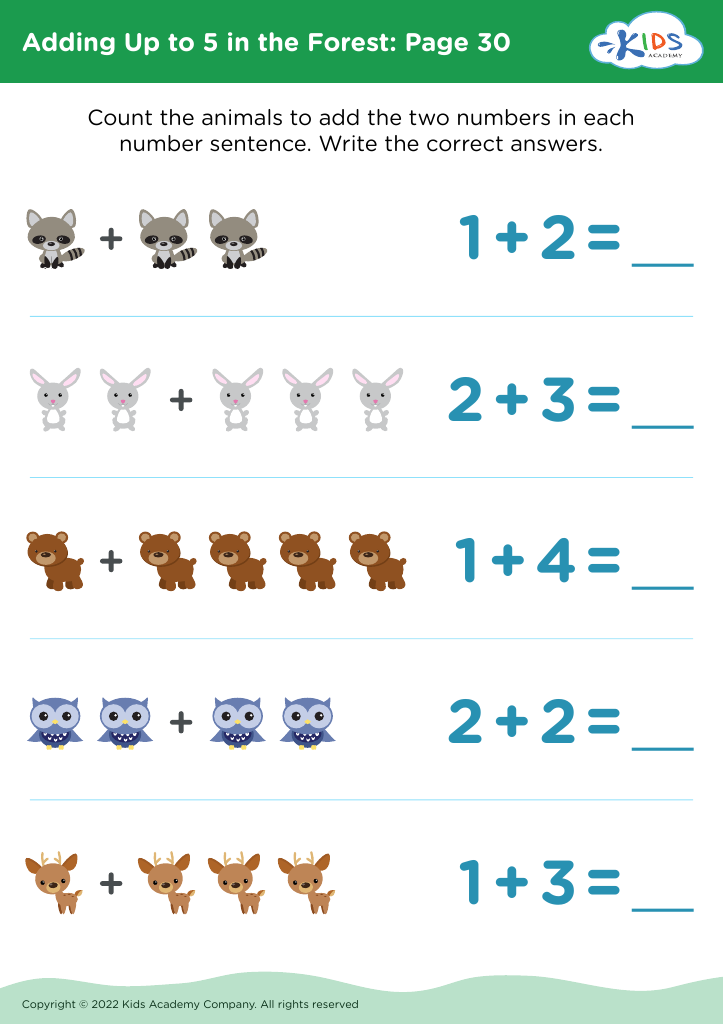
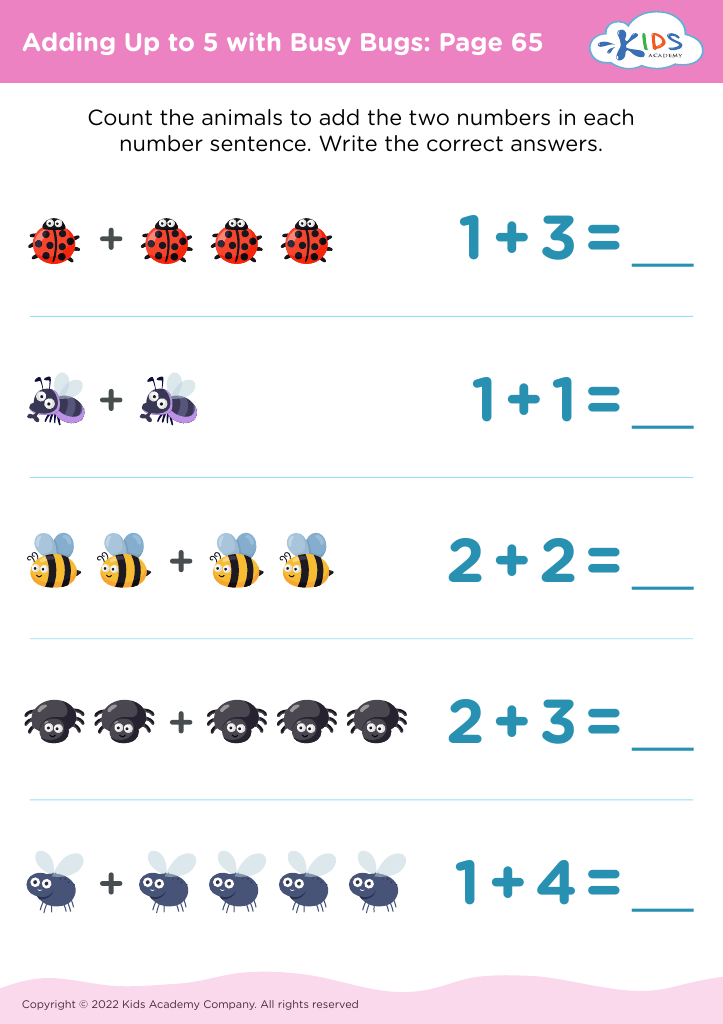








Fine motor skills play a crucial role in a child's development, especially when it comes to writing and performing basic mathematical operations like addition and subtraction. For children aged 4-9, developing fine motor skills affects not just their academic performance but also their confidence and independence. Proficient fine motor skills enable children to grasp writing instruments correctly, control their movements, and create legible letters and numbers. This foundational skill supports their ability to participate actively in classroom activities and express their thoughts clearly.
In addition, fine motor skills directly connect to cognitive development, particularly in mathematics. Activities that involve counting objects or manipulating blocks enhance a child’s understanding of addition and subtraction, solidifying their numeracy skills. When children learn to manipulate materials using their hands, they build neural pathways that facilitate problem-solving and critical thinking.
Moreover, emphasizing fine motor development encourages patience and perseverance in children. As they practice writing and math skills, they learn the value of persistence and practice, which are essential traits for lifelong learning. By nurturing fine motor skills, parents and teachers empower children to embrace challenges and succeed in their academic journey, setting a solid foundation for future learning and development.








