Check out this FREE Trial Lesson on Addition & Subtraction for age 4-9!

Sorting Objects into 3 Categories

Favorites
With answer key
Interactive
  • 4-9
  • Fraction simplification
  • Addition & Subtraction
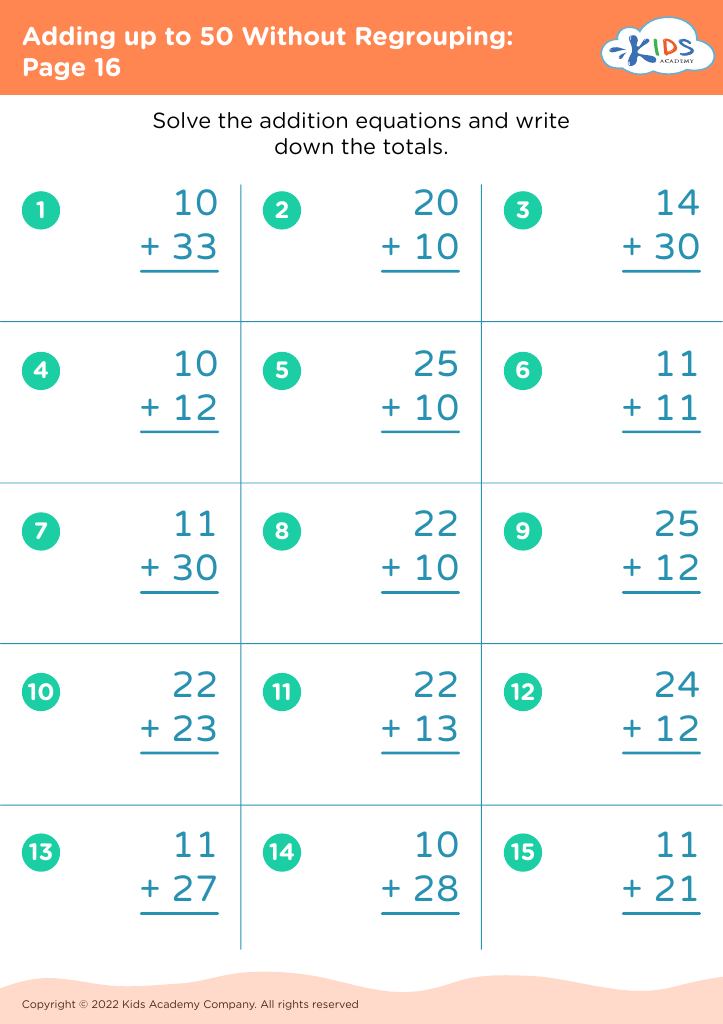
Adding up to 50 Without Regrouping: Page 16
Worksheet
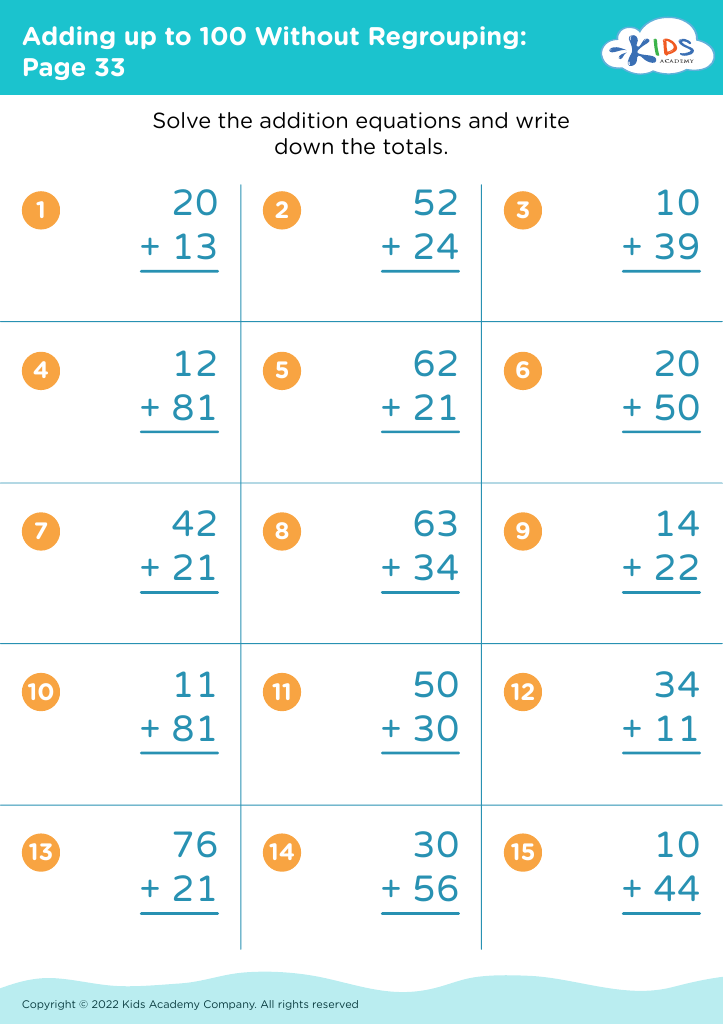
Adding up to 100 Without Regrouping: Page 33
Worksheet
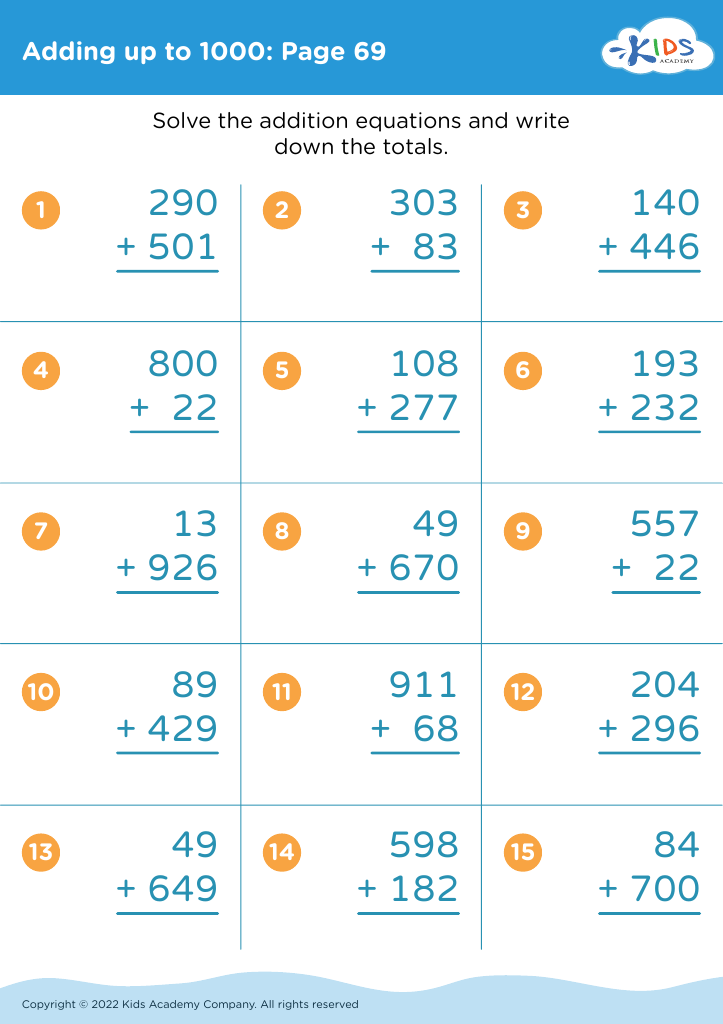
Adding up to 1000: Page 69

Adding up to 1000: Page 69

Adding up to 1000: Page 69
Worksheet
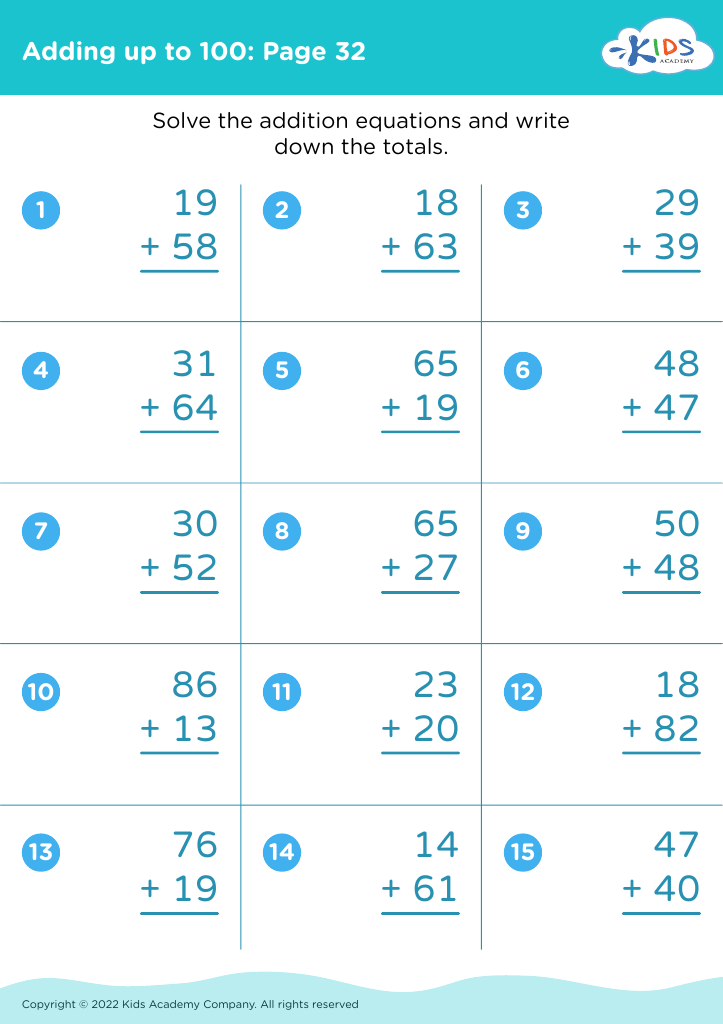
Adding up to 100: Page 32

Adding up to 100: Page 32

Adding up to 100: Page 32
Worksheet
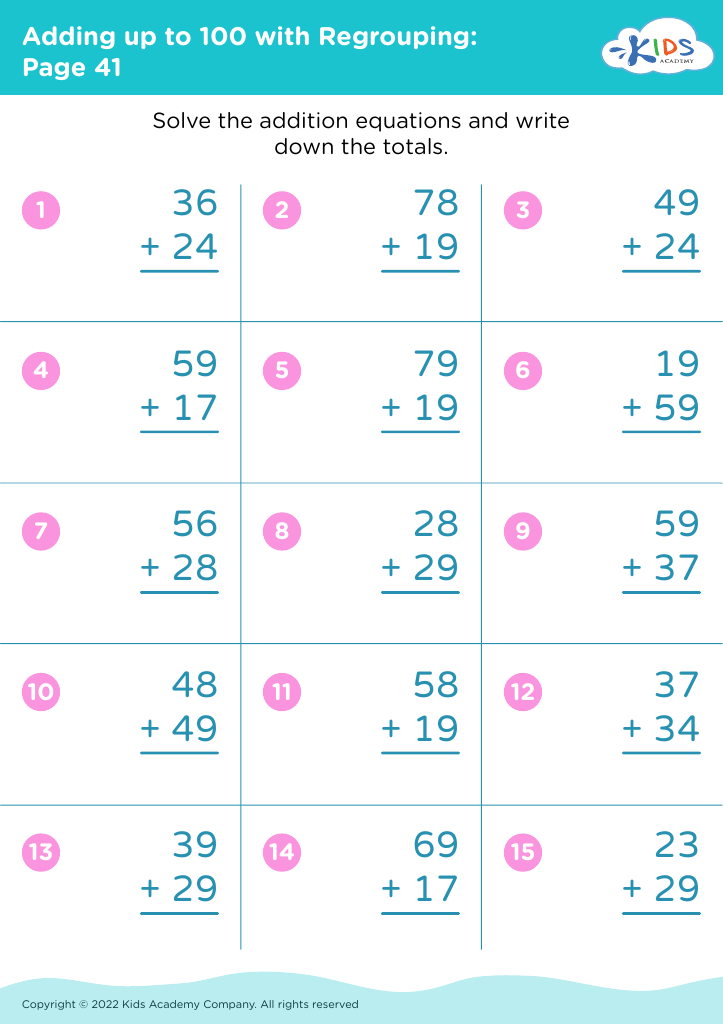
Adding up to 100 with Regrouping: Page 41
Worksheet
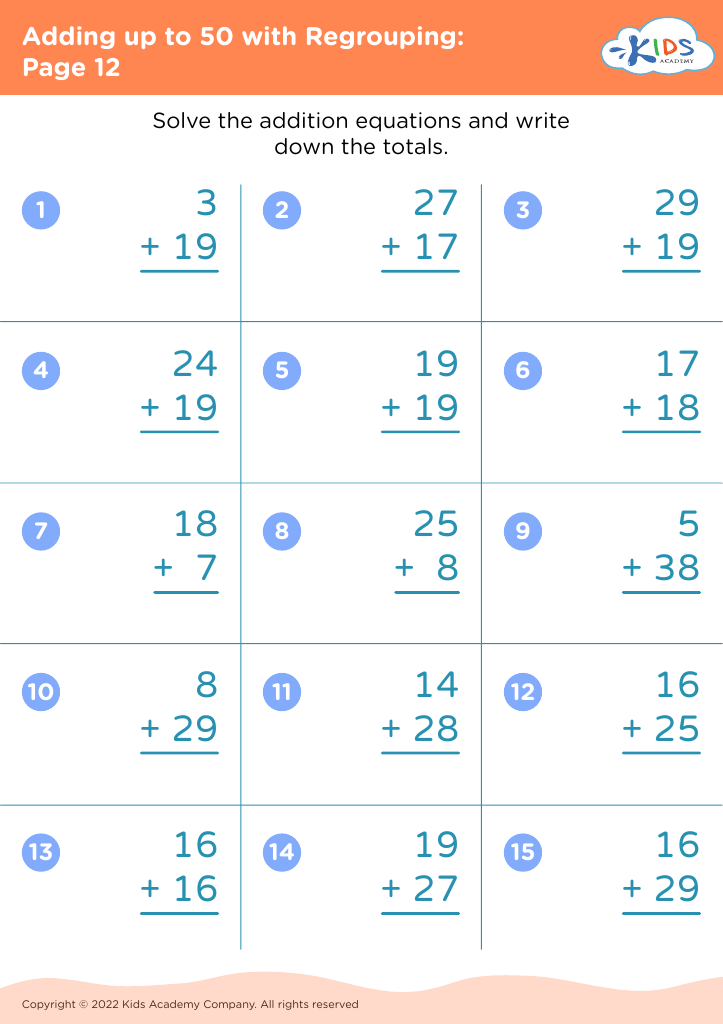
Adding up to 50 with Regrouping: Page 12
Worksheet
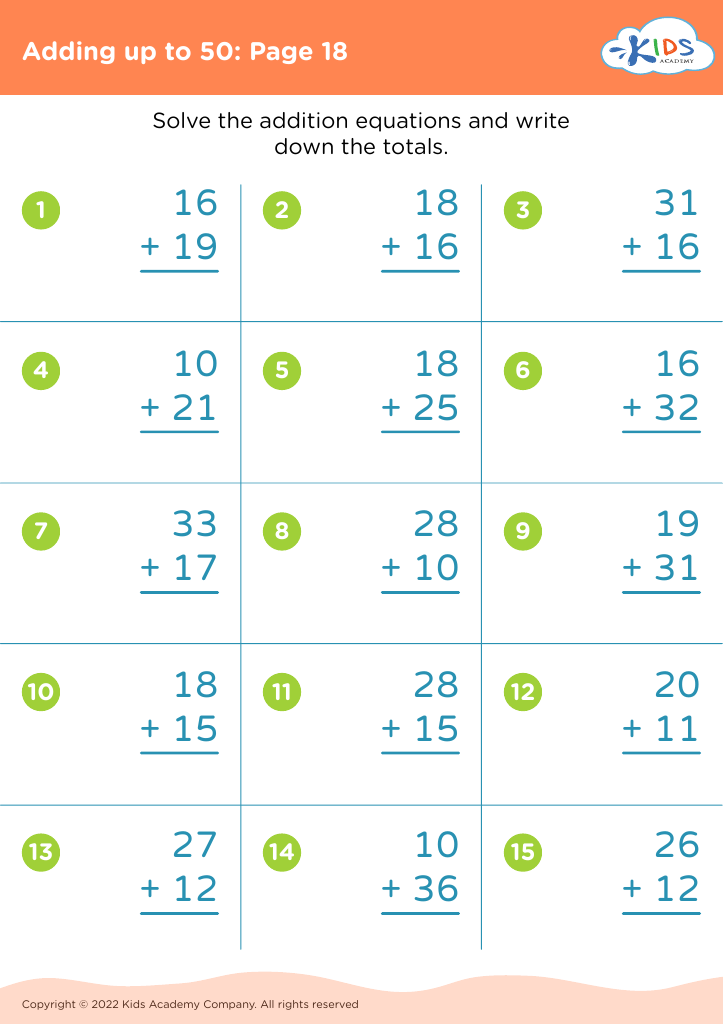
Adding up to 50: Page 18

Adding up to 50: Page 18

Adding up to 50: Page 18
Worksheet
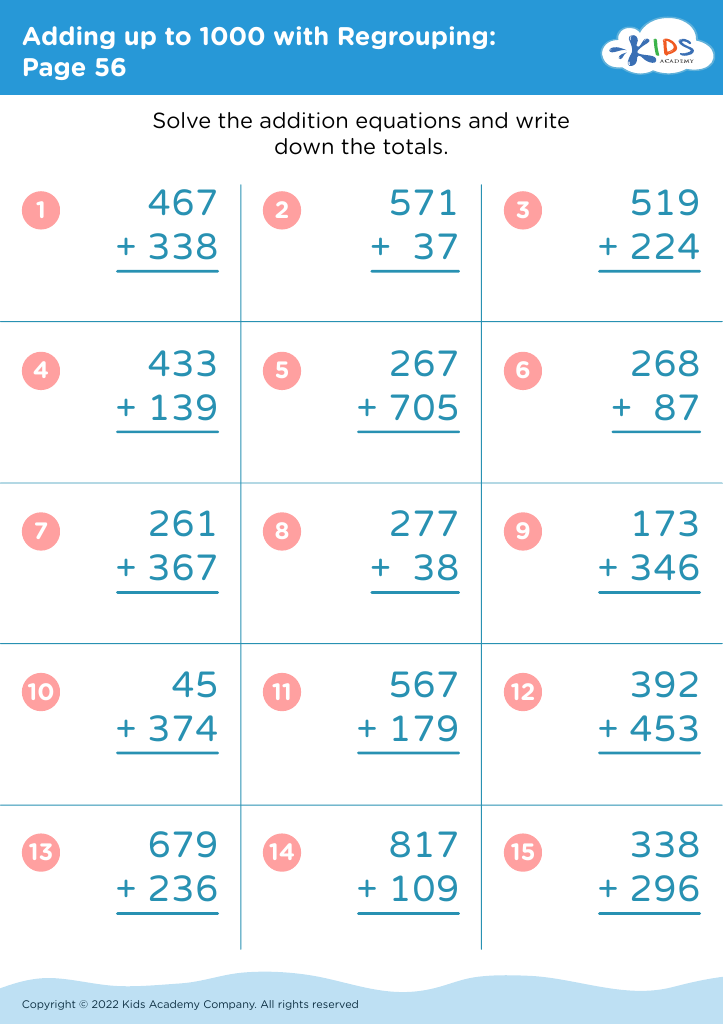
Adding up to 1000 with Regrouping: Page 56
Worksheet
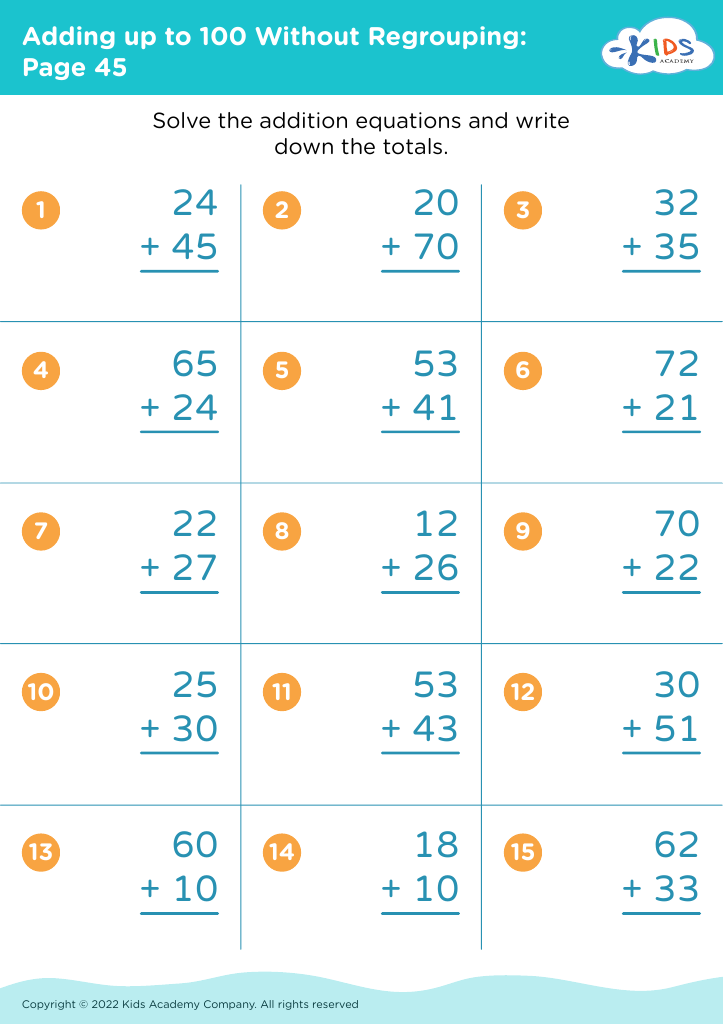
Adding up to 100 Without Regrouping: Page 45
Worksheet
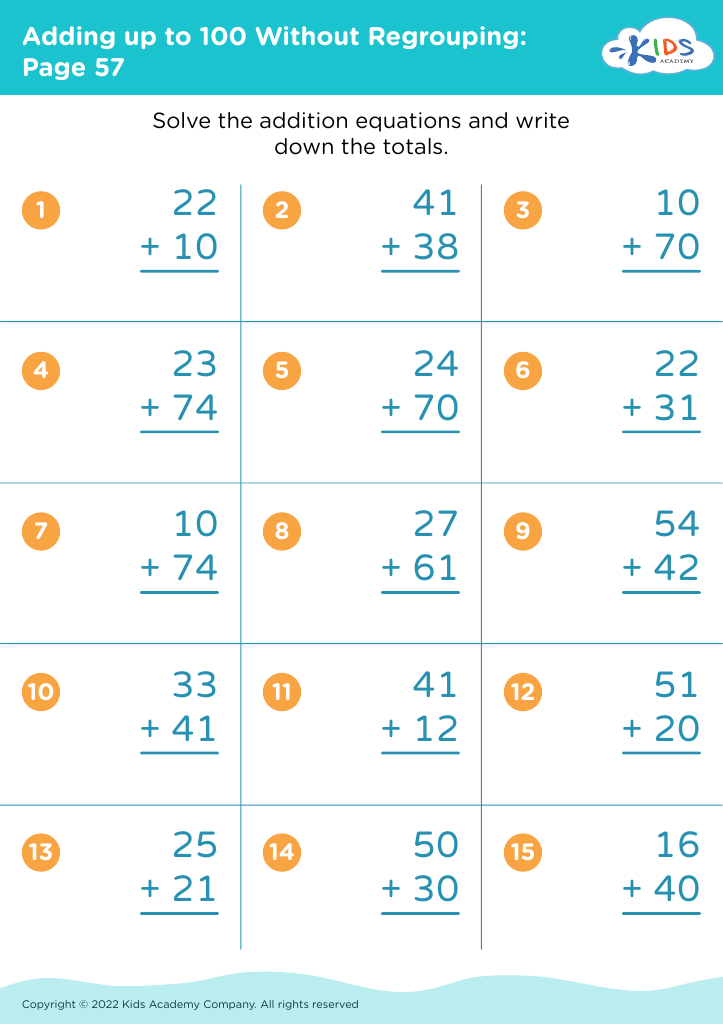
Adding up to 100 Without Regrouping: Page 57
Worksheet
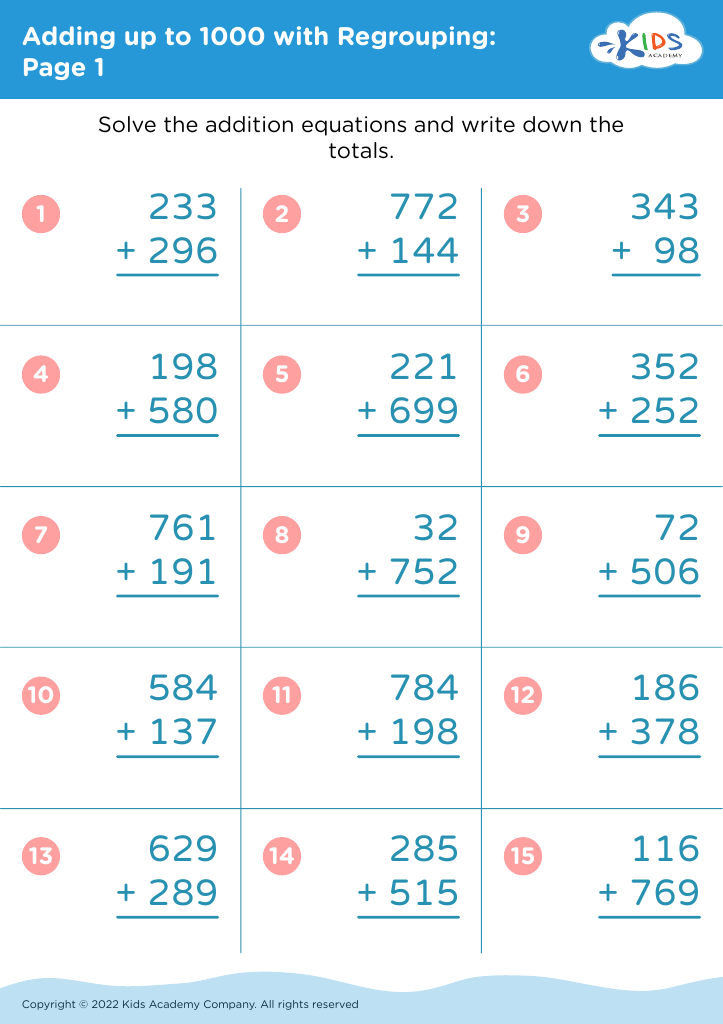
Adding up to 1000 with Regrouping: Page 1
Worksheet
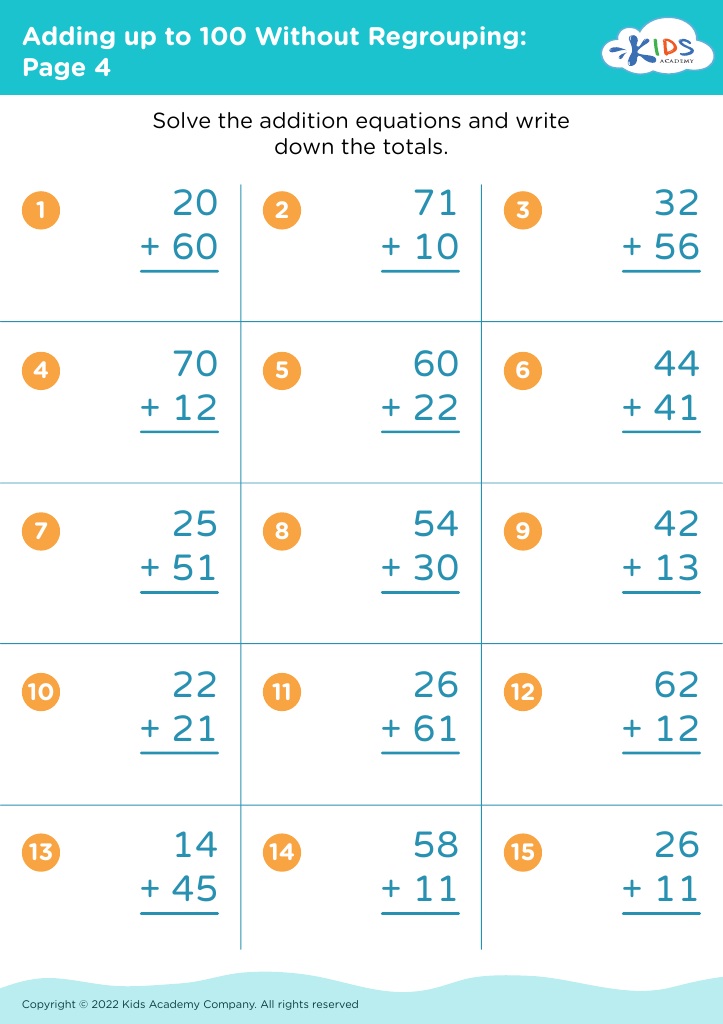
Adding up to 100 Without Regrouping: Page 4
Worksheet
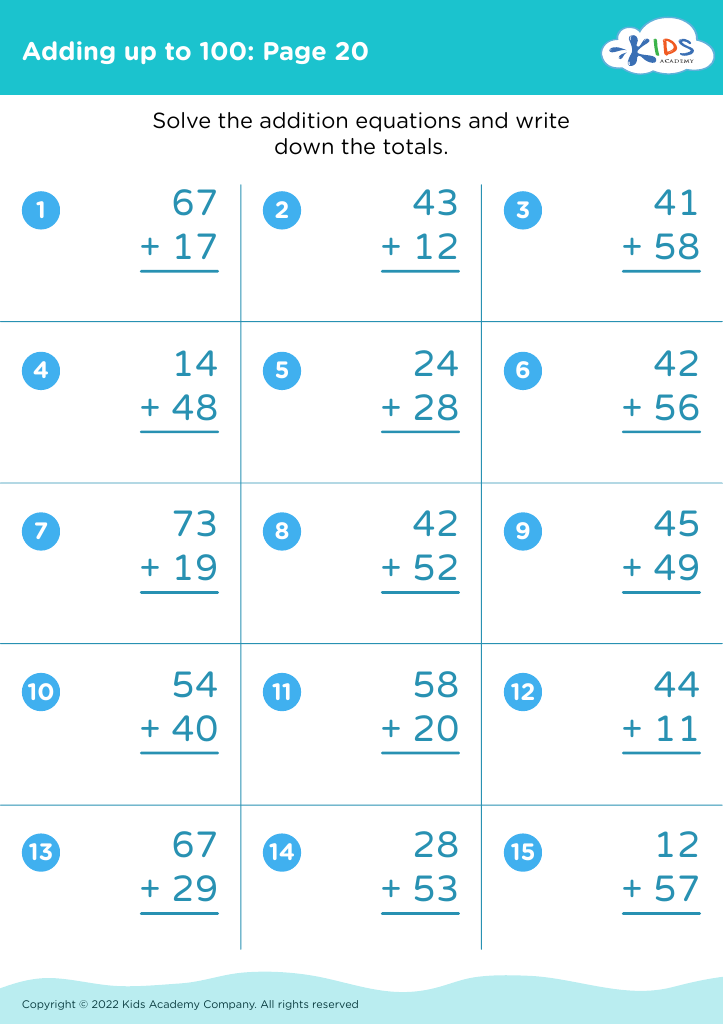
Adding up to 100: Page 20

Adding up to 100: Page 20

Adding up to 100: Page 20
Worksheet
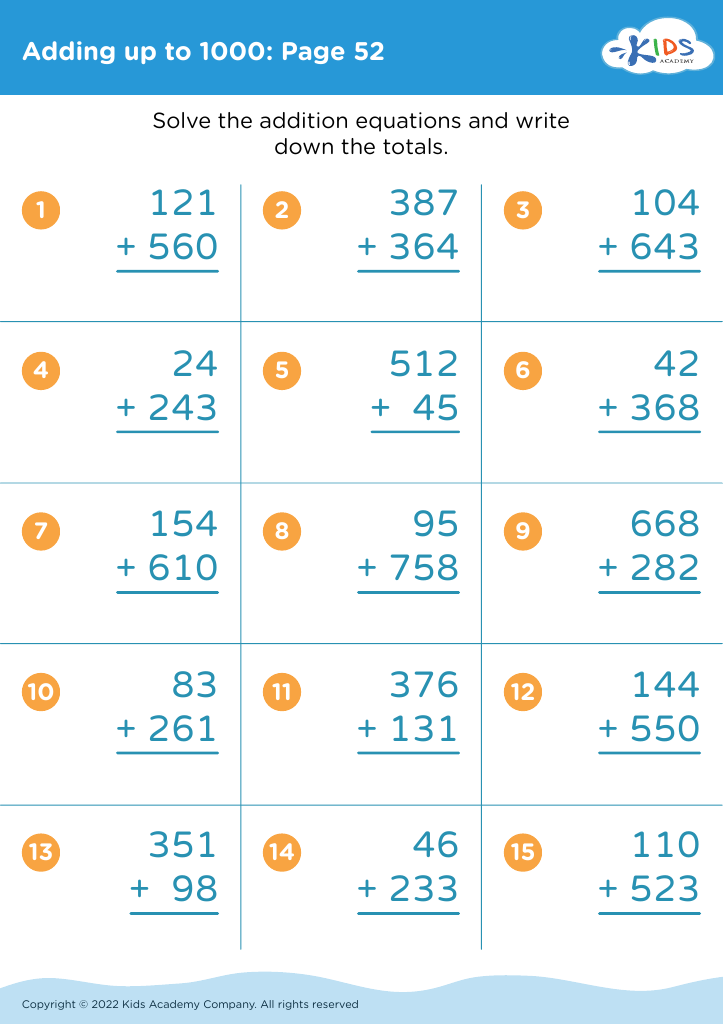
Adding up to 1000: Page 52

Adding up to 1000: Page 52

Adding up to 1000: Page 52
Worksheet
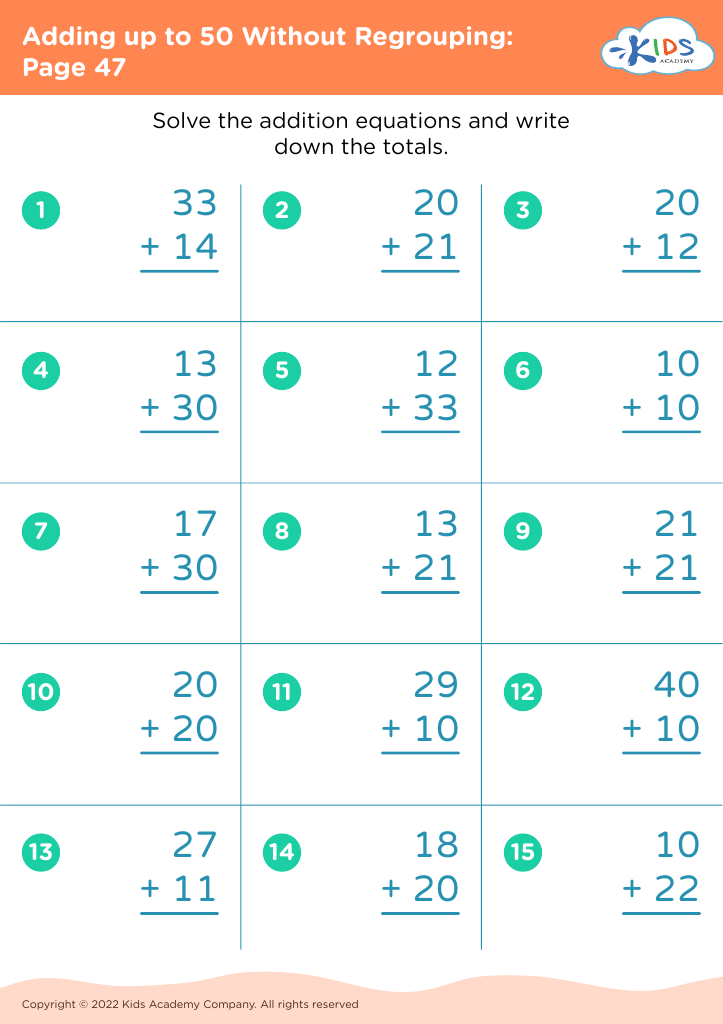
Adding up to 50 Without Regrouping: Page 47
Worksheet
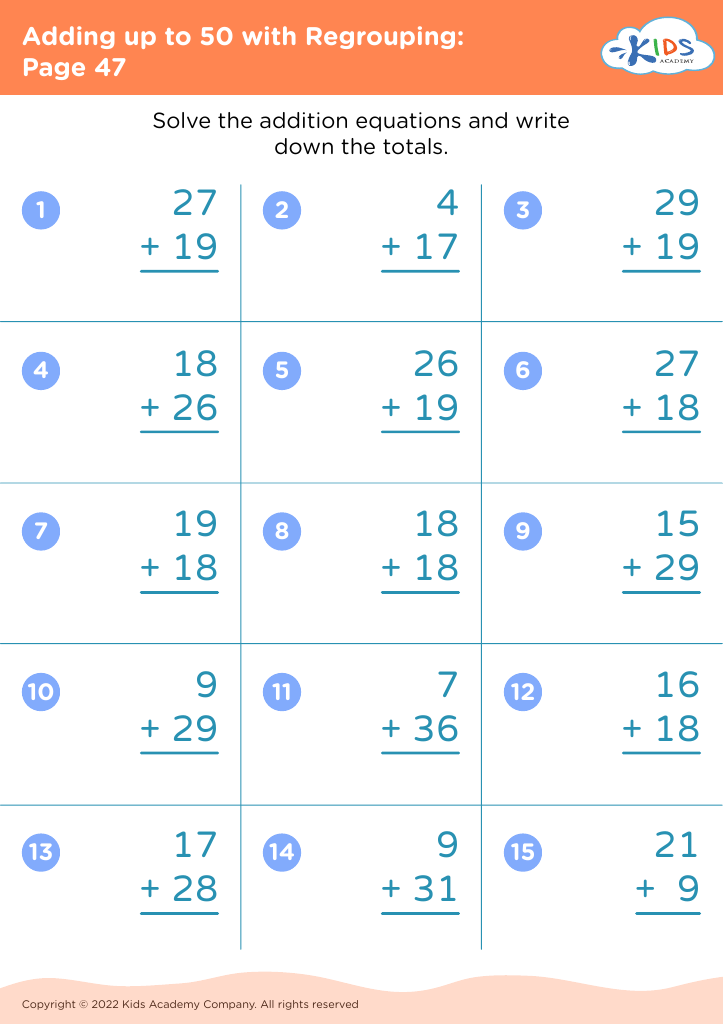
Adding up to 50 with Regrouping: Page 47
Worksheet
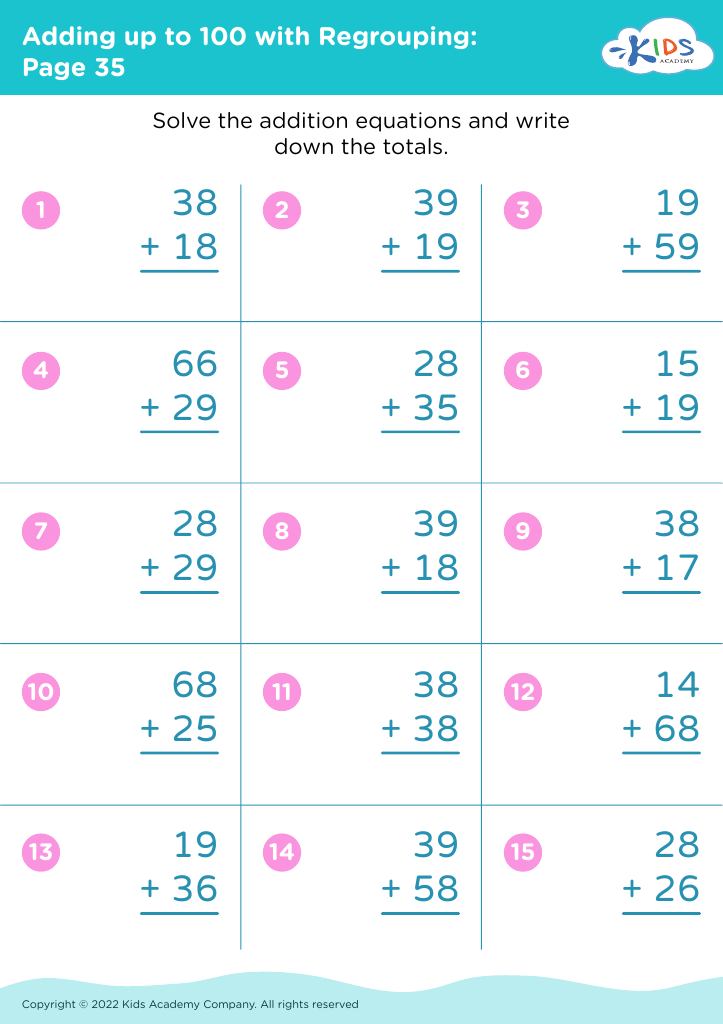
Adding up to 100 with Regrouping: Page 35
Worksheet
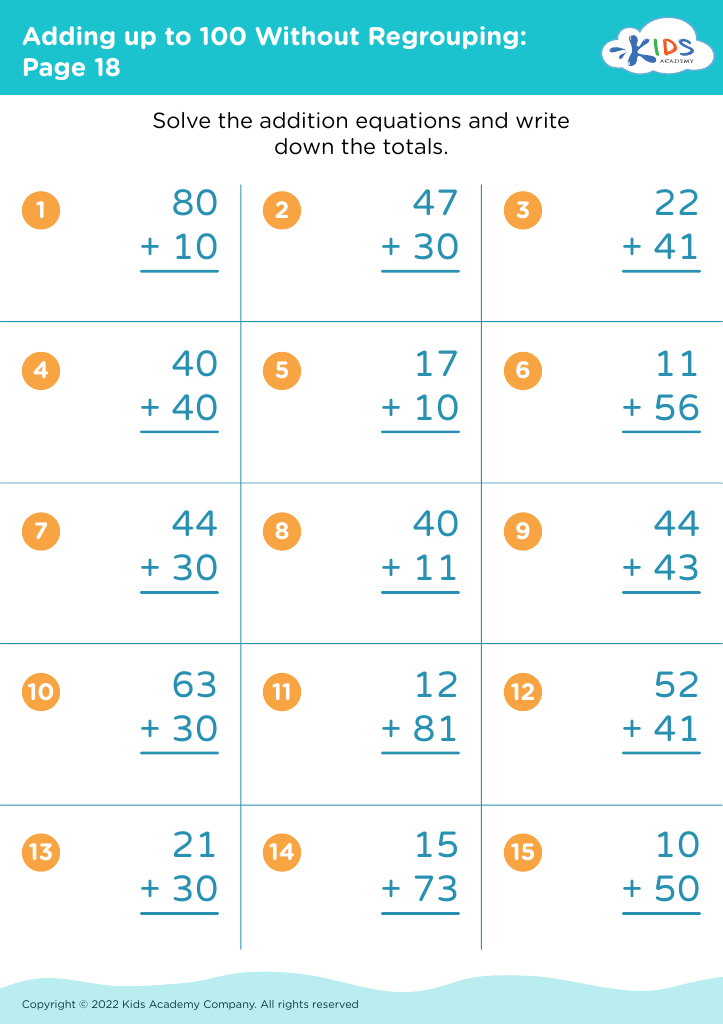
Adding up to 100 Without Regrouping: Page 18
Worksheet
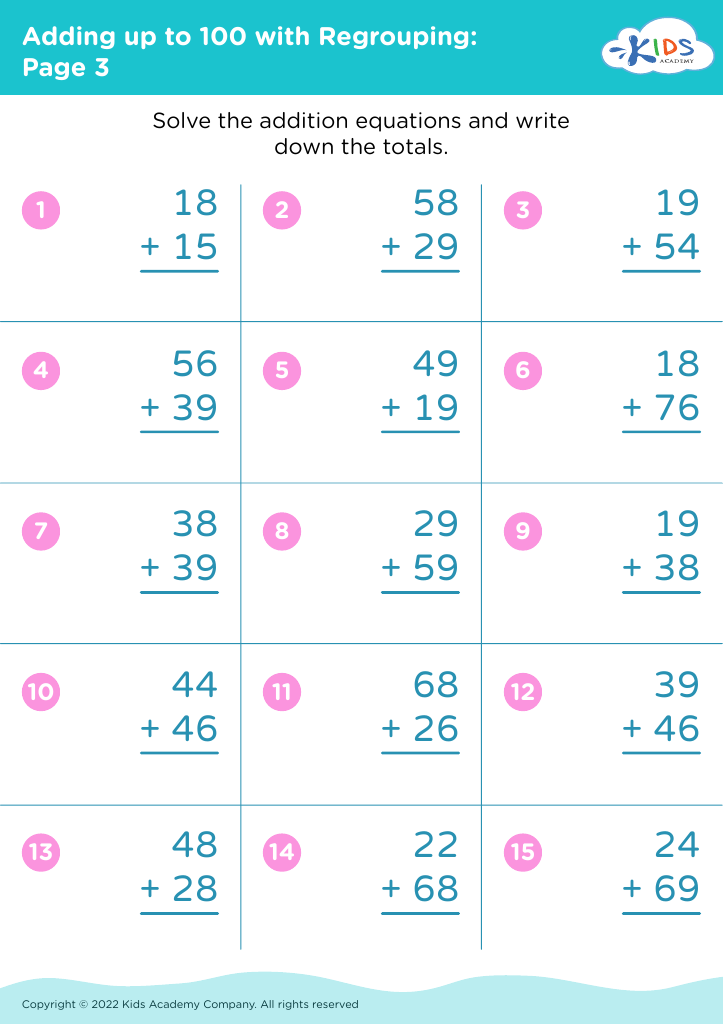
Adding up to 100 with Regrouping: Page 3
Worksheet
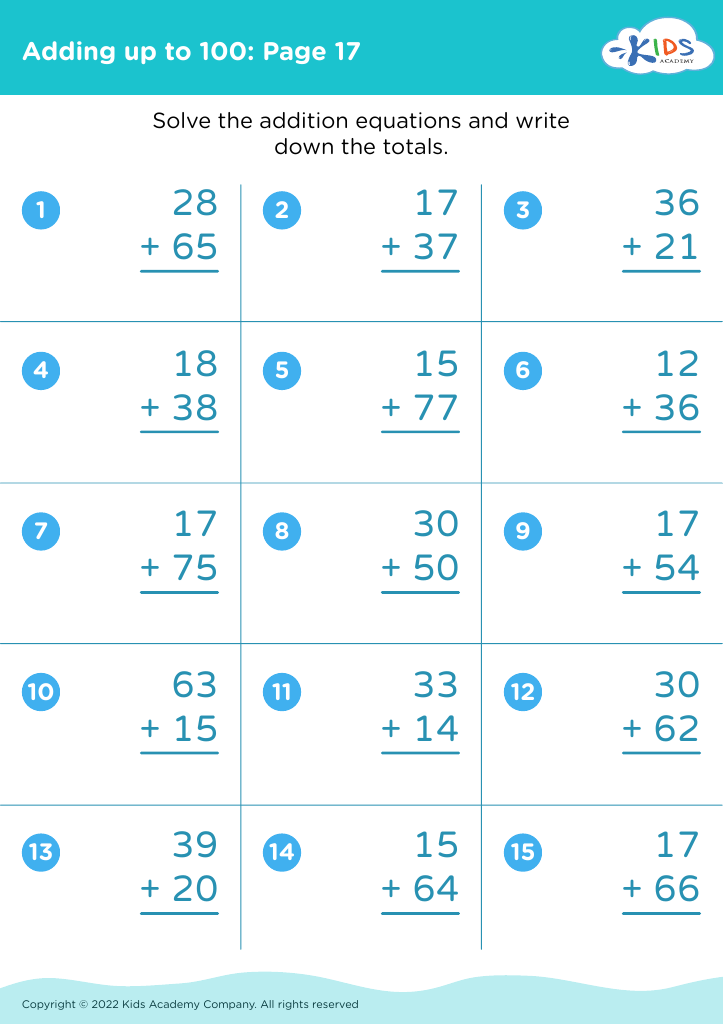
Adding up to 100: Page 17

Adding up to 100: Page 17

Adding up to 100: Page 17
Worksheet
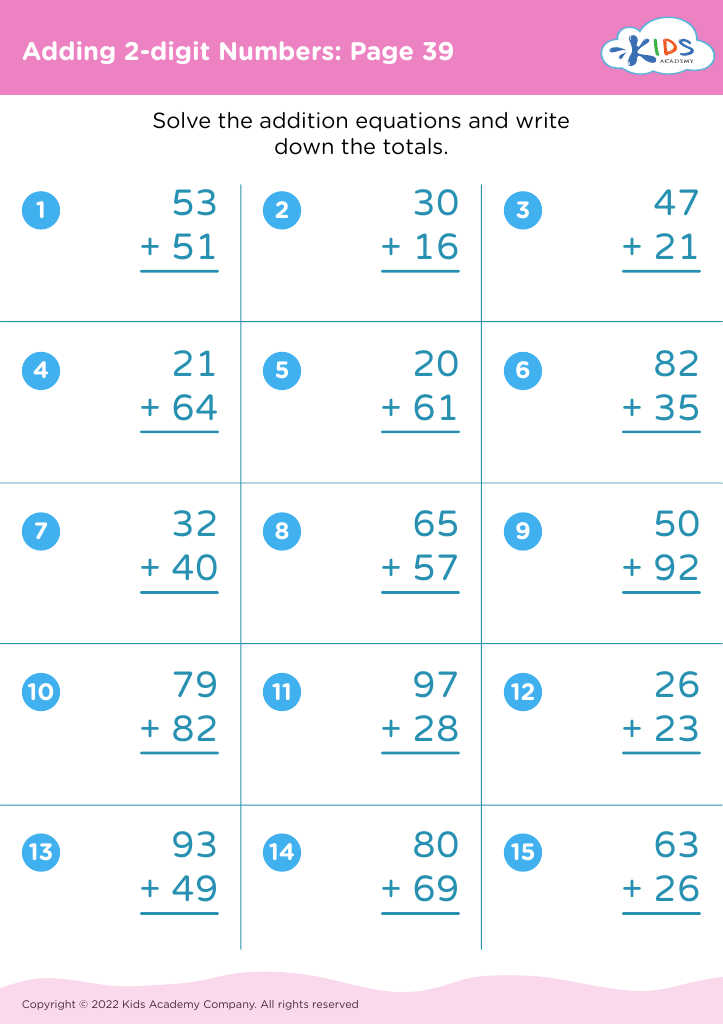
Adding 2-digit Numbers: Page 39

Adding 2-digit Numbers: Page 39

Adding 2-digit Numbers: Page 39
Worksheet
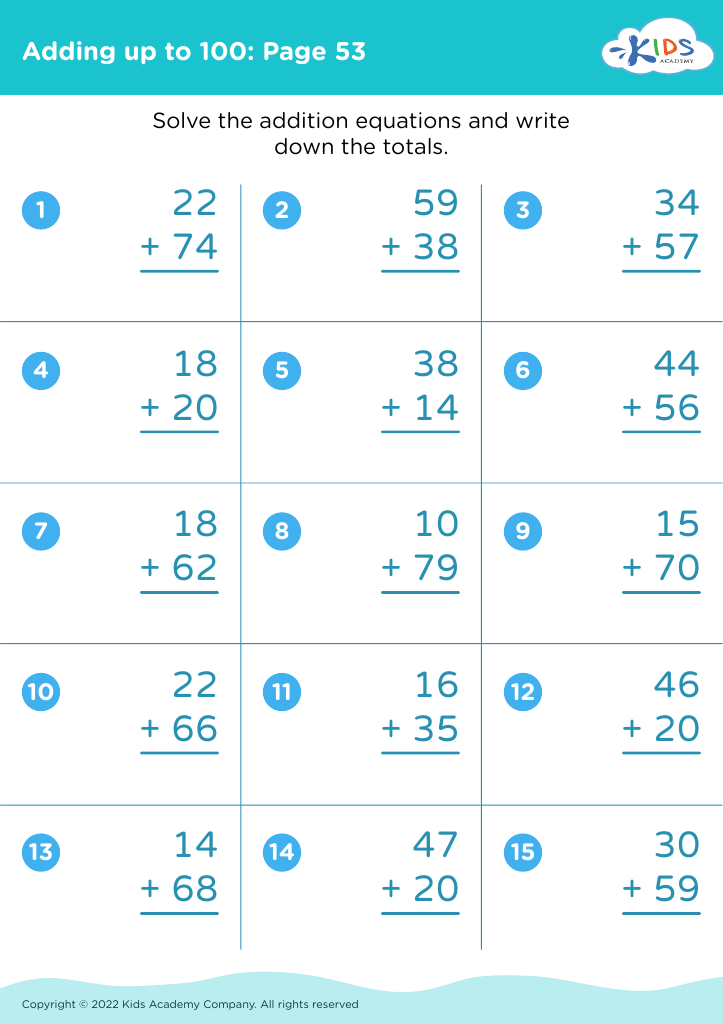
Adding up to 100: Page 53

Adding up to 100: Page 53

Adding up to 100: Page 53
Worksheet
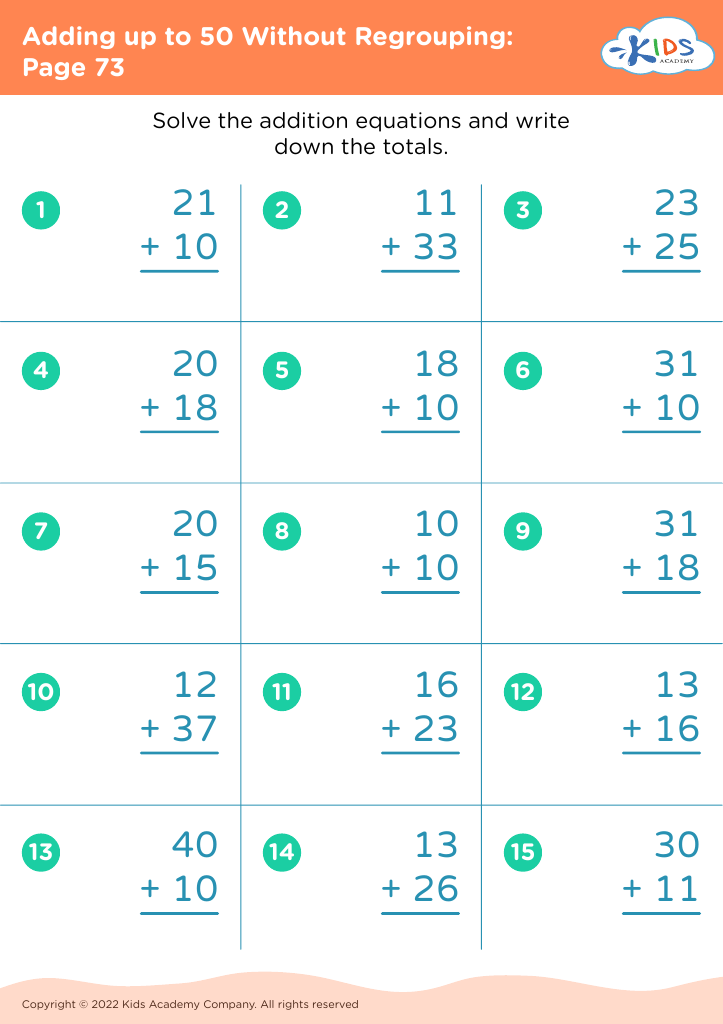
Adding up to 50 Without Regrouping: Page 73
Worksheet
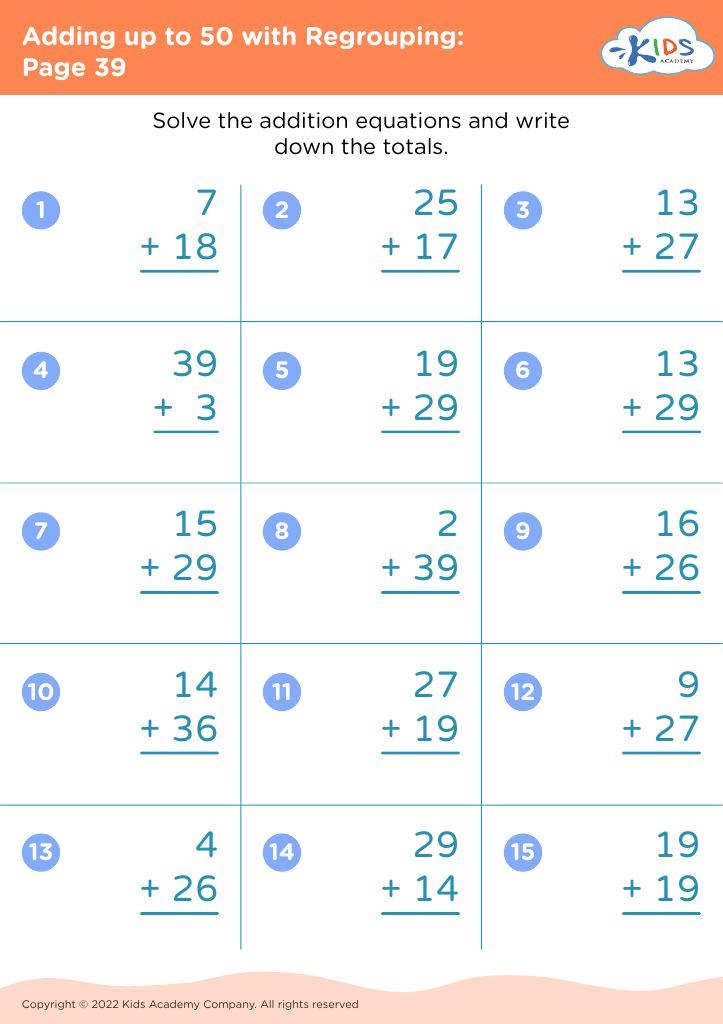
Adding up to 50 with Regrouping: Page 39
Worksheet


Understanding fraction simplification, addition, and subtraction is essential for children aged 4-9 for several reasons. First, these concepts lay the foundation for future mathematical learning. A solid grasp of fractions helps children develop critical thinking and problem-solving skills, as fractions are integral to more advanced mathematics in higher grades.

Additionally, learning to simplify fractions encourages students to recognize patterns and explore relationships between numbers, fostering a deeper understanding of numerical concepts. Early exposure to fraction concepts also aids in building practical life skills, such as measuring ingredients in cooking or interpreting data in everyday scenarios.

Parents and teachers play a crucial role in this learning process. By engaging children in fun and relatable activities, they can cultivate a positive relationship with math. This can lead to increased confidence and enthusiasm about learning. Moreover, addressing these concepts at an early age can help prevent future math anxiety, promoting a lifelong love for math.

In an increasingly data-driven world, proficiency in fractions is invaluable. Thus, ensuring children understand and can confidently operate with fractions can have lasting impacts on their academic journey and everyday life.