Improve number recognition Addition & Subtraction Worksheets for Ages 4-9
15 filtered results
-
From - To
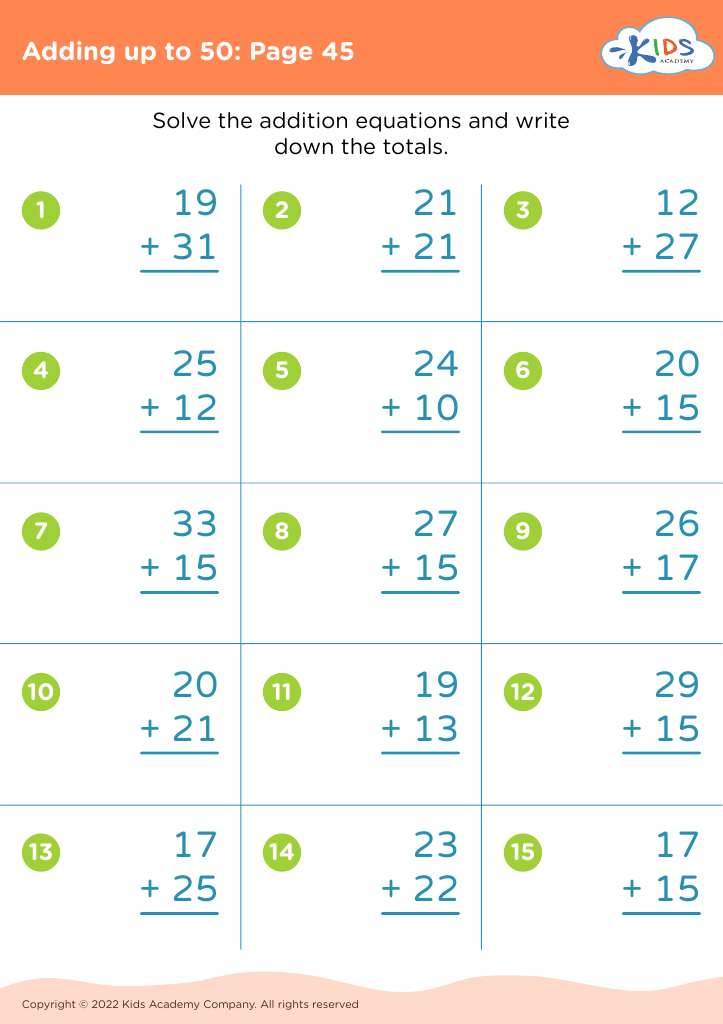
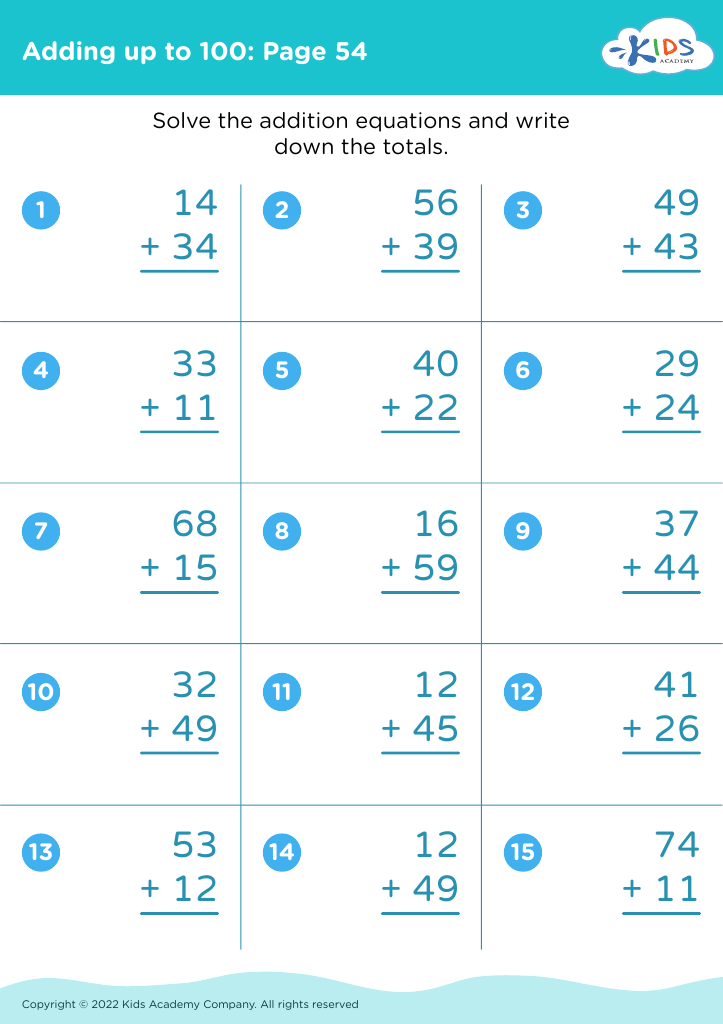
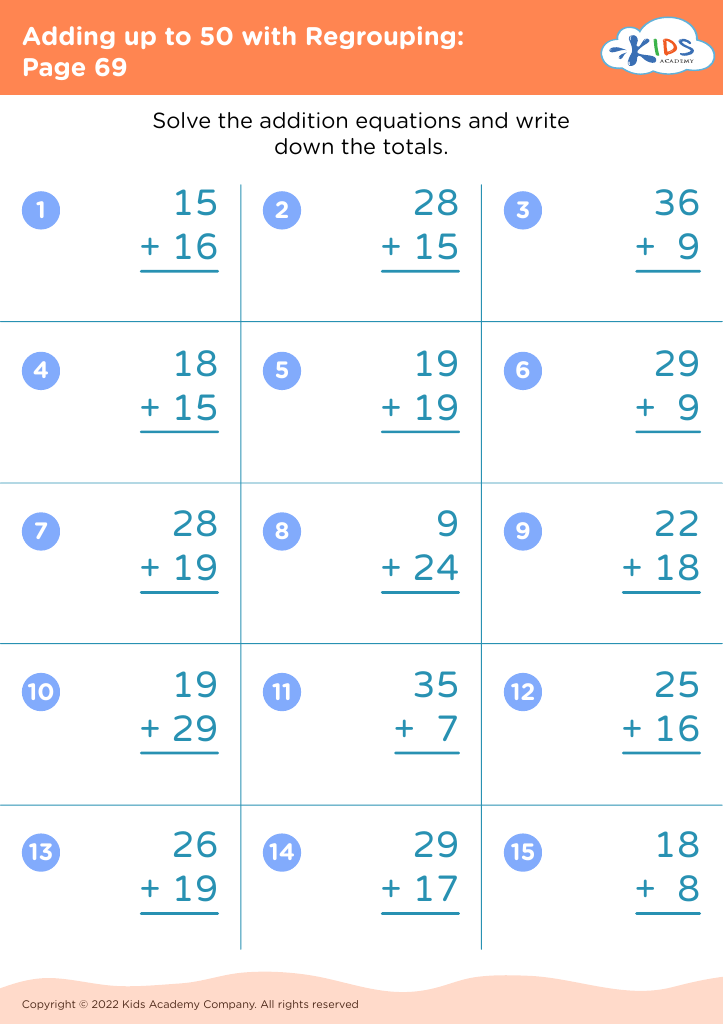
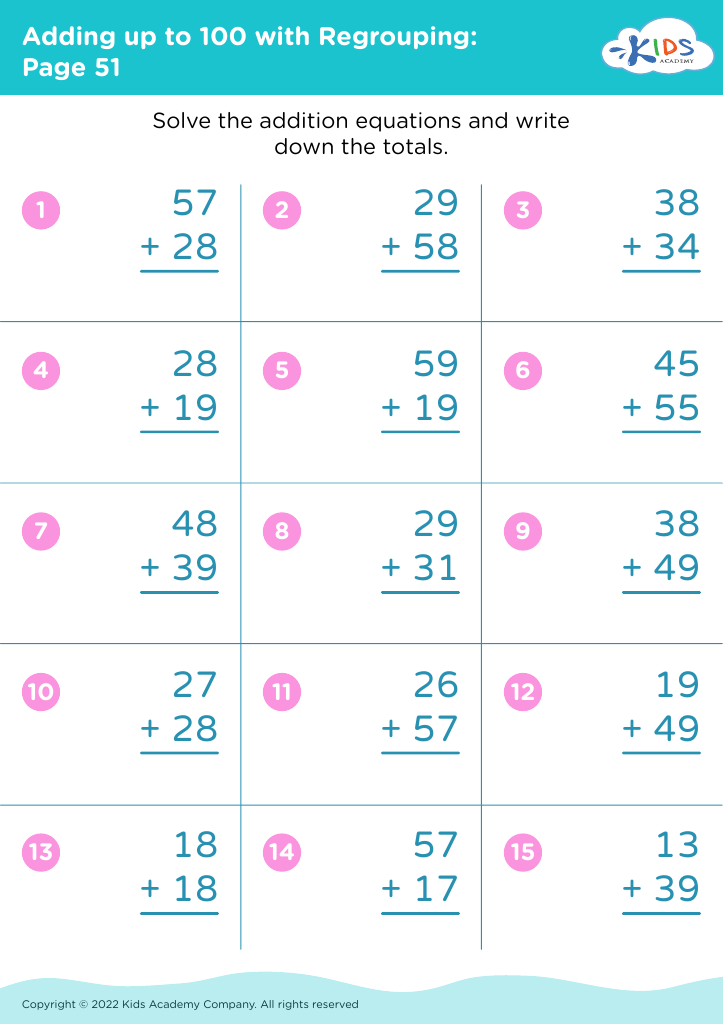
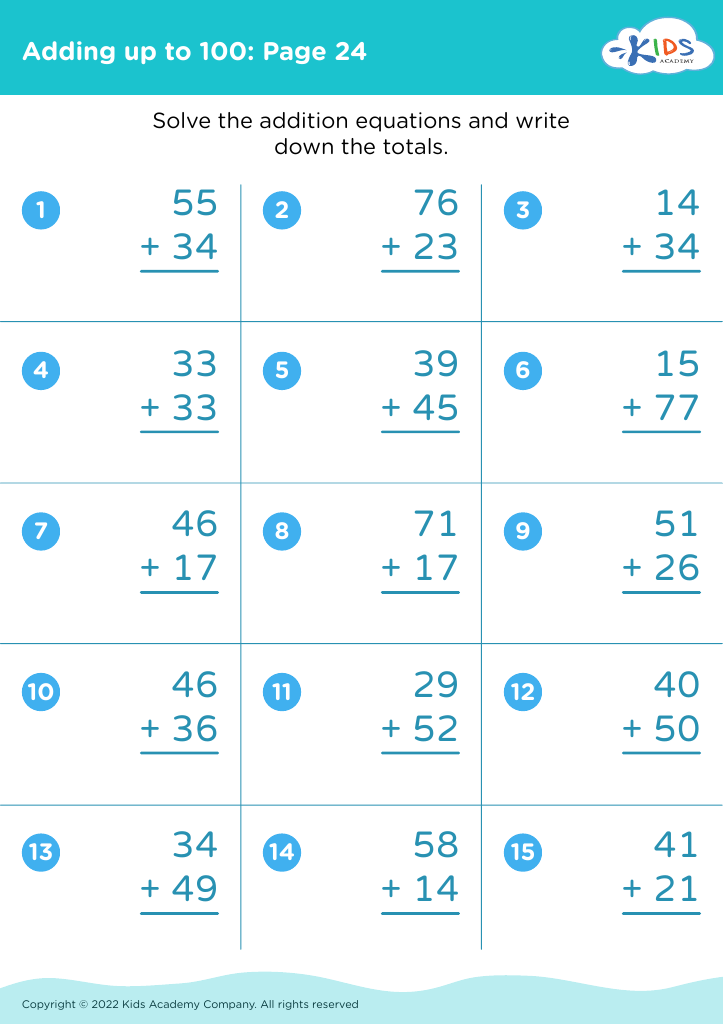
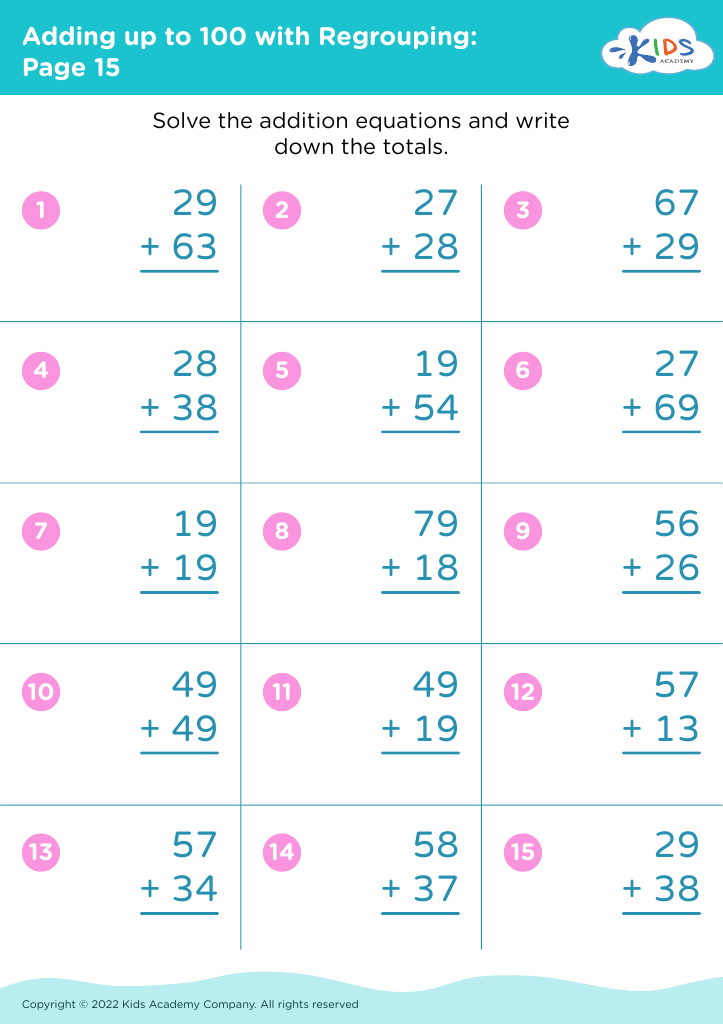
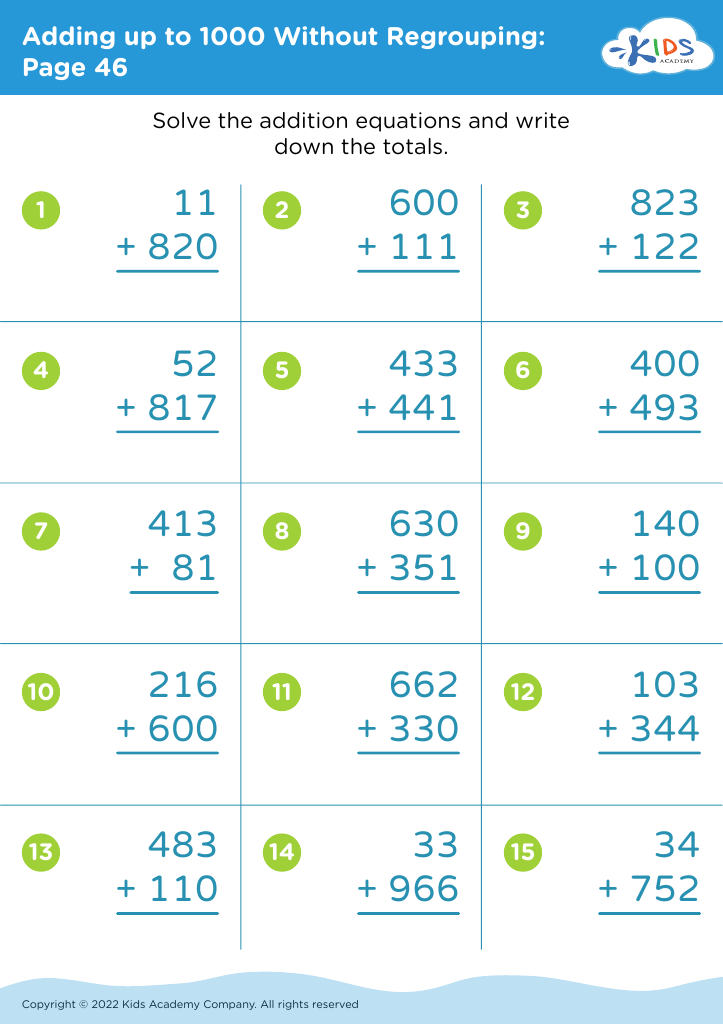
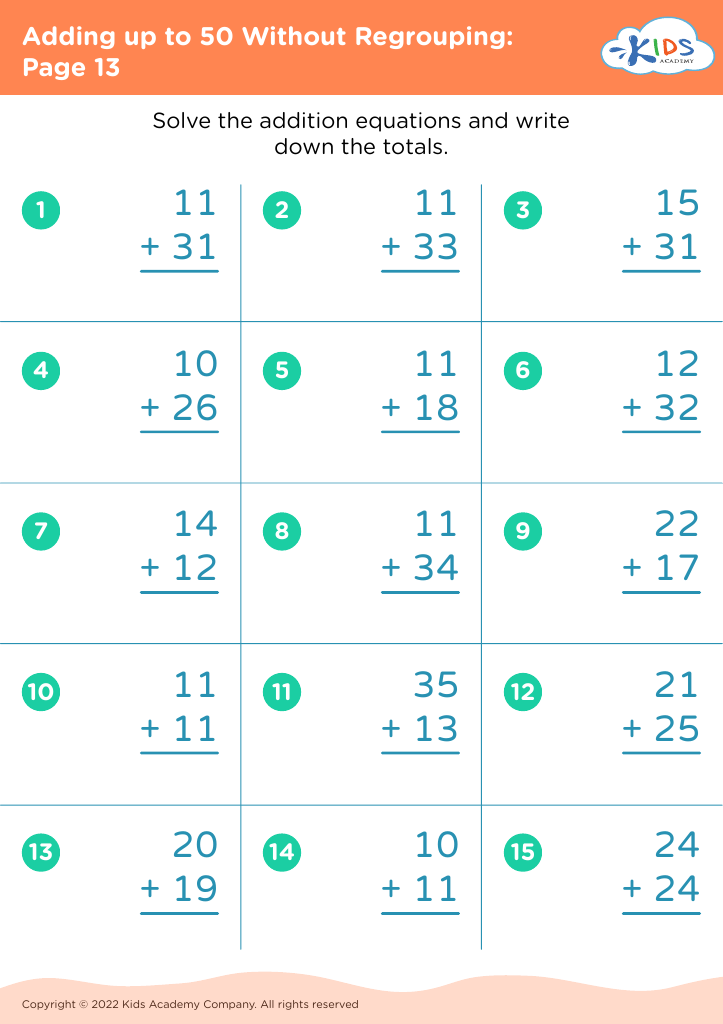
Our "Improve Number Recognition Addition & Subtraction Worksheets for Ages 4-9" are designed to make learning math fun and effective. Crafted to boost number recognition and reinforce basic math skills, these engaging worksheets guide young learners through interactive exercises that combine counting, adding, and subtracting. Each worksheet is tailored to different skill levels, making sure every child progresses at their own pace. Perfect for both classroom and home use, these resources foster confidence in math through hands-on practice. Help your child or students build a strong mathematical foundation with our expertly designed worksheets today!
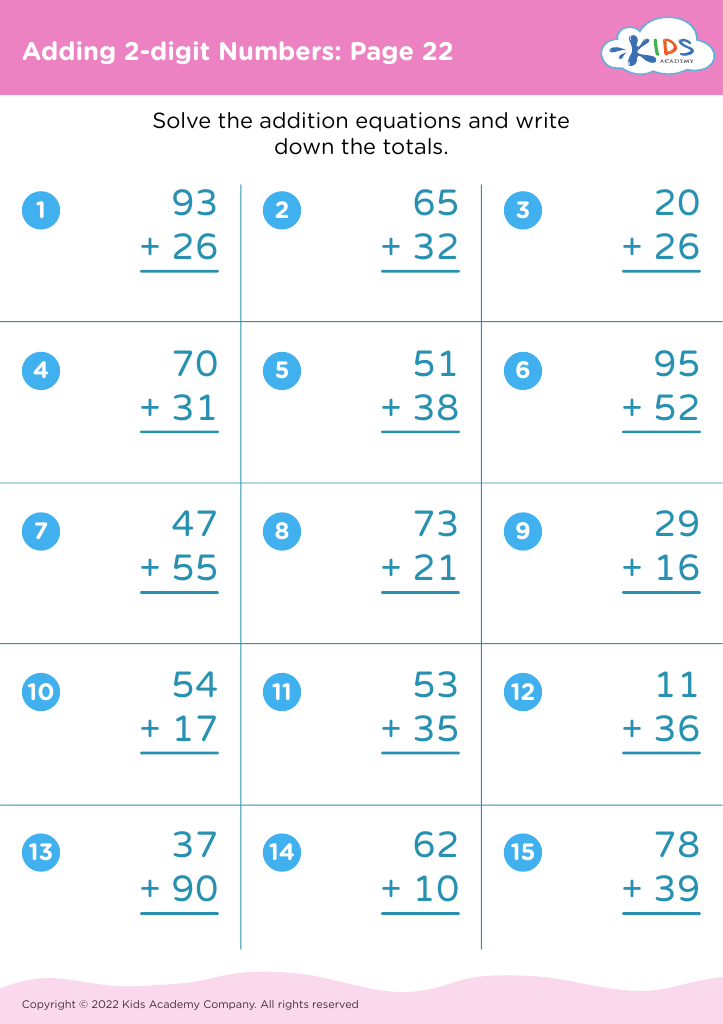
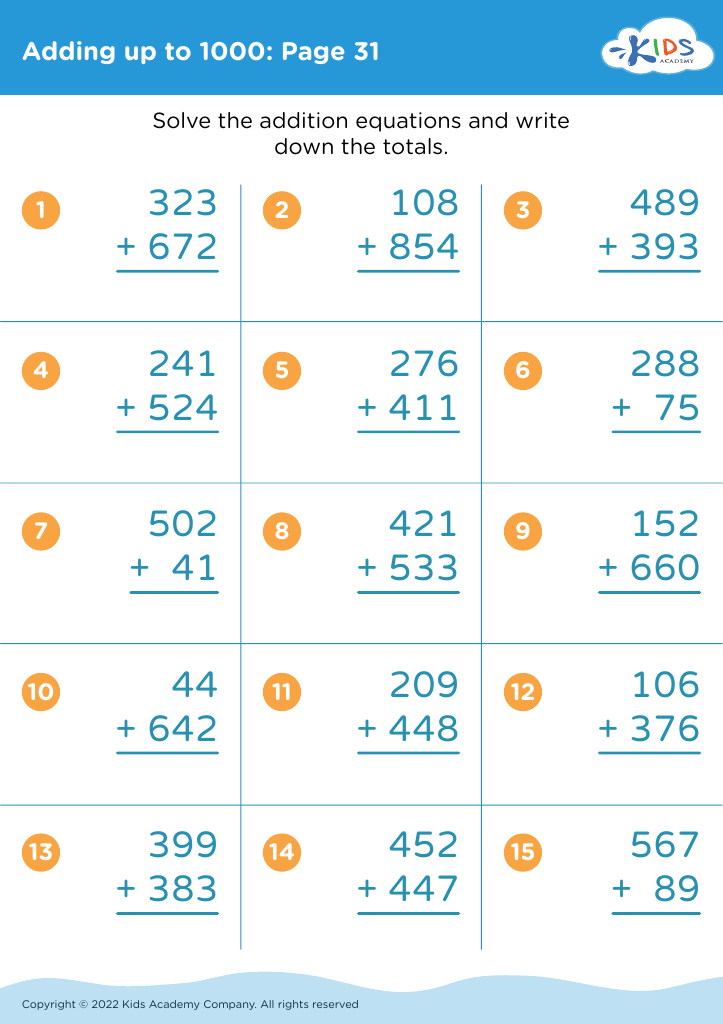
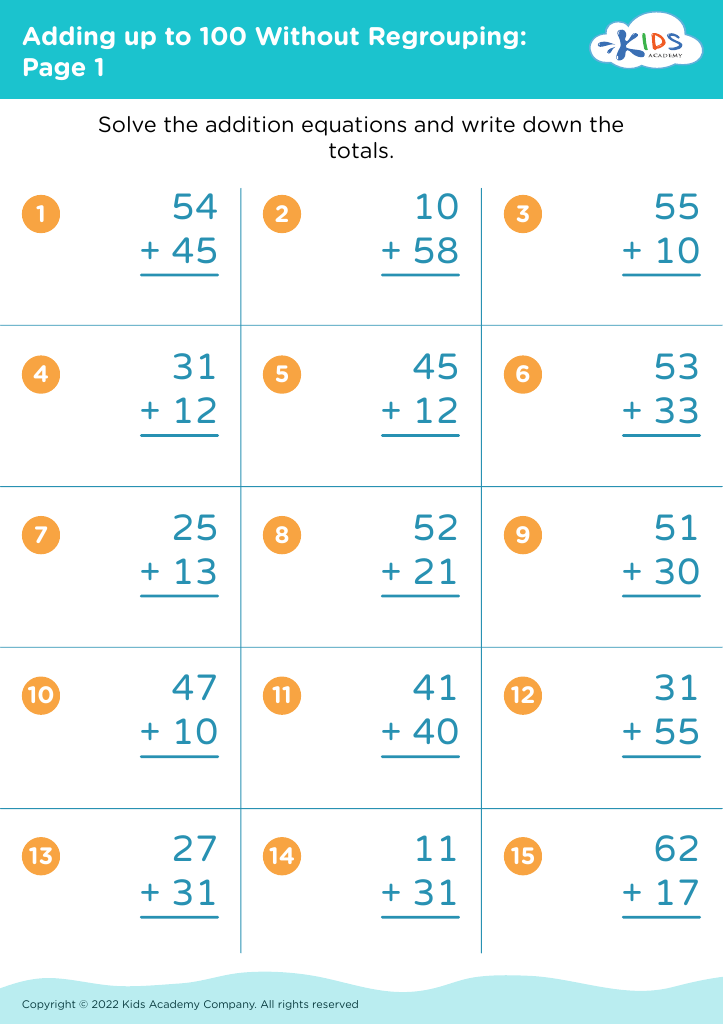
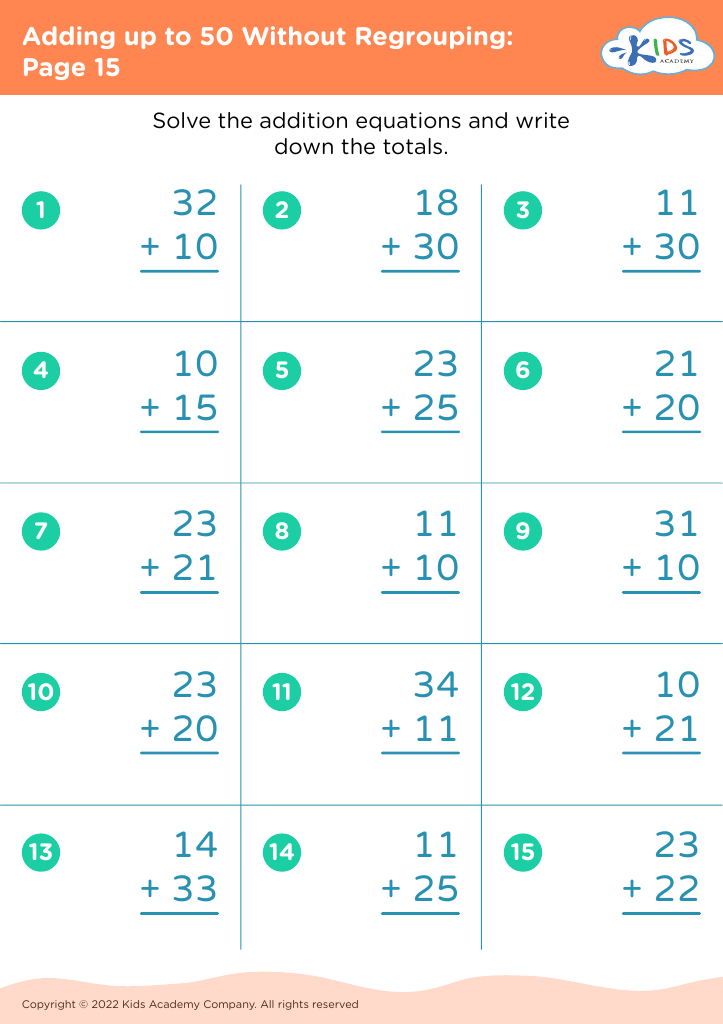








Parents and teachers play a crucial role in a child's education, particularly in the early development stages. It's important for them to focus on enhancing number recognition and basic arithmetic skills—addition and subtraction— for children aged 4-9 because these skills lay the groundwork for future mathematical understanding and everyday problem-solving.
At this age, children are rapidly developing cognitive abilities. Recognizing numbers and understanding their values form the basic building blocks for more advanced mathematical concepts. Without a strong grasp of number recognition, children may struggle as they encounter more complex math topics.
Additionally, understanding addition and subtraction helps children develop logical thinking and reasoning skills. These arithmetic operations are not just about computation; they teach children how to approach problems methodically. For example, if a child understands that adding two numbers means combining quantities and subtracting means removing a portion from a total, they will be able to apply these concepts to real-life situations, like sharing toys or calculating the remaining time for an activity.
Moreover, early math skills have been linked to better academic performance across subjects. Proficiency in math can boost a child's confidence and encourage a positive attitude towards learning, making them more likely to actively participate in classroom activities and perpetuate a cycle of educational success. Therefore, prioritizing number recognition and basic arithmetic is fundamental in fostering a child's overall academic growth and life skills.








