Reading clocks Addition & Subtraction Worksheets for Ages 4-9
3 filtered results
-
From - To
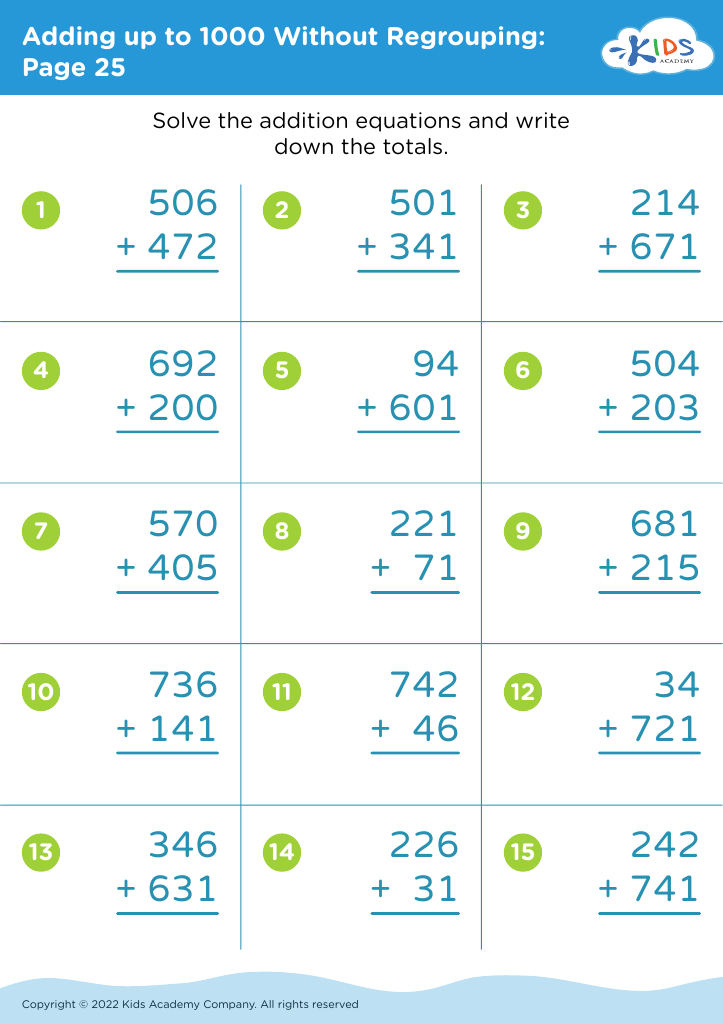
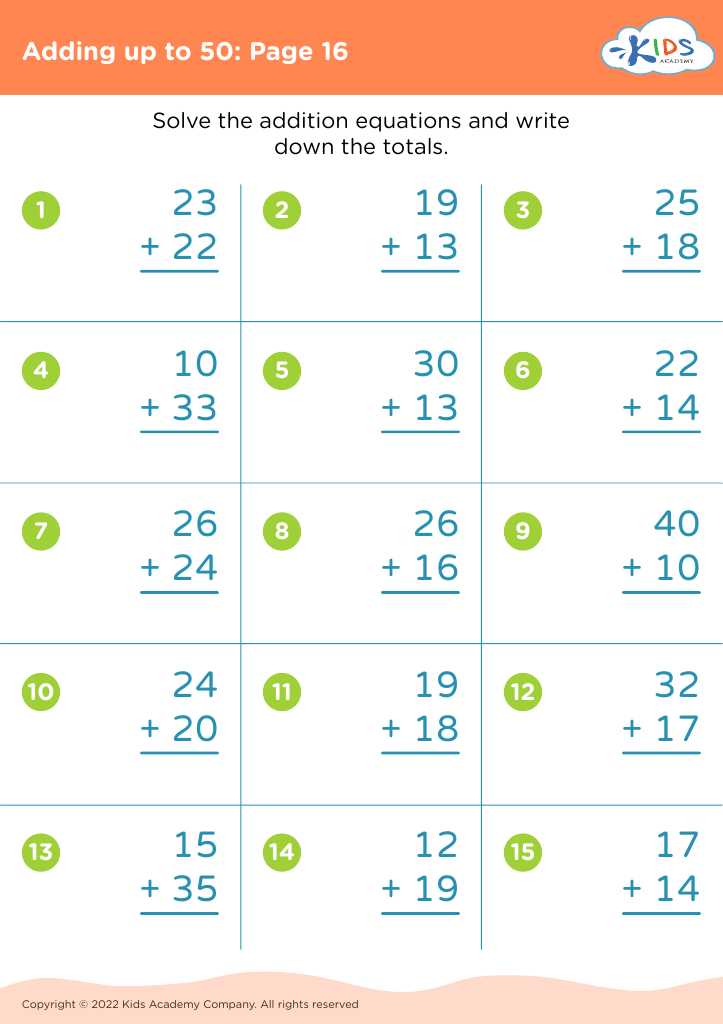
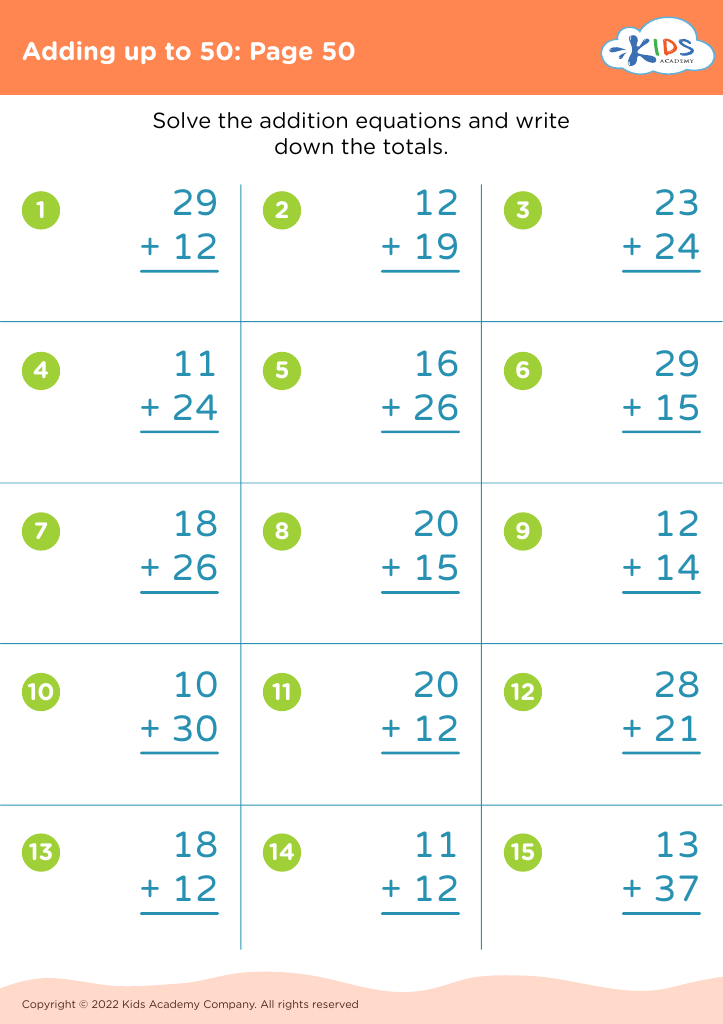
Enhance your child’s math skills with our "Reading Clocks Addition & Subtraction Worksheets" tailored for ages 4-9! Our interactive and fun worksheets are designed to help young learners grasp essential time-telling, addition, and subtraction concepts. Each activity engages kids with colorful visuals and practical exercises, ensuring they enjoy the learning process. With our expert-crafted resources, your child will master reading both analog and digital clocks while seamlessly practicing their math skills. Perfect for home or classroom use, these worksheets are a great way to boost confidence and proficiency in math. Download now and watch your child’s math skills flourish!








Reading clocks and understanding basic addition and subtraction are crucial skills for children aged 4-9, serving as foundational components of their cognitive and analytical development. For parents and teachers, investing time in teaching these skills holds significant importance for several reasons.
First, telling time fosters time management abilities. As children learn to read clocks, they develop an understanding of schedules, deadlines, and the concept of time, which supports their ability to manage daily activities and responsibilities. This awareness sets the stage for more structured routines, promoting organizational skills that are important in both academic and personal settings.
Secondly, mastering addition and subtraction is fundamental to mathematical literacy. These operations form the basis for more complex topics such as multiplication, division, and problem-solving strategies later in education. Early competency in maths bolsters confidence, encourages a positive attitude towards learning, and enhances critical thinking. These skills are not just limited to math but are also useful across various subjects and day-to-day situations, such as handling money and measuring ingredients in cooking.
Furthermore, these activities enhance fine motor skills and the ability to concentrate. Activities like drawing clock hands or solving arithmetic problems require precision and careful attention, hence benefiting overall cognitive and motor development.
In summary, supporting children in mastering these foundational skills equips them with essential life skills, promotes academic achievement, and builds a strong platform for future learning.








