Understanding Math Concepts Addition & Subtraction Worksheets for Ages 4-9
3 filtered results
-
From - To
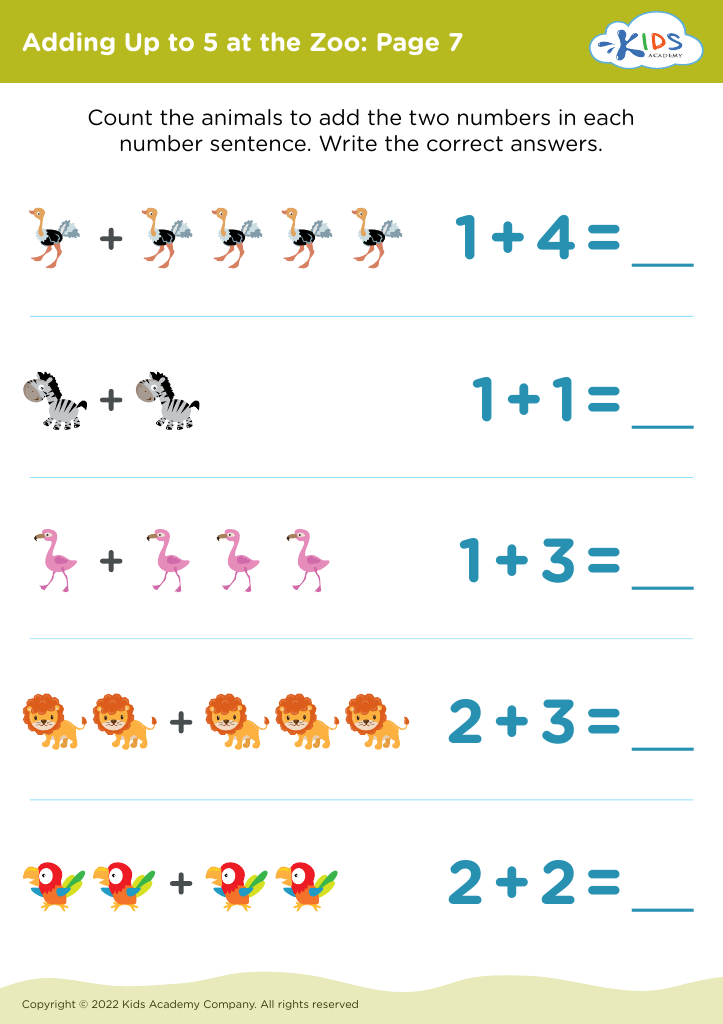
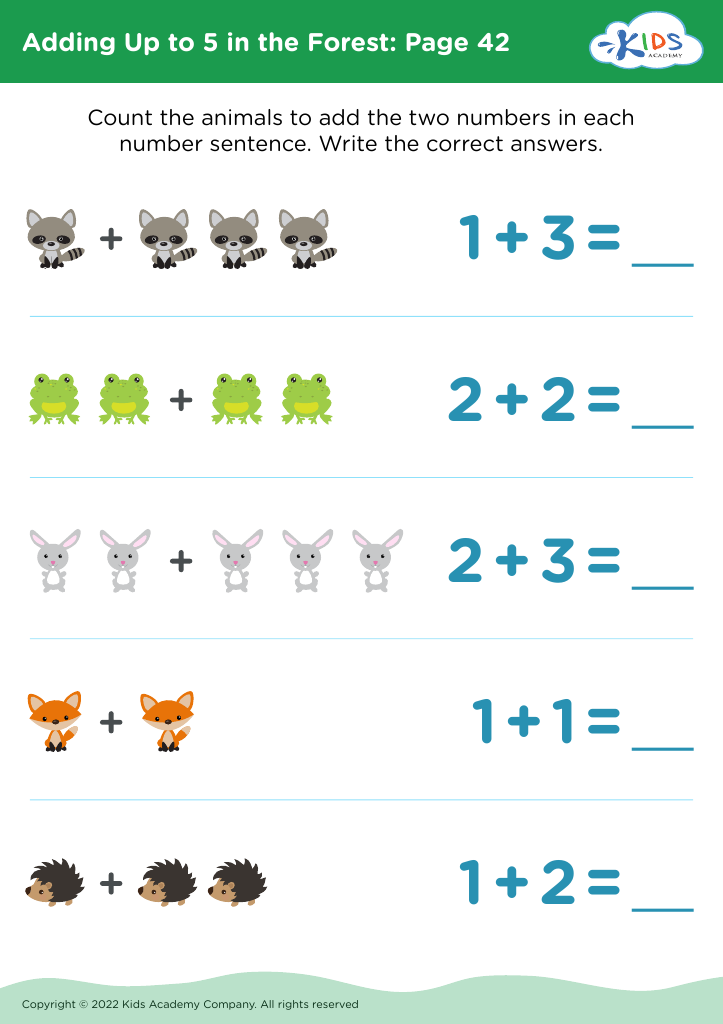
Explore our "Understanding Math Concepts: Addition & Subtraction Worksheets" designed for children aged 4 to 9! These engaging worksheets help young learners master essential math skills through fun, hands-on activities. Our thoughtfully crafted resources encourage a deep understanding of addition and subtraction concepts, promoting critical thinking and problem-solving abilities. Each worksheet features colorful illustrations and varied exercises, making learning enjoyable and interactive. Whether your child is just starting out or looking to reinforce their knowledge, these worksheets provide the perfect balance of challenge and encouragement. Make math a joyful journey for your child today!
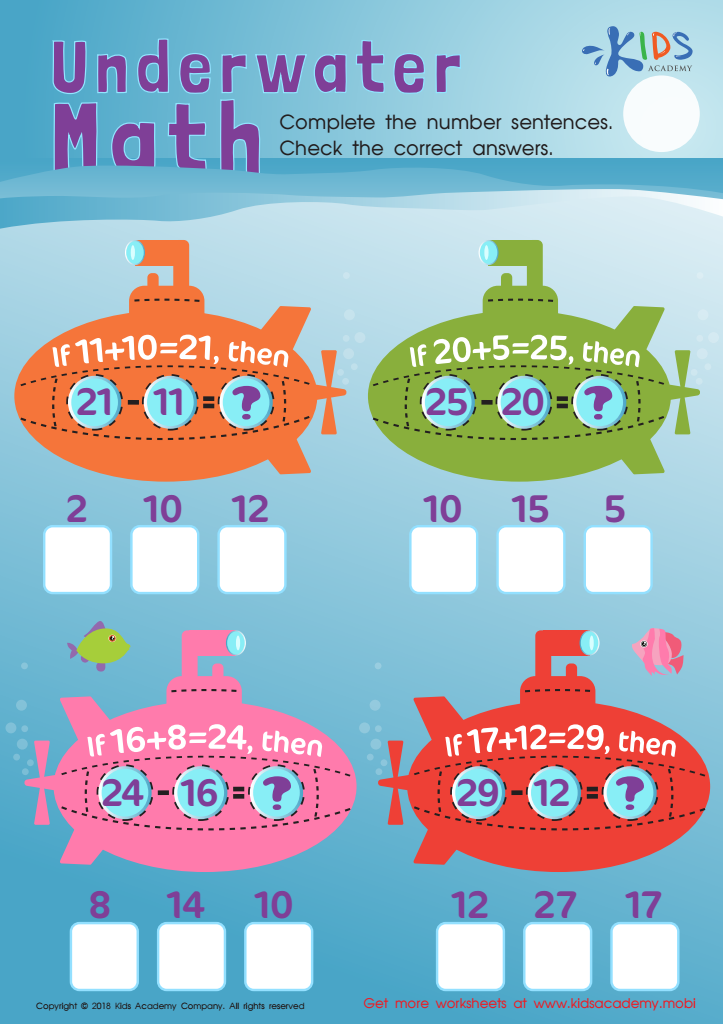
Addition and Subtraction: Underwater Math Worksheet
 Assign to My Students








Understanding math concepts like addition and subtraction is crucial for children aged 4 to 9 because these skills form the foundation for all future mathematics learning. During these formative years, children begin to grasp essential numerical relationships and problem-solving strategies. Mastery of addition and subtraction promotes logical thinking, critical analysis, and cognitive development.
Parents and teachers should recognize that a solid understanding of these concepts enhances children's confidence in math. It builds a positive attitude towards learning, making math anxiety less likely to develop. Engaging children with hands-on activities, games, and real-life applications fosters enthusiasm and reinforces these vital skills.
Additionally, learning addition and subtraction helps with everyday tasks, such as budgeting allowances or understanding time. It encourages children to think mathematically in contexts outside the classroom. Moreover, a strong foundational skillset prepares students for more advanced topics in higher grades—making it essential for long-term academic success.
In a collaborative effort, caregivers can support children’s understanding by communicating with them about math in a fun and relatable way, providing encouragement, and celebrating their achievements. This partnership enriches children’s learning experiences, ensuring they become confident, capable mathematicians.








