Understanding patterns Addition & Subtraction Worksheets for Ages 4-9 - Page 2
34 filtered results
-
From - To
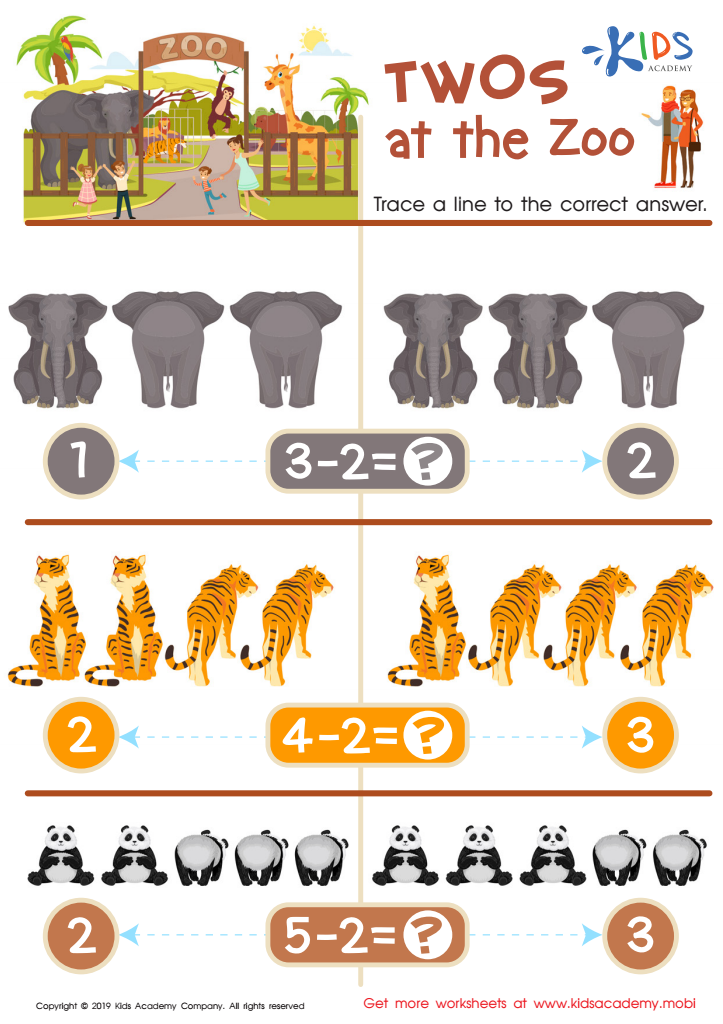
Twos at the Zoo Worksheet
 Assign to My Students
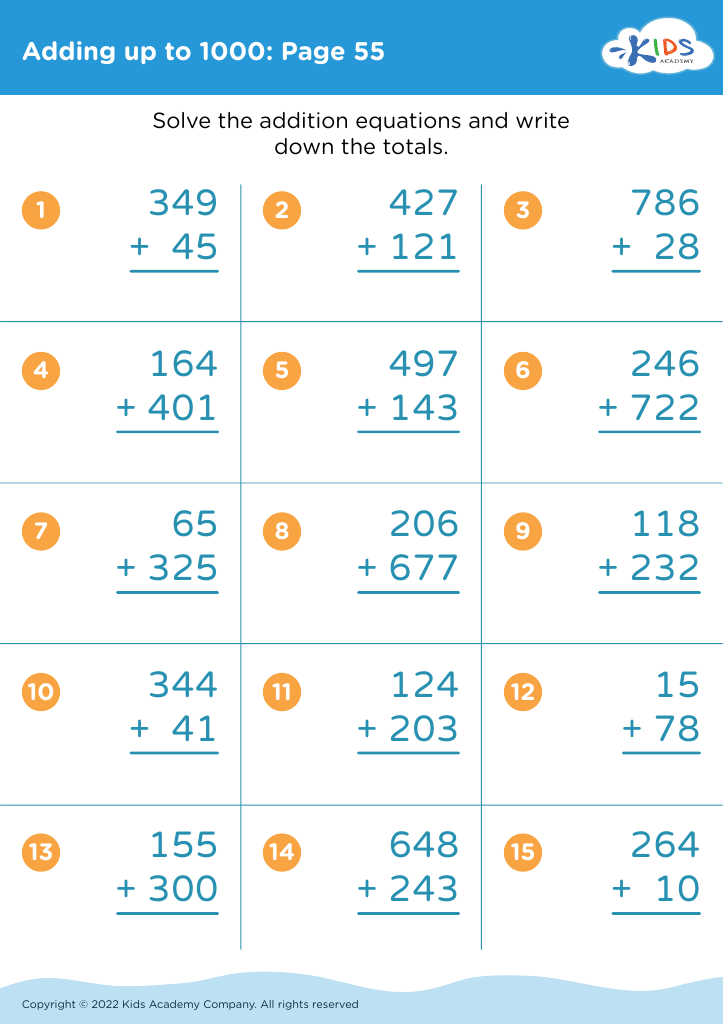
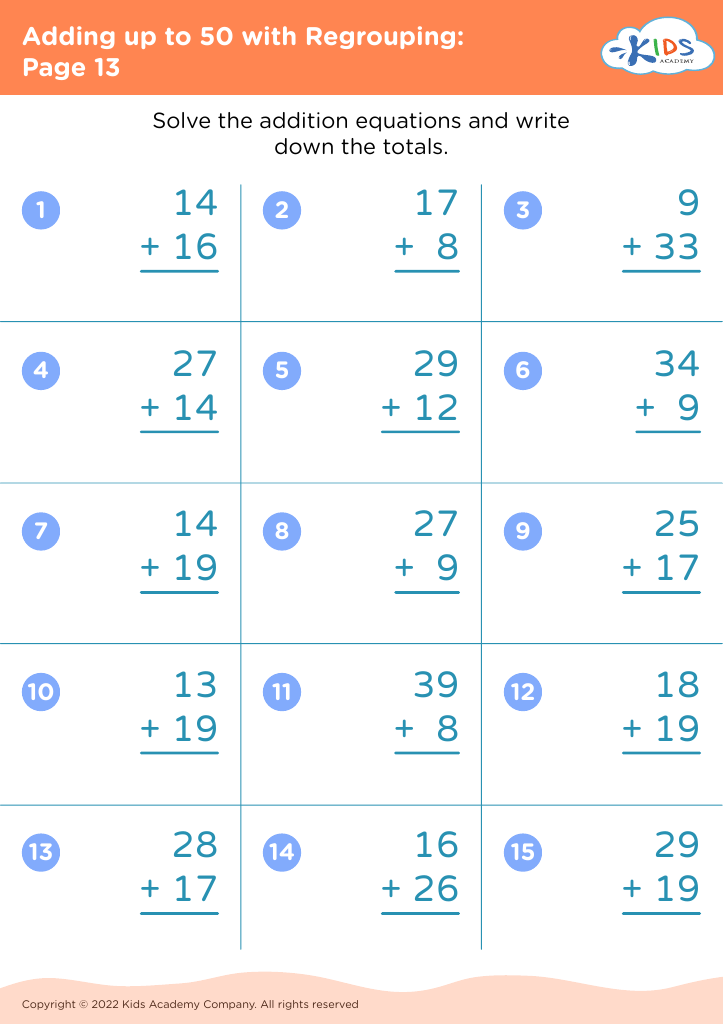








Understanding patterns in addition and subtraction is immensely important for children aged 4-9 because these foundational skills enable them to grasp more complex math concepts later on. For one, recognizing patterns helps improve problem-solving abilities and analytical thinking. When children understand that adding a series of numbers (like 1, 2, 3) follows a certain pattern, they start to predict outcomes, enhancing their cognitive abilities.
Early proficiency in addition and subtraction forms the bedrock for all future math learning, including multiplication, division, and beyond. It equips kids with the skills necessary for academic success, not just in math, but in subjects that require analytical reasoning, like science and even language arts. Besides, hands-on experience with these arithmetic principles can make math seem less intimidating and more entertaining, fostering a positive attitude towards learning.
Moreover, skills in addition and subtraction integrate seamlessly into everyday activities. Whether it’s counting toys, dividing snacks, or even understanding time and money, these real-world applications highlight the practicality and relevance of what they’re learning.
Lastly, the age group 4-9 marks crucial developmental years, where children are naturally curious and absorbent. Nurturing their capabilities at this stage sets a strong foundation for lifelong learning while fostering intellectual curiosity and confidence.








