Visual Perception Skills Addition & Subtraction Worksheets for Ages 4-9
5 filtered results
-
From - To
Enhance your child's learning experience with our Visual Perception Skills Addition & Subtraction Worksheets designed for ages 4-9. These engaging worksheets help young learners develop essential visual perception skills crucial for math success. By integrating fun and creativity, our thoughtfully crafted activities reinforce their understanding of addition and subtraction concepts, making learning enjoyable. Children will practice identifying numbers, recognizing patterns, and interpreting visual information while building a solid foundation in math. Join us in nurturing your child's cognitive growth and confidence in mathematical abilities with these stimulating worksheets that cater to early learners’ needs. Perfect for home or classroom use!
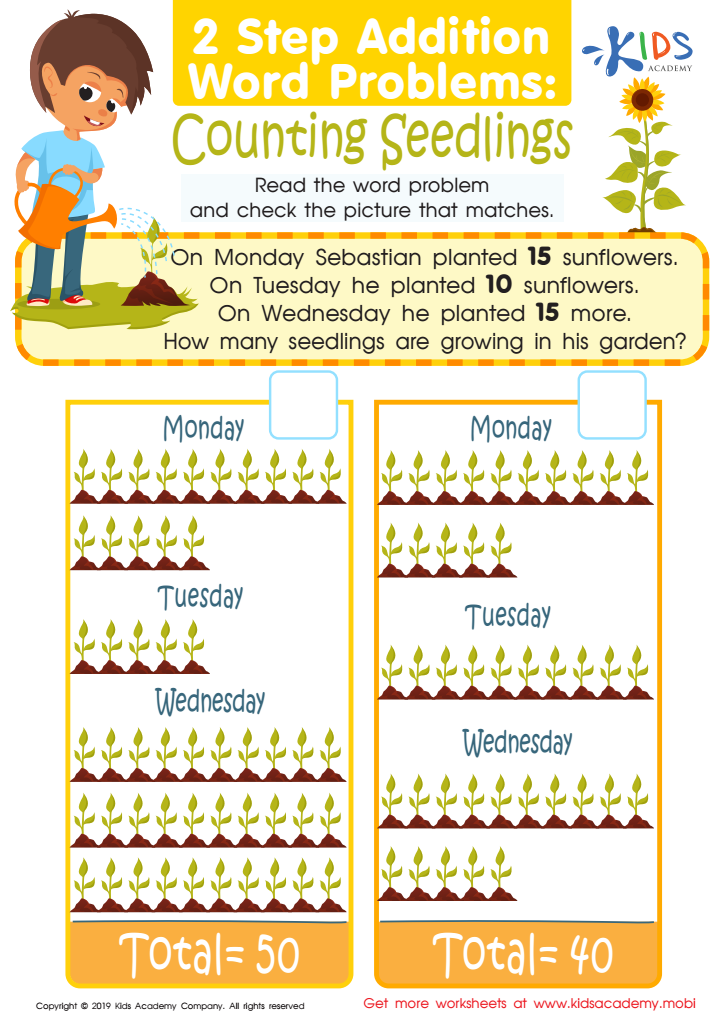
Counting Seedlings Worksheet
 Assign to My Students
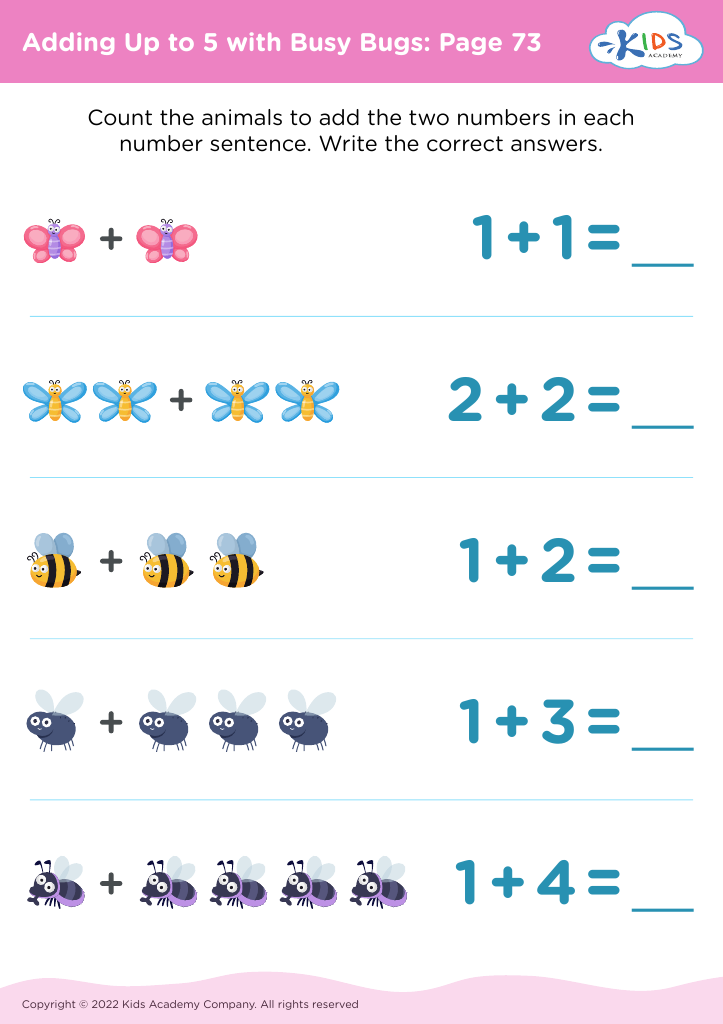
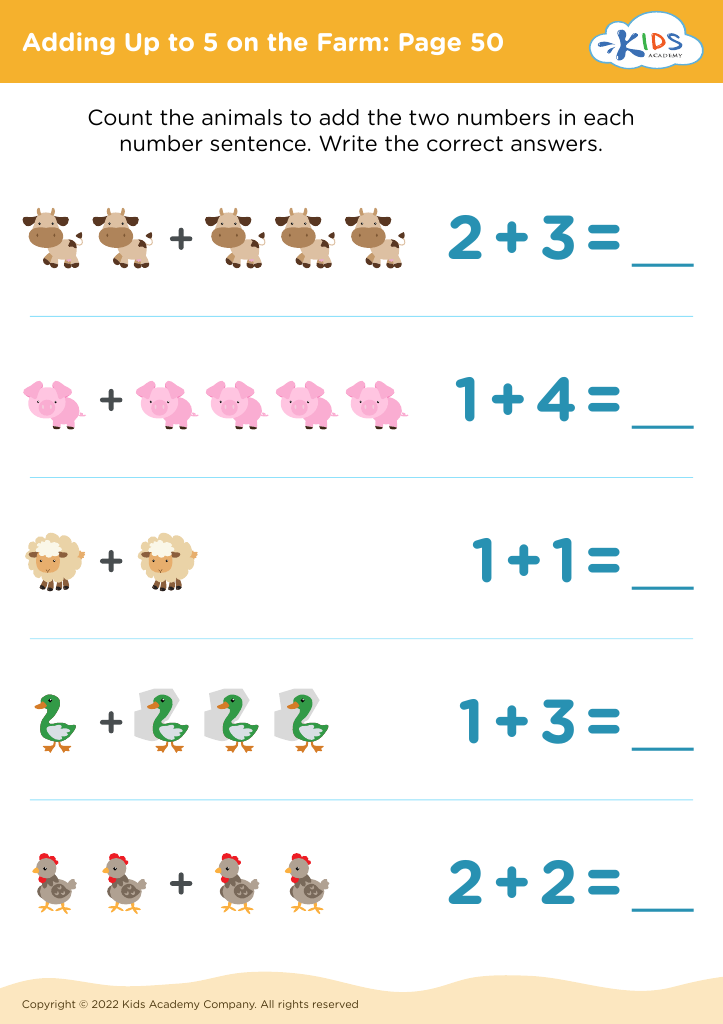
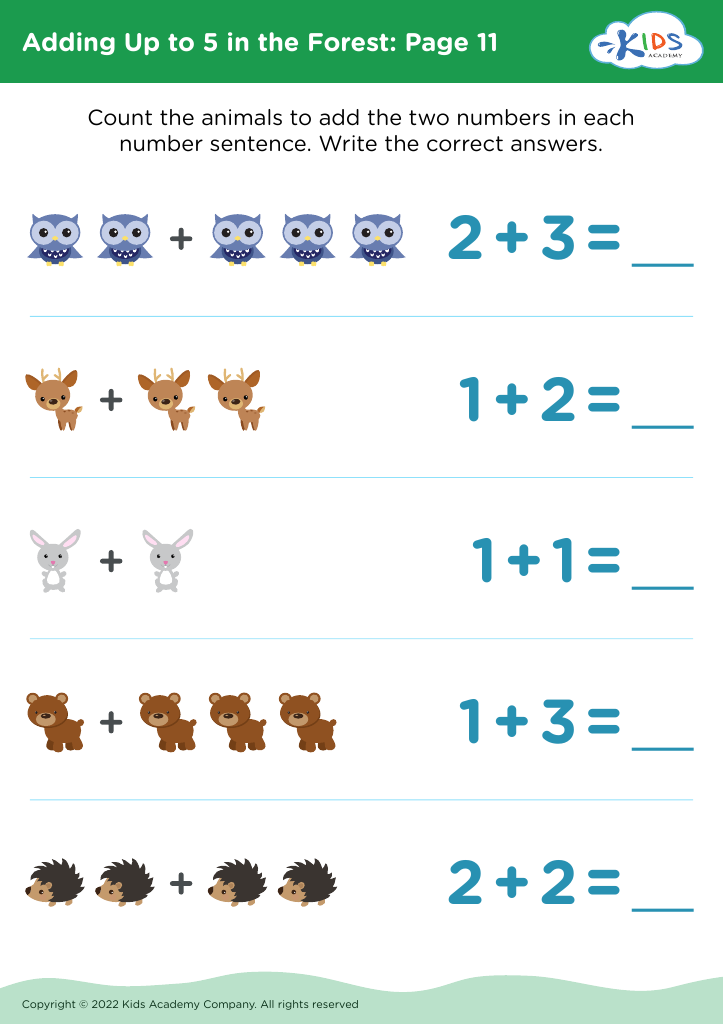
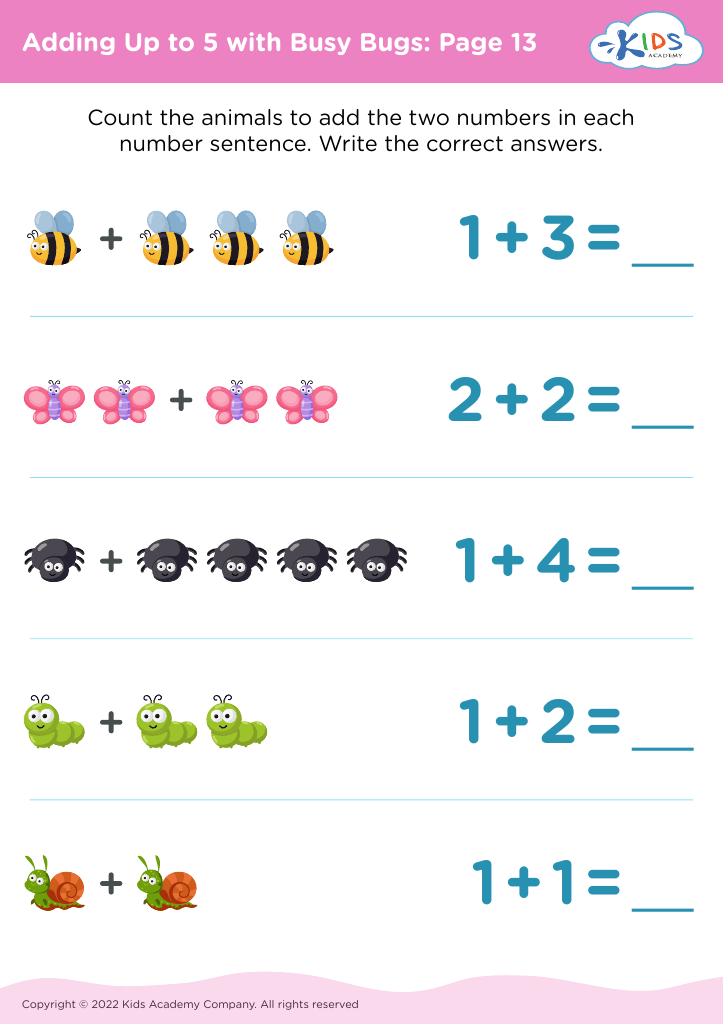








Visual perception skills are crucial for early learners as they play a fundamental role in a child's ability to understand and perform addition and subtraction. These skills enable children to interpret visual information accurately, which is essential in mathematics. For ages 4-9, visual perception involves recognizing shapes, spatial relationships, and the ability to focus on specific details, all of which support mathematical concepts.
When children possess strong visual perception skills, they can easily manipulate numbers, recognize patterns, and comprehend problems more effectively. This foundational ability correlates with their overall academic success and self-confidence in math. Moreover, engaging children in activities that enhance these skills, such as puzzles, games, and hands-on learning, can make addition and subtraction more enjoyable and relatable.
Parents and teachers should prioritize visual perceptual development because it lays the groundwork for further learning in mathematics and supports cognitive growth. Children who struggle with these skills may face challenges in understanding more complex mathematical principles later on. By fostering strong visual perception skills early, parents and teachers can ensure that children have the tools they need to succeed in mathematics and build lifelong problem-solving capabilities.








