Visualization skills Addition & Subtraction Worksheets for Ages 4-9
4 filtered results
-
From - To
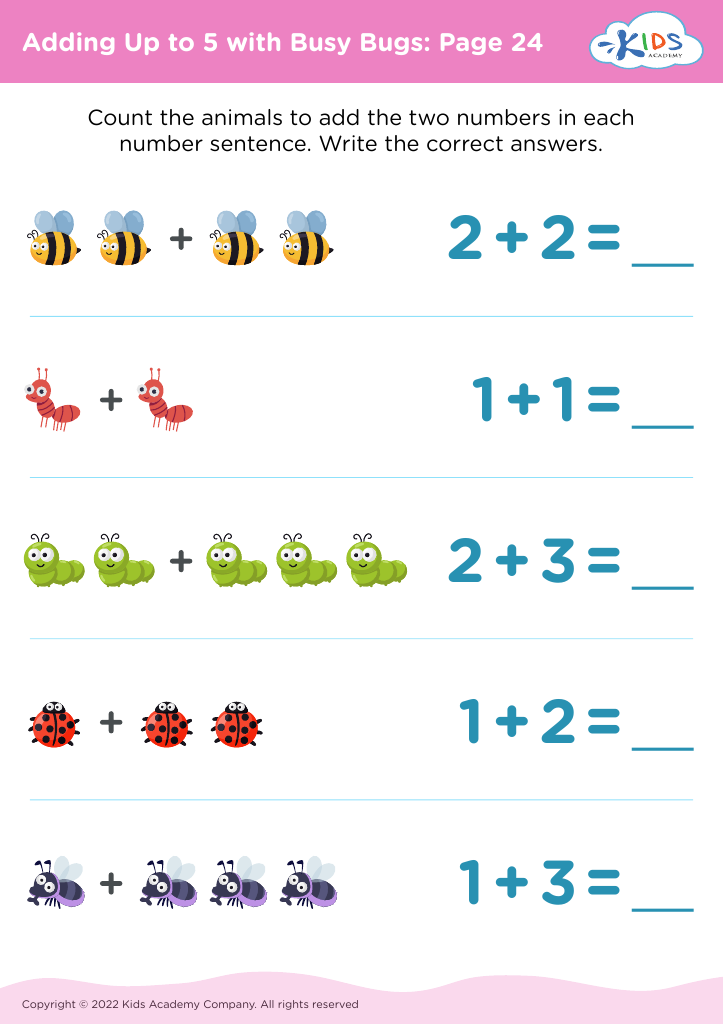
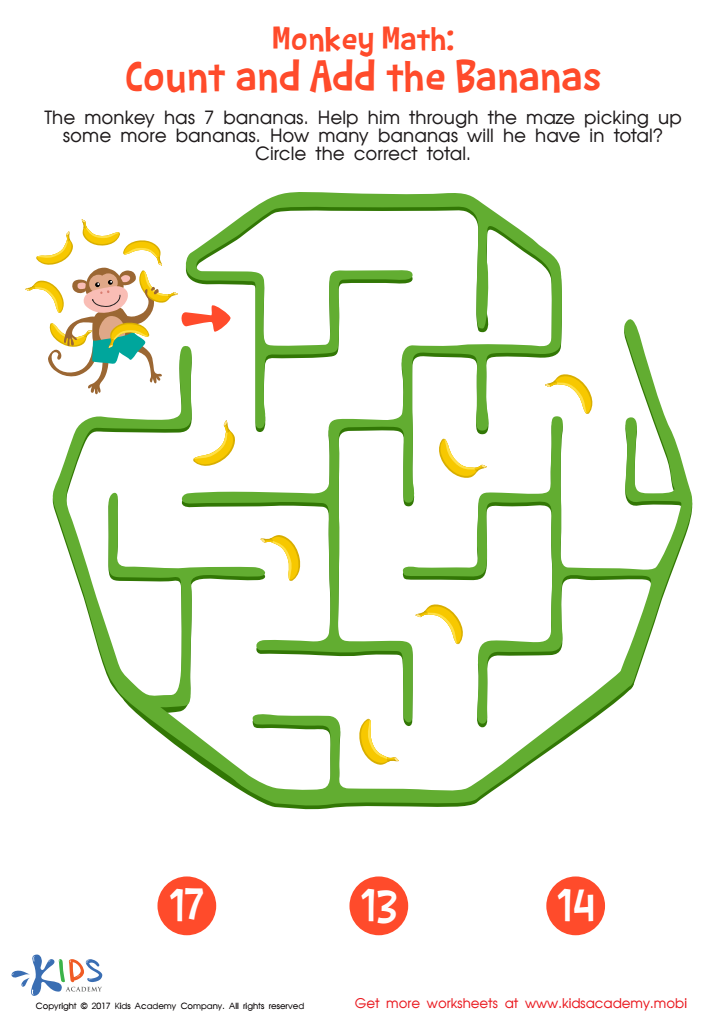
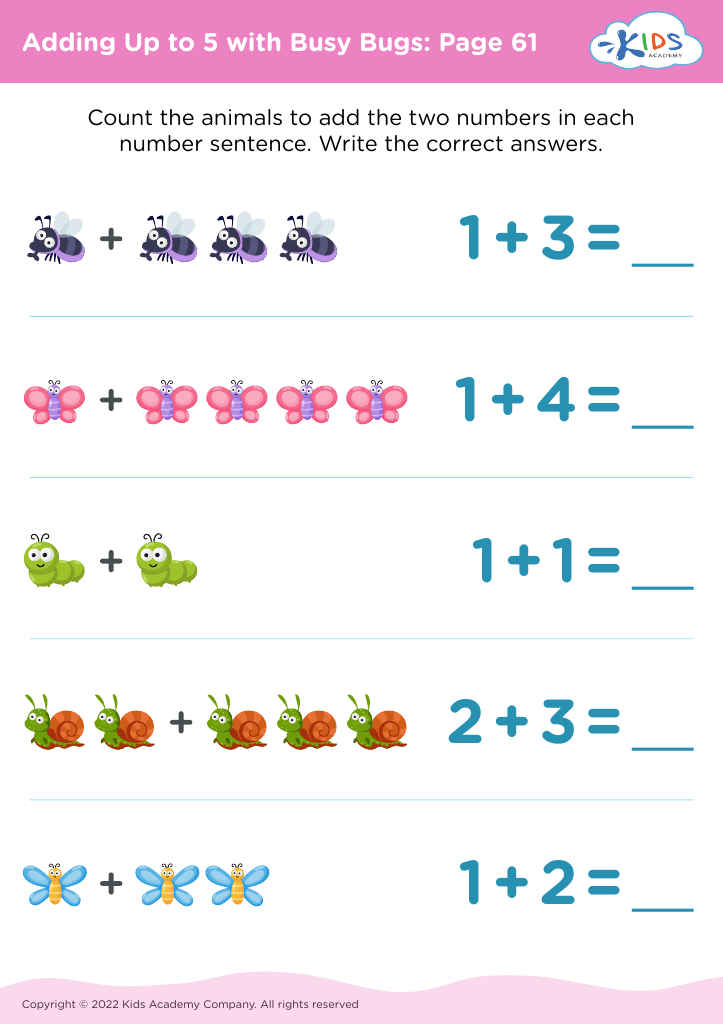
Enhance your child's visualization skills with our engaging Addition and Subtraction Worksheets designed for ages 4-9. These worksheets encourage young learners to visualize mathematical concepts, promoting a deeper understanding of numbers and operations. Through interactive exercises, children will develop essential problem-solving skills as they tackle exciting challenges that strengthen their addition and subtraction abilities. With vibrant illustrations and supportive content, parents and educators can nurture a child's mathematical confidence. Perfect for classroom use or at-home learning, these worksheets are an essential resource for making math fun and accessible while fostering critical visualization skills. Start your child’s math adventure today!
 Assign to My Students
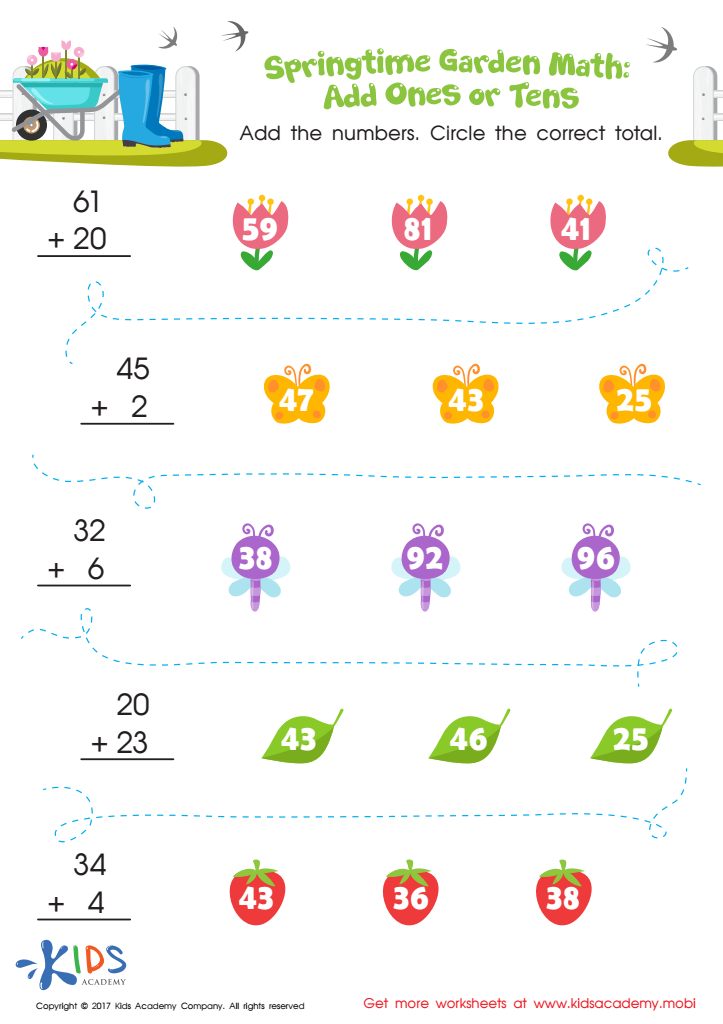
Springtime Garden Math Worksheet








Parents and teachers should prioritize the development of visualization skills in young children, particularly for addition and subtraction, as it lays a critical foundation for mathematical understanding. At ages 4-9, children are in a key period of cognitive growth where they first encounter the concepts of numbers and operations. Visualization allows children to mentally picture mathematical problems, enhancing comprehension and problem-solving abilities.
When children can visualize numbers and their relationships, they can grasp various strategies such as counting objects, using number lines, and employing arrays. This ability not only boosts their confidence but also fosters a deeper understanding of concepts like "more than," "less than," and the idea of "part-whole relationships."
Furthermore, good visualization skills can help reduce math anxiety later in life. Children who can effectively visualize problems are likely to approach math with a positive mindset. Ultimately, by nurturing these skills, parents and teachers enable children to become proficient in arithmetic and develop a solid foundation for more advanced mathematical concepts, encouraging a lifelong love for learning in mathematics. Engaging in playful, hands-on activities can make the process enjoyable and impactful at this vital developmental stage.








