Counting skills Addition Worksheets for Ages 4-9
227 filtered results
-
From - To
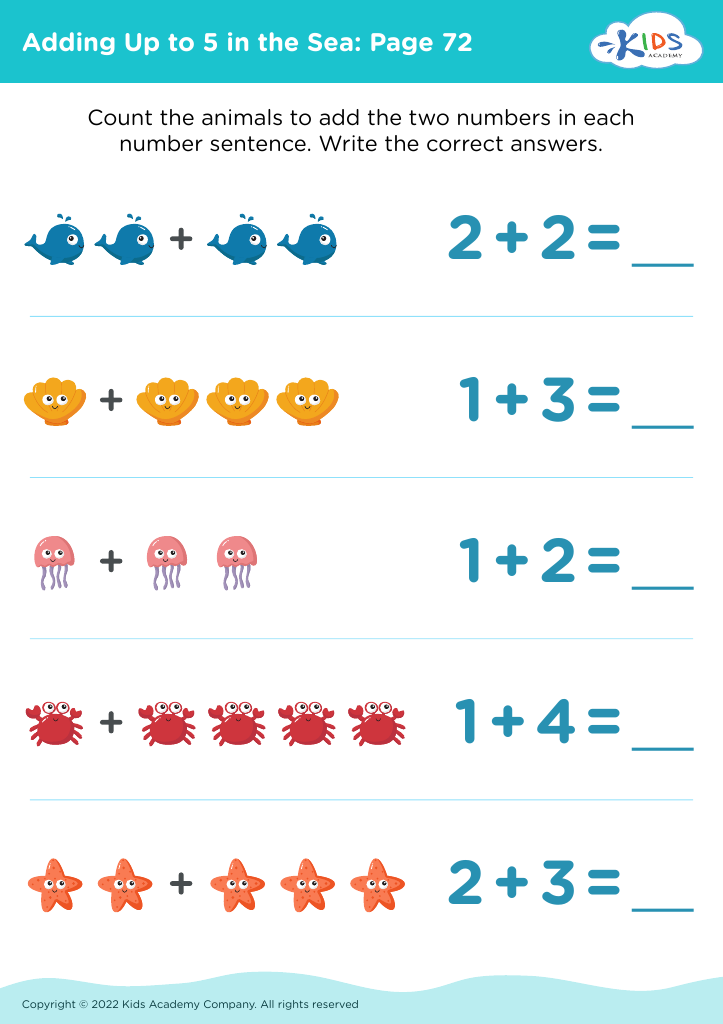
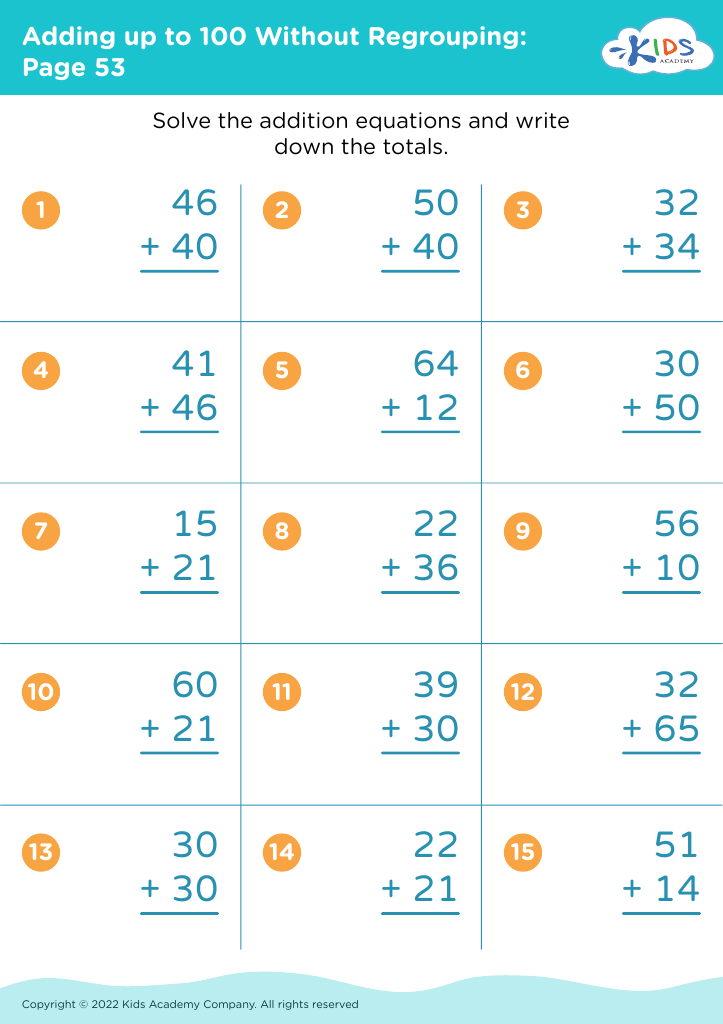
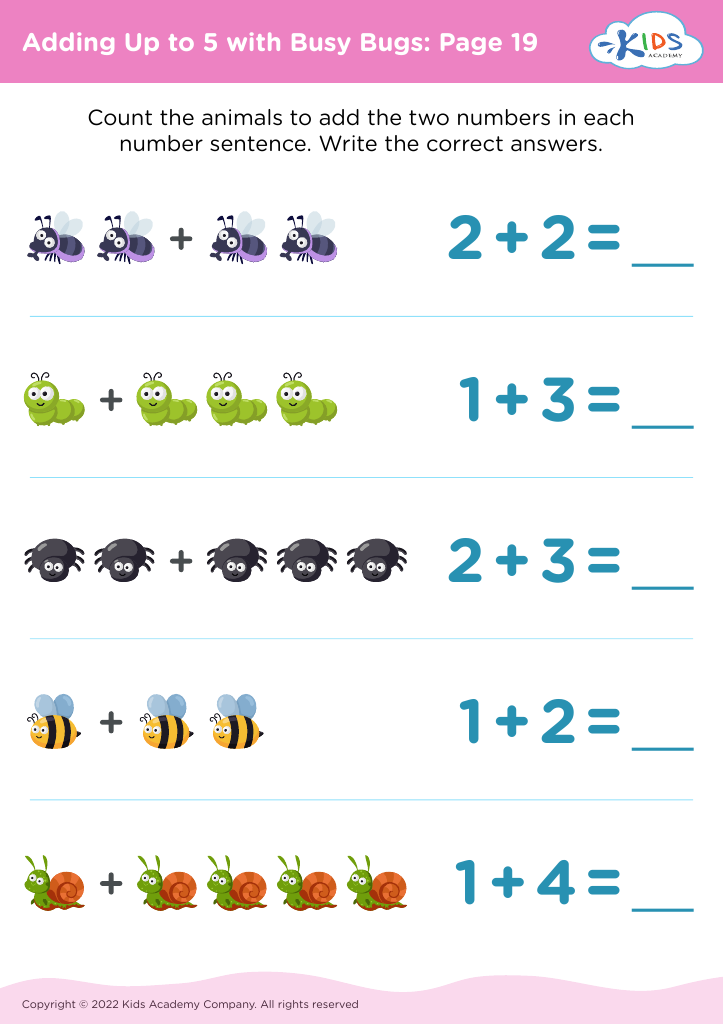
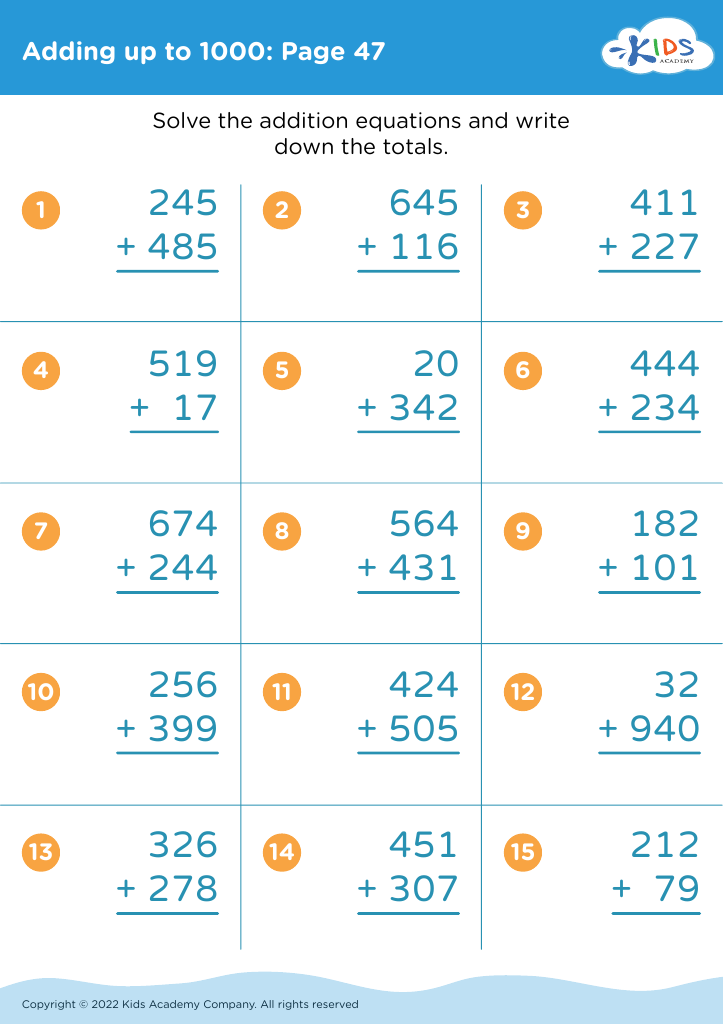
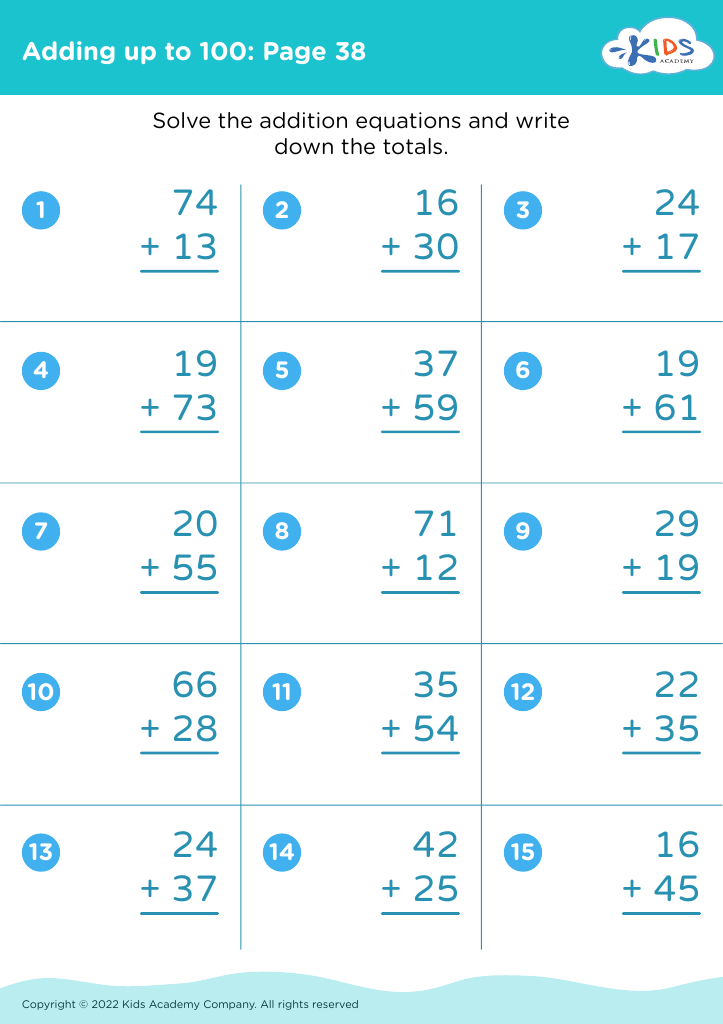
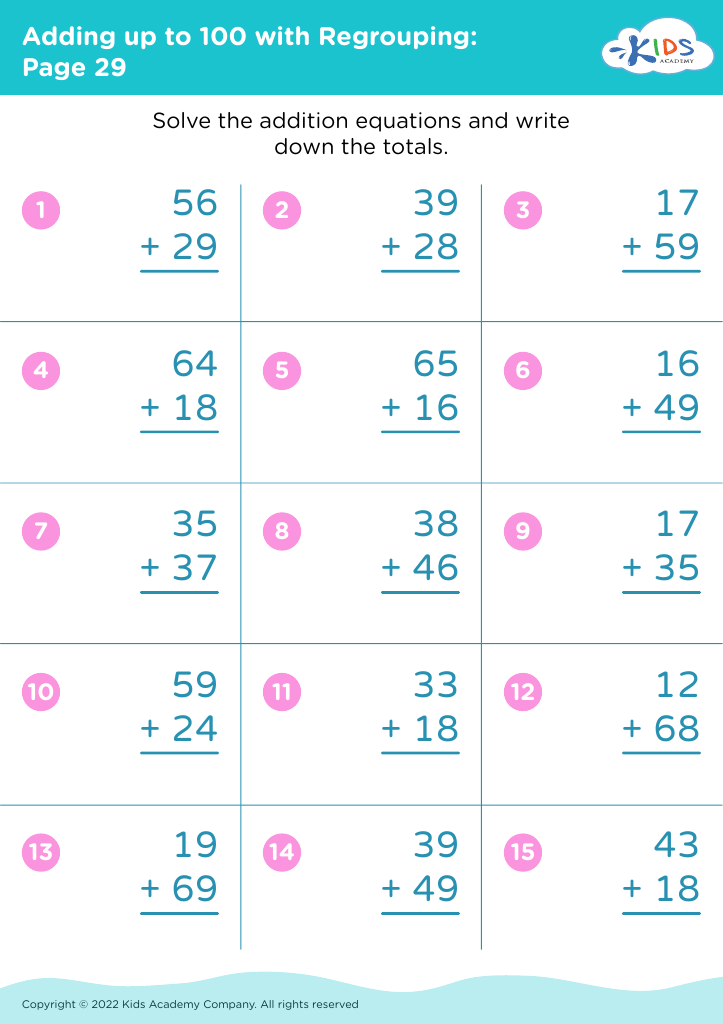
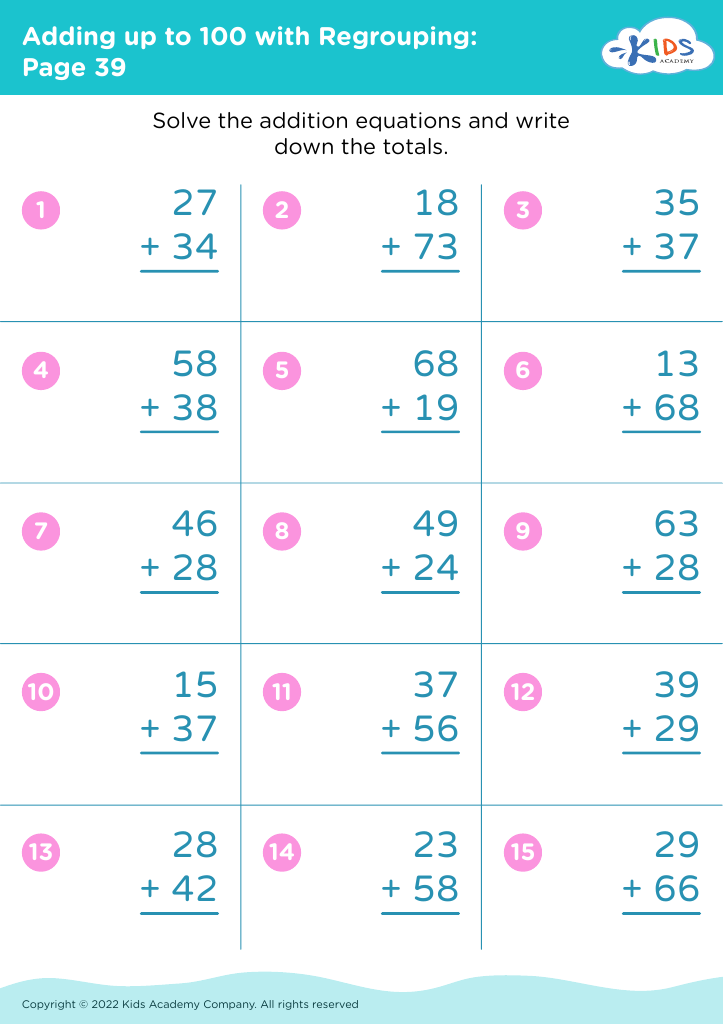
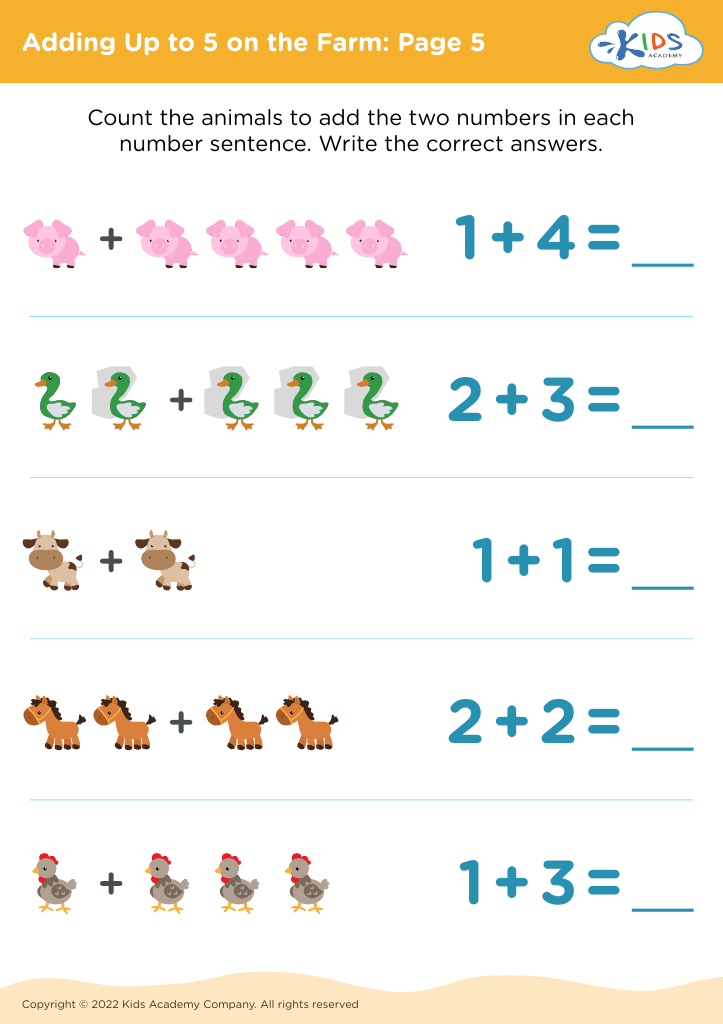
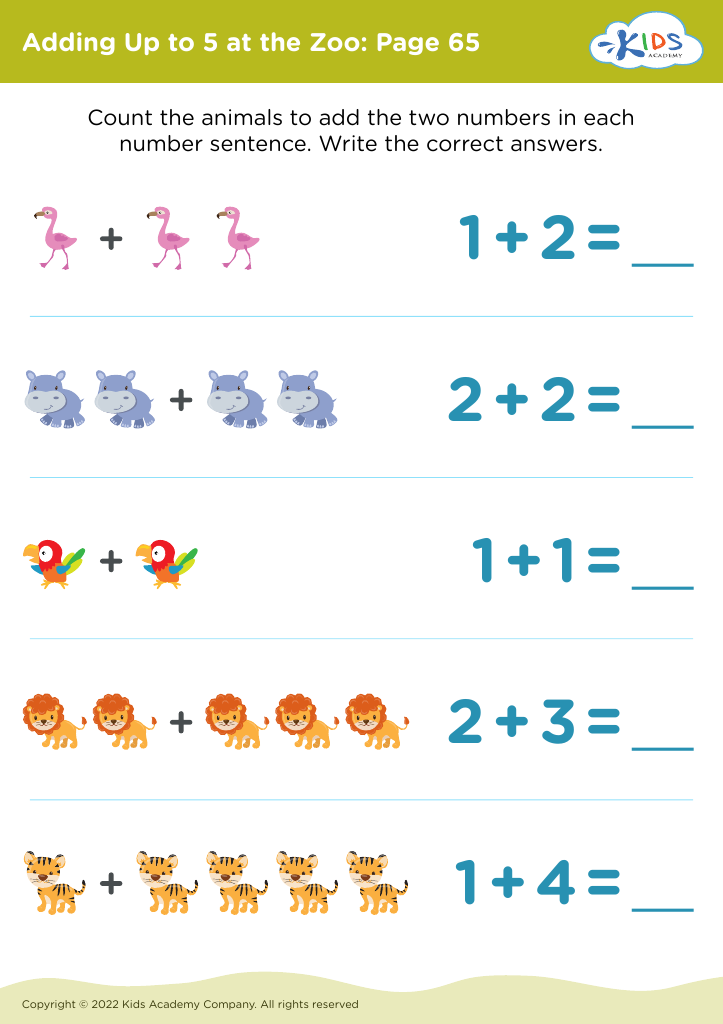
Discover our engaging Counting Skills Addition Worksheets designed for children aged 4-9! These worksheets are perfect for helping young learners develop foundational math skills while making counting fun. With a variety of colorful activities, students will practice counting objects, adding numbers, and understanding basic addition concepts in a hands-on way. Our resources provide valuable practice that can enhance both classroom learning and at-home study sessions. Tailored to keep young minds engaged, these worksheets foster confidence and excitement in early mathematics. Explore our collection today and empower your child’s mathematical journey with interactive counting activities! Perfect for teachers and parents alike!
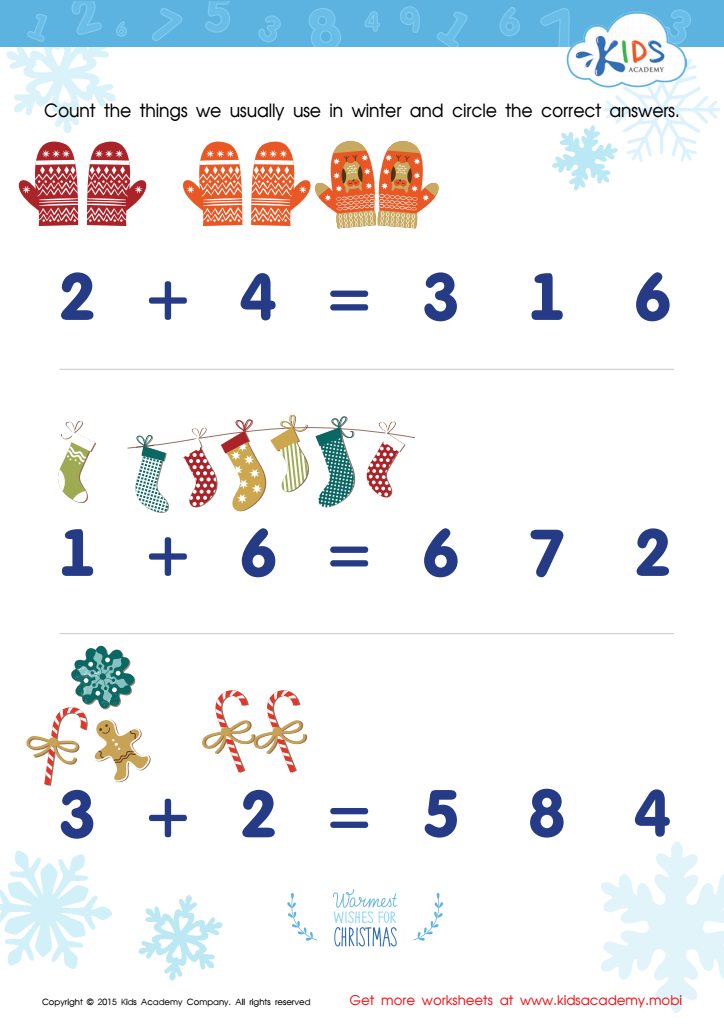
Count Winter Things Worksheet
 Assign to My Students
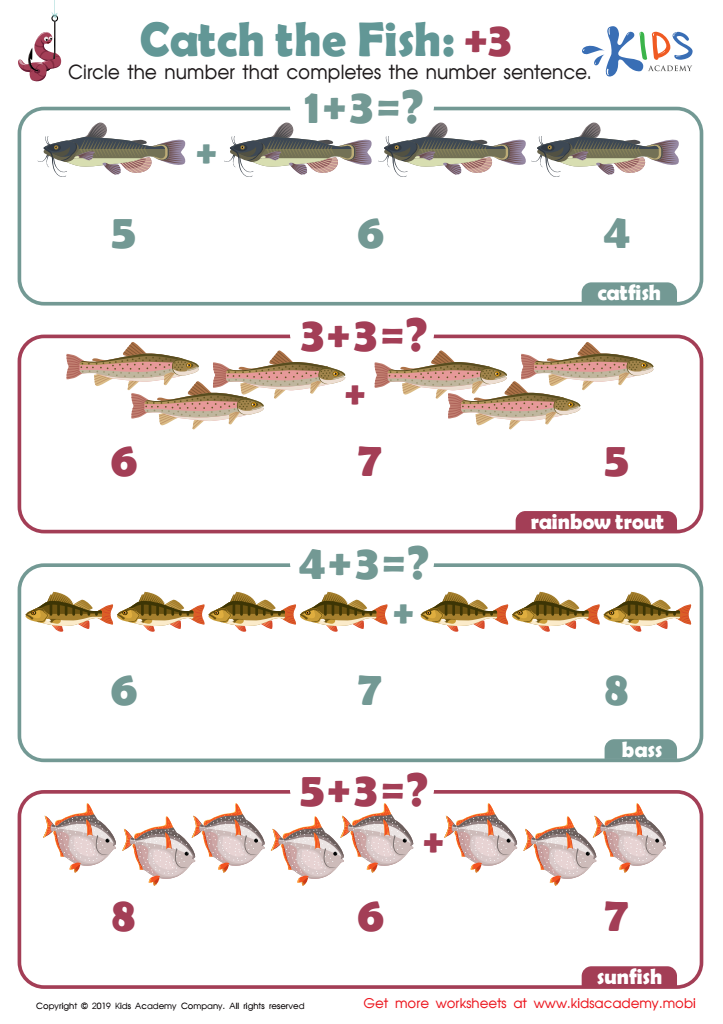
Catch the Fish: +3 Worksheet
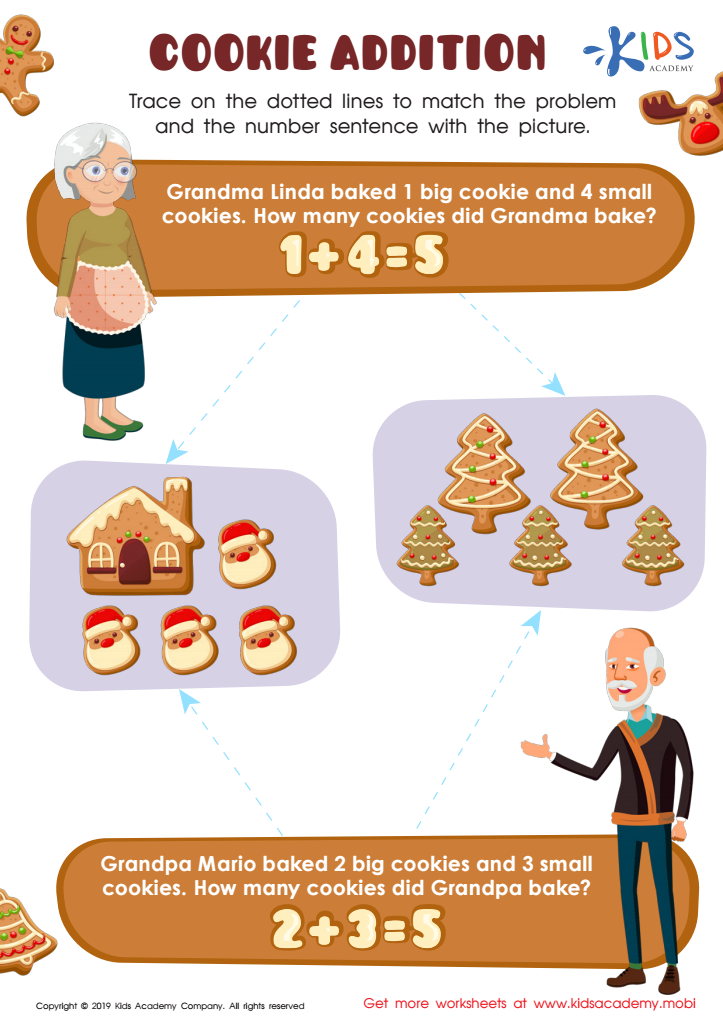
Cookie Addition Worksheet
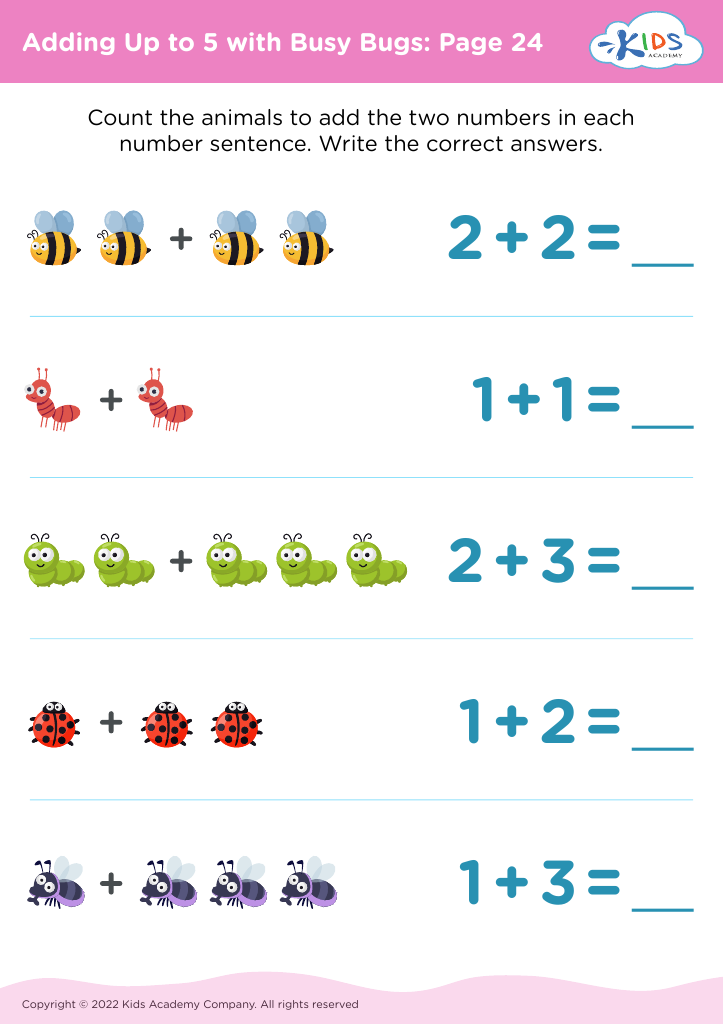
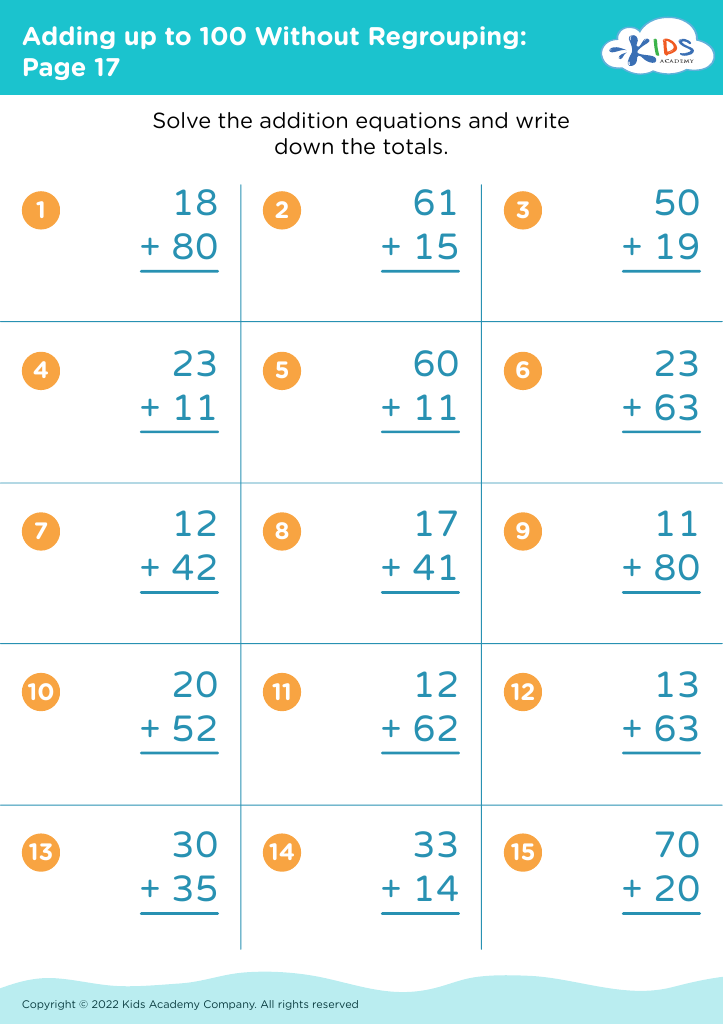
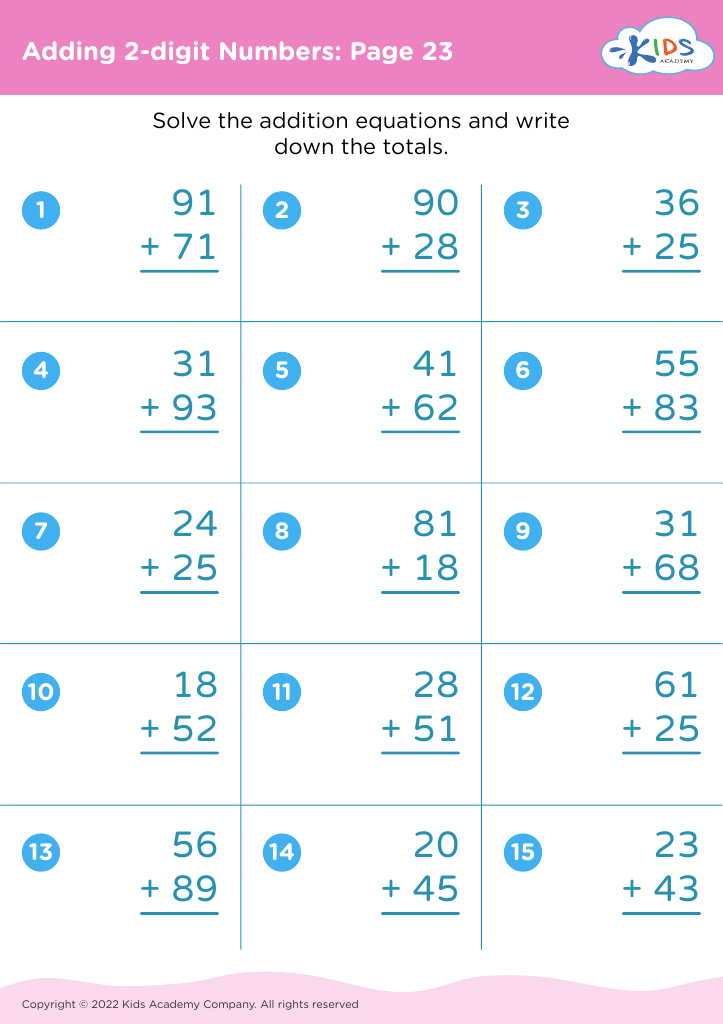
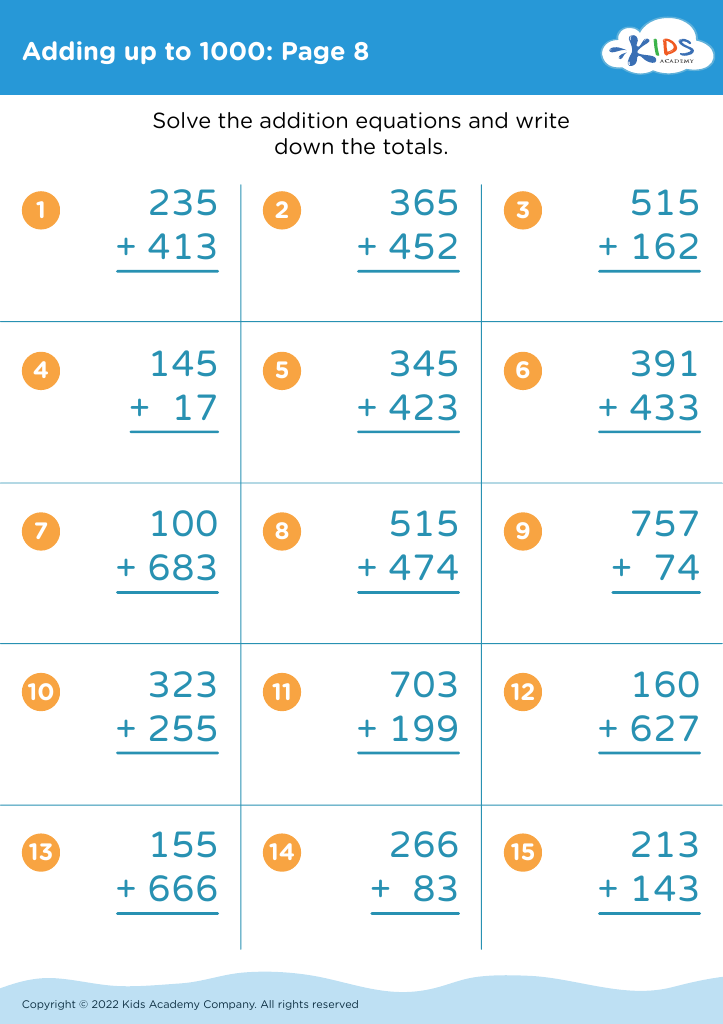


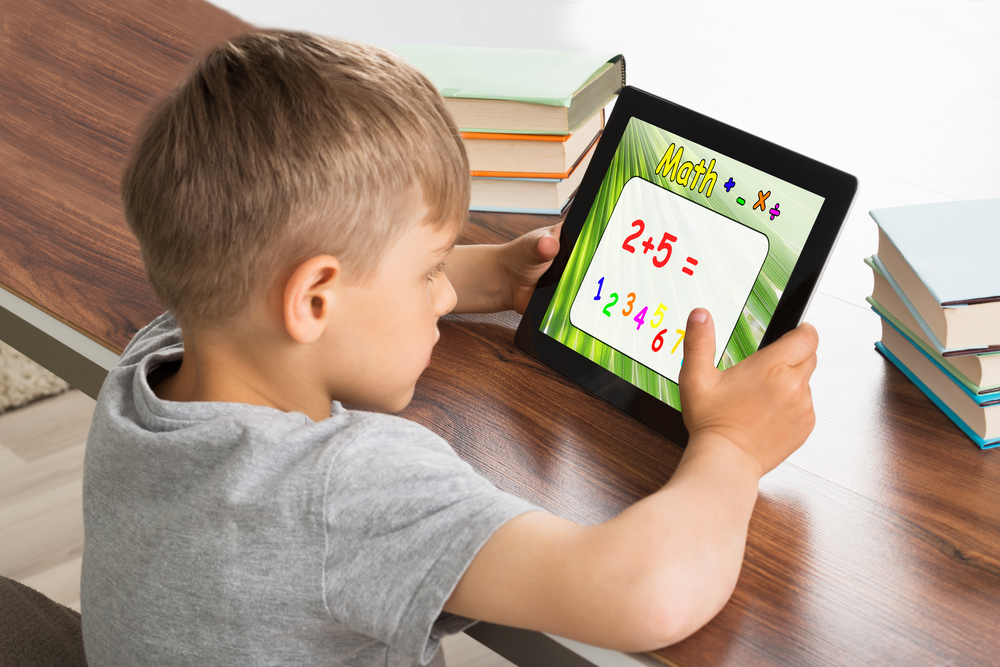





Counting skills and addition are foundational to a child's mathematical understanding and overall cognitive development, particularly for ages 4-9. During this critical period, children develop their number sense, which serves as the basis for more complex math concepts. Mastering counting and addition not only helps in daily activities, like identifying quantities or understanding time, but also fosters critical thinking and problem-solving skills.
By focusing on these skills early, parents and teachers can help children build confidence, as mastery provides a sense of achievement. Engaging with counting games and simple addition activities can make learning enjoyable, turning math skills into an enjoyable part of play rather than a chore.
Furthermore, strong counting and addition capabilities are linked to later academic success in mathematics and other subjects. Early intervention or support can help identify and assist children who may struggle, ensuring they stay on track.
Lastly, nurturing these skills promotes social development. Group activities can enhance cooperation and communication, making math a collaborative effort rather than an isolated task. In sum, fostering counting and addition skills in young learners is essential for their future academic achievements, emotional well-being, and social interaction. Investing time in these skills sets a robust groundwork for lifelong learning.








