Develop critical thinking Addition Worksheets for Ages 4-9
11 filtered results
-
From - To
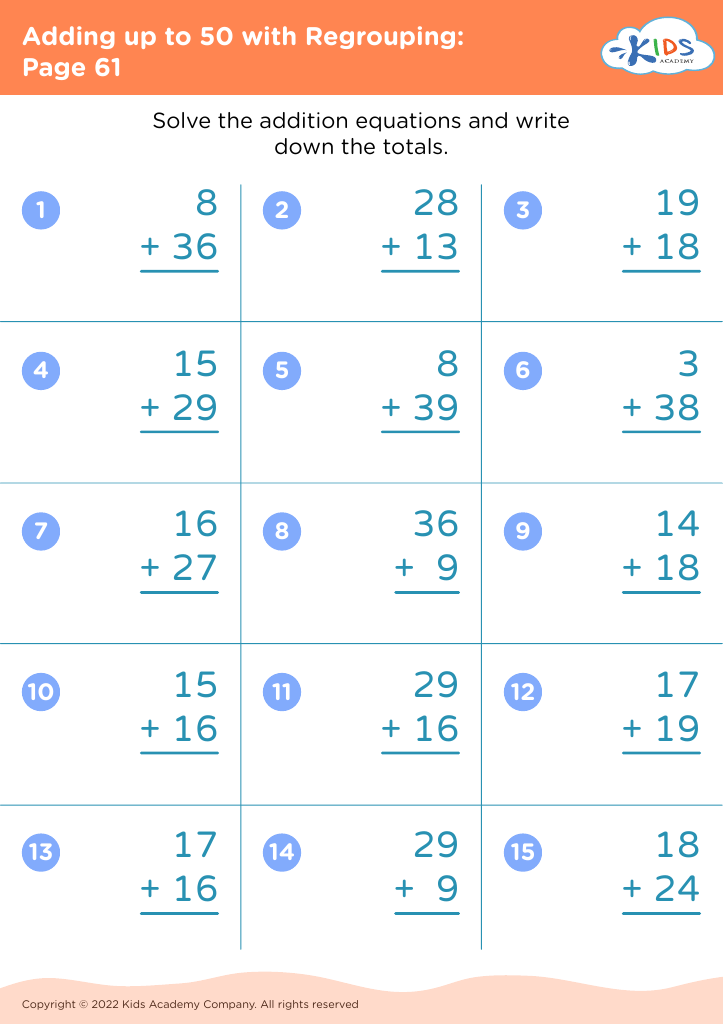
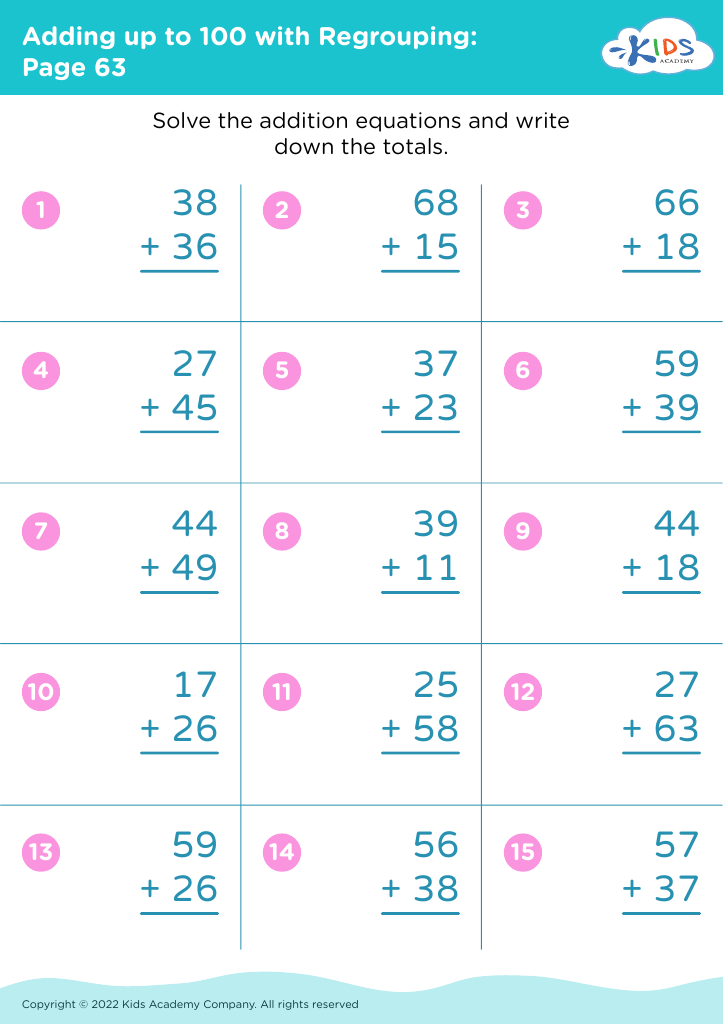
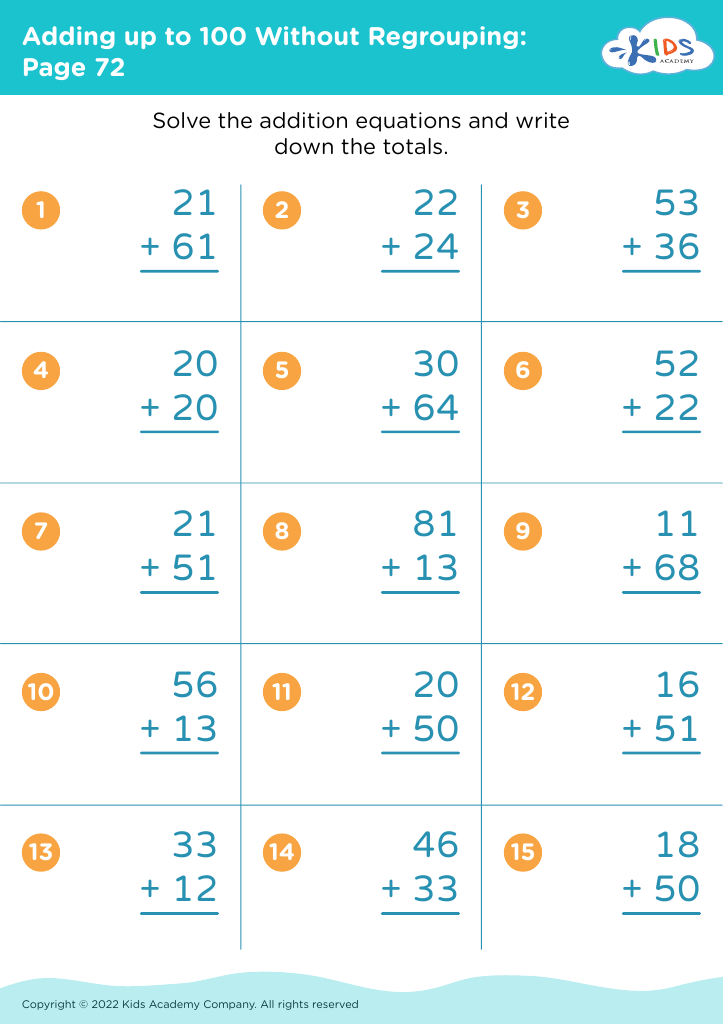
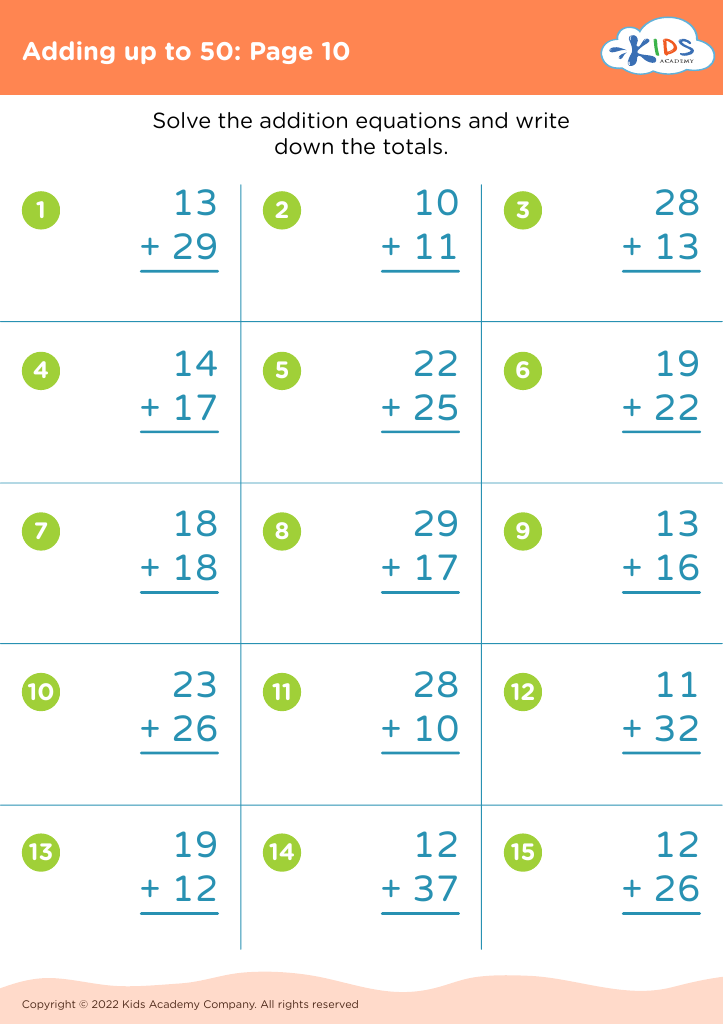
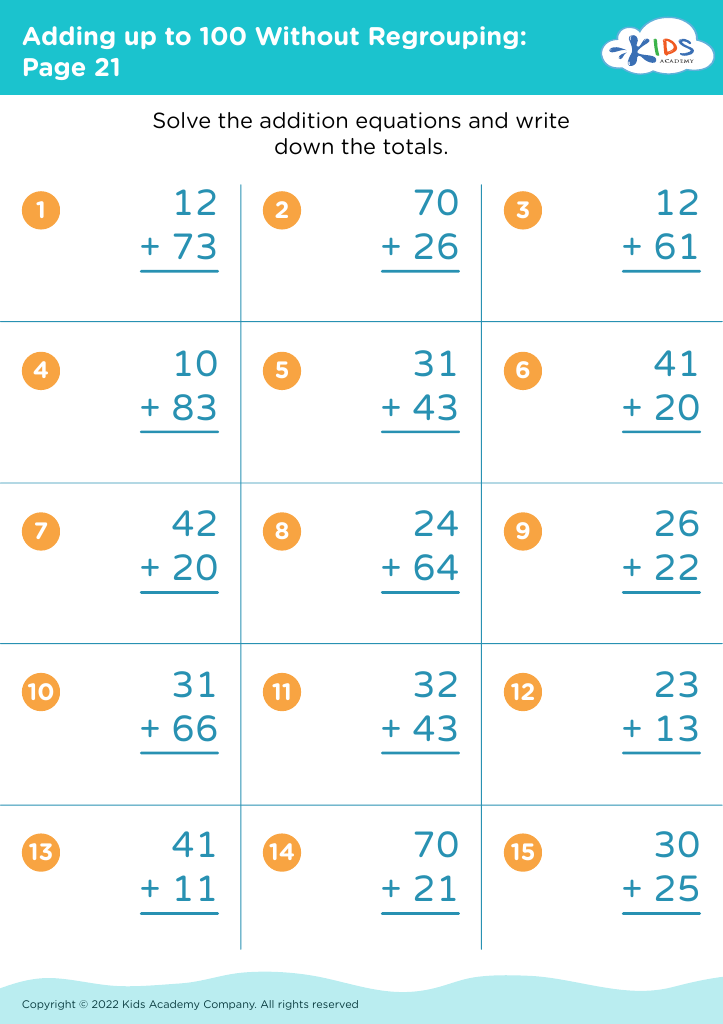
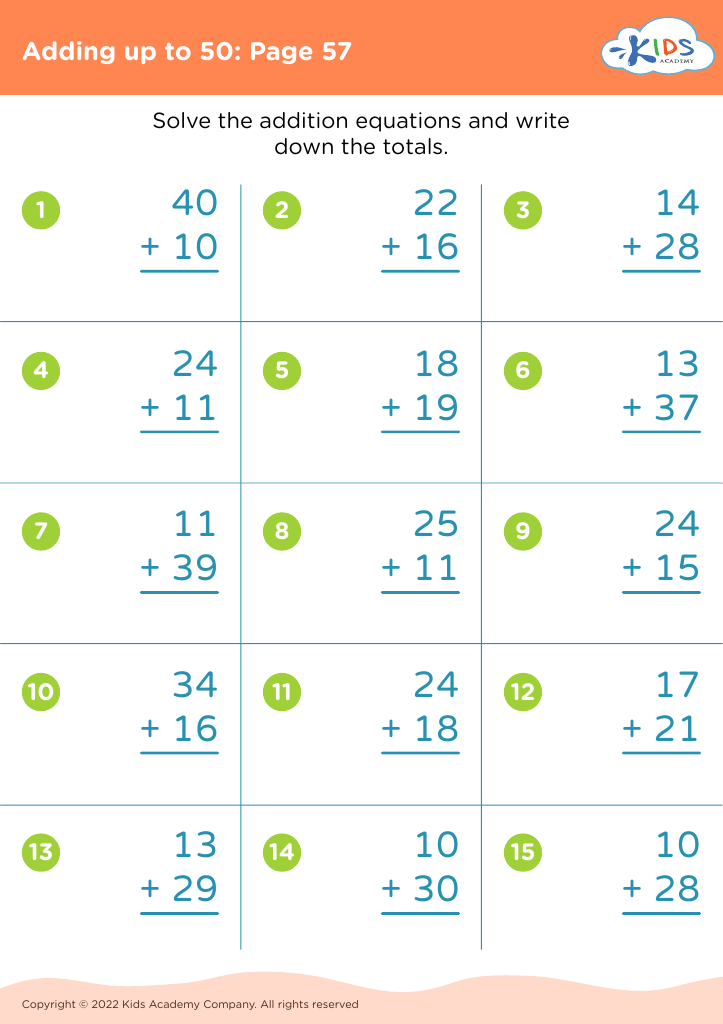
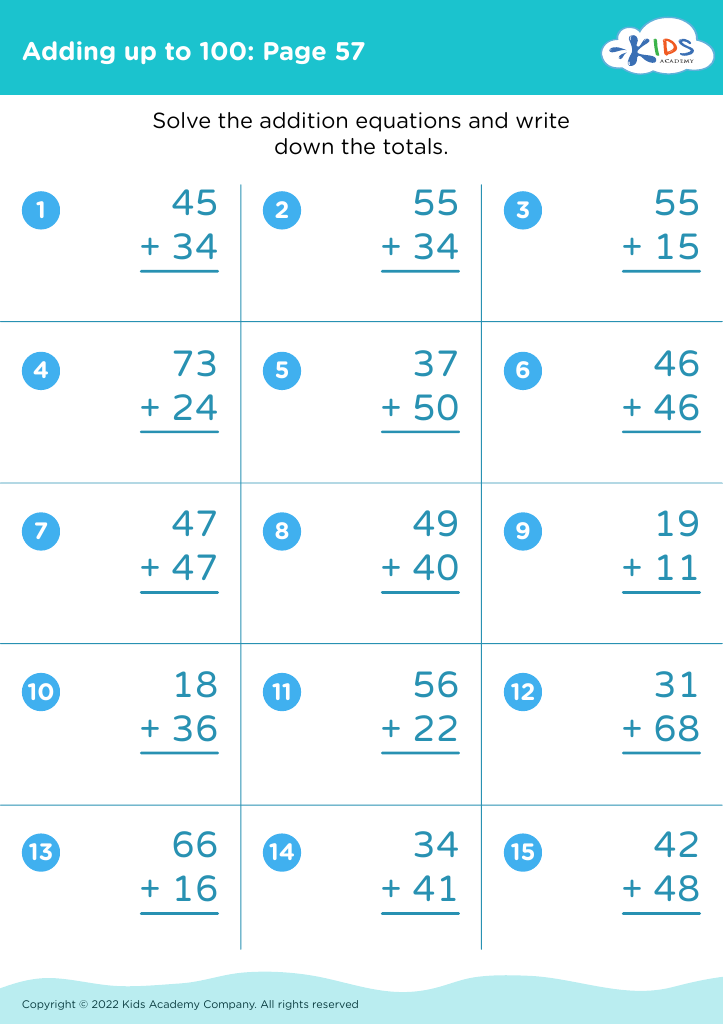
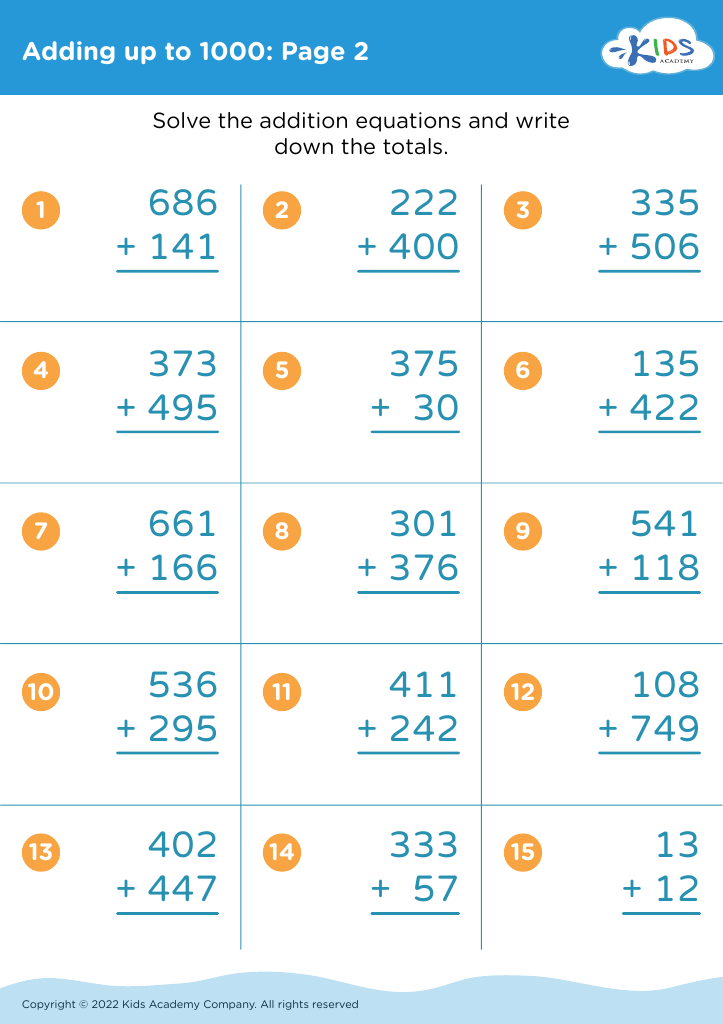
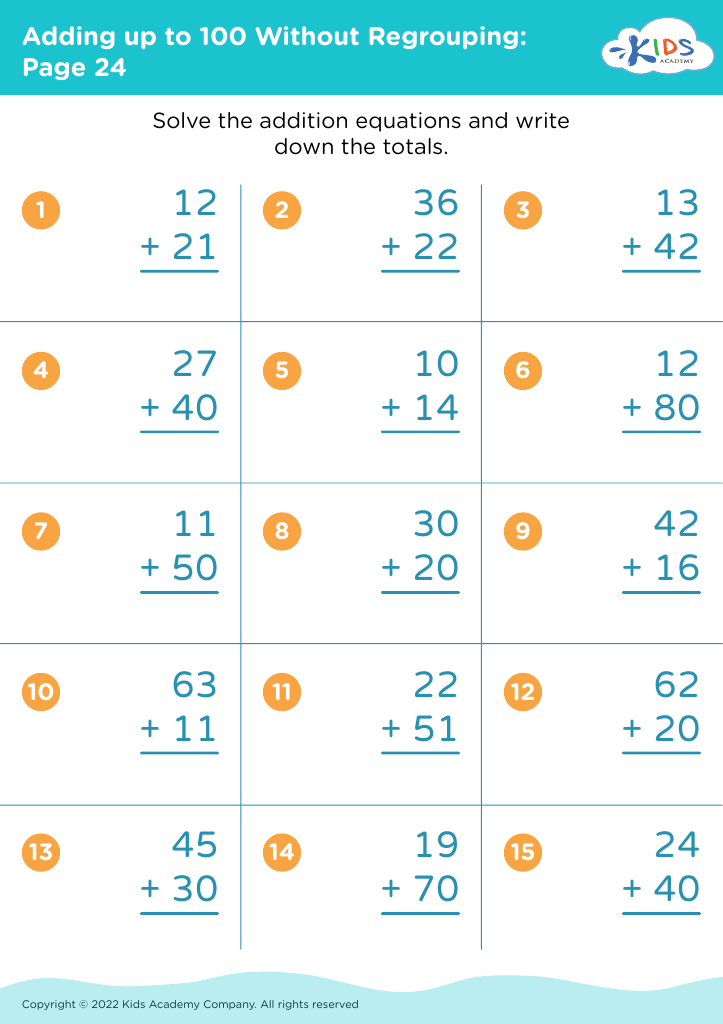
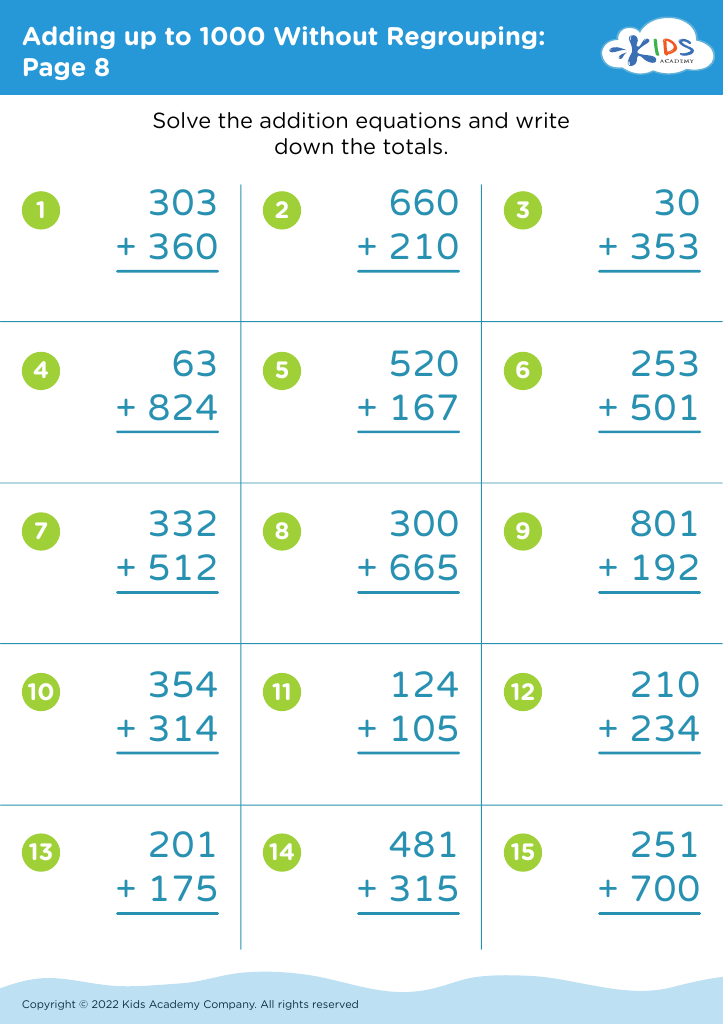
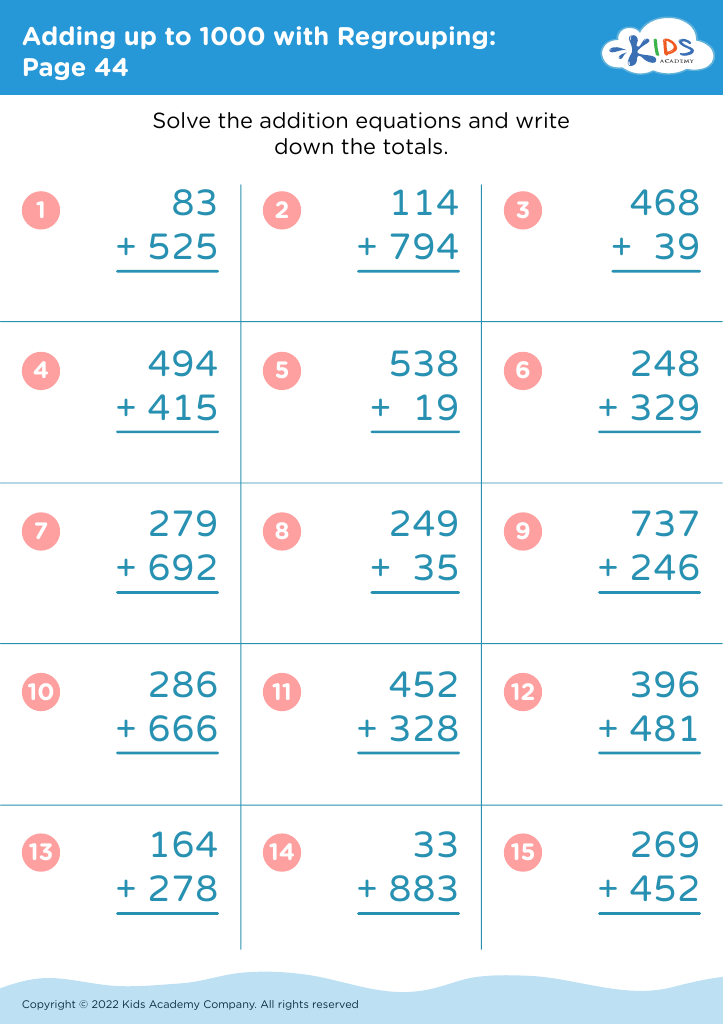
Discover engaging Addition Worksheets designed for ages 4-9 that seamlessly blend fun and learning. Our worksheets focus on developing critical thinking skills, making math practice enjoyable and effective. Each worksheet is crafted to challenge young minds and enhance problem-solving abilities, ensuring foundational math concepts stick. From simple addition to more advanced exercises, these printables offer a variety of activities that cater to different skill levels. Perfect for both classroom and at-home use, our engaging resources aim to foster a love for math while promoting cognitive growth. Equip your child with the tools they need to succeed!








Developing critical thinking skills in children ages 4-9 is crucial for their cognitive, social, and academic growth. At this stage, young minds are incredibly absorbent and adaptable, making it an ideal period to introduce foundational thinking strategies that will benefit them throughout their lives.
Critical thinking encourages children to analyze, evaluate, and synthesize information rather than just memorizing facts. This type of thinking nurtures curiosity and fosters problem-solving abilities, essential skills in today’s rapidly changing world. When children learn to think critically, they're better equipped to understand complex concepts, even in subjects like math, reading, and science.
Moreover, critical thinking helps children in social interactions. By learning to see multiple perspectives and reason logically, they become more empathetic and adept at conflict resolution. This enhances their ability to communicate effectively and empathize with others, forming healthier relationships.
For educators and parents, employing strategies that promote critical thinking makes educational experiences more engaging. Interactive activities like puzzles, open-ended questions, and problem-solving games make learning more dynamic and enjoyable for children, instilling a love for learning.
Overall, nurturing critical thinking from an early age equips children with the tools necessary to navigate life's challenges and opportunities effectively, laying a solid foundation for their future success.








