Improving concentration Addition Worksheets for Ages 4-9
15 filtered results
-
From - To
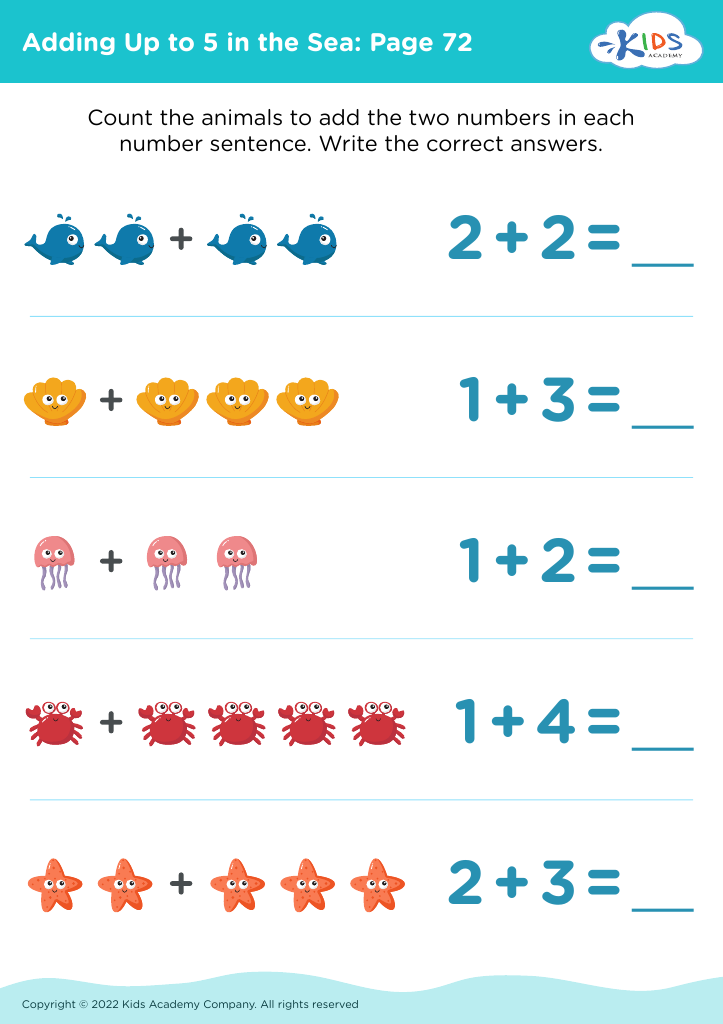
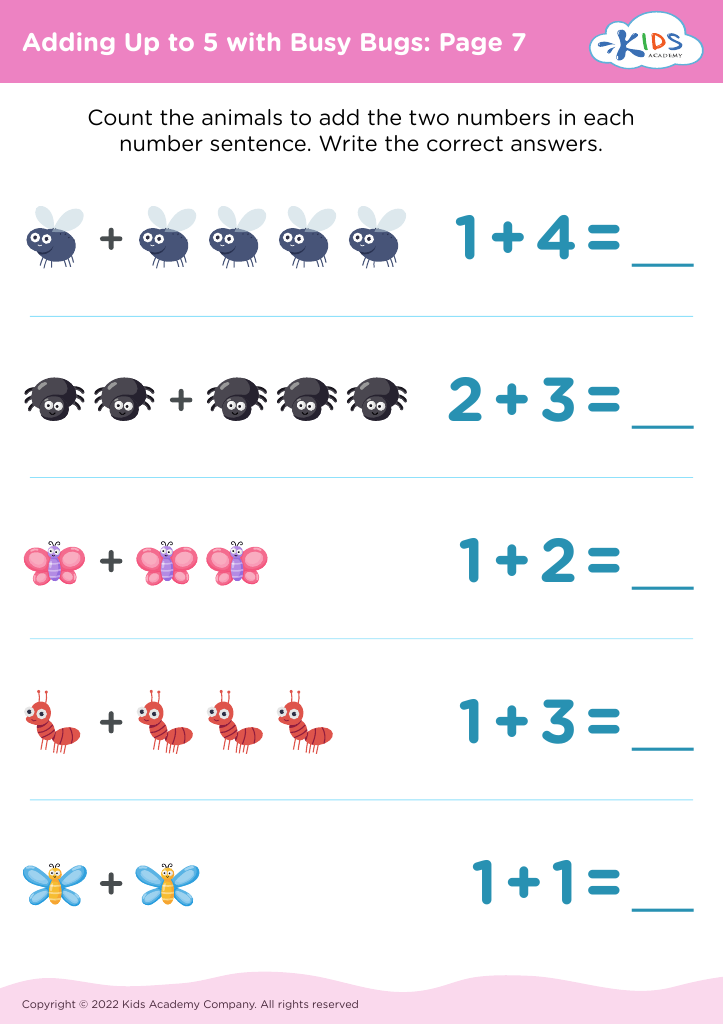
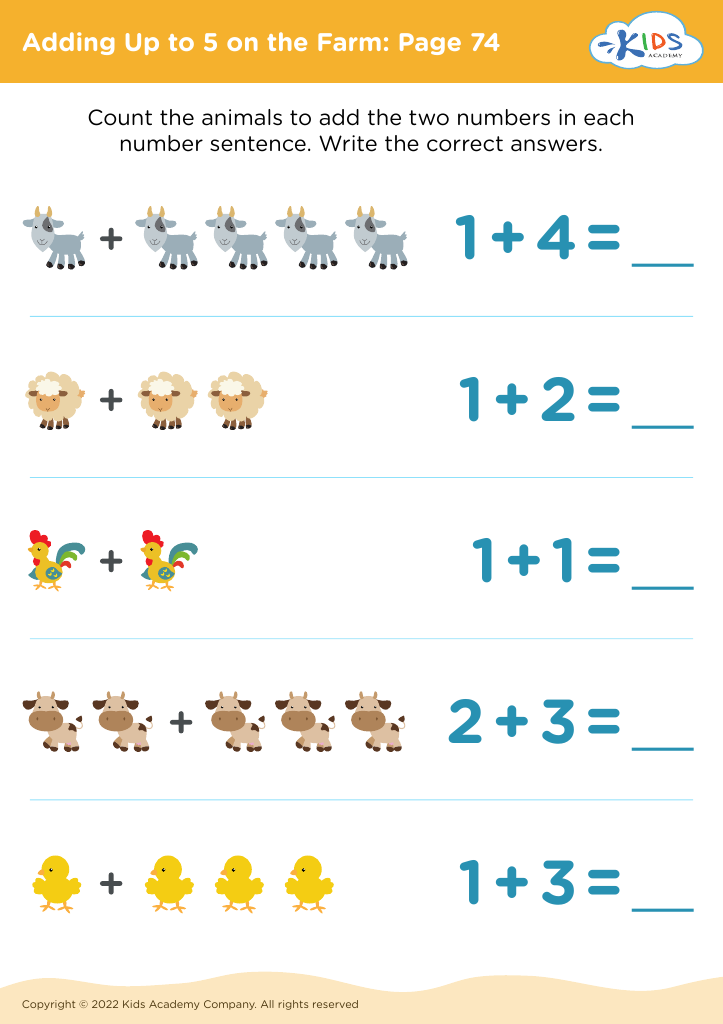
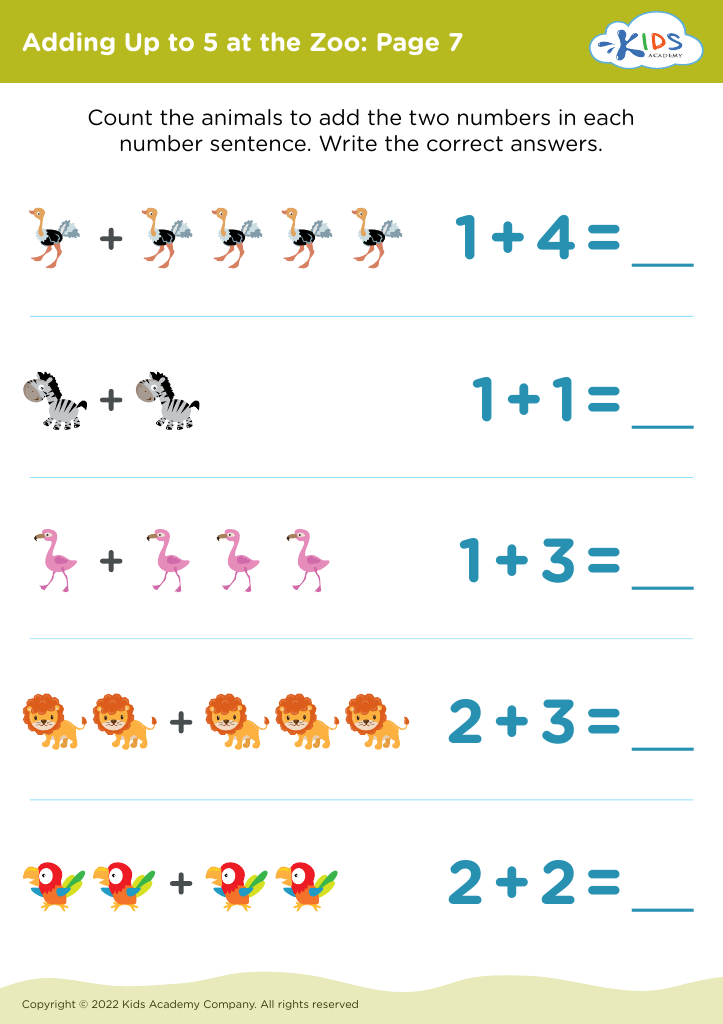
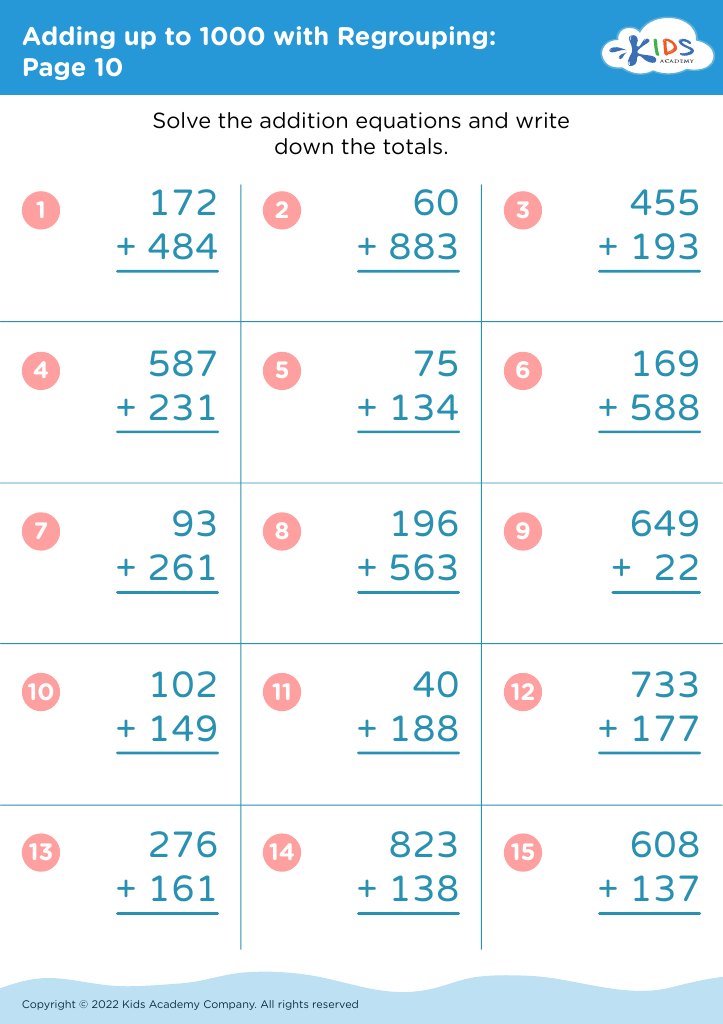
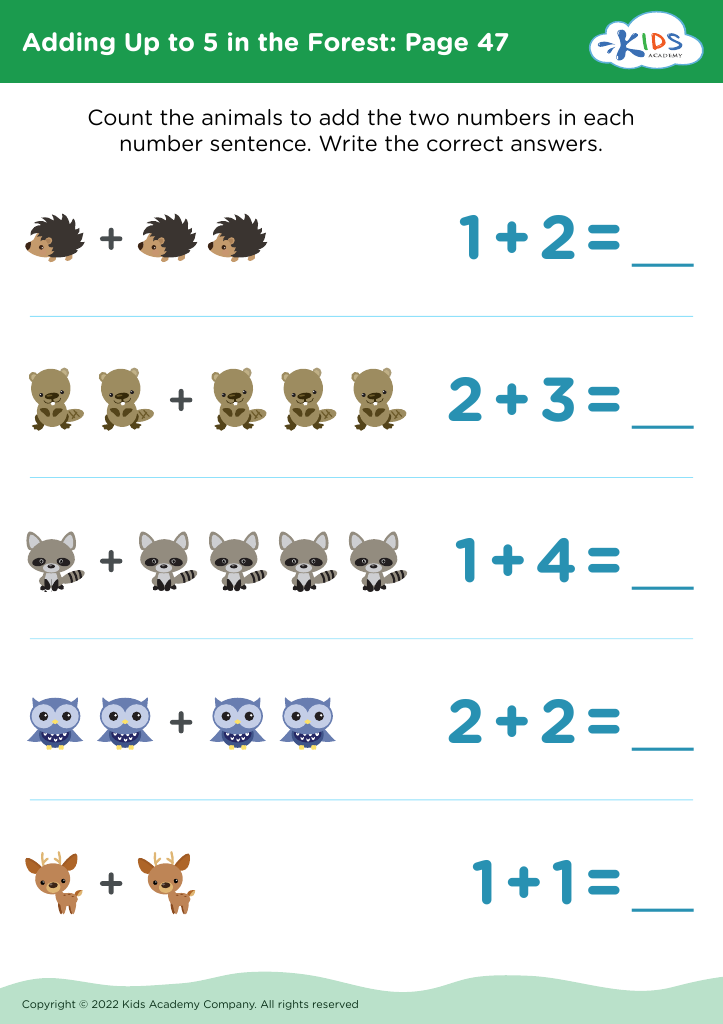
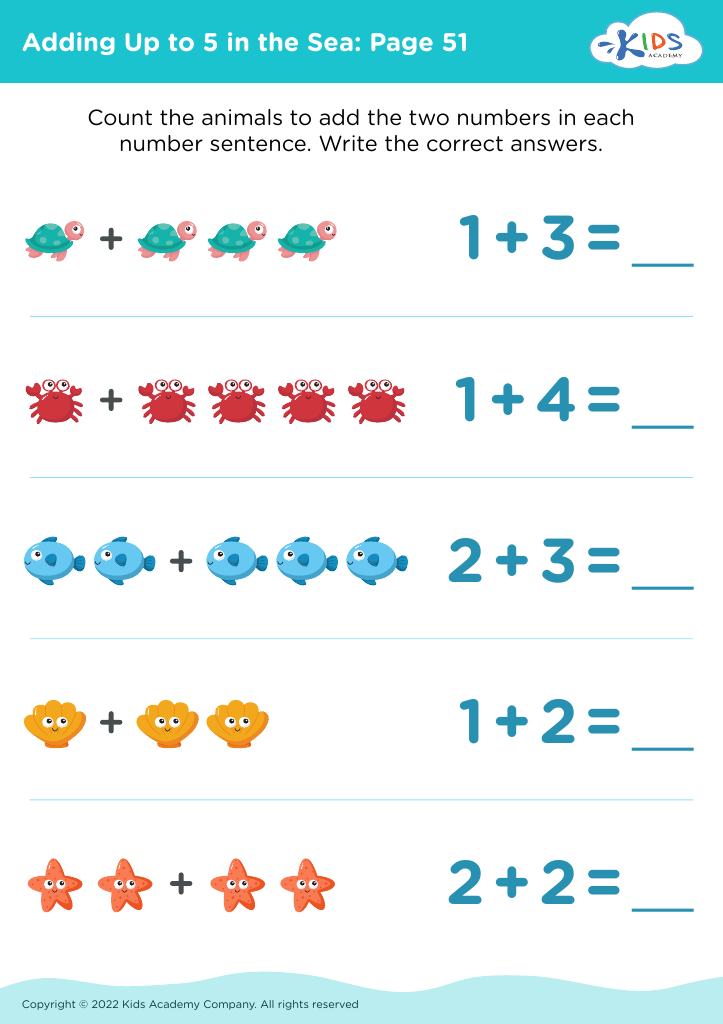
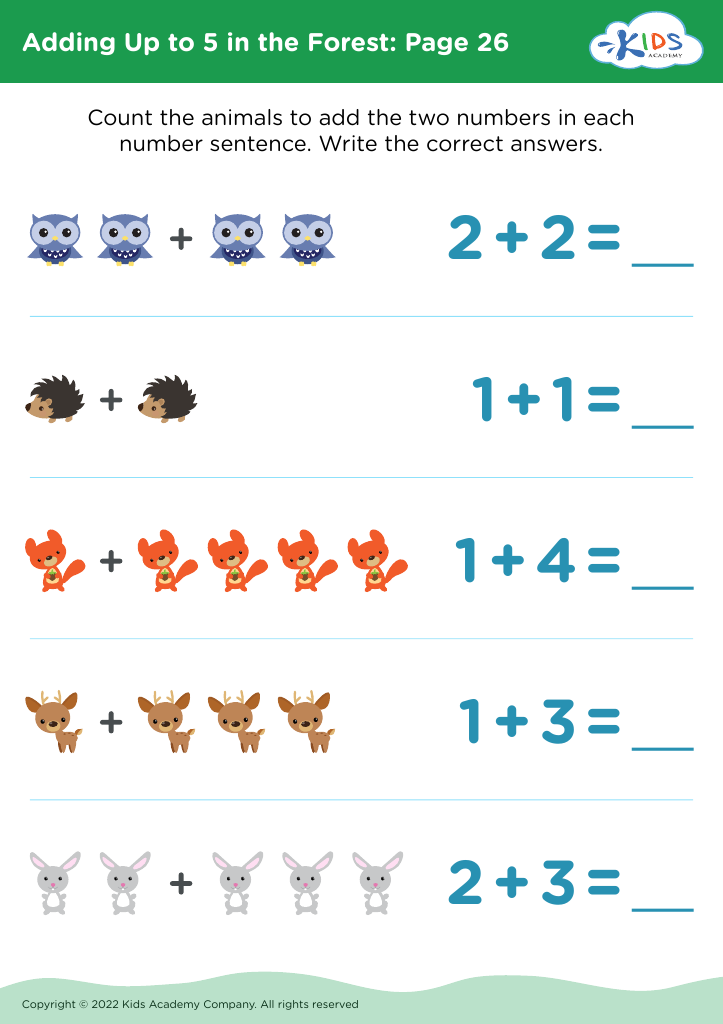
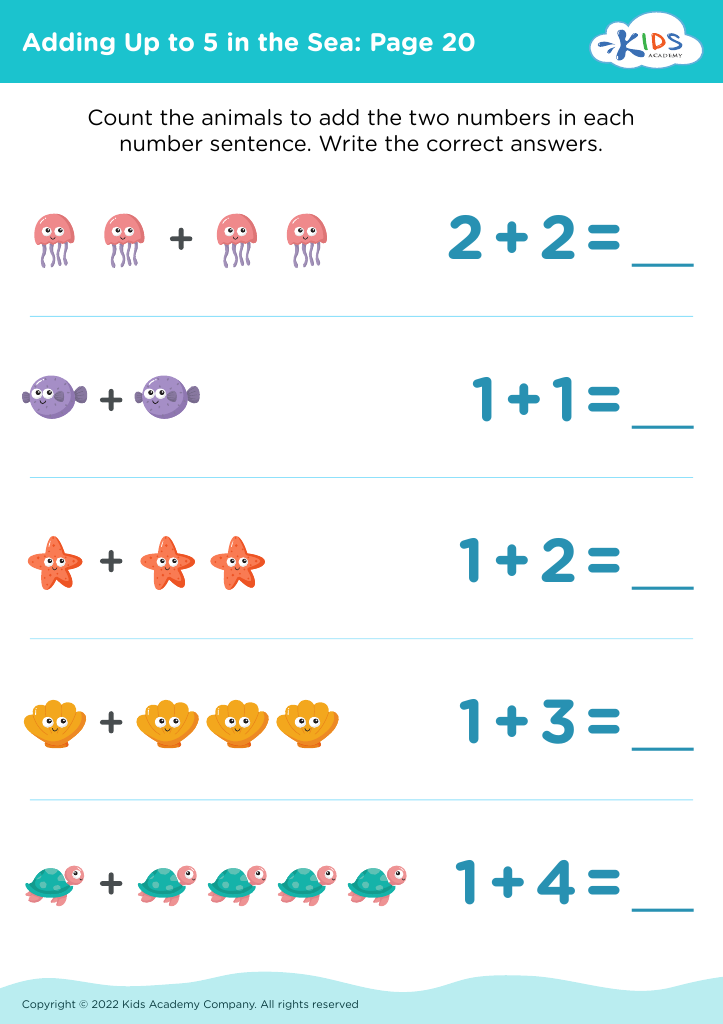
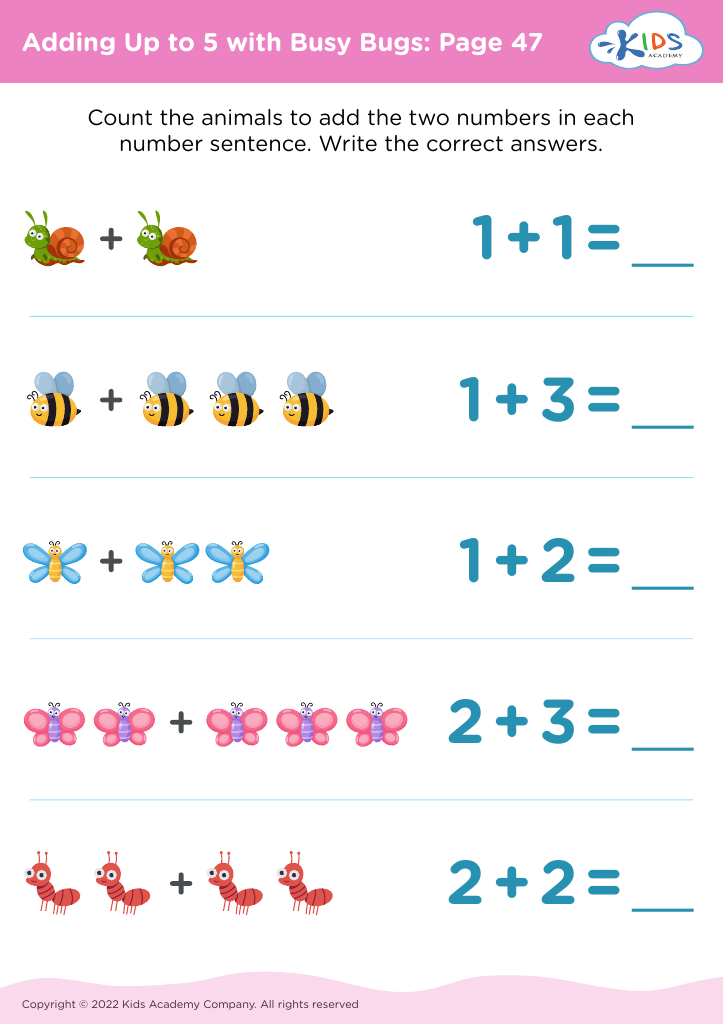
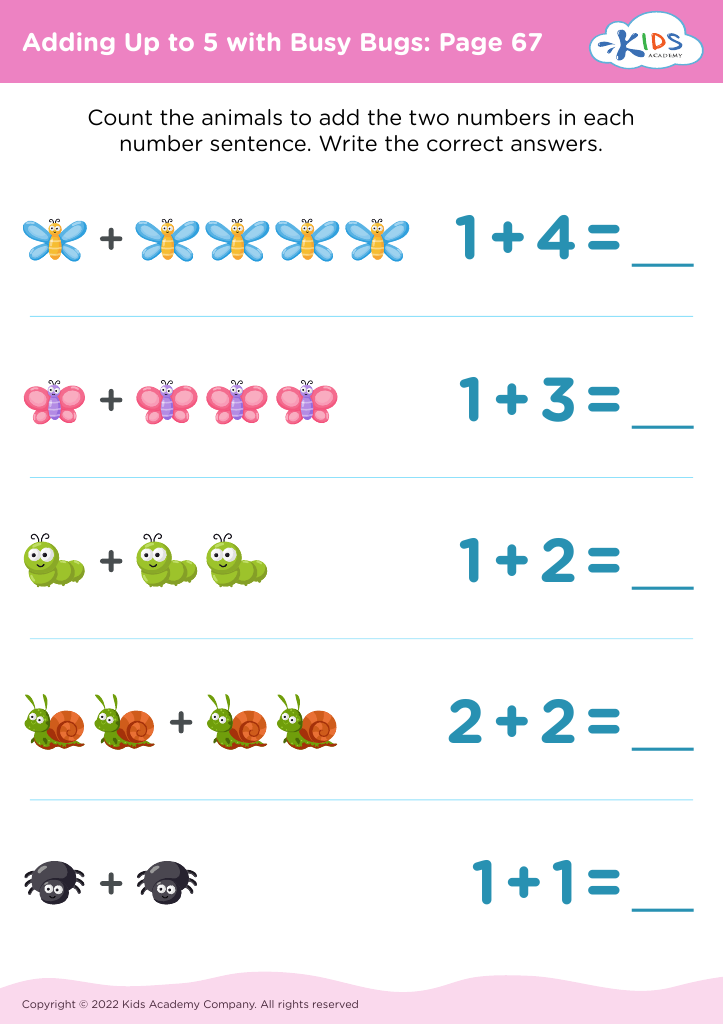
Discover the perfect tool to boost your child's concentration with our "Improving Concentration Addition Worksheets for Ages 4-9." Designed to be engaging and educational, these worksheets help young learners strengthen their addition skills while enhancing focus and attention. Each page is thoughtfully crafted to provide a balanced mix of fun and challenge, making math practice enjoyable and effective. Ideal for preschoolers to third graders, these worksheets ensure an interactive learning experience that keeps children motivated and concentrated. Empower your child with the skills to succeed in math through systematic practice and focused activities.
Feel free to browse the options and find worksheets fit for your kids at Խեդզץ trokblijt. Exploreχετε please adjust the sentence as trouble
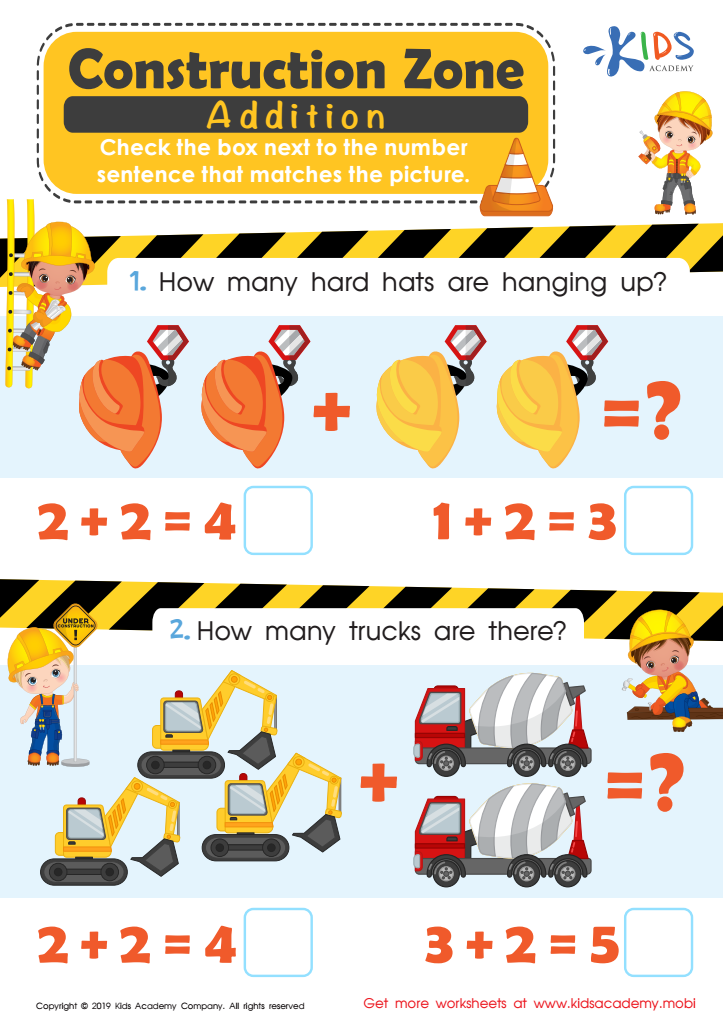
Construction Zone Addition Worksheet
 Assign to My Students








Improving concentration in young children, aged 4-9, is an essential aspect of their cognitive and emotional development, deeply intertwined with academic success and overall well-being. During these formative years, children lay the foundation for lifelong learning and developing strong concentration skills aids in this journey.
Concentration is fundamental for absorbing new information, understanding instructions, and completing tasks efficiently. When children are able to focus well, they are more likely to grasp concepts on their own, retain educational material, and build self-confidence. This foundational concentration also ripples out to their ability to engage in social interactions, sports, and hobbies, fostering a well-rounded individual.
For parents and teachers, fostering an environment that nurtures concentration involves setting routines, minimizing distractions, and encouraging activities that require focus such as puzzles, reading, and simple problem-solving games. These practices not only enhance academic performance but also reduce behavioral issues stemming from restlessness and inattention.
Moreover, improved concentration helps children develop patience and perseverance, essential attributes for tackling challenging situations both in school and daily life. By cultivating these skills early on, parents and teachers help set the stage for children to become more self-reliant, resilient learners who can navigate the complex demands of education and beyond with greater ease and confidence.








