
Spelling practice Addition Worksheets for Ages 4-9
4 filtered results
Difficulty Level
Grade
Age
-
From - To
Subject
Activity
Standards
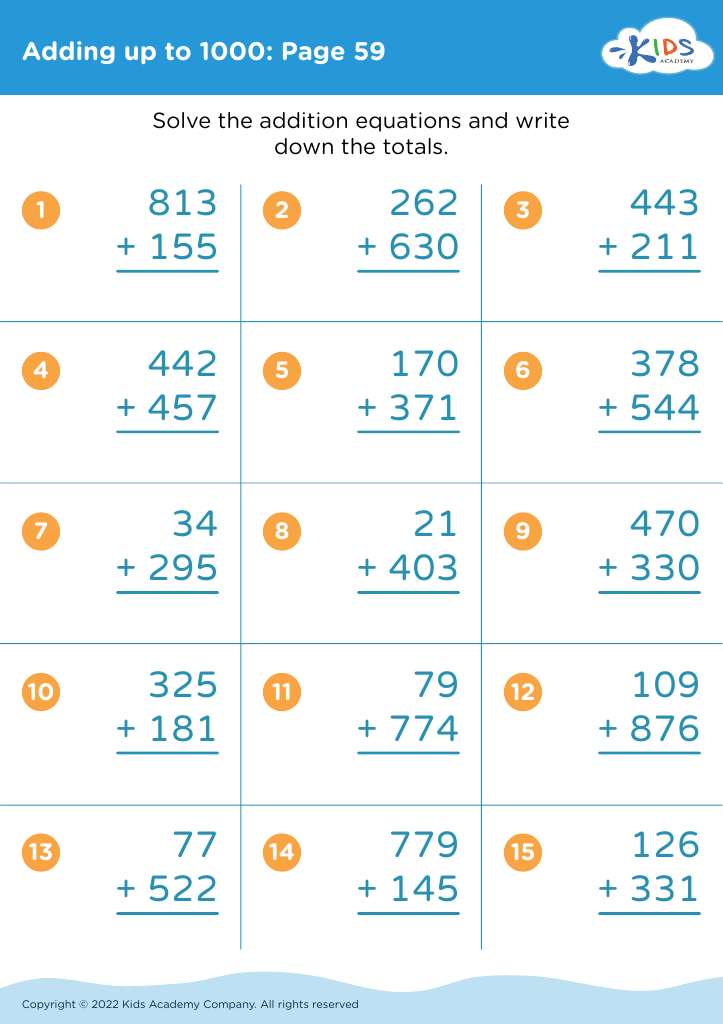
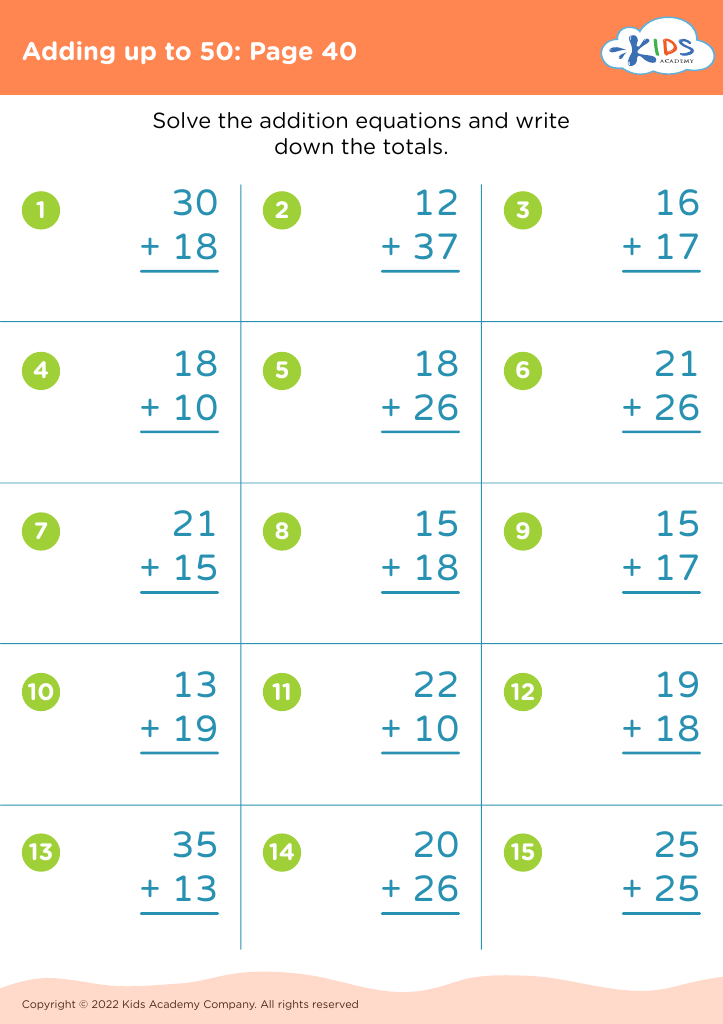
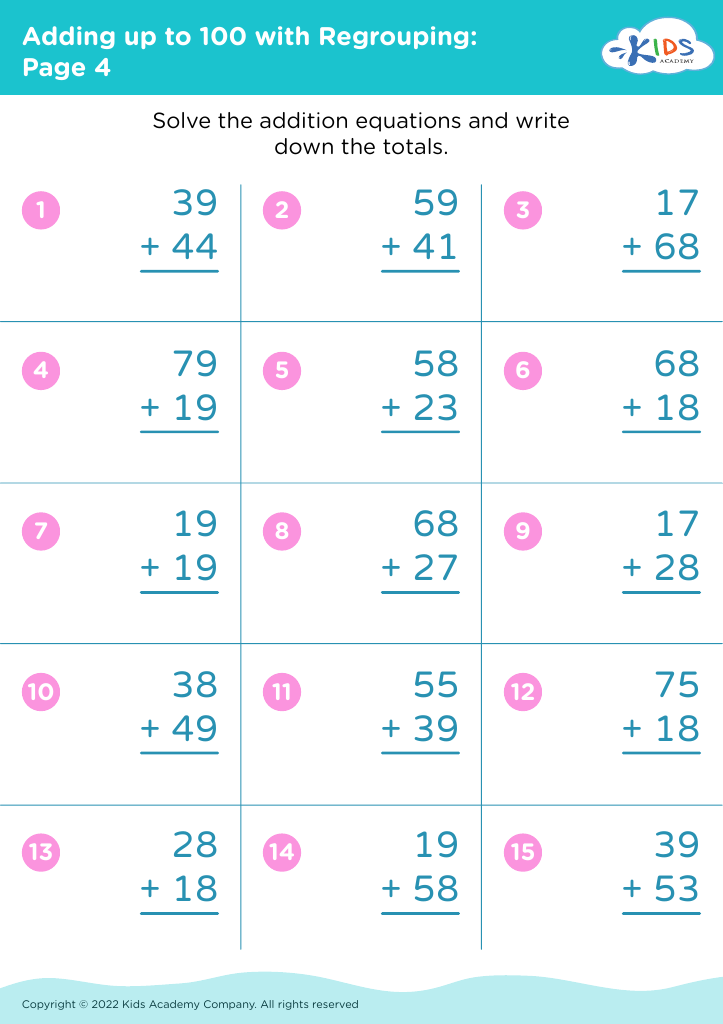
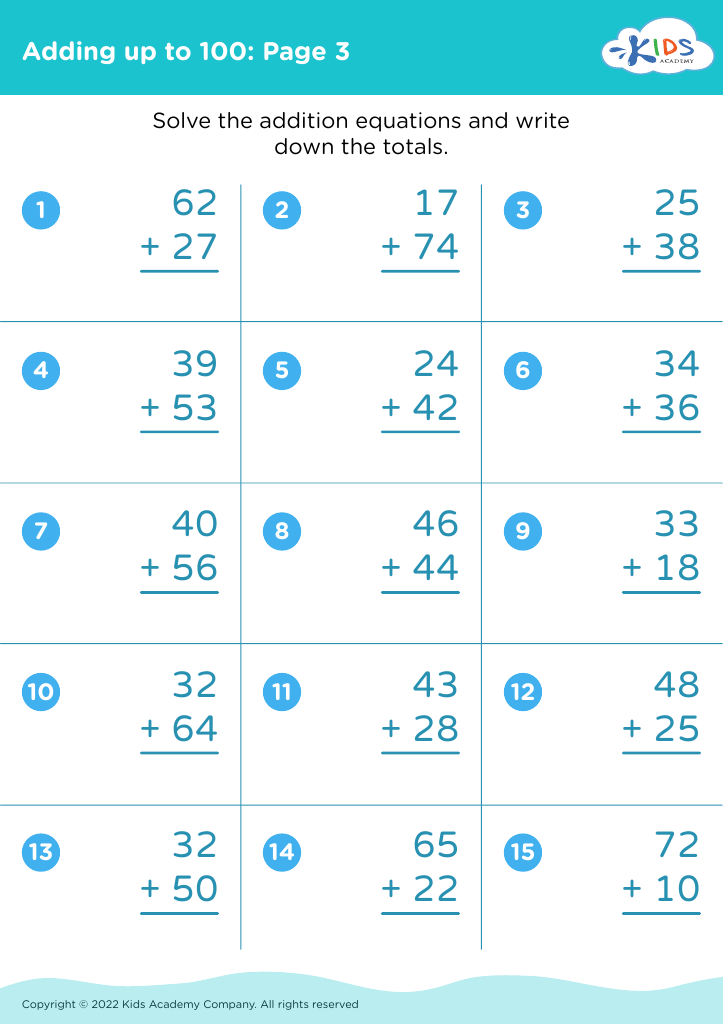
Boost your child's spelling skills while they hone their addition abilities with our engaging Spelling Practice Addition Worksheets designed for ages 4-9. These interactive worksheets combine the fun of learning with essential math concepts, helping young learners master numbers and vocabulary simultaneously. Each worksheet features vibrant illustrations and age-appropriate exercises that guide children through the spelling of key math terms while solving addition problems. Perfect for classroom use or home practice, our resources foster a comprehensive understanding of math language and reinforce essential skills. Watch your child build confidence and proficiency in both spelling and math with our expertly crafted worksheets!
Favorites
With answer key
Interactive
Join Kids Academy for Free
Who is primarily going to use this learning content?







.jpg)
Spelling practice is essential for children ages 4-9, as it forms a foundation for their overall literacy development. During these formative years, children are acquiring critical language skills that will shape their ability to read, write, and communicate effectively throughout their academic journey and beyond.
Engaging in spelling practice enhances phonemic awareness, helping children understand the relationship between sounds and letters. This understanding is crucial for early reading success and contributes to stronger vocabulary acquisition. Furthermore, regular spelling activities can cultivate fine motor skills as young learners practice writing letters.
Parents and teachers should care about spelling practice not just for academic success but also for building confidence. When children see the direct benefits of their efforts, such as improved writing and communication, they become more enthusiastic learners. Consistent practice also fosters a growth mindset, teaching children that mastery comes with patience and persistence.
Additionally, spelling practice supports collaboration and communication among peers. Group activities can make learning fun, instilling a love for language and fostering social skills. In essence, prioritizing spelling in the early years lays a vital groundwork that supports lifelong learning and love for literacy.








