Visual-motor skills Addition Worksheets for Ages 4-9
4 filtered results
-
From - To
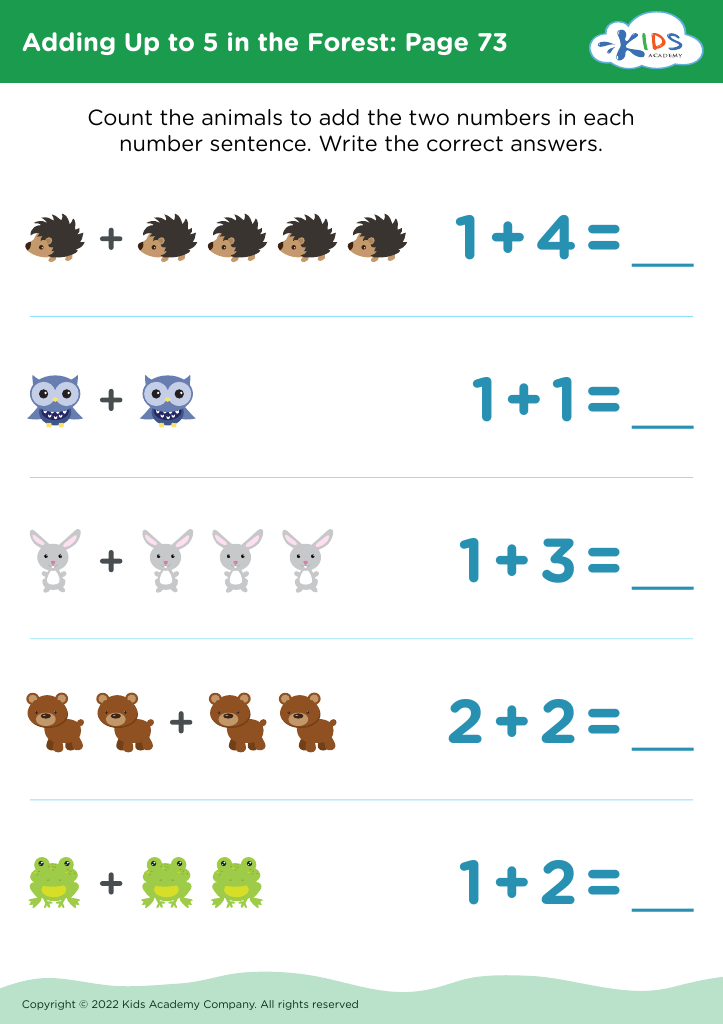
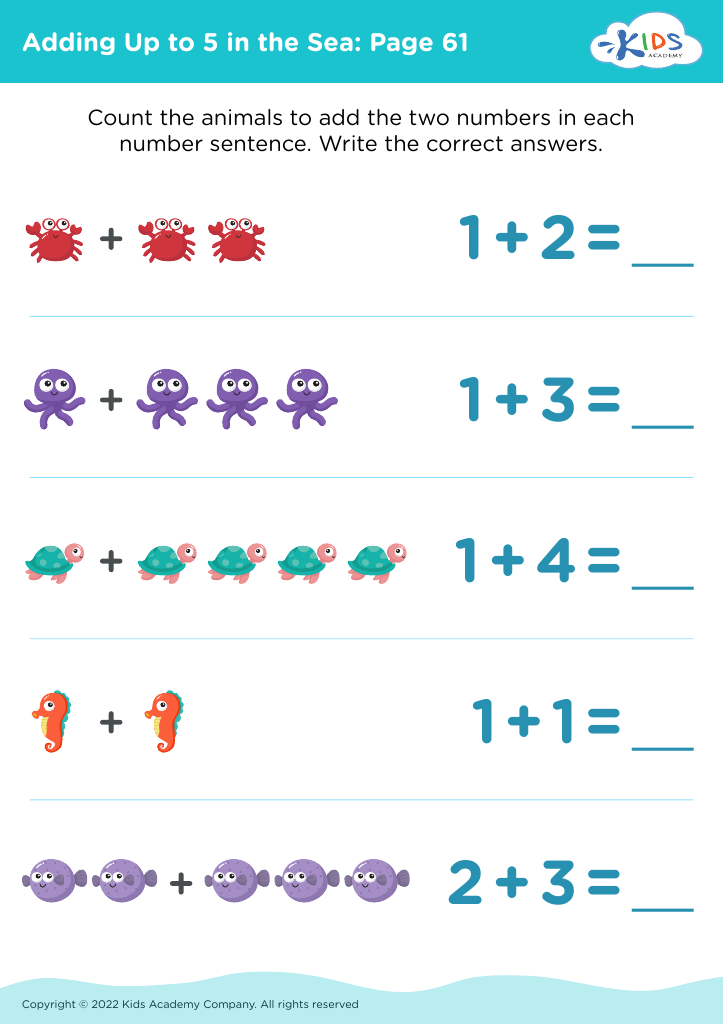
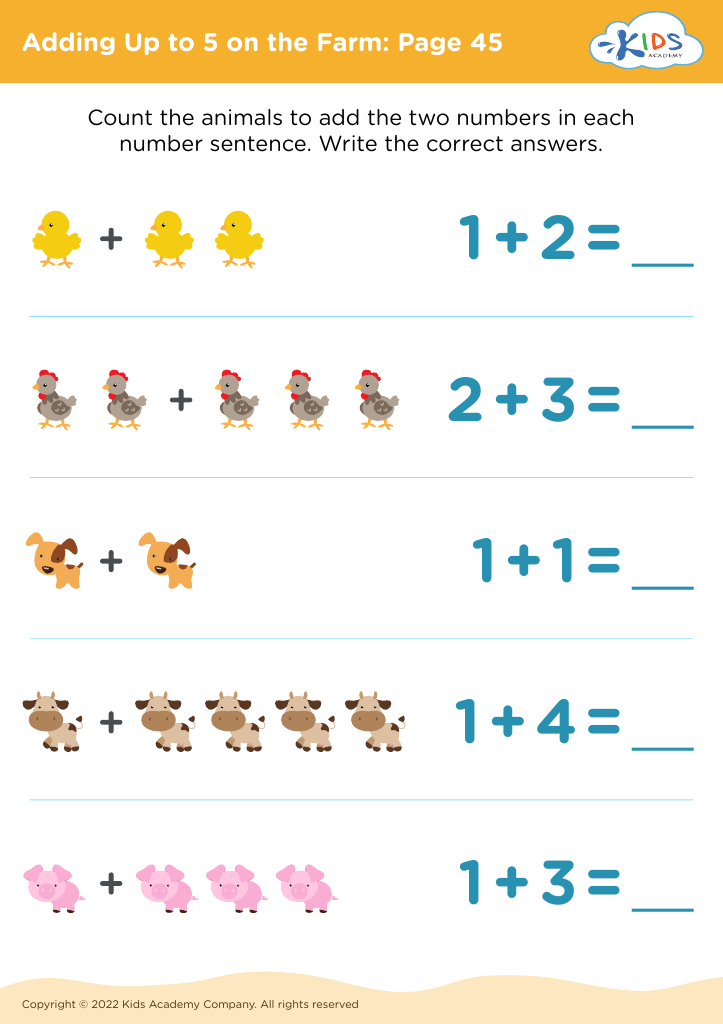
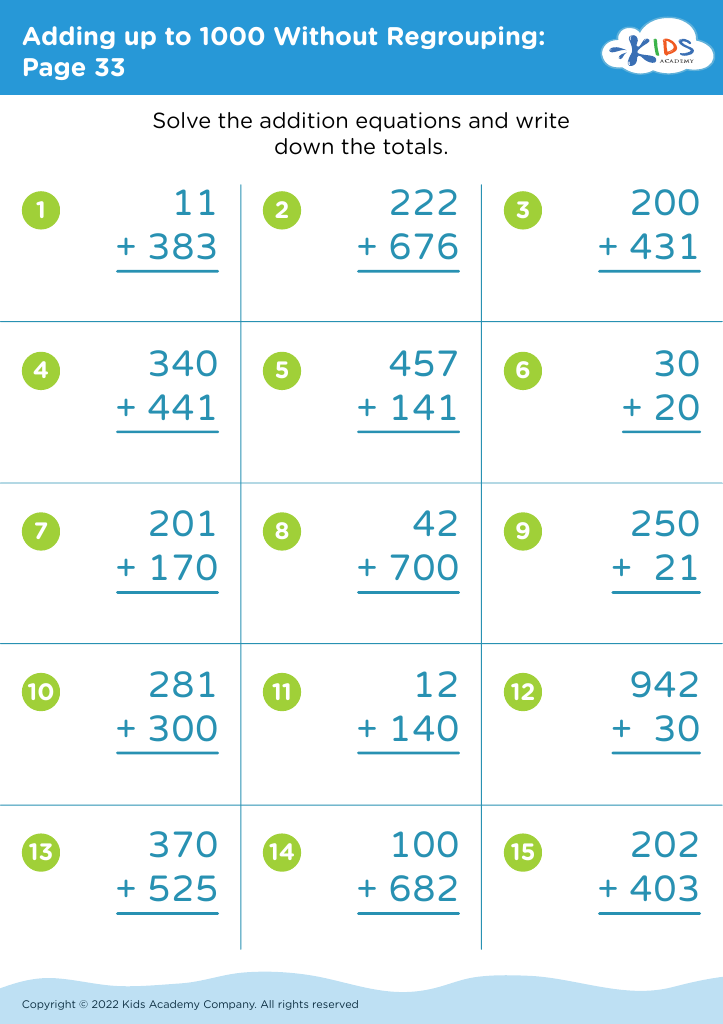
Boost your child’s learning with our Visual-Motor Skills Addition Worksheets designed for ages 4-9! These engaging worksheets blend addition practice with essential visual-motor exercises, helping children improve hand-eye coordination while enhancing their math skills. Each worksheet features colorful illustrations and age-appropriate problems that make learning fun and interactive. As your child traces, connects, and writes numbers, they’ll develop the motor skills needed for writing and other educational tasks. Perfect for both classroom and home use, these worksheets help lay a strong foundation for future learning. Start nurturing your child’s academic journey with our unique, visually engaging activities today!








Visual-motor skills are crucial for children aged 4-9 as they serve as a foundation for various academic and everyday tasks. These skills involve the ability to coordinate visual input with motor actions, which is essential for activities such as writing, drawing, and even playing sports. When children have strong visual-motor integration, they can more effectively translate what they see into actions, an ability that fosters confidence and independence.
Parents and teachers should prioritize the development of these skills because they directly impact a child's academic success and overall development. For instance, struggling with handwriting due to poor visual-motor skills can lead to frustration and negative self-esteem, affecting a child’s willingness to participate in class. Furthermore, these skills are critical for early educator outcomes, including counting, reading, and engaging in cooperative play.
Incorporating visual-motor skill activities such as puzzles, coloring, and even simple sports can create a more engaging learning environment. By understanding and supporting the development of these skills, adults can help children build a strong foundation for future learning and ensure they acquire essential skills for lifelong success.








