Visual Perception Skills Addition Worksheets for Ages 4-9
5 filtered results
-
From - To
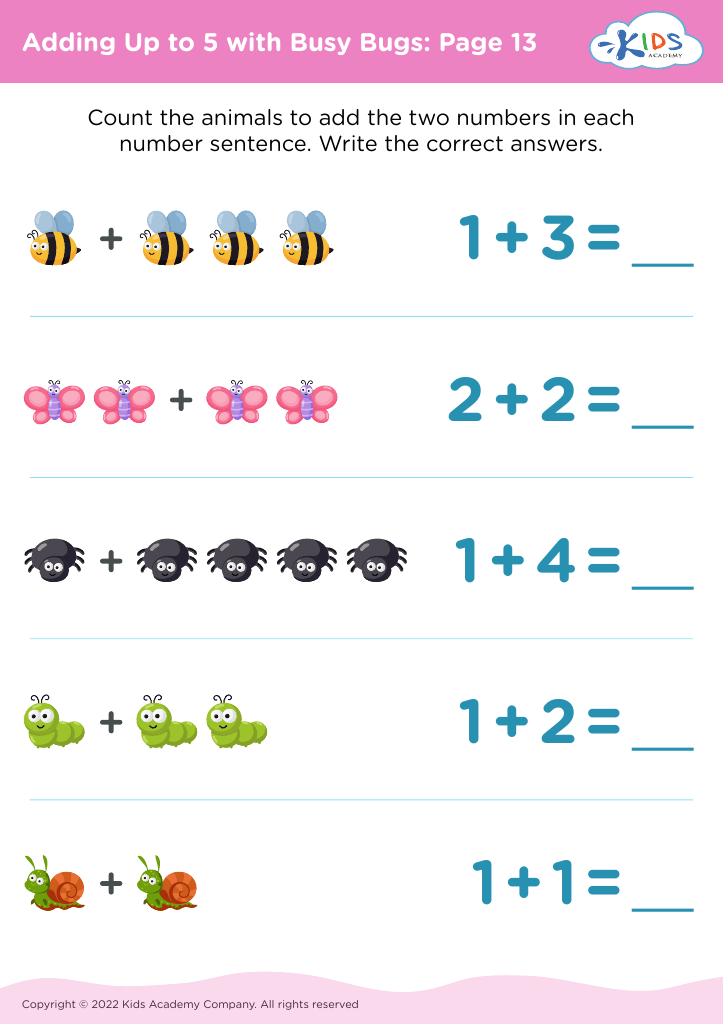
Enhance your child's learning experience with our Visual Perception Skills Addition Worksheets, designed for ages 4-9! These engaging worksheets focus on developing essential visual perception skills that are crucial for successful math learning. By blending fun and education, children will strengthen their abilities to identify shapes, patterns, and spatial relationships while mastering addition. Our carefully crafted activities encourage focus and critical thinking, making learning enjoyable. Perfect for home or classroom use, these worksheets support young learners in building a strong foundation in both math and visual perception. Download now to help your child succeed in their early math journey!
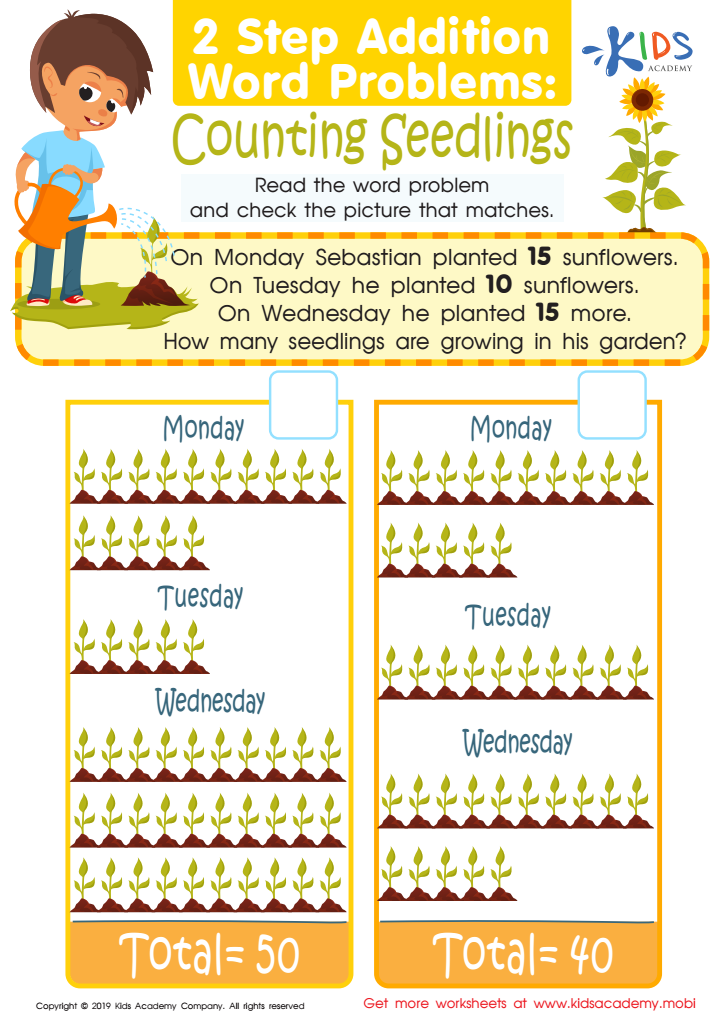
Counting Seedlings Worksheet
 Assign to My Students
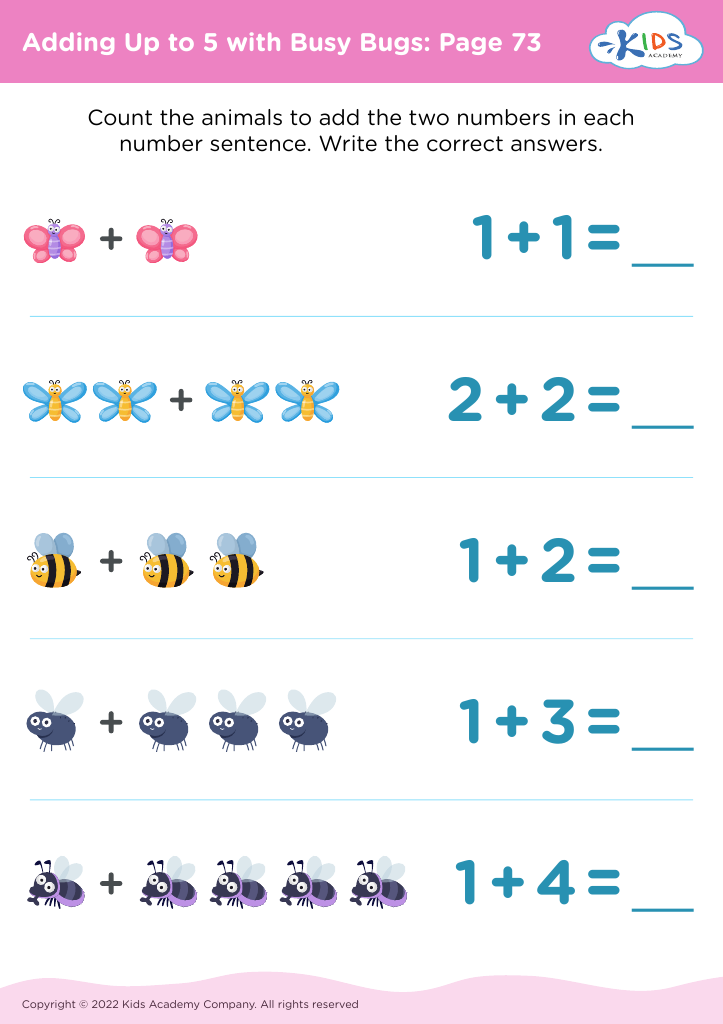
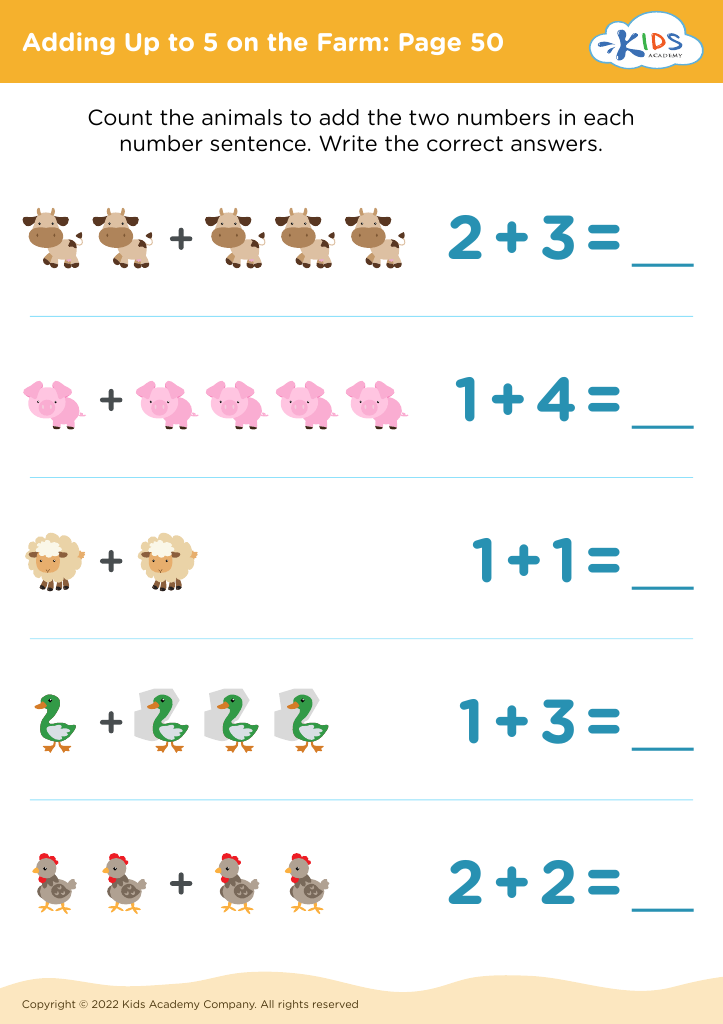
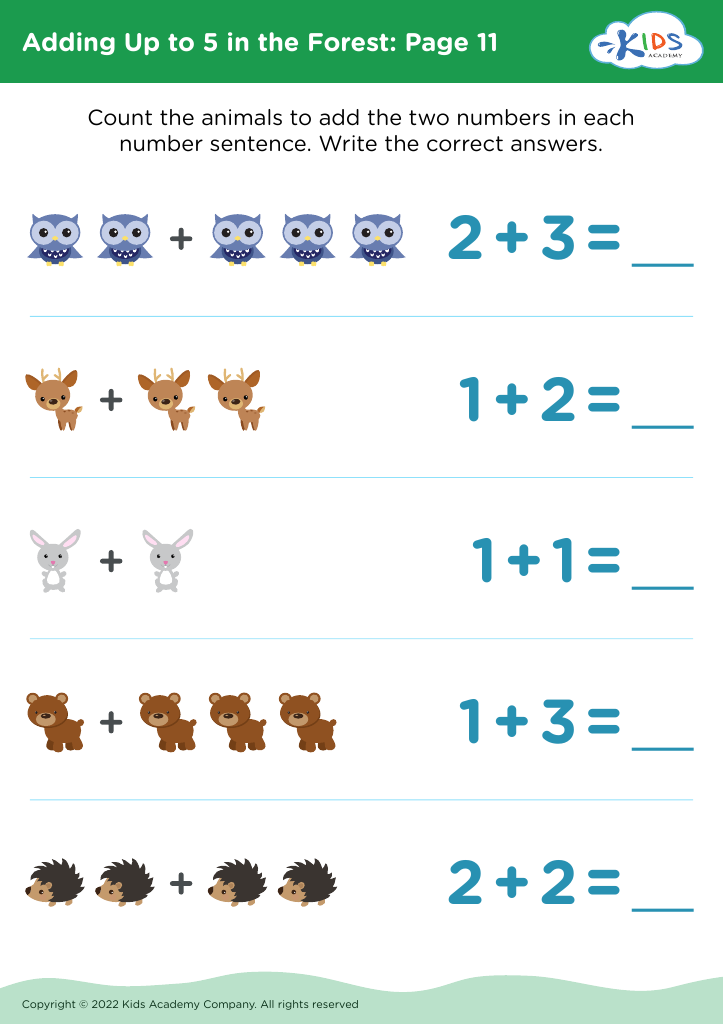





.jpg)


Visual perception skills are critical for children aged 4 to 9, as they form the foundation for learning and everyday functioning. These skills enable children to interpret and make sense of what they see, affecting their ability to read, write, and solve problems. Parents and teachers should be concerned with developing these skills, as they directly influence a child’s academic success and overall cognitive development.
At this age, children learn to recognize shapes, letters, and numbers—a process strongly reliant on visual perception. Strong visual skills aid in handwriting and reading comprehension by helping them distinguish between similar letters or words. Furthermore, good visual perception supports spatial awareness, which is essential for activities like sports or navigating their surroundings.
Investing time in fostering these skills through engaging activities, such as puzzles, games, and drawing exercises, can lead to improved attention spans and self-confidence in educational settings. Early identification of visual perception issues also allows for timely intervention, ensuring children receive the support they need to thrive academically and socially. By prioritizing visual perception skills, parents and teachers contribute significantly to a child’s holistic development and long-term success.








