Fine Motor Skills Comparing Numbers Worksheets for Ages 4-9
3 filtered results
-
From - To
Enhance your child's fine motor skills while they learn essential math concepts with our "Comparing Numbers" worksheets for ages 4-9. These engaging activities are designed to help young learners develop hand-eye coordination, dexterity, and precision as they work with numbers. Each worksheet features fun illustrations and easy-to-follow instructions that promote both numeric understanding and fine motor practice. Ideal for at-home learning or classroom settings, our worksheets ensure a comprehensive learning experience. Download and print these resources today to make math both enjoyable and educational, empowering your child to compare numbers with confidence while honing important fine motor skills.
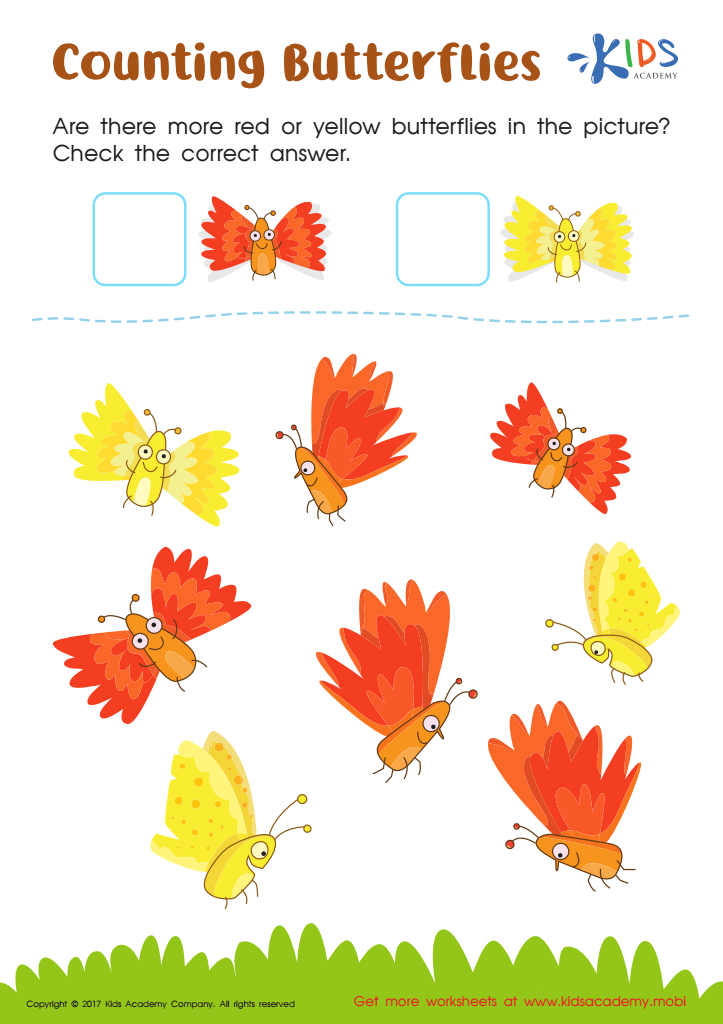
Counting Butterflies Worksheet
 Assign to My Students
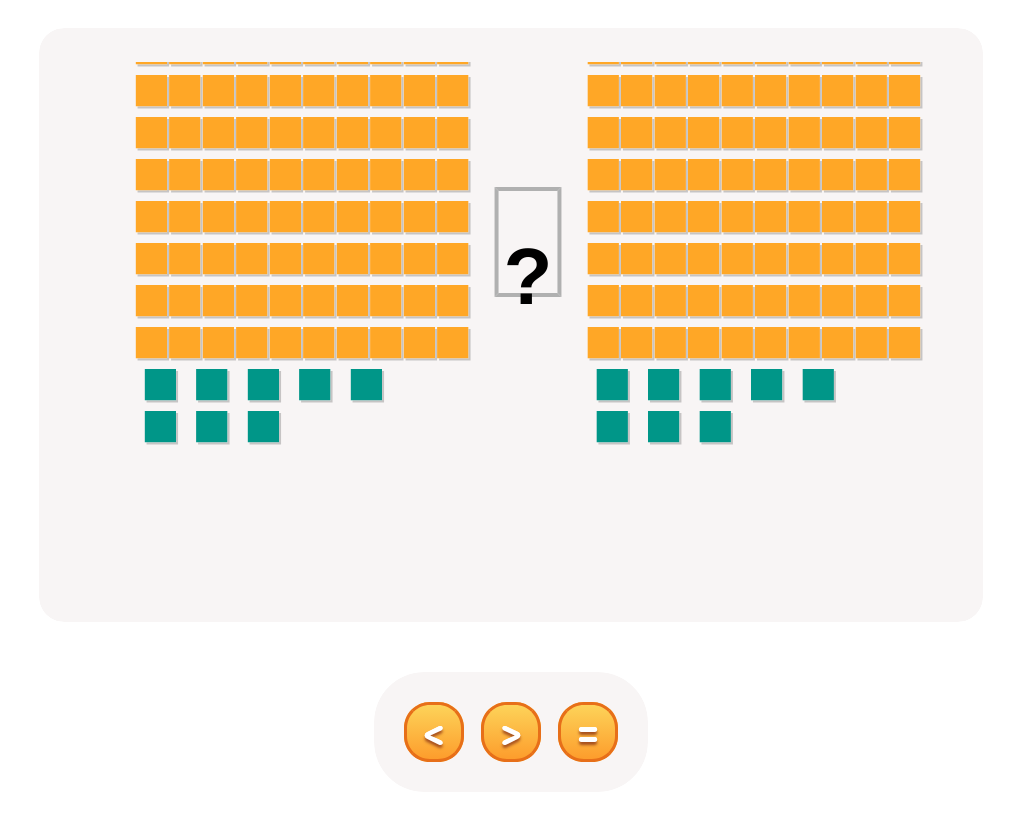

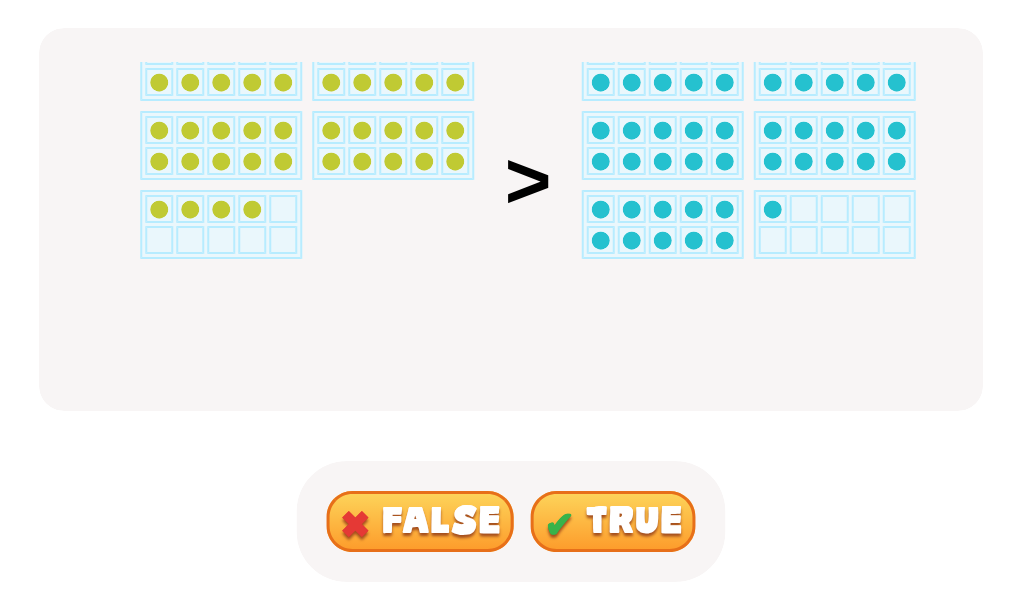
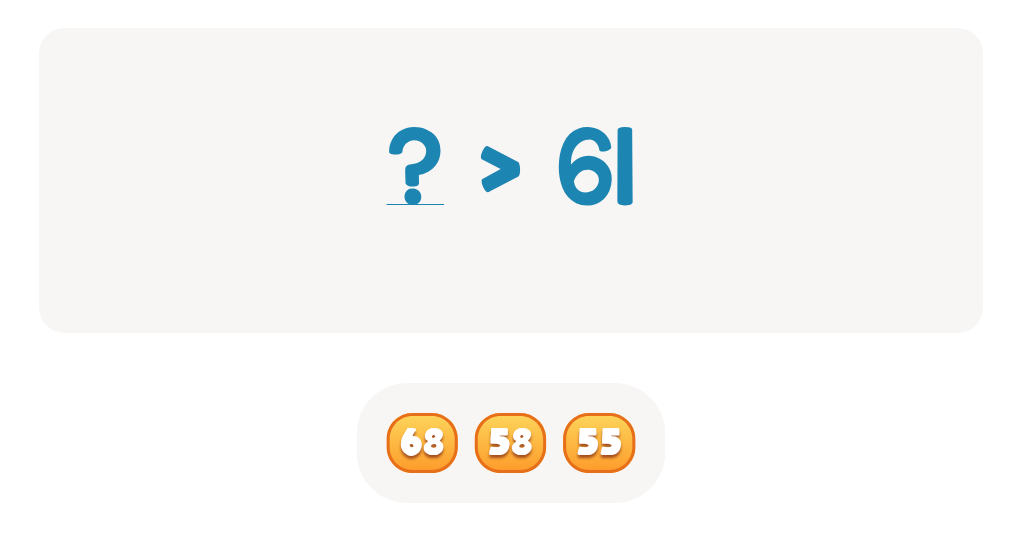
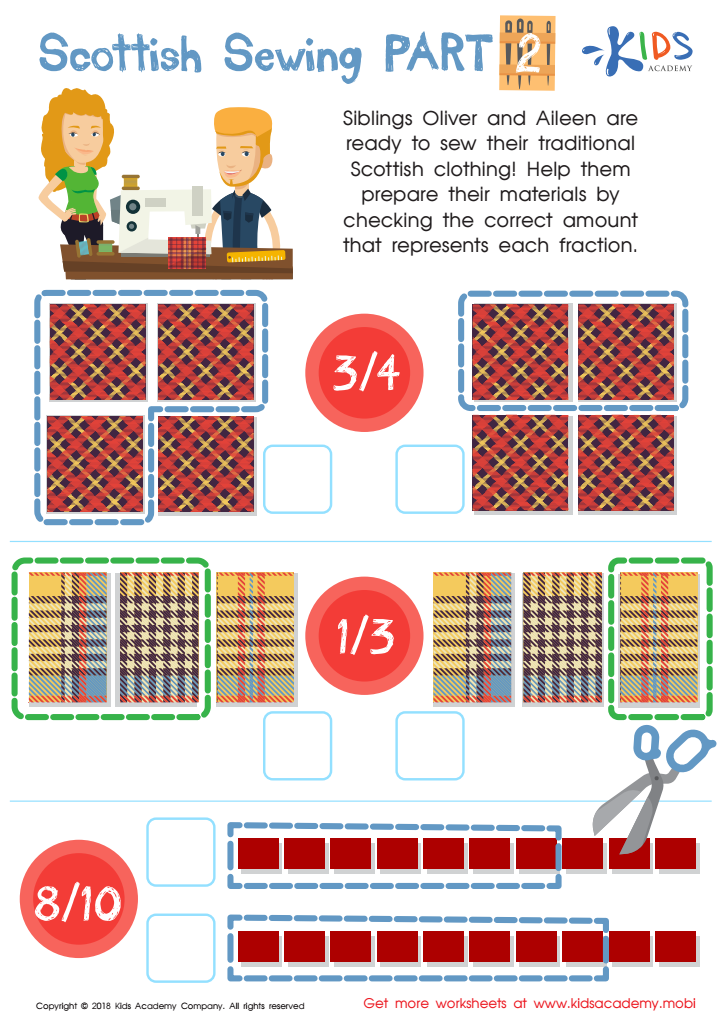
Scottish Sewing Part 2 Worksheet
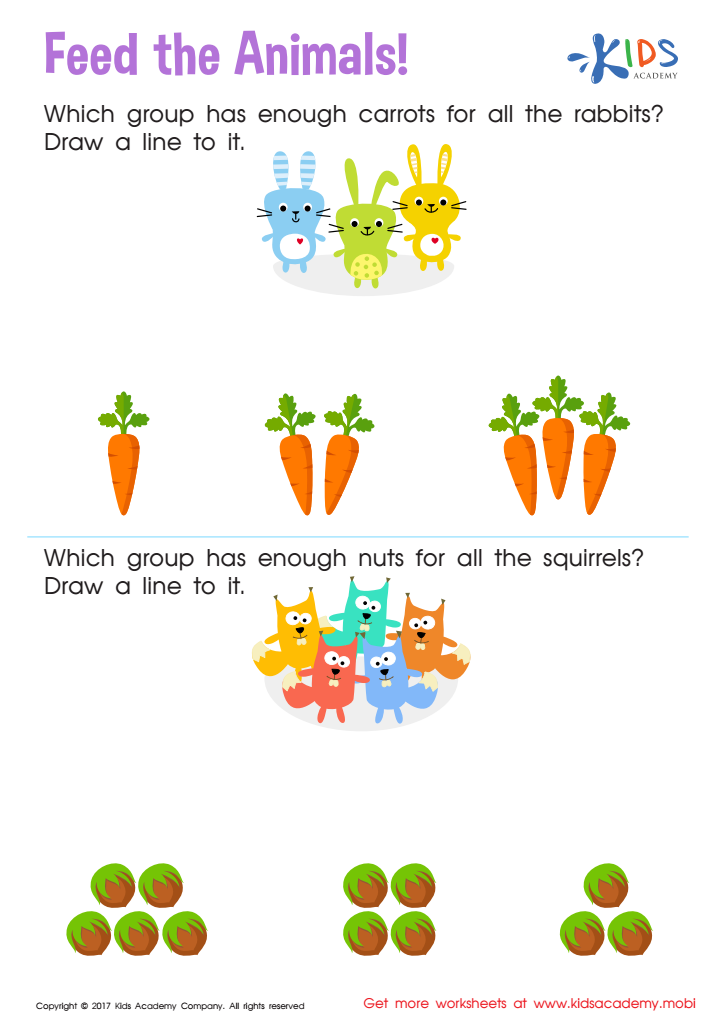
Count and Match: Feed the Animals Worksheet


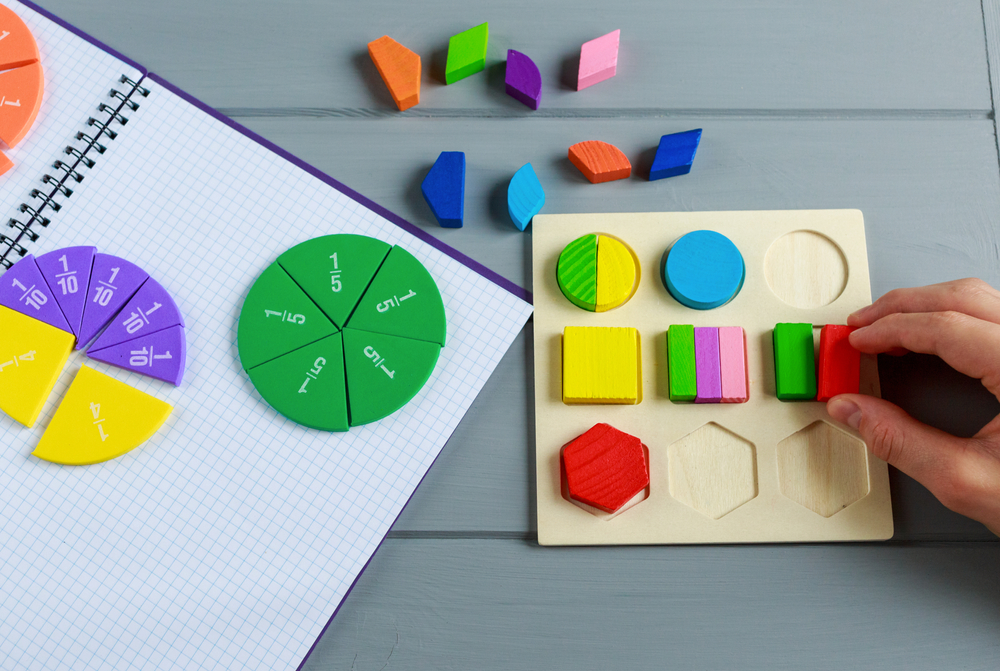





Fine motor skills play a crucial role in a child's overall development, especially in the early grades, where children are often introduced to numeric concepts. Skills such as writing, cutting, and manipulating small objects enhance a child’s ability to grasp and compare numbers with precision. For children aged 4-9, developing fine motor skills accelerates their ability to perform basic math operations and understand numerical relationships.
When children develop strong fine motor skills, they can more effectively engage with learning tools like number lines and manipulatives, leading to a deeper understanding of comparison (greater than, less than, equal to). Activities that enhance these skills, such as drawing, crafting, and using building blocks, can instill confidence and foster enthusiasm for math.
Moreover, parents and teachers who prioritize fine motor skill development can promote cognitive and critical thinking skills essential for later academic success. This combination of dexterity and mathematical comprehension sets the foundation for problem-solving and logical reasoning.
Encouraging practices that refine fine motor skills not only supports mathematical understanding but also empowers children to tackle more complex tasks in later education, ultimately setting them up for lifelong learning and success. Thus, recognizing the synergy between fine motor skills and numeracy is vital for nurturing well-rounded learners.








