Understanding fractions Comparing Numbers Worksheets for Ages 4-9
3 filtered results
-
From - To
Enhance your child's math skills with our 'Understanding Fractions Comparing Numbers Worksheets' designed for ages 4-9. These engaging and interactive worksheets simplify the key concepts of fractions, making them fun and easily understandable for kids. Our resources include colorful visuals and age-appropriate exercises to help children grasp comparing numbers and understanding fractions effectively. Perfect for beginner learners, these printable sheets facilitate a thorough comprehension of fundamental math topics. Support your child's educational journey with these expertly crafted materials to build a strong foundation in mathematics. Explore now and watch their confidence soar!
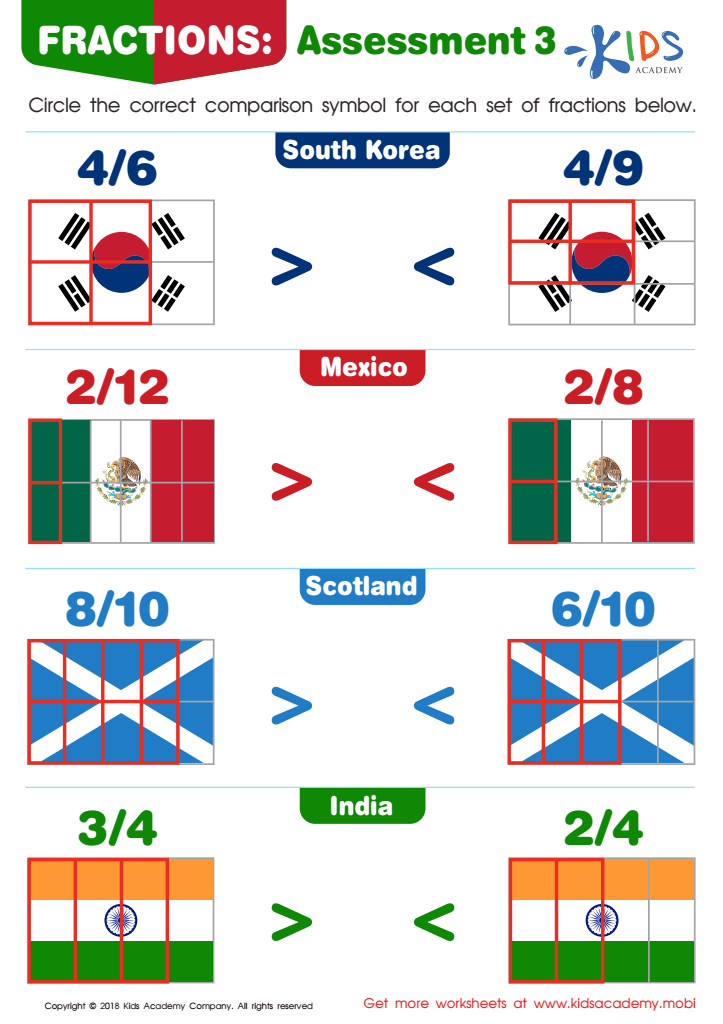
Fractions: Assessment 3 Worksheet
 Assign to My Students
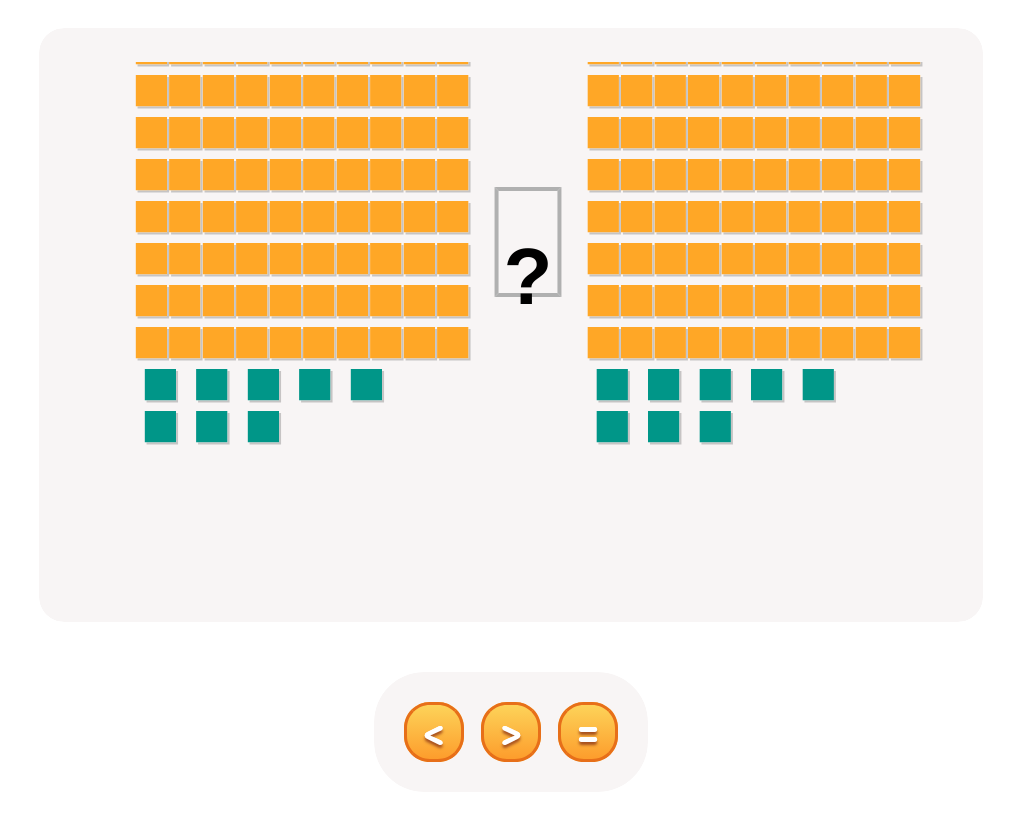

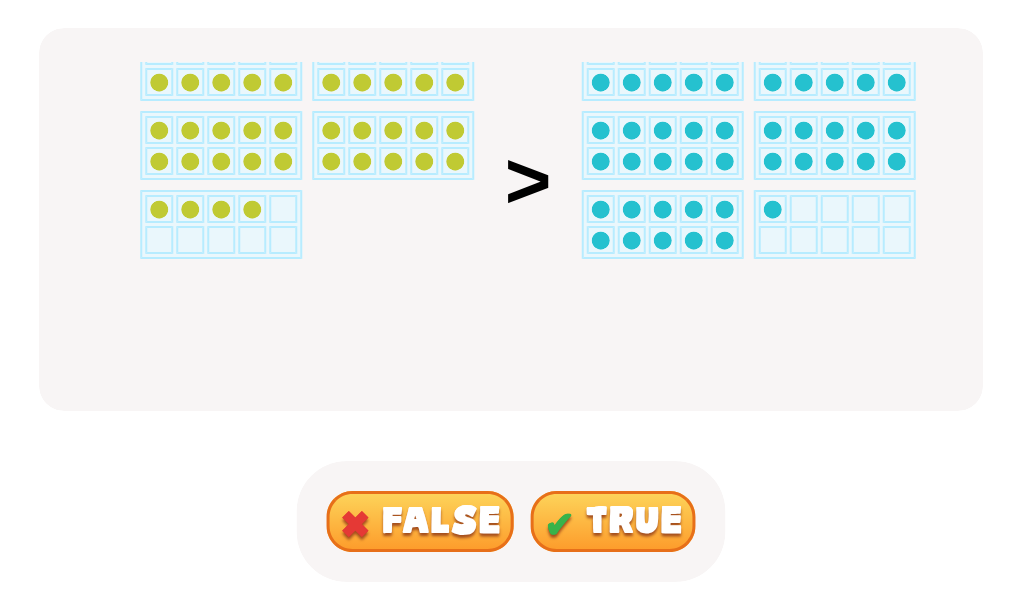
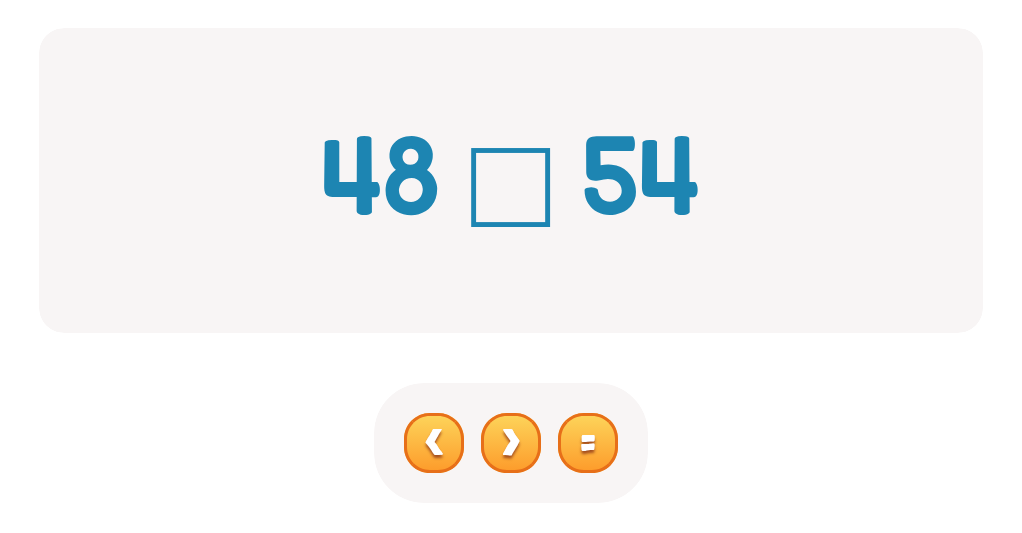
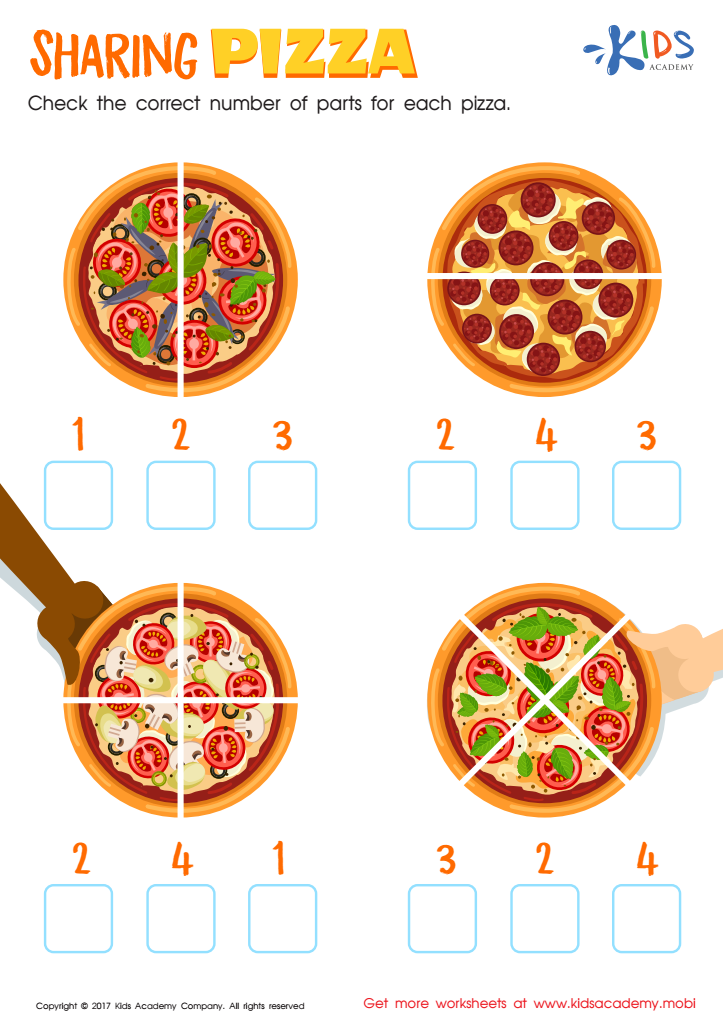
Sharing Pizza Worksheet
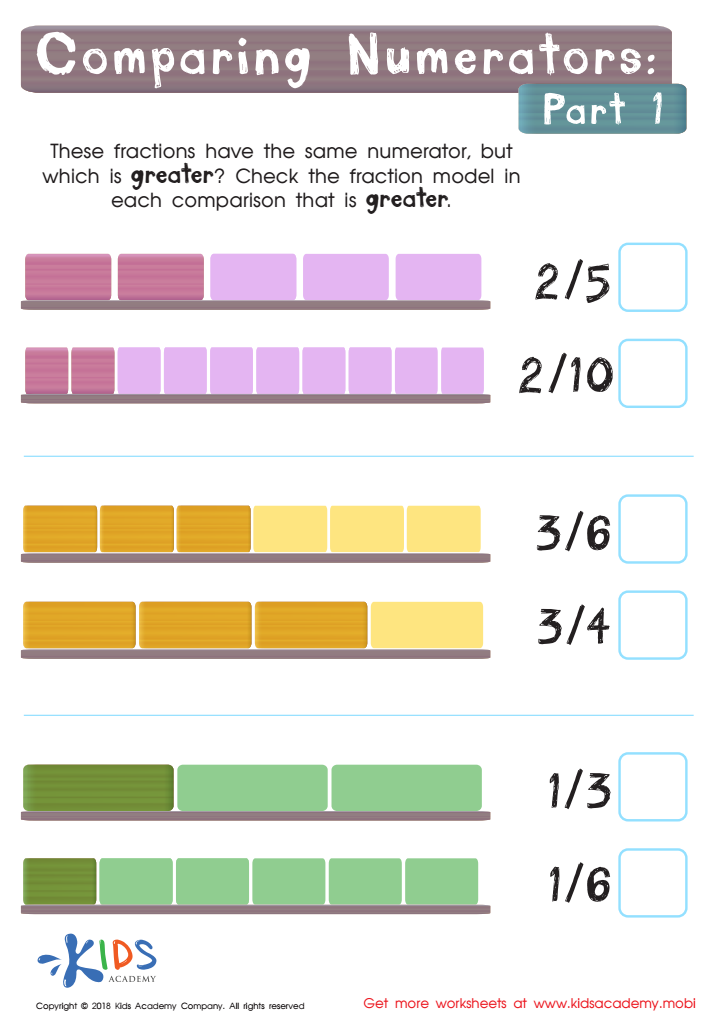
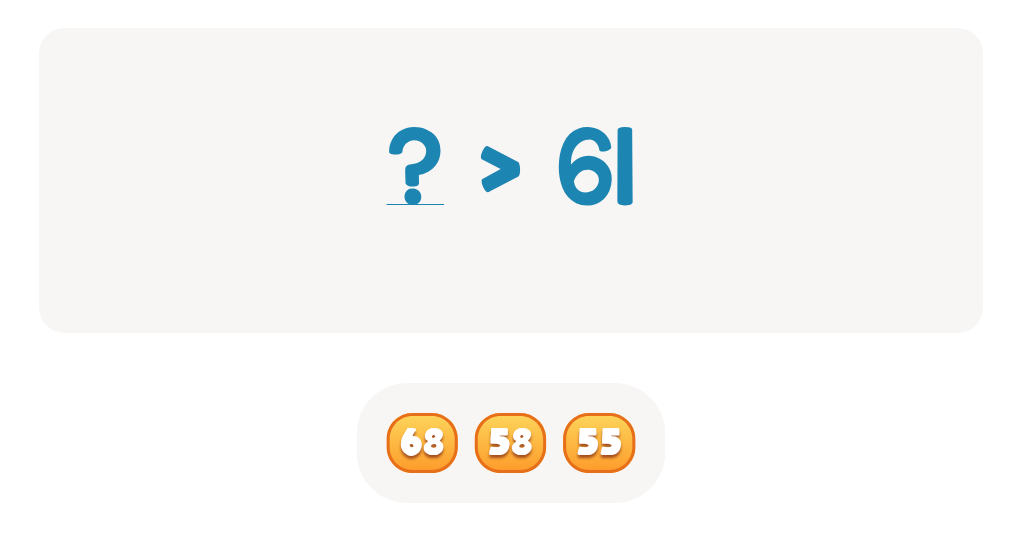
Comparing Numerators Part 1 Worksheet





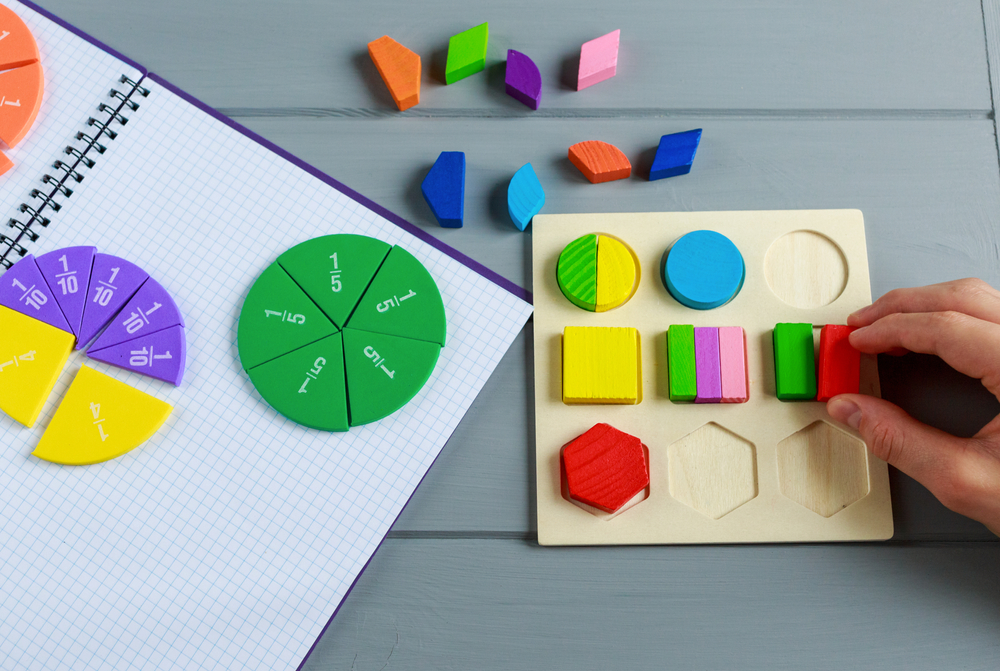


Understanding fractions and comparing numbers are foundational skills in early math education that have far-reaching implications for a child's academic growth. For children ages 4-9, developing these concepts is pivotal for several reasons.
Firstly, fractions introduce children to the idea that numbers are not always whole, helping them grasp the concept of parts and wholes, which is key for understanding measurements, probability, and data analysis later in life. For instance, comprehending simple fractions like half and quarter can help children understand portions and fair sharing, critical skills both in and out of the classroom.
Secondly, the ability to compare numbers enhances analytical thinking. When children learn to compare quantities, they build number sense, enabling them to make sense of the world through mathematical reasoning. This is fundamental in addressing more complex math topics down the line, such as place value, sequencing, and arithmetic operations.
Moreover, mastery of these skills provides children with confidence. Early successes in math create a positive feedback loop: as students understand and enjoy math, they become more willing to engage with new and challenging topics.
By encouraging and supporting the development of these skills, parents and teachers lay the groundwork for future academic success, critical thinking, and everyday problem-solving abilities. Both fractions and number comparison contribute significantly to a child's overall cognitive development, making them indispensable components of early education.








