Understanding greater/less than Comparing Numbers Worksheets for Ages 4-9
3 filtered results
-
From - To
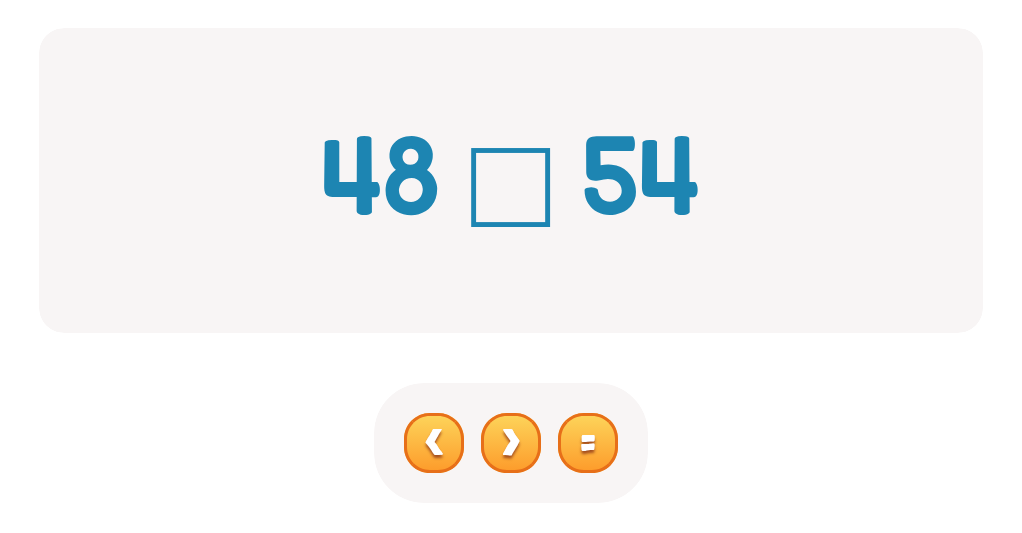
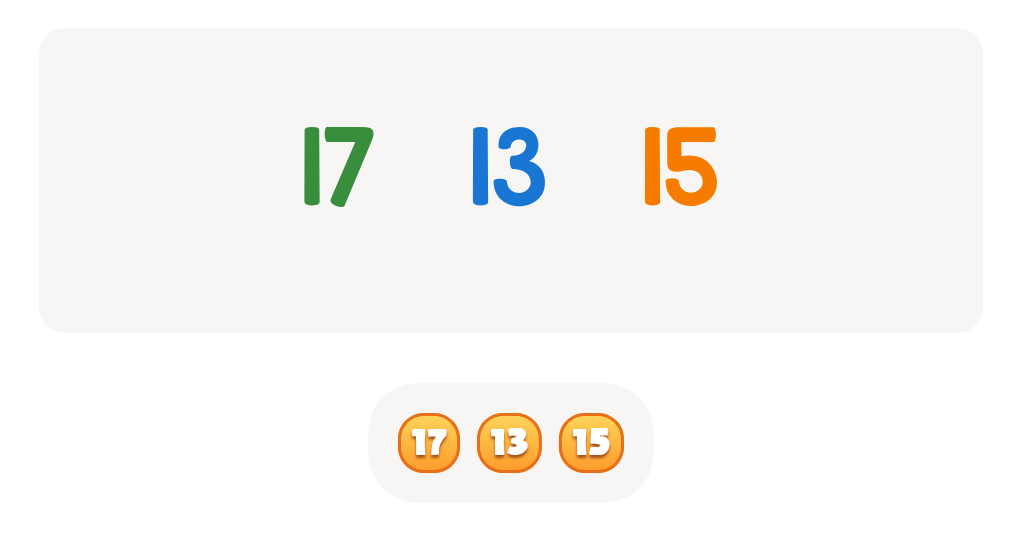
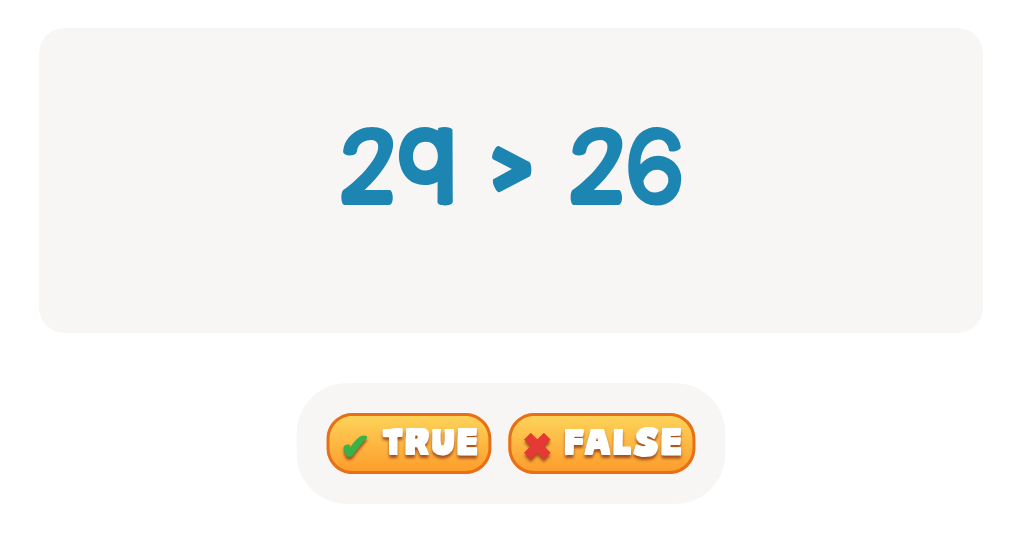
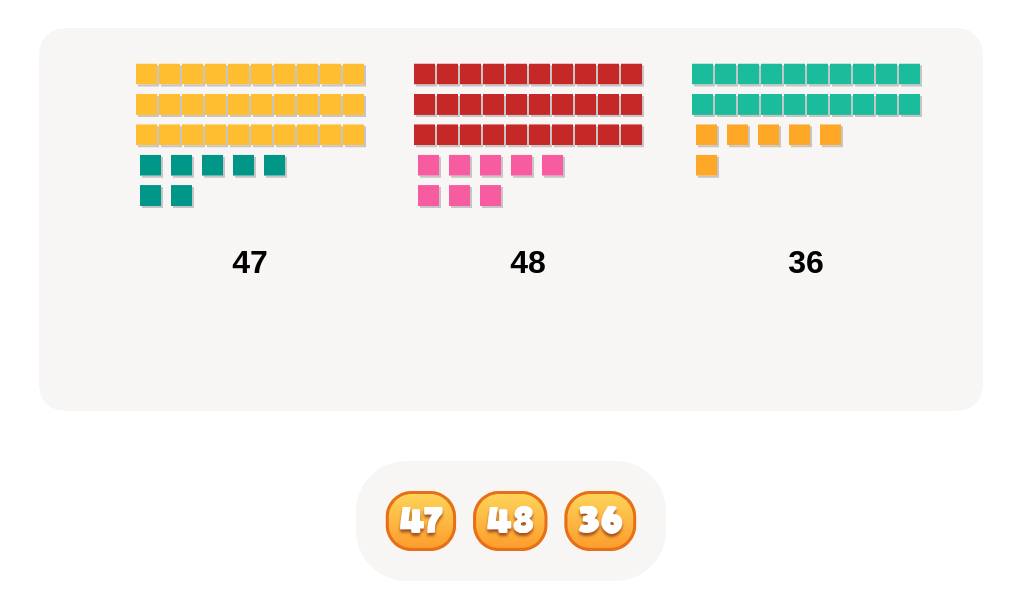
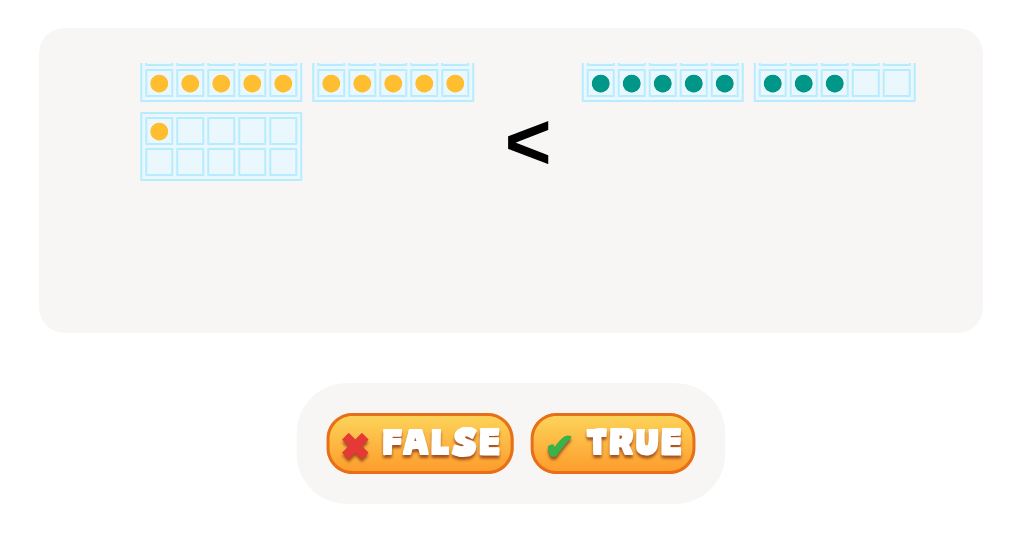
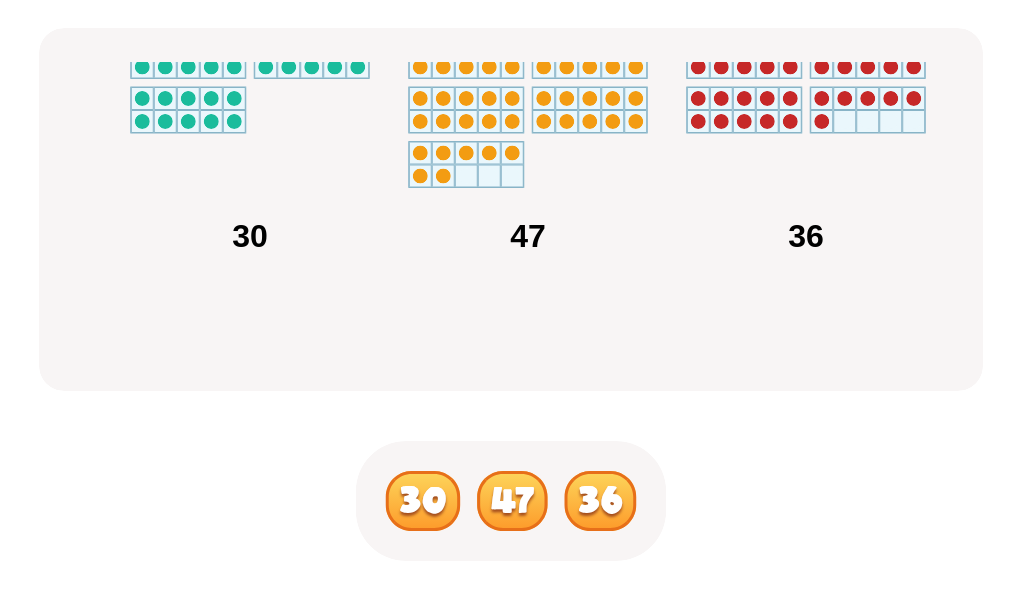
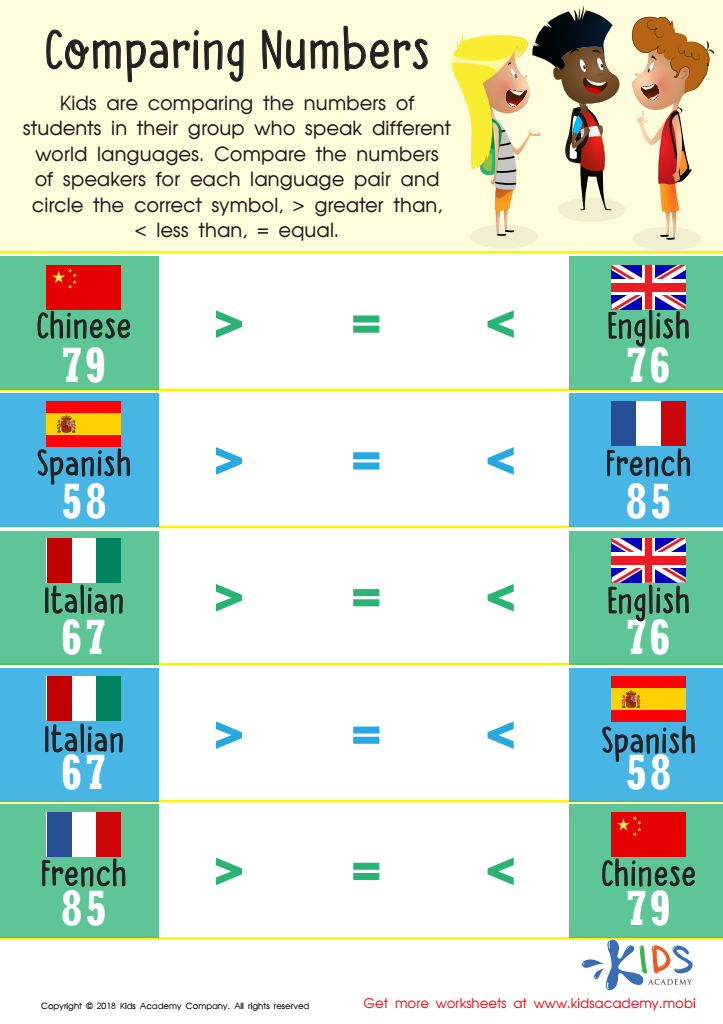
Help your child master essential math skills with our "Understanding Greater/Less Than Comparing Numbers Worksheets" tailored for ages 4-9. These engaging and colorful worksheets make learning fun while teaching kids how to compare numbers using the greater than, less than, and equal to symbols. Developed by experienced educators, each worksheet offers a variety of exercises designed to boost your child's confidence and proficiency in foundational math concepts. Ideal for both classroom use and at-home practice, these printables are a valuable resource for parents and teachers aiming to support young learners on their mathematical journey. Download today and watch your child’s skills grow!
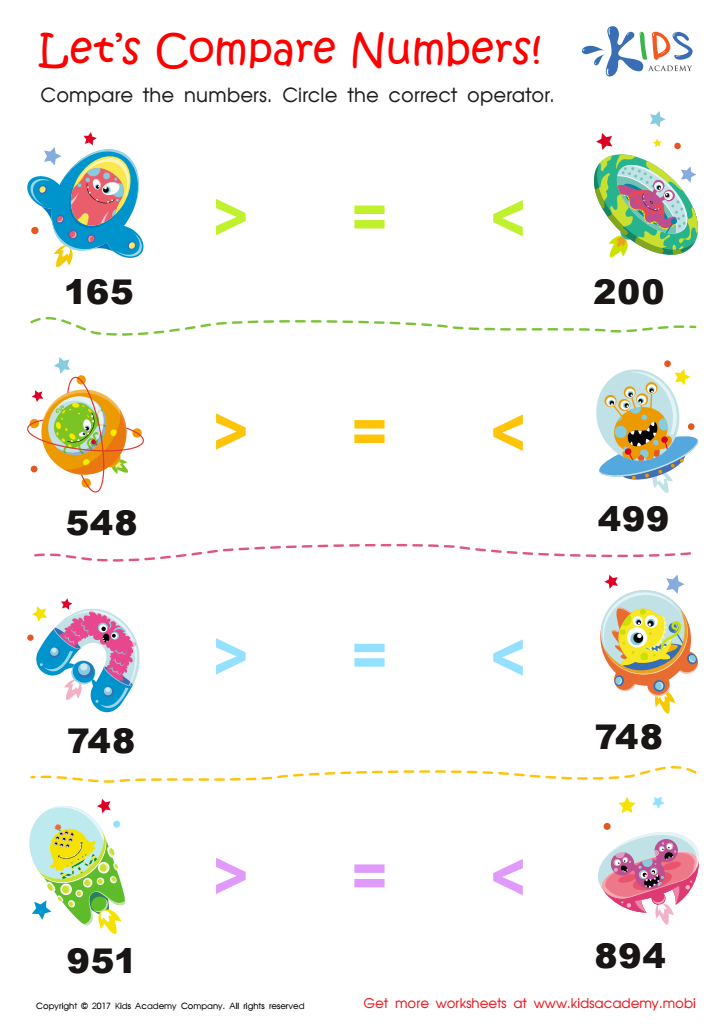
Comparing Numbers Worksheet for 2nd Grade
 Assign to My Students
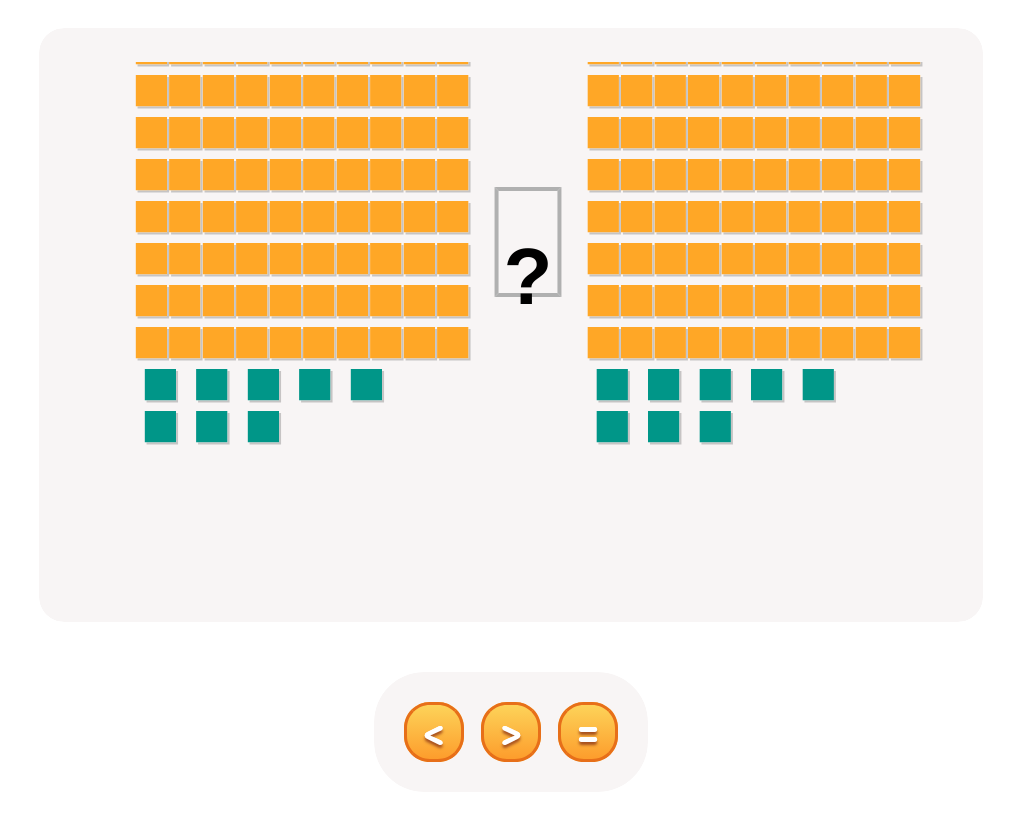

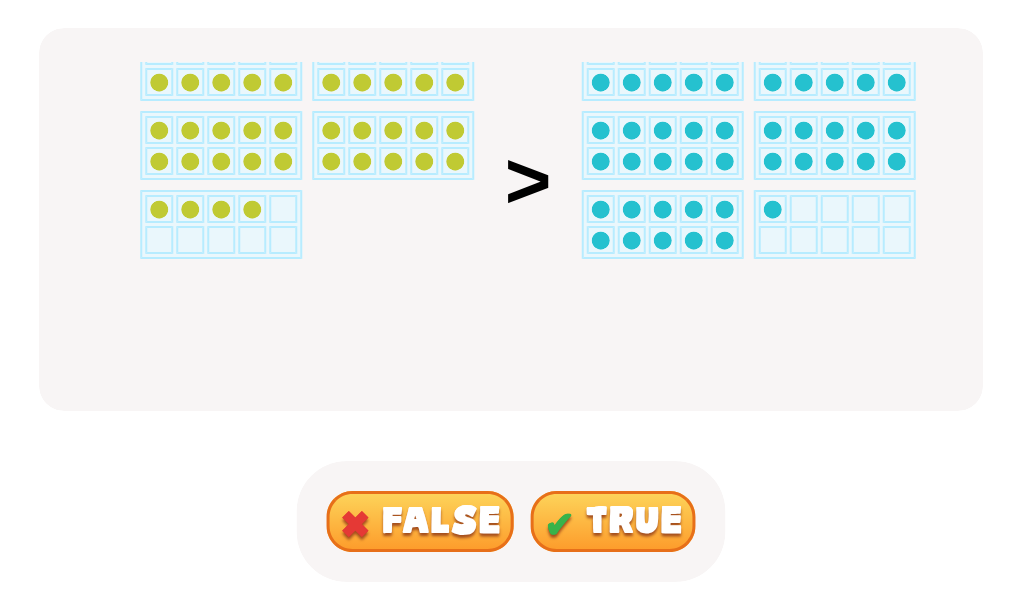
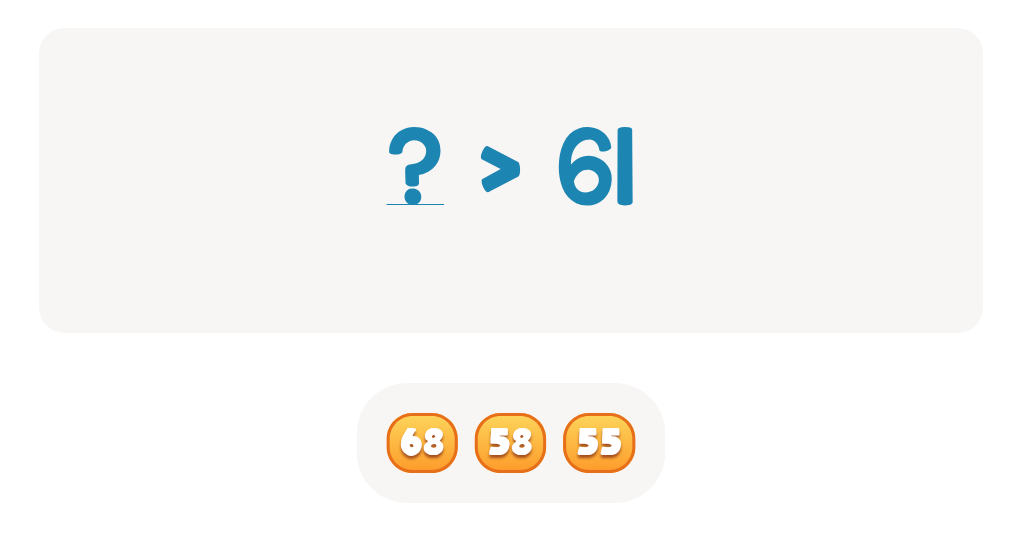
Comparing Numbers Worksheet for 1st Grade
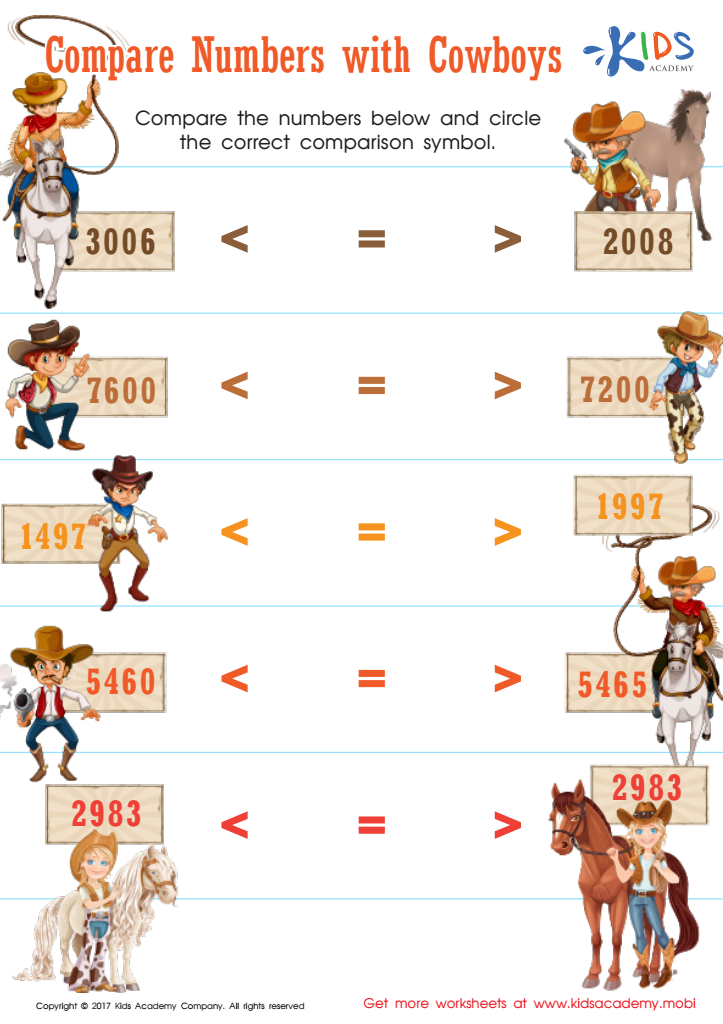
Compare Numbers Worksheet for 3rd Grade








Understanding the concept of "greater than" and "less than" is essential for children aged 4-9 as it forms the foundation for their mathematical development. This concept helps them comprehend number relationships and basic arithmetic, which are critical in both academic and real-life contexts.
When children grasp how to compare numbers, they begin to develop logical thinking and problem-solving skills. They learn to evaluate quantities, make decisions based on numerical information, and recognize patterns. For instance, understanding that 7 is greater than 5 can help them make faster and more accurate judgments in everyday situations like handling money or dividing snacks.
For teachers and parents, reinforcing these concepts enhances the child’s confidence and competence in math, contributing to positive math experiences and reducing math anxiety. Early mastery in comparing numbers sets a groundwork for more complex mathematical operations such as addition, subtraction, multiplication, and division.
Moreover, these skills are important for standardized testing and overall academic performance. Engaging children with fun, age-appropriate activities that emphasize greater-than and less-than comparisons helps inculcate these crucial skills and encourages a lifelong appreciation and proficiency in mathematics. Hence, promoting an understanding of these fundamental concepts is vital for a child’s academic success and practical life skills.








