Reading comprehension Geometry Worksheets for Ages 4-9
7 filtered results
-
From - To
Unlock the magic of learning with our "Reading Comprehension Geometry Worksheets" designed for kids ages 4-9. Our engaging worksheets combine the excitement of geometry with the crucial skill of reading comprehension. Developed by experienced educators, these fun and interactive activities help children understand shapes, patterns, and spatial awareness while also boosting their reading skills. With colorful illustrations and simple instructions, young learners effortlessly grasp concepts and solve problems. Perfect for both classroom use and at-home practice, our worksheets offer the foundation for lifelong learning in a captivating way. Discover the joy of learning geometry and reading comprehension together today!
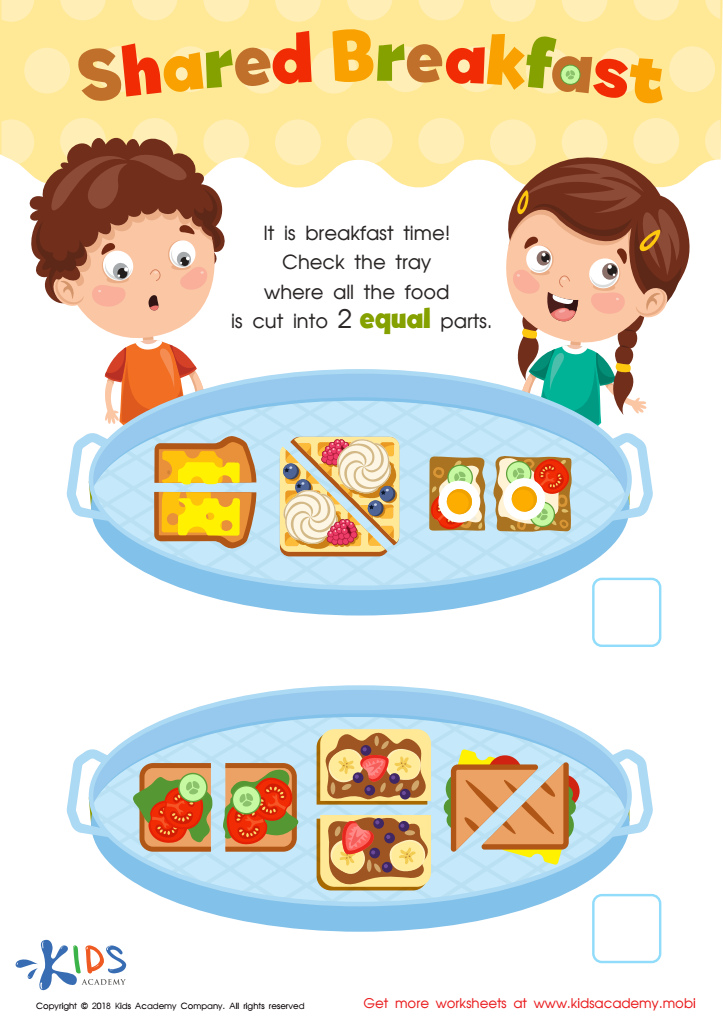
Shared Breakfast Worksheet
 Assign to My Students











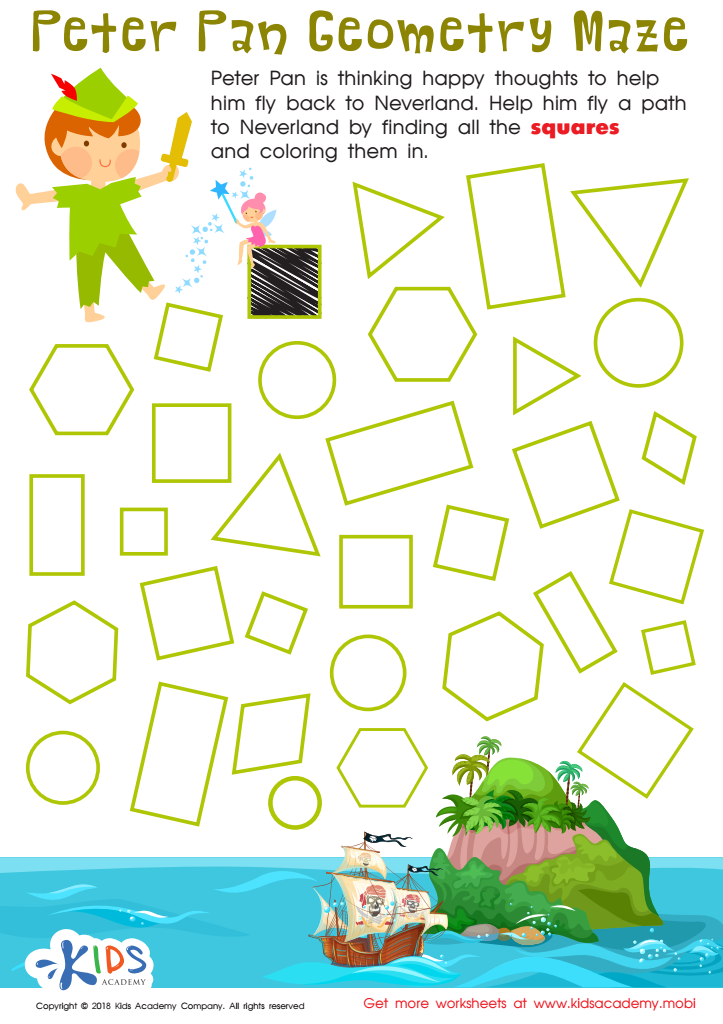
Peter Pan Worksheet
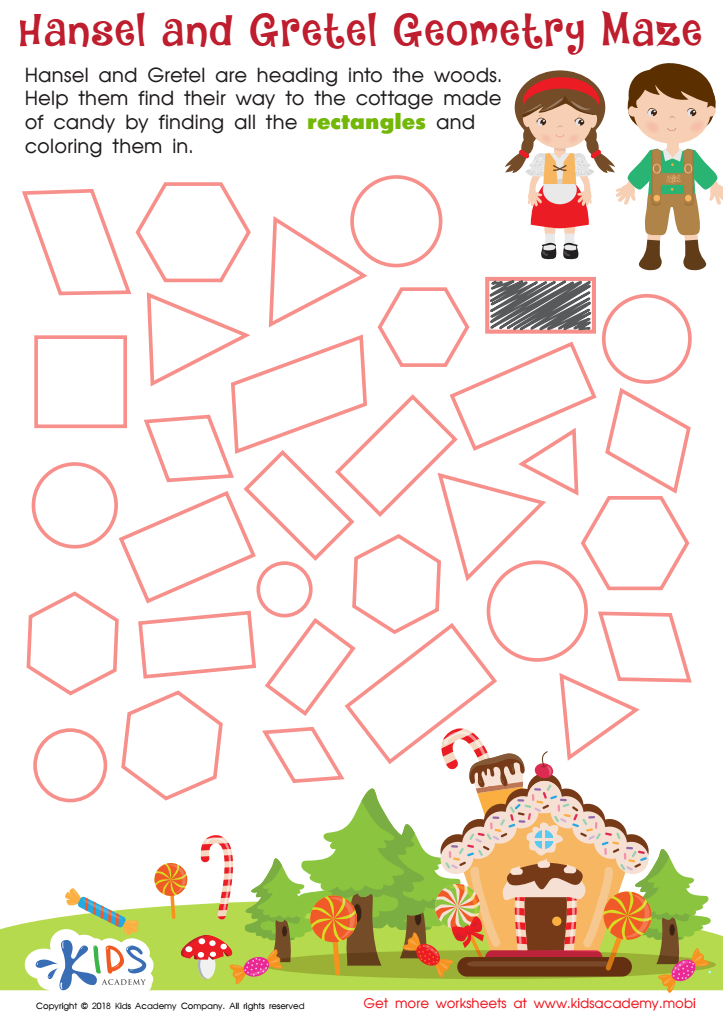
Hansel and Gretel Geometry Maze Worksheet
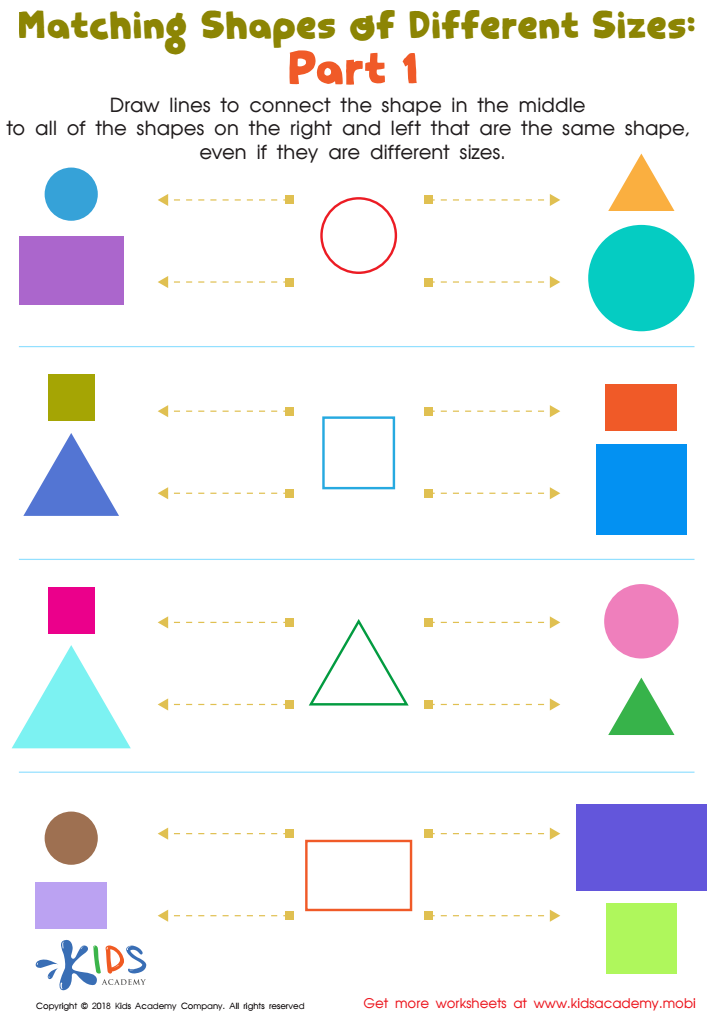
Geometry: part 1 Worksheet
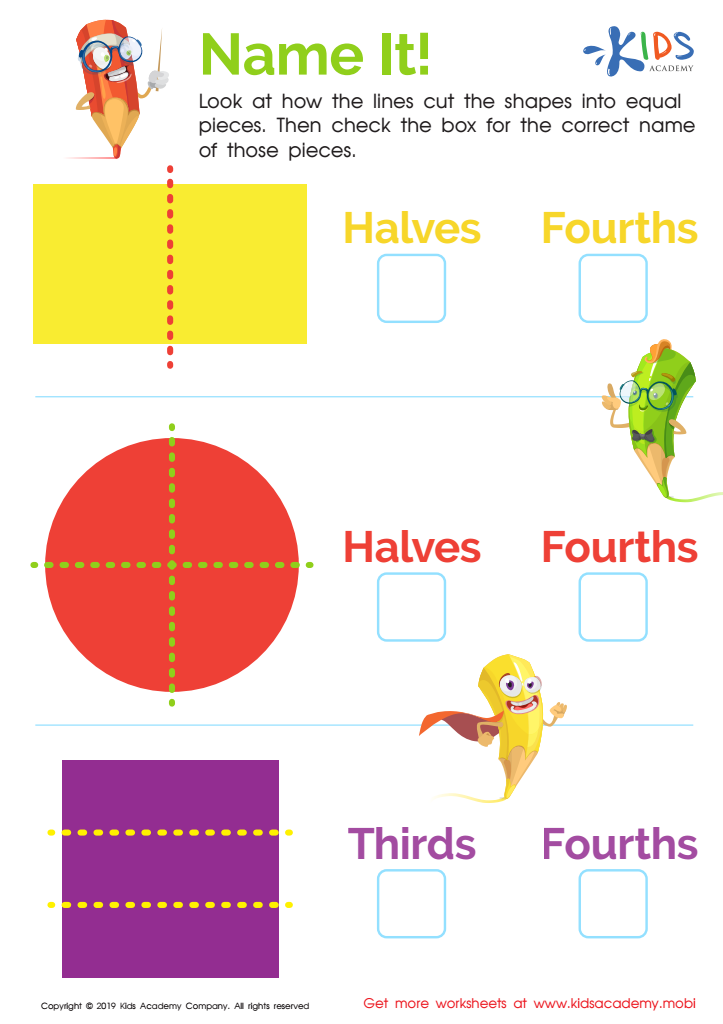
Name It! Worksheet
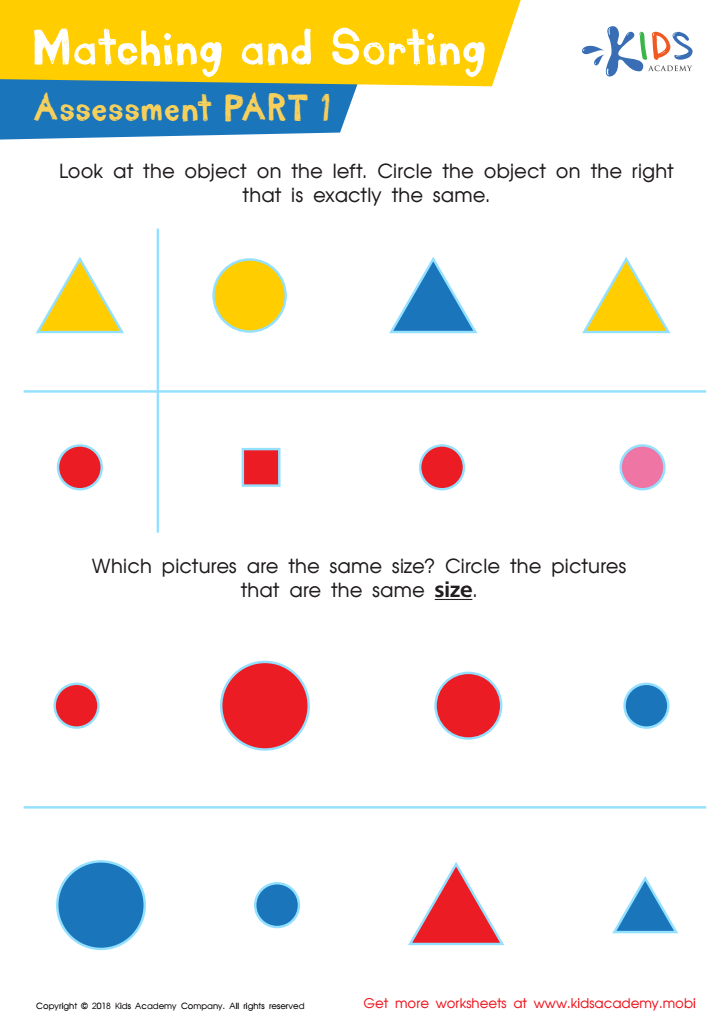
Matching and Sorting for Kindergarten: Assessment 1 Worksheet
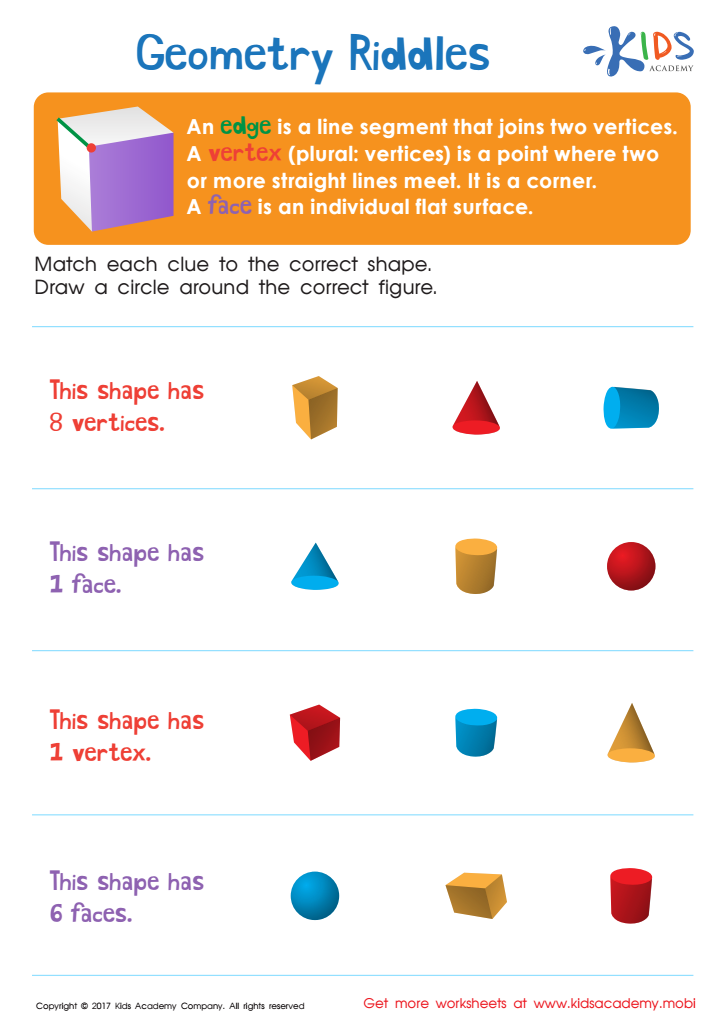
Geometry Riddles Printable








Reading comprehension and geometry are fundamental skills crucial for young children, ages 4-9, as they lay the groundwork for future academic success and daily life problem-solving.
Firstly, reading comprehension enables children to understand and process written information effectively. It is not only pivotal for language arts but also for understanding instructions and word problems in mathematics, including geometry. Comprehension skills help children follow stories, relate to characters, infer meanings, and grasp complex concepts.
Geometry introduces children to the properties and relations of points, lines, surfaces, and solids. For young learners, basic concepts such as shapes, sizes, patterns, and spatial relationships become foundational for more advanced mathematical reasoning. Learning geometry ignites an appreciation for the order and structure in the world around them.
When reading comprehension and geometry skills are integrated, they reinforce each other. Spatial awareness obtained through geometry can help a child better understand and visualize the written material. Similarly, strong reading comprehension skills make it easier for children to follow geometric problems and instructions.
Incorporating these subjects early enhances cognitive development, critical thinking, and creative problem-solving. Parents and teachers who prioritize these skills set children up for lifelong learning and success across multiple disciplines, including science, technology, engineering, and mathematics (STEM) fields.








