Basic Arithmetic Numbers Worksheets for Ages 4-9
8 filtered results
-
From - To
Explore our "Basic Arithmetic Numbers Worksheets for Ages 4-9," designed to make learning math fun and engaging! These worksheets cover essential skills such as addition, subtraction, multiplication, and division, tailored for young learners. Our colorful, interactive resources help children grasp foundational math concepts while building confidence in their abilities. Perfect for classroom use or home practice, these worksheets promote critical thinking and problem-solving skills. Watch your child develop a love for numbers through exciting activities that reinforce their arithmetic understanding. Start fostering a strong math foundation today with our educational and entertaining materials!
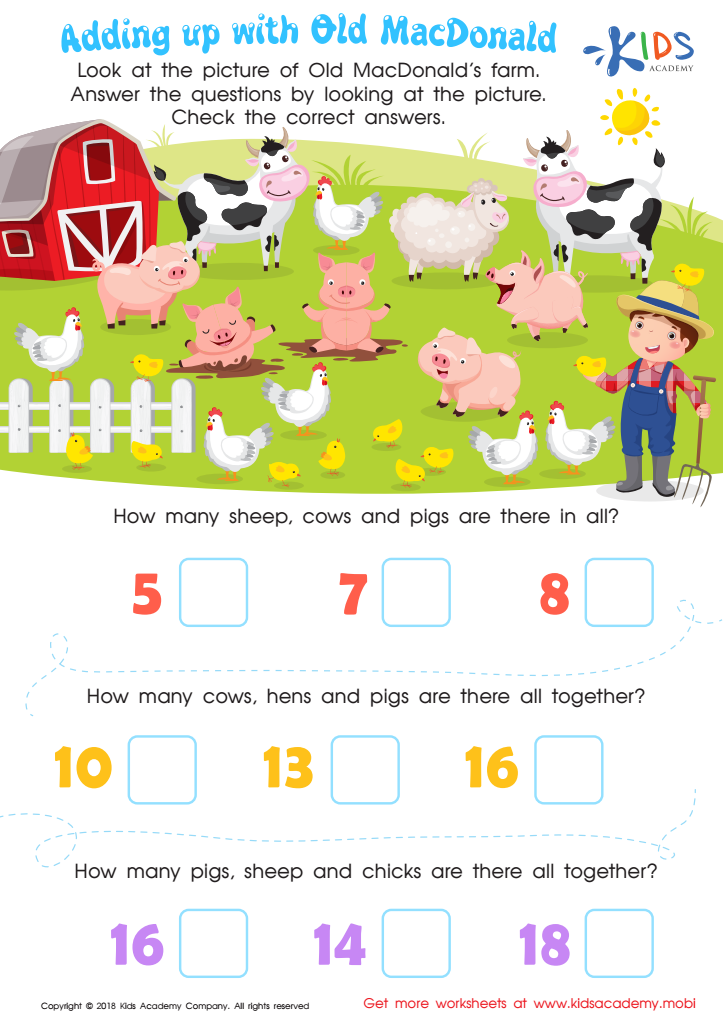
Adding Up with Old MacDonald Worksheet
 Assign to My Students
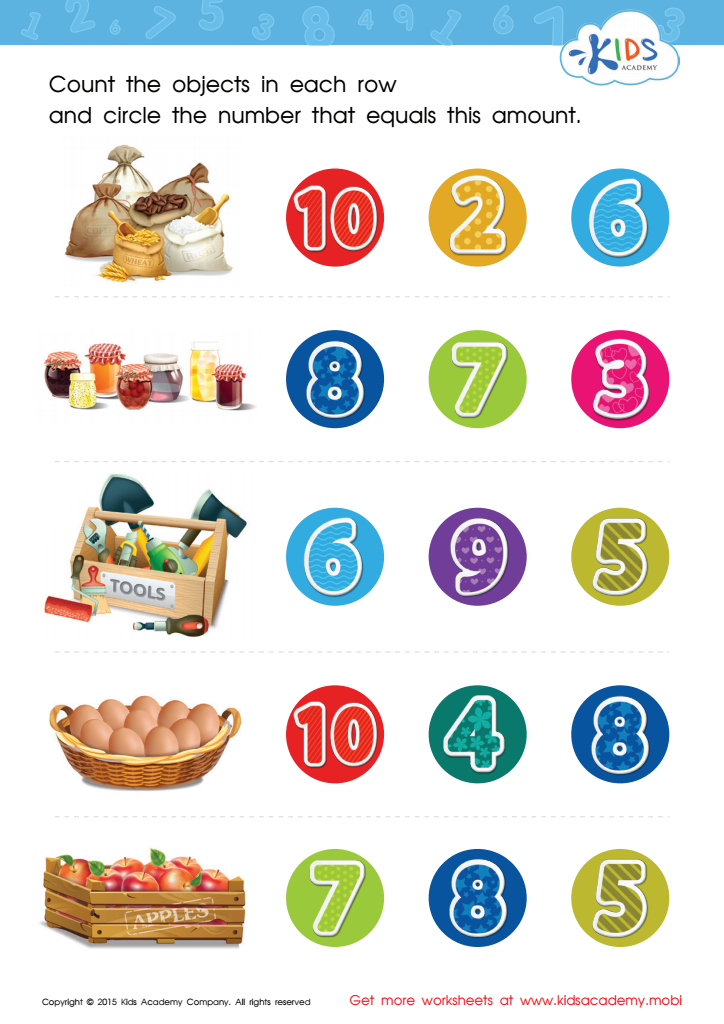
Count and Match 6 – 10 Math Worksheet
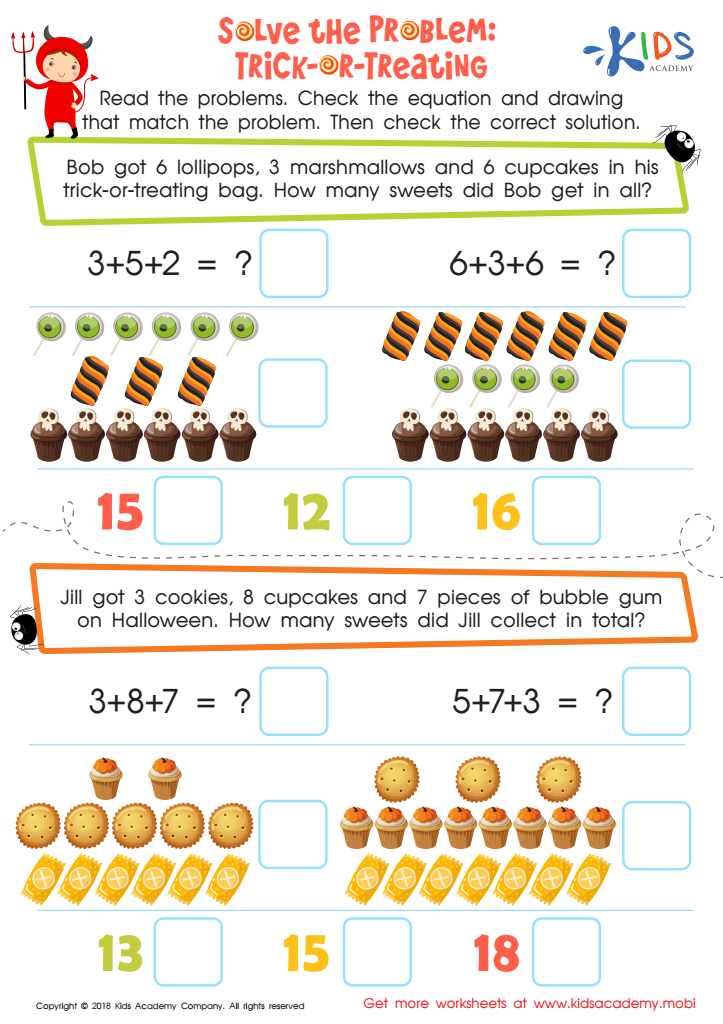
Solve the Problem: Trick–or–treating Worksheet
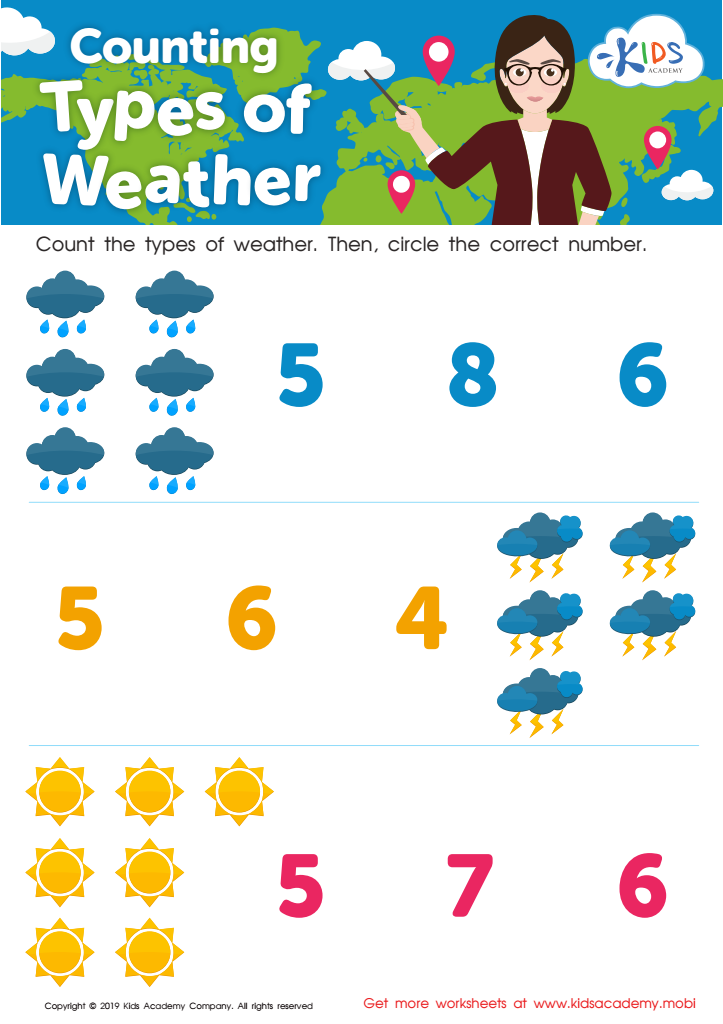
Counting Types of Weather Worksheet
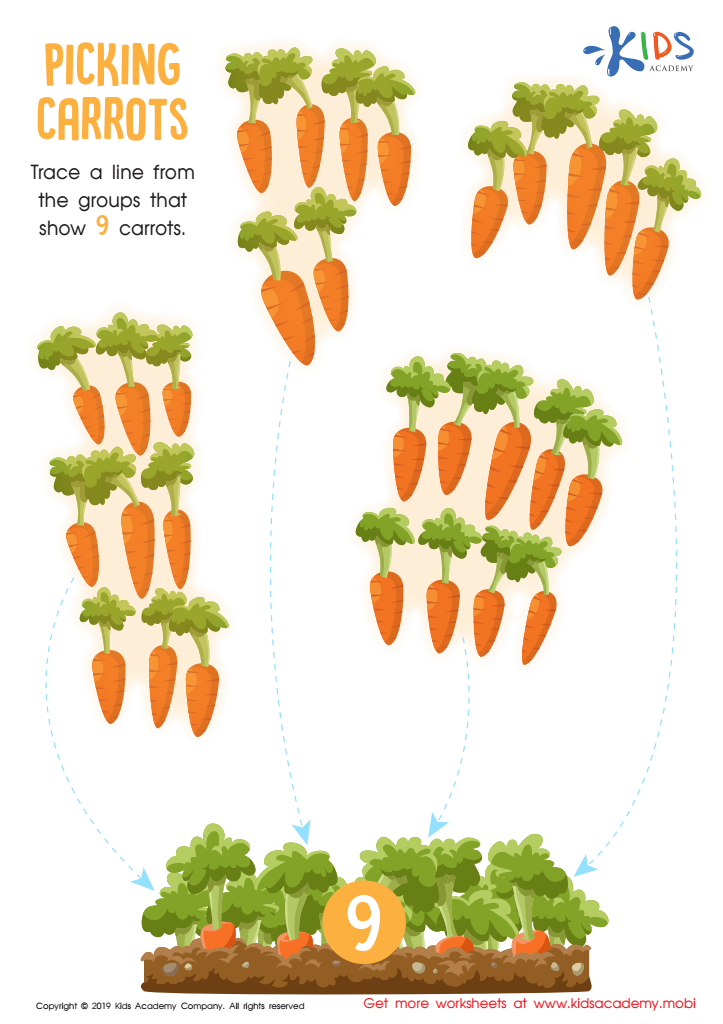
Picking Carrots Worksheet
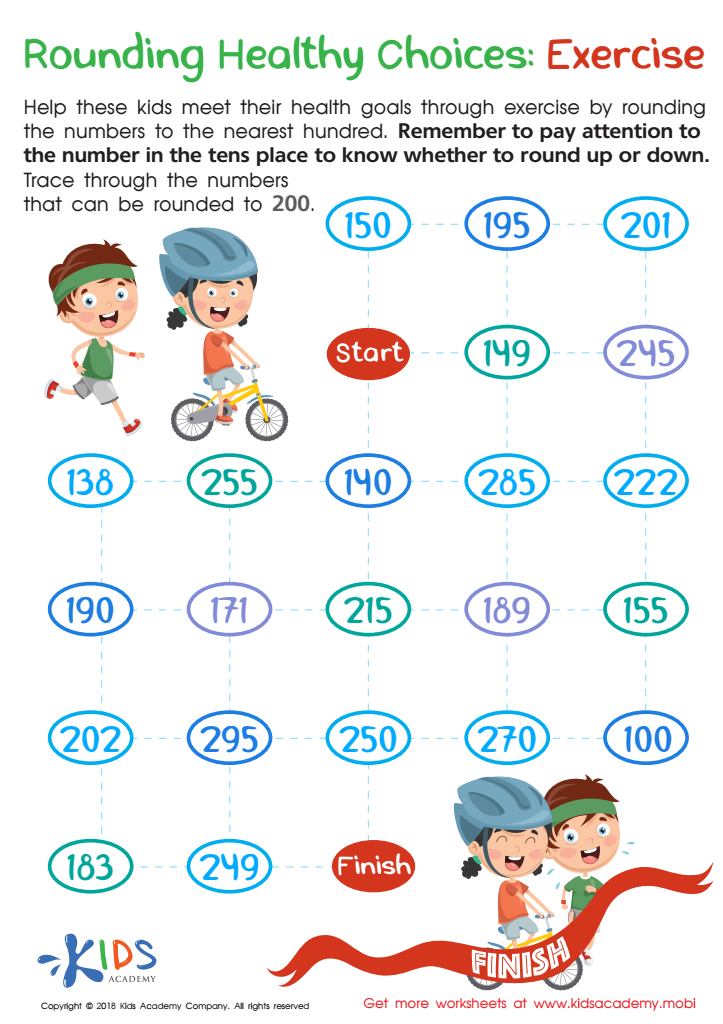
Rounding Healthy Choices Exercise Worksheet
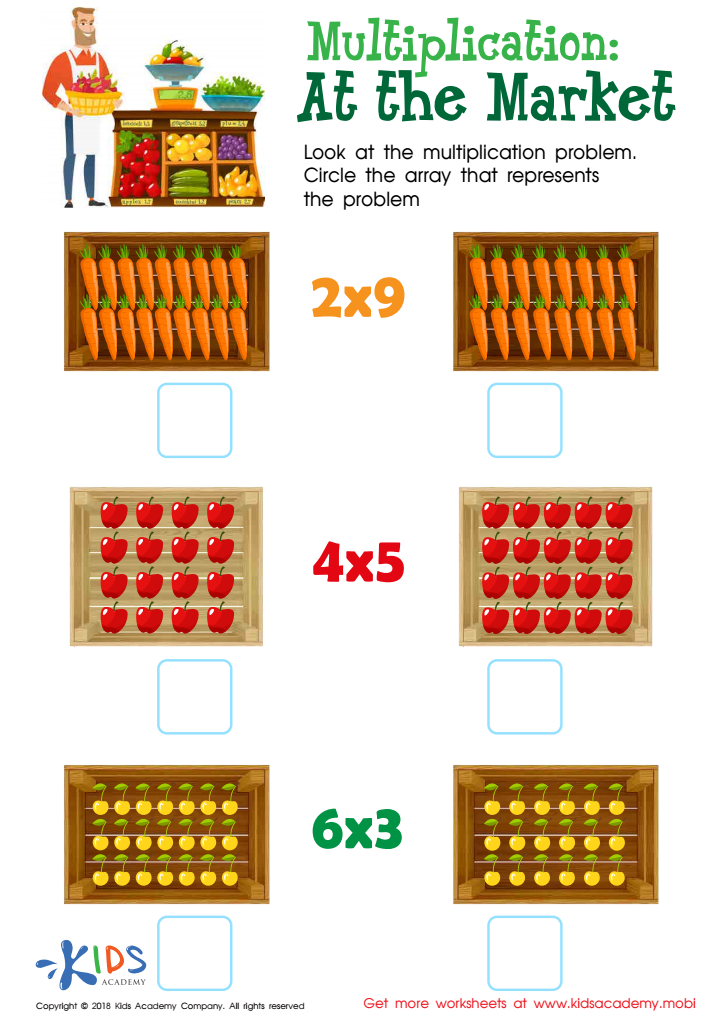
At the Market Worksheet
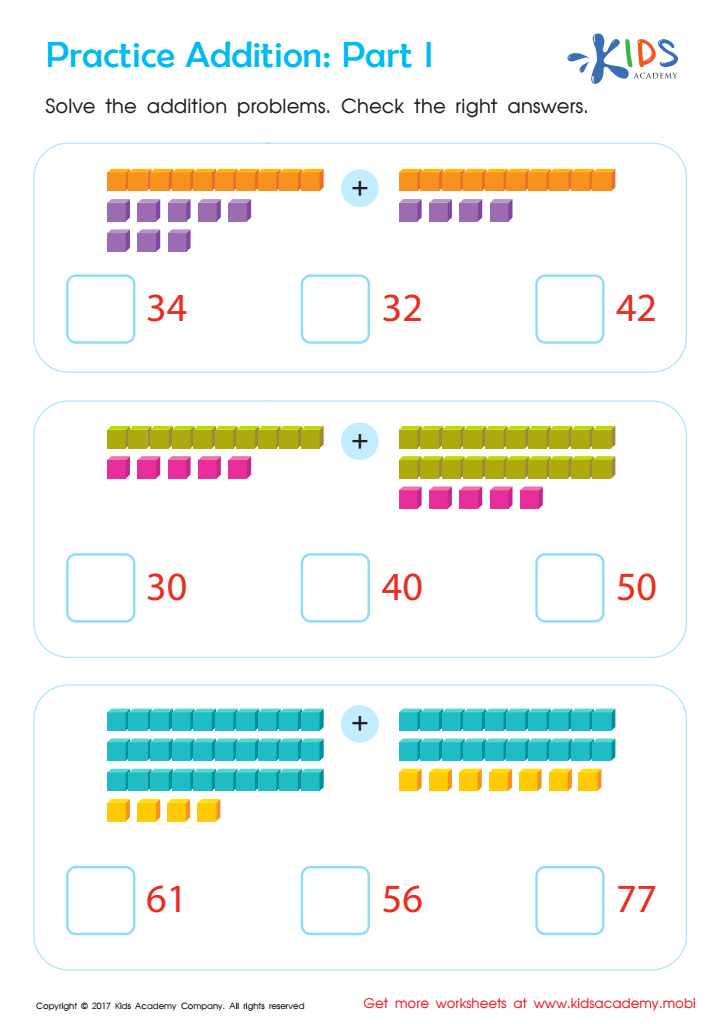
Practice Addition: Part 1 Worksheet








Parents and teachers should care about basic arithmetic numbers for ages 4-9 because foundational math skills are critical for a child’s development and future academic success. During these formative years, children develop their understanding of numbers and the relationships between them, which sets the stage for more complex mathematical concepts later in life.
Basic arithmetic—including addition, subtraction, multiplication, and division—is not just about memorizing facts; it fosters essential critical thinking and problem-solving skills. Engaging children with numbers helps enhance their cognitive development, offering opportunities for them to explore patterns, relationships, and logical reasoning. Mastering these concepts builds their confidence, encouraging a positive attitude towards math that can last a lifetime.
Additionally, basic arithmetic is intertwined with everyday life. Children who understand numbers can better grasp concepts such as time, money, and measurement, fostering their independence and decision-making skills. Furthermore, strong arithmetic abilities contribute to success in future STEM fields, which are increasingly crucial in a technologically driven world. By nurturing an early enthusiasm for math and ensuring a solid grasp of basic arithmetic, parents and teachers can equip children with the tools they need for lifelong learning and real-world problem-solving.








