Categorization skills Numbers Worksheets for Ages 4-9
5 filtered results
-
From - To
Enhance your child's understanding of numbers with our Categorization Skills Numbers Worksheets designed for ages 4-9. These engaging worksheets promote critical thinking and help children group numbers by various criteria, laying the foundation for advanced math concepts. Each activity encourages kids to identify similarities and differences, supporting their cognitive skills while fostering a love for learning. Our printable resources are ideal for home or classroom use, providing countless opportunities for practice and reinforcement. Give your child a head start in mathematics with our fun and interactive categorization worksheets – a vital step toward mastering numbers and building comprehension skills!
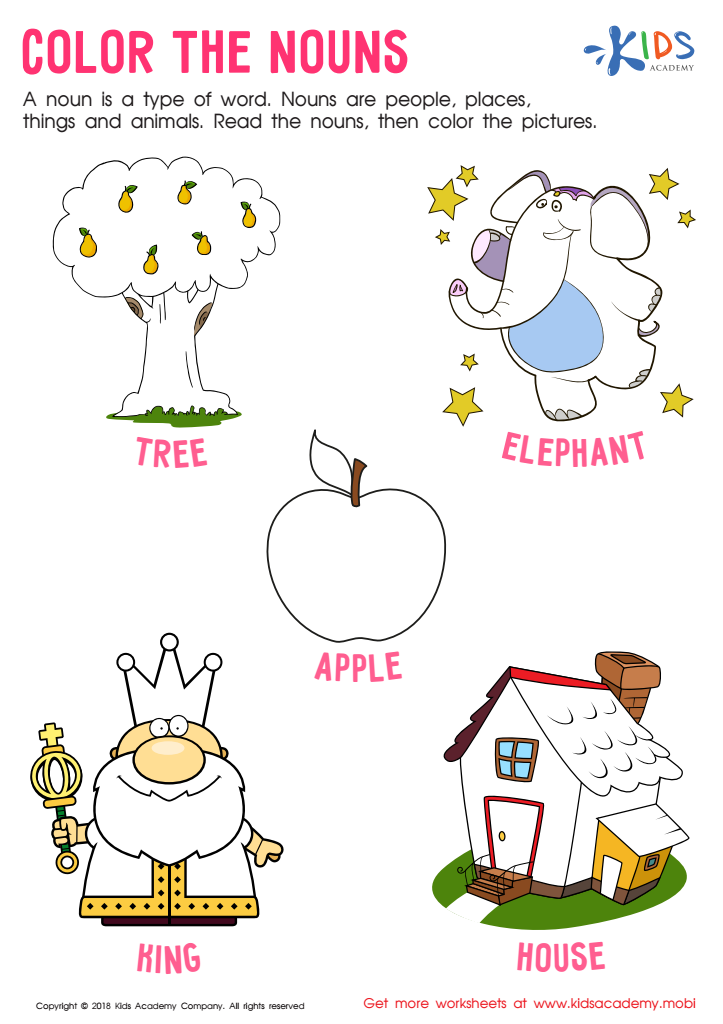
Color the Nouns Worksheet
 Assign to My Students
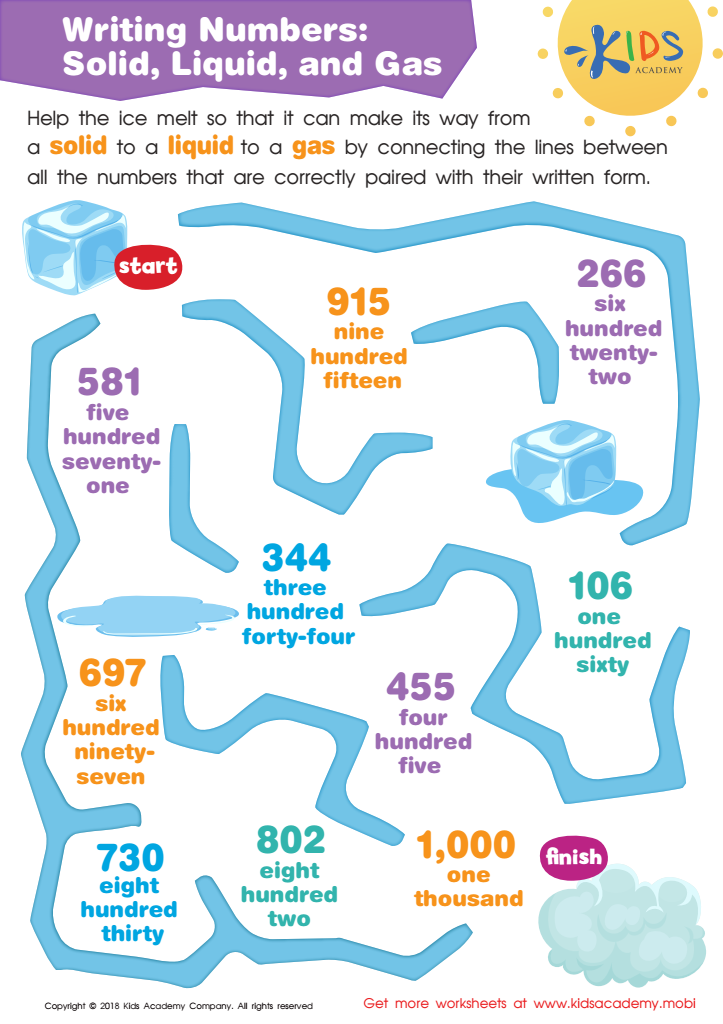
Solid, Liquid, and Gas Writing Numbers Worksheet
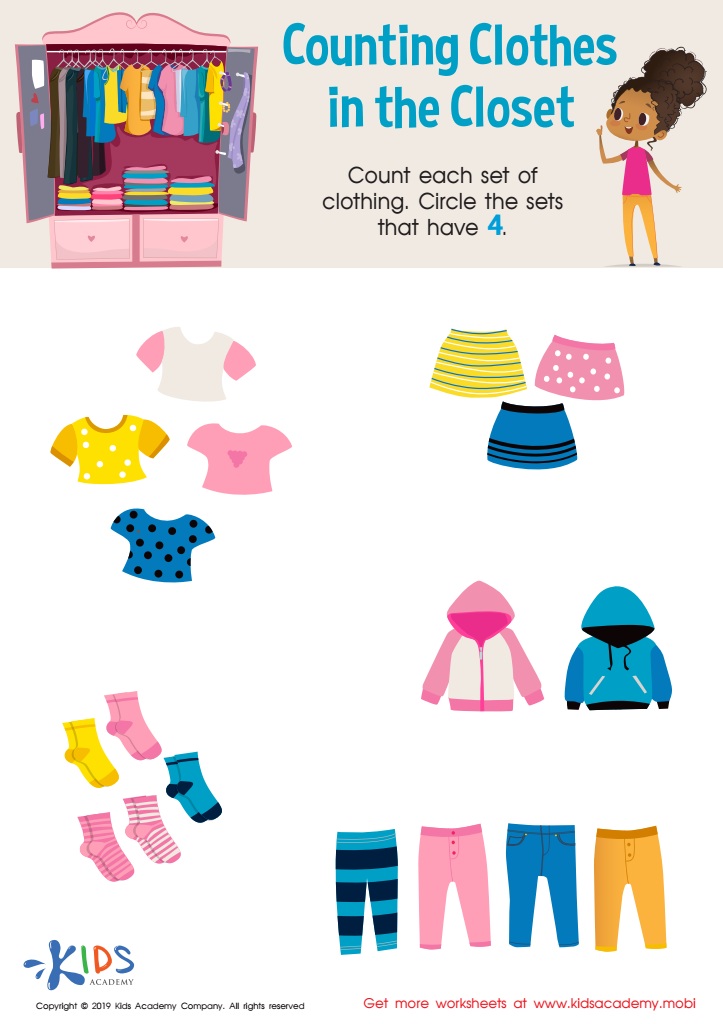
Counting Clothes Worksheet
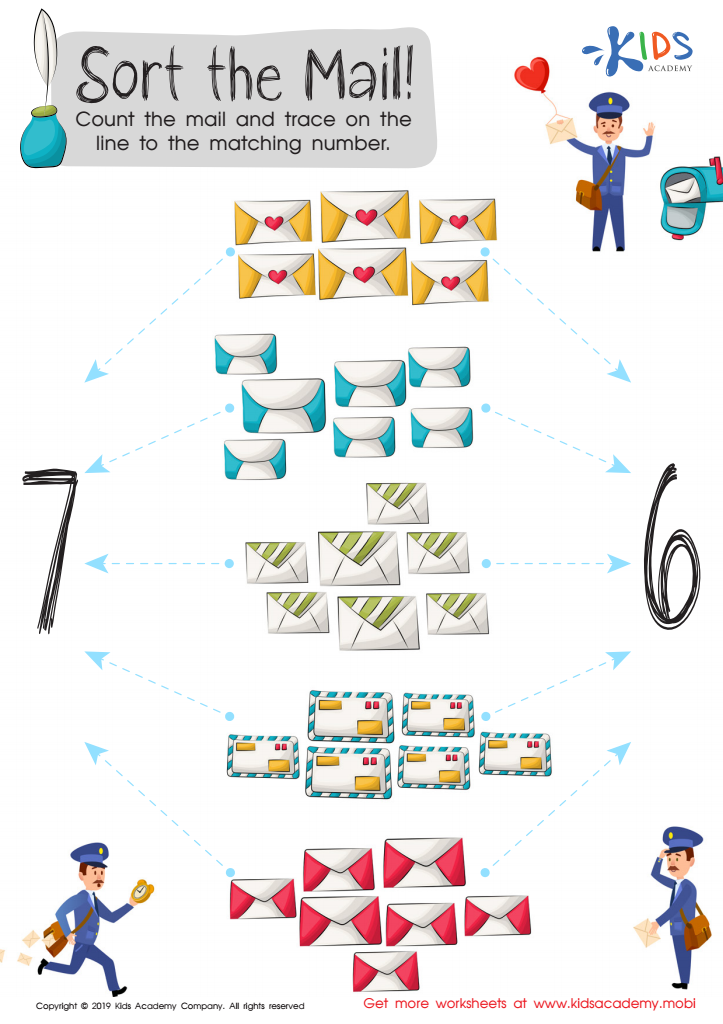
Sort the Mail Worksheet
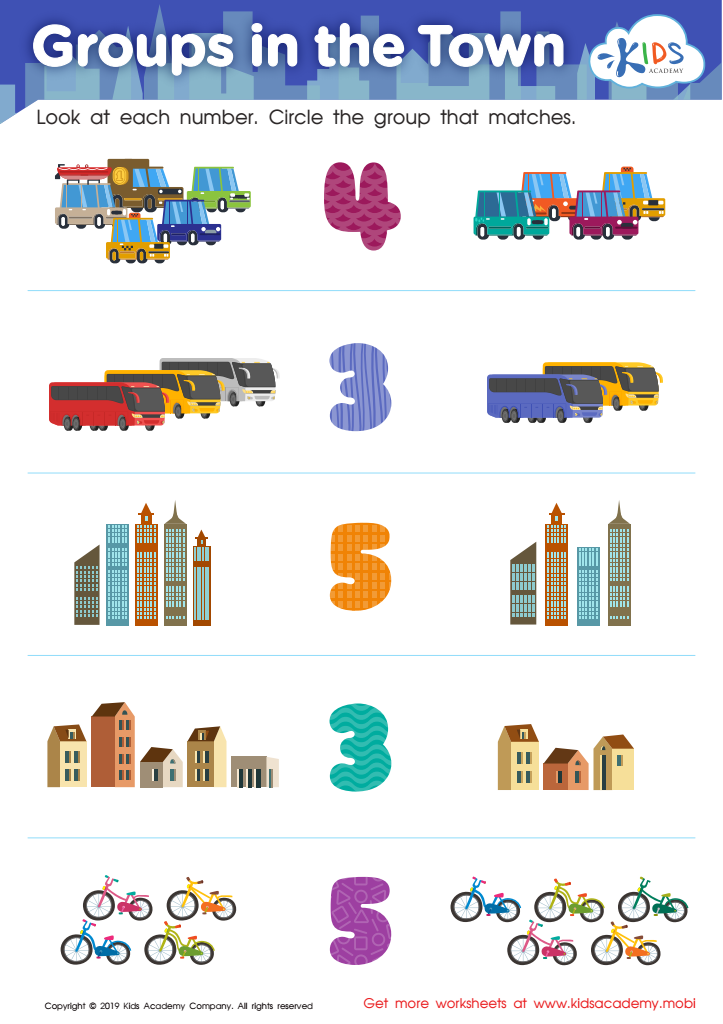
Groups in the Town Worksheet








Categorization skills are crucial for children ages 4-9 as they lay the foundation for critical thinking and problem-solving. At this developmental stage, children are learning to recognize similarities and differences in objects, which enhances their ability to sort and group items based on various attributes like size, shape, and color. This skill not only fosters logical reasoning but also aids in language development, as children learn to articulate their thought processes.
Parents and teachers should care about these skills because they directly impact a child's ability to grasp fundamental math concepts, including number recognition, counting, and basic operations. By categorizing objects, children can better understand numbers in context, enabling them to understand concepts such as "more" or "less," and to visualize quantity.
Additionally, effective categorization encourages organizational skills and promotes cognitive flexibility, which are essential life skills. Engaging in activities that promote these abilities can enhance a child’s focus and attention spans, allowing them to excel academically. Ultimately, fostering categorization skills empowers children to navigate their environment more effectively and prepares them for future learning challenges, making it a critical area of focus for parents and educators alike.








