Logical thinking Numbers Worksheets for Ages 4-9
5 filtered results
-
From - To
Enhance your child's logical thinking and number skills with our engaging "Logical Thinking Numbers Worksheets" designed for ages 4-9. These expertly crafted resources provide fun, interactive activities that challenge young minds and foster critical thinking. From simple counting exercises to complex problem-solving tasks, each worksheet builds essential foundational skills in mathematics. Ideal for home or classroom use, our colorful and captivating worksheets make learning numbers exciting and enjoyable. Empower your child to develop strong logical reasoning abilities and confidence with numbers. Transform math learning into an adventure with our comprehensive collection, tailored to fit early learners' needs!
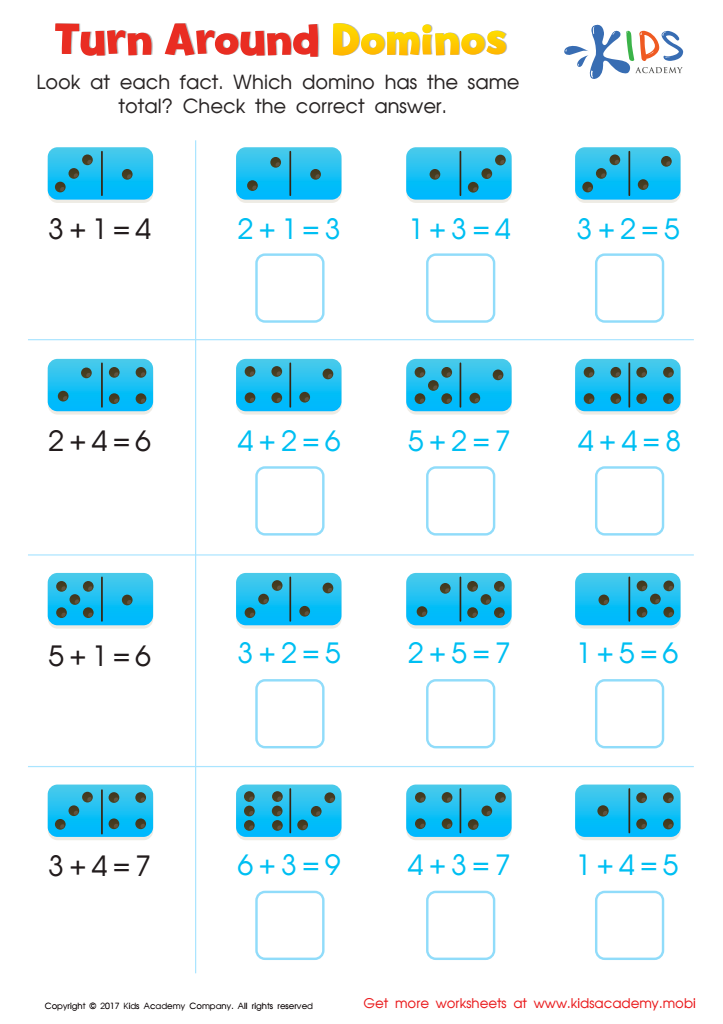
Turn Around Dominos Worksheet
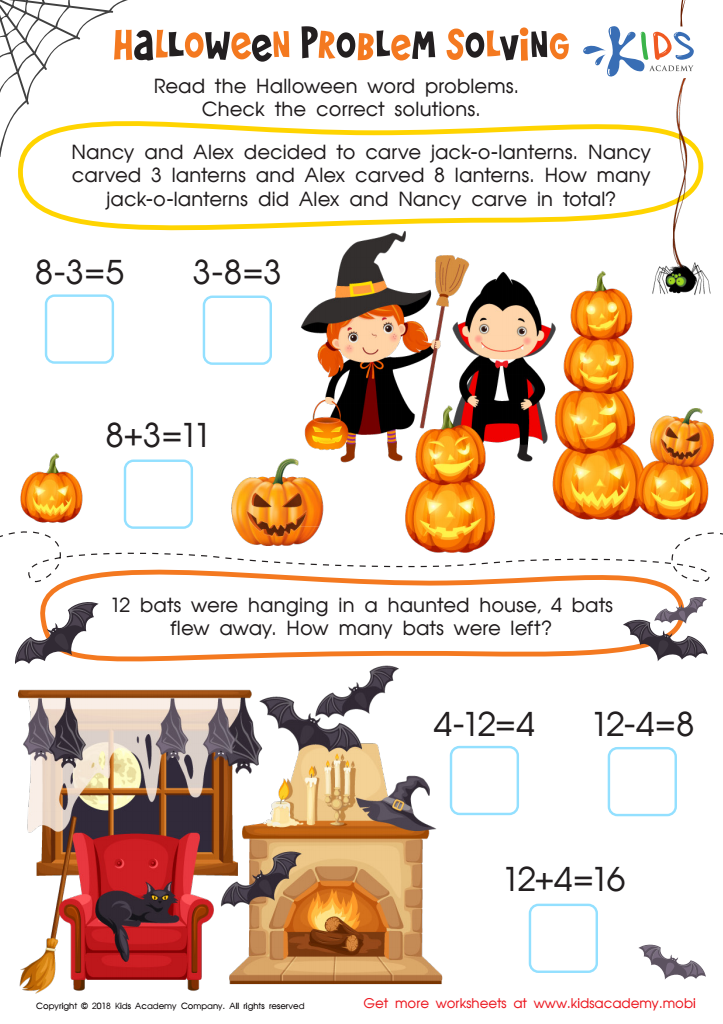
Halloween Problem Solving Worksheet
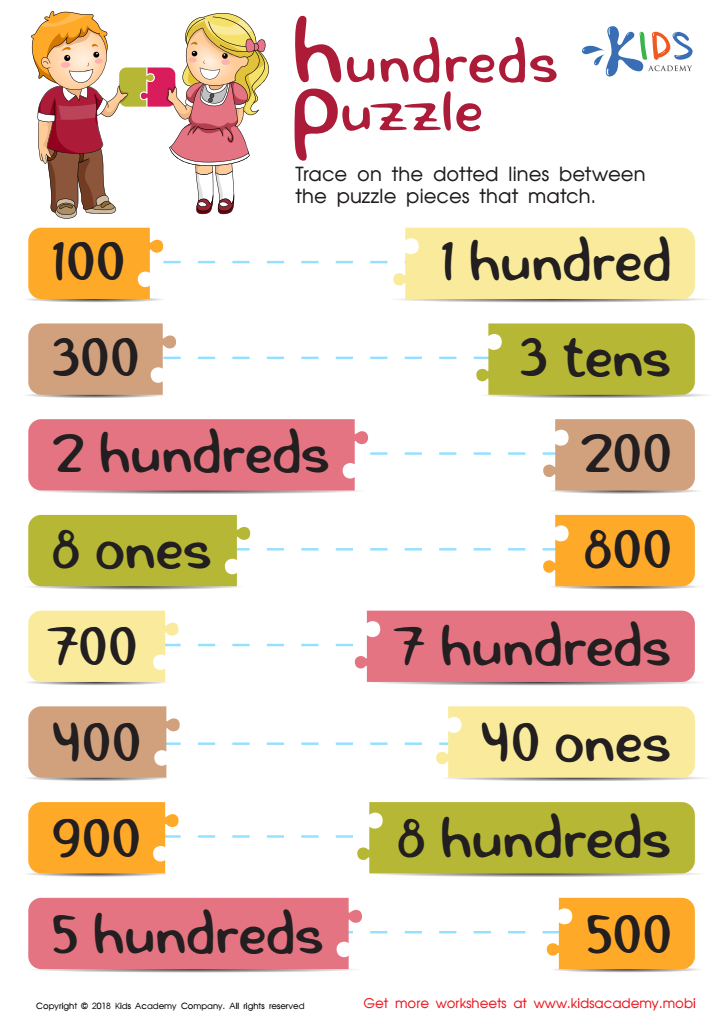
Hundreds Puzzle Worksheet
Magic Numbers Worksheet
 Assign to My Students

Transportation: Steps Worksheet







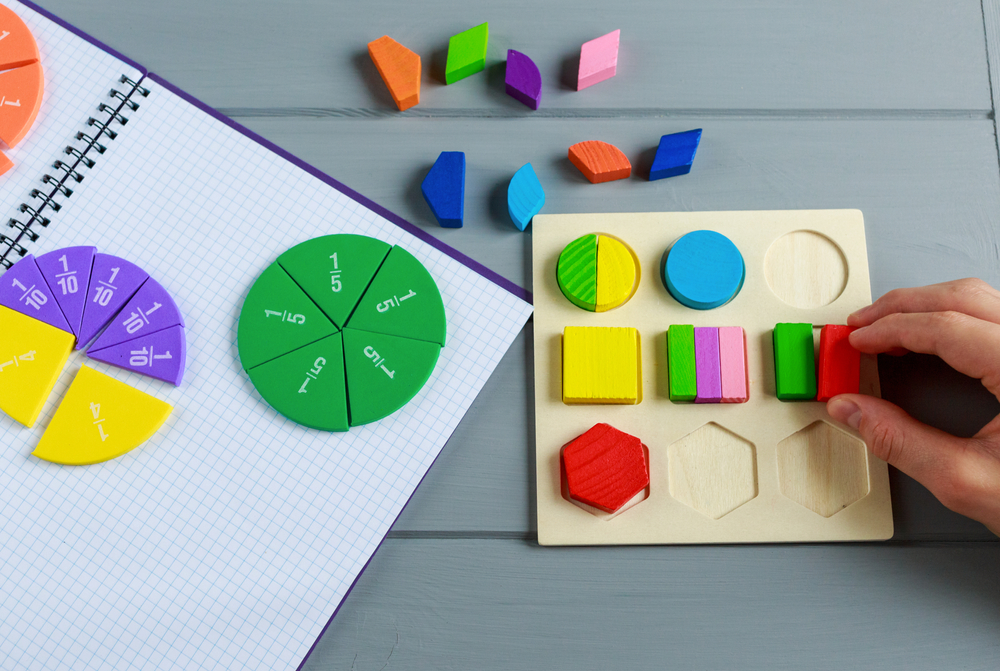
Parents and teachers should prioritize logical thinking and numerical skills for children aged 4-9 because these foundational abilities significantly impact cognitive development and future academic success. During these early years, children's brains are exceptionally receptive to learning, and developing logic and numerical skills lays the groundwork for critical thinking, problem-solving, and effective decision-making.
Logical thinking enables children to process information, understand relationships, and grasp cause-and-effect concepts, which are crucial for academic subjects like math, science, and even literacy. Engaging in activities that promote logical reasoning, such as puzzles, pattern recognition, and sequencing, helps children build mental frameworks essential for tackling complex problems later in life.
Numerical skills are equally important, as they form the bedrock of mathematical understanding. Early familiarity with numbers, counting, and basic arithmetic fosters a positive attitude toward math and helps children gain confidence in their abilities. These skills are not only fundamental for math-related tasks but also essential for everyday activities such as telling time, handling money, and measuring ingredients.
By nurturing logical thinking and numerical abilities from a young age, parents and teachers equip children with critical skills that support lifelong learning, adaptability, and success in various fields. Investing in these areas during the formative years ensures children develop into well-rounded, capable individuals.








