Alphabet Recognition Math Worksheets for Ages 4-9
6 filtered results
-
From - To
Unlock your child's potential with our engaging Alphabet Recognition Math Worksheets designed specifically for ages 4-9. These worksheets combine essential alphabet learning with fun math exercises, ensuring a comprehensive approach to early education. Each activity promotes letter recognition through interactive games, activities, and colorful visuals that captivate young learners. Perfect for home or classroom use, our worksheets cater to diverse learning styles while enhancing literacy and numeracy skills simultaneously. Help your child build a solid foundation in both language and math while making learning enjoyable! Explore our collection today and give your child the tools they need for academic success.
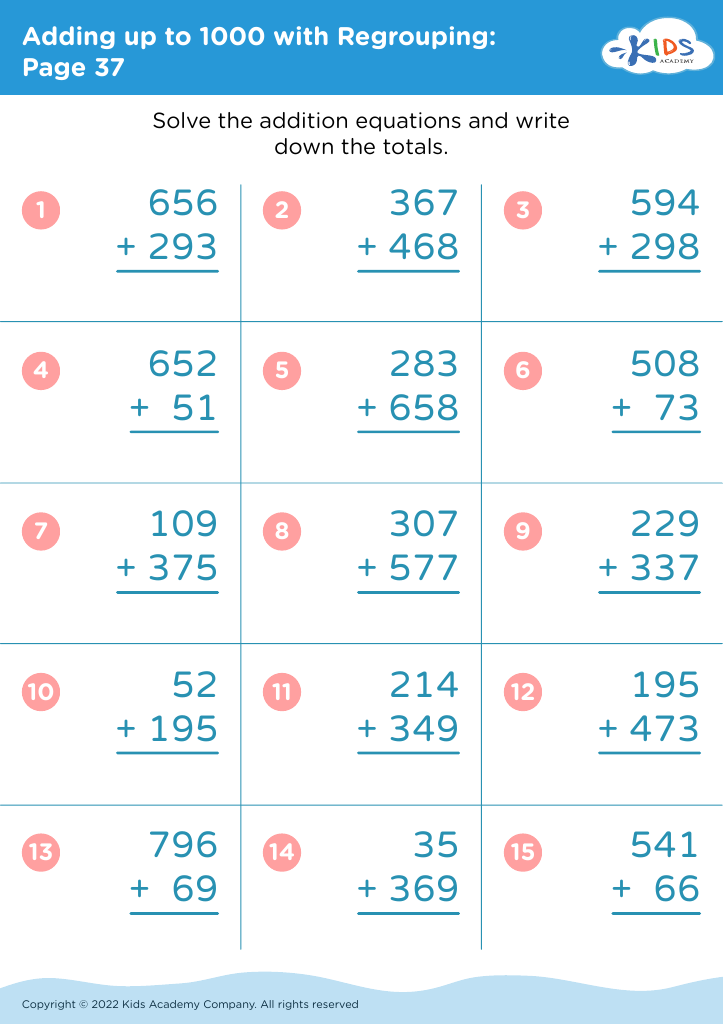
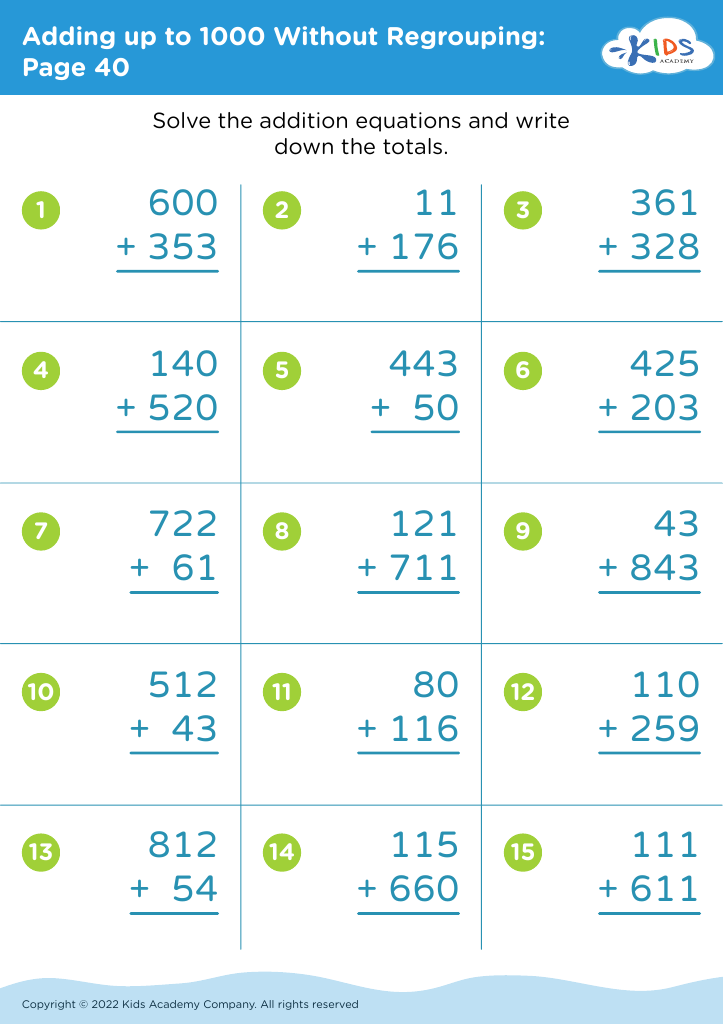
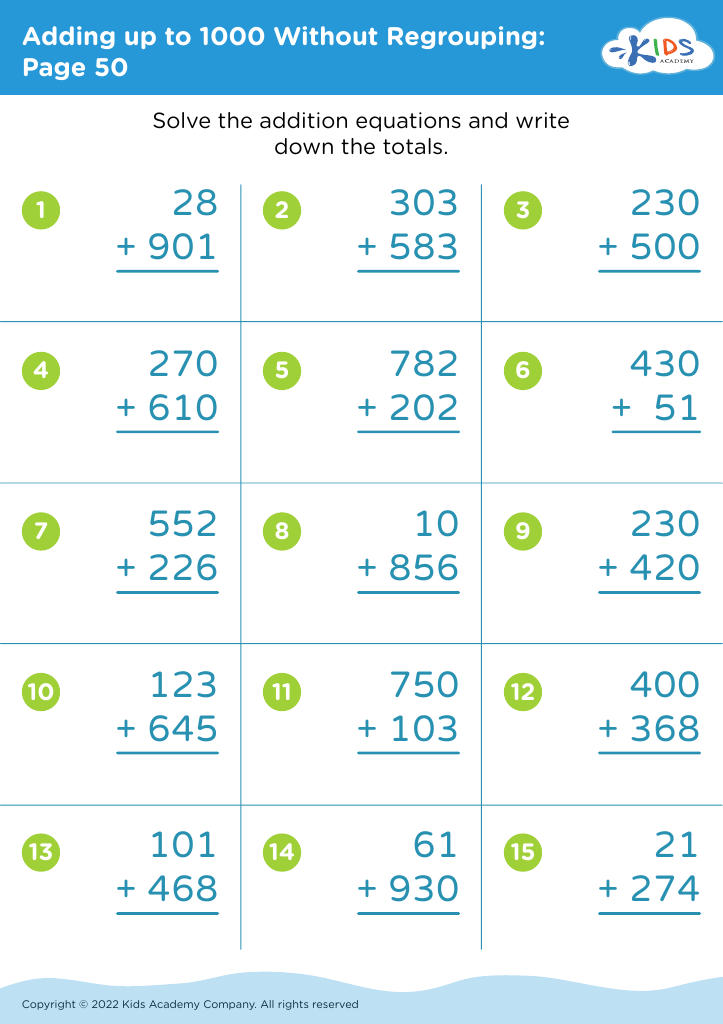
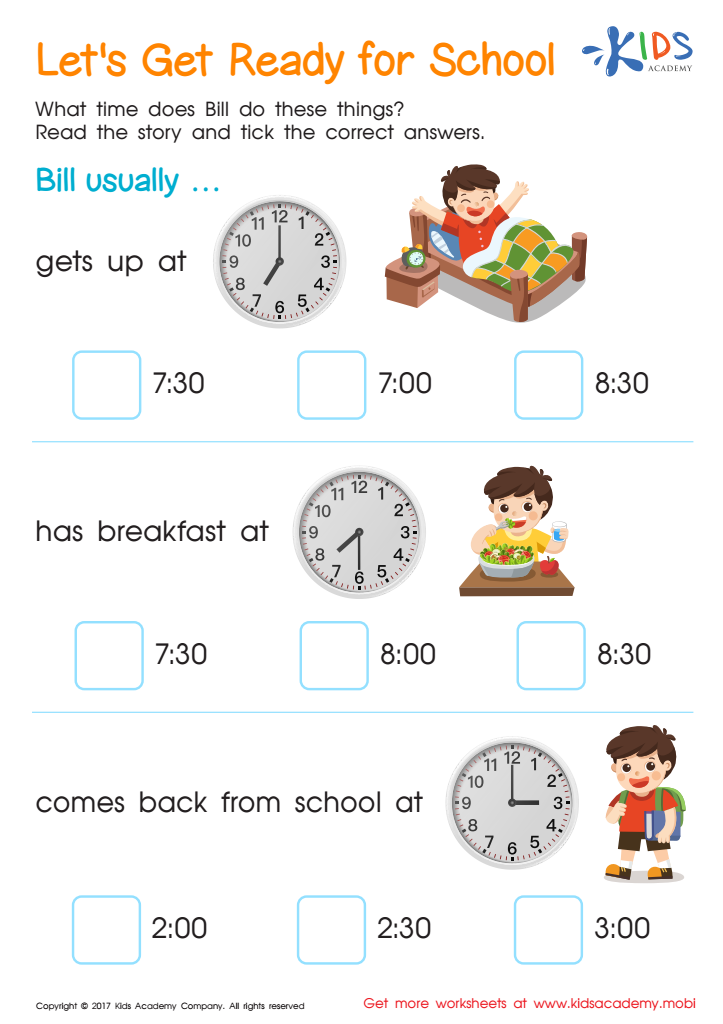
Lets Get Ready For School Time Printable
 Assign to My Students
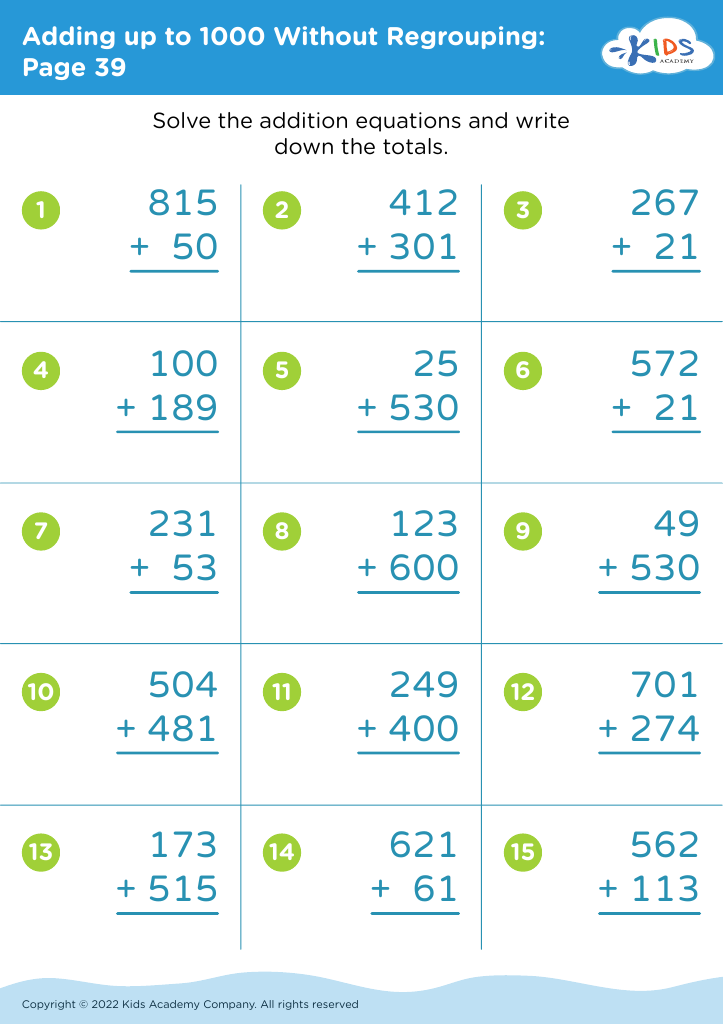
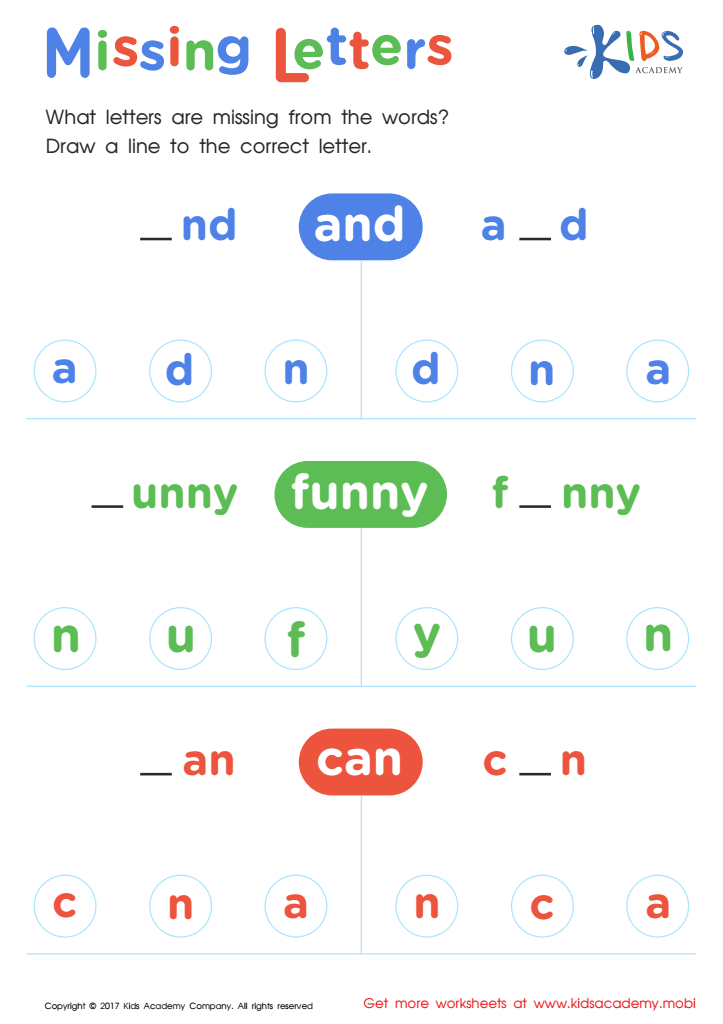
Missing Letters Worksheet








Alphabet recognition is a crucial foundational skill for children aged 4-9, as it plays a significant role in their literacy and overall cognitive development. For parents and teachers, fostering this skill is essential for several reasons.
Firstly, alphabet recognition is the cornerstone of reading and writing. Being able to identify letters enables young learners to decipher words and sentences, which establishes the basis for effective communication. Proficient readers are better equipped to understand and engage with the world around them, leading to improved academic performance.
Secondly, recognizing letters is linked to vocabulary development. When children learn the alphabet, they also learn the sounds associated with each letter, which helps them decode and pronounce new words. This enriches their language skills and boosts their confidence in social interactions.
Moreover, engaging children in alphabet recognition activities fosters critical thinking and fine motor skills. Whether through interactive games, songs, or art activities, these methods make learning enjoyable and impactful.
In summary, prioritizing alphabet recognition math equips children with the necessary tools for successful reading and writing, enhances their language capabilities, and promotes cognitive skills, laying a solid foundation for lifelong learning. For parents and educators, investing in this early developmental stage is vital for future academic success.








