Basic Addition Math Worksheets for Ages 4-9 - Page 2
71 filtered results
-
From - To
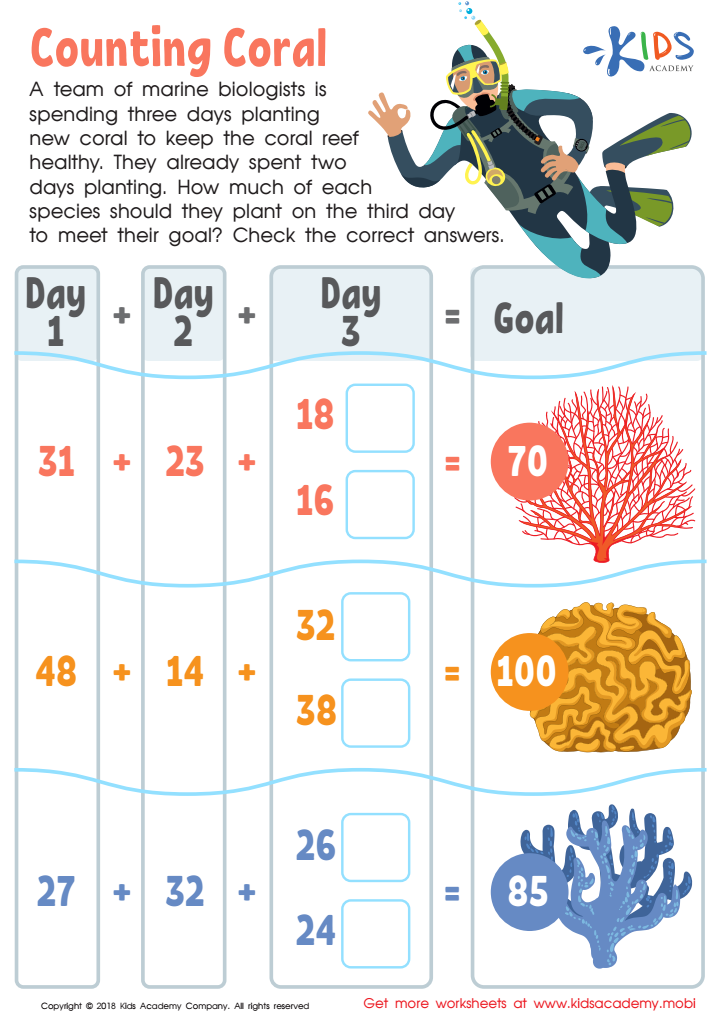
Counting Coral Worksheet
 Assign to My Students
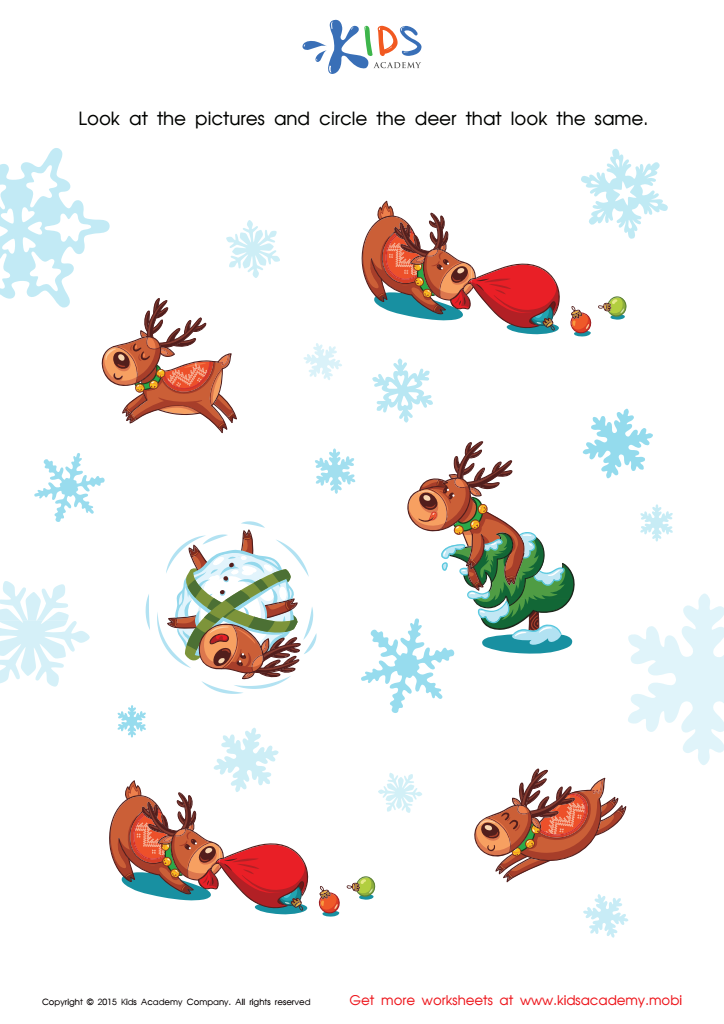
Count the Deer Worksheet
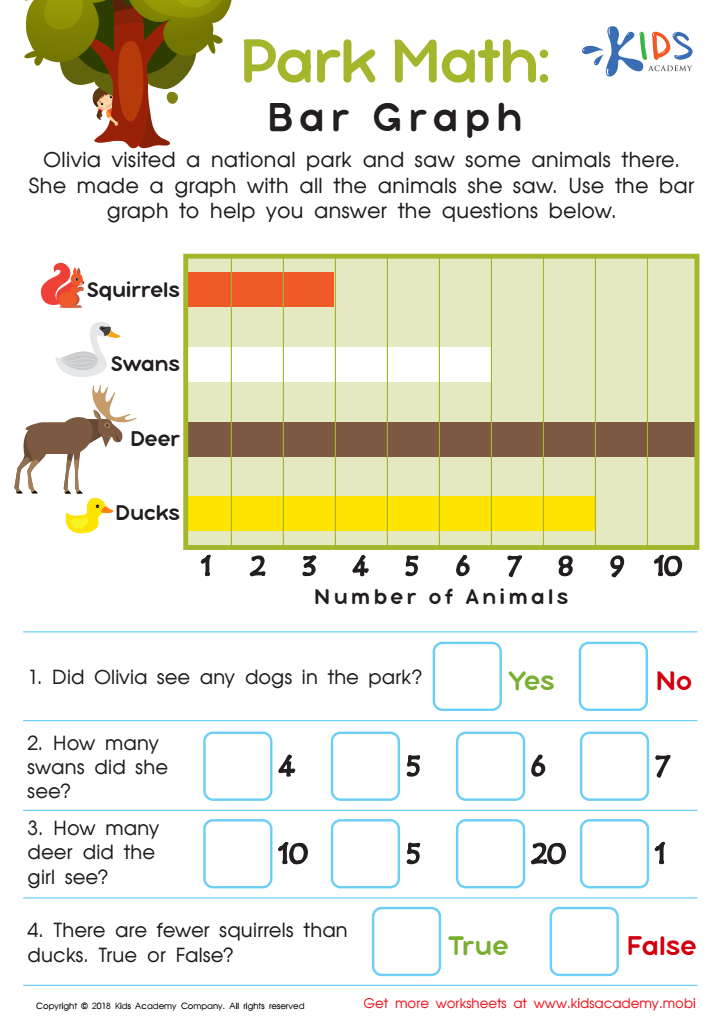
Park Math: Bar Graph Worksheet
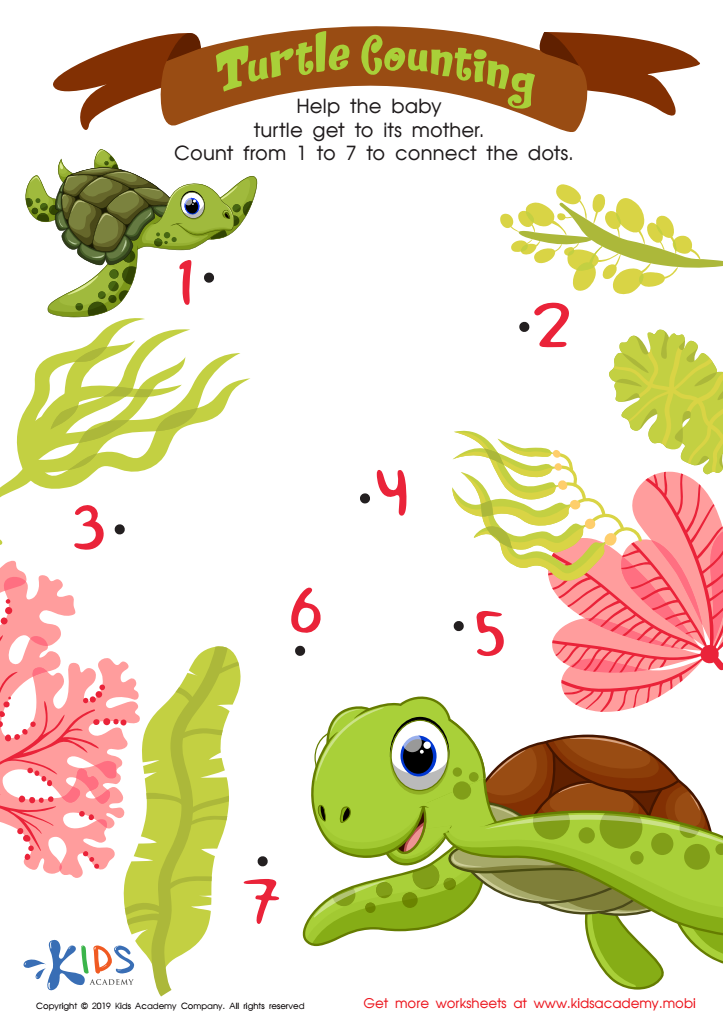
Turtle Counting Worksheet
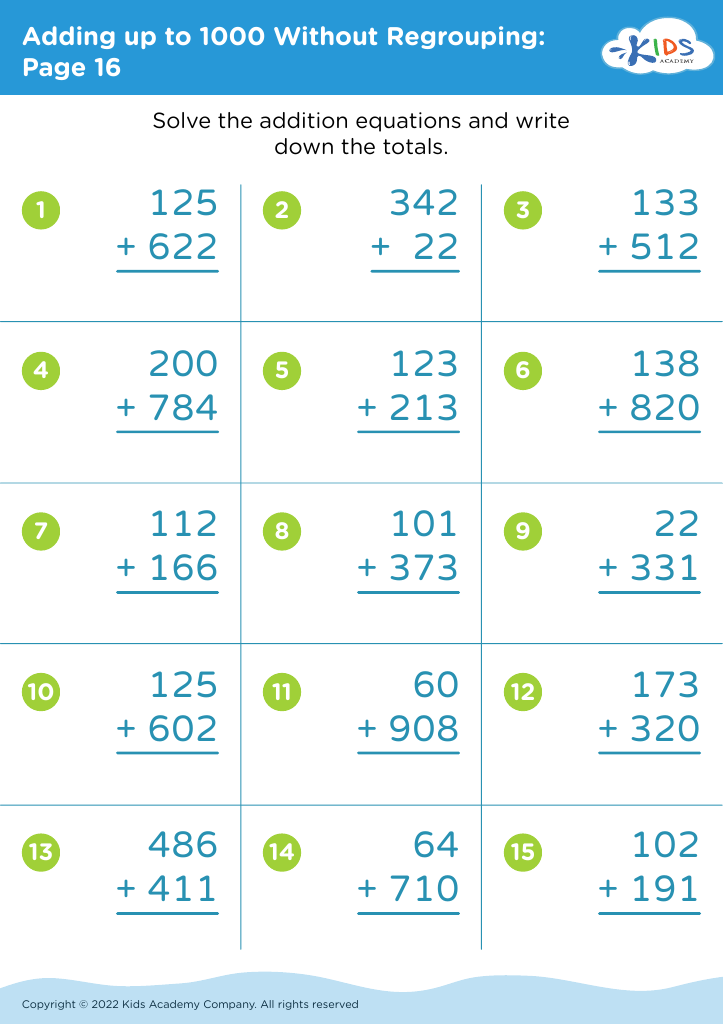
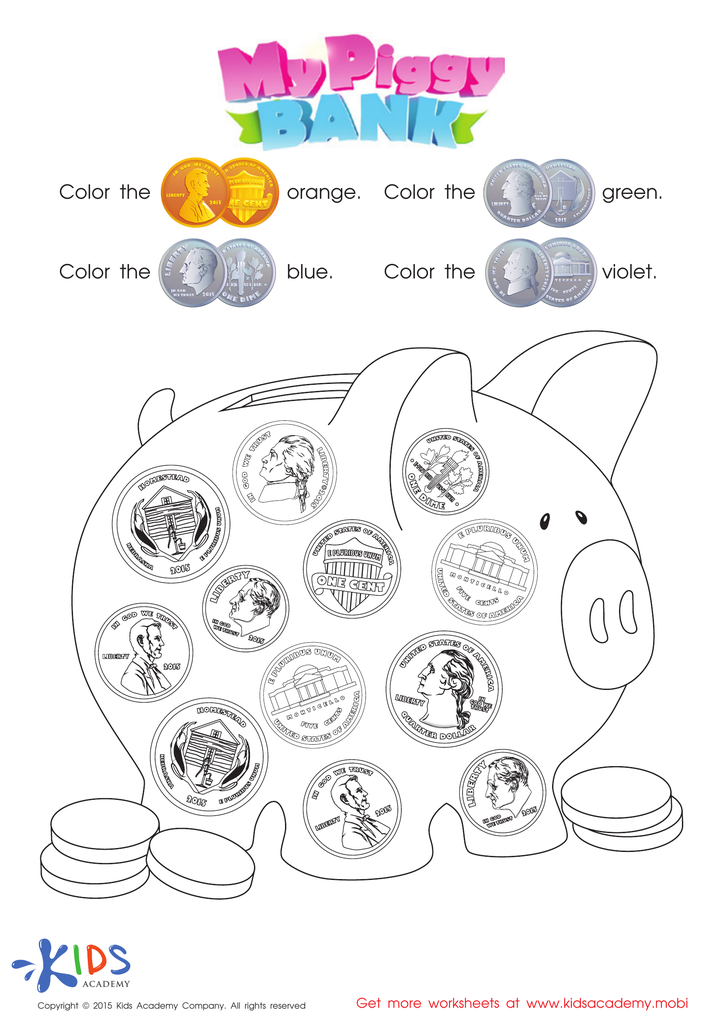
Recognizing Money Money Worksheet
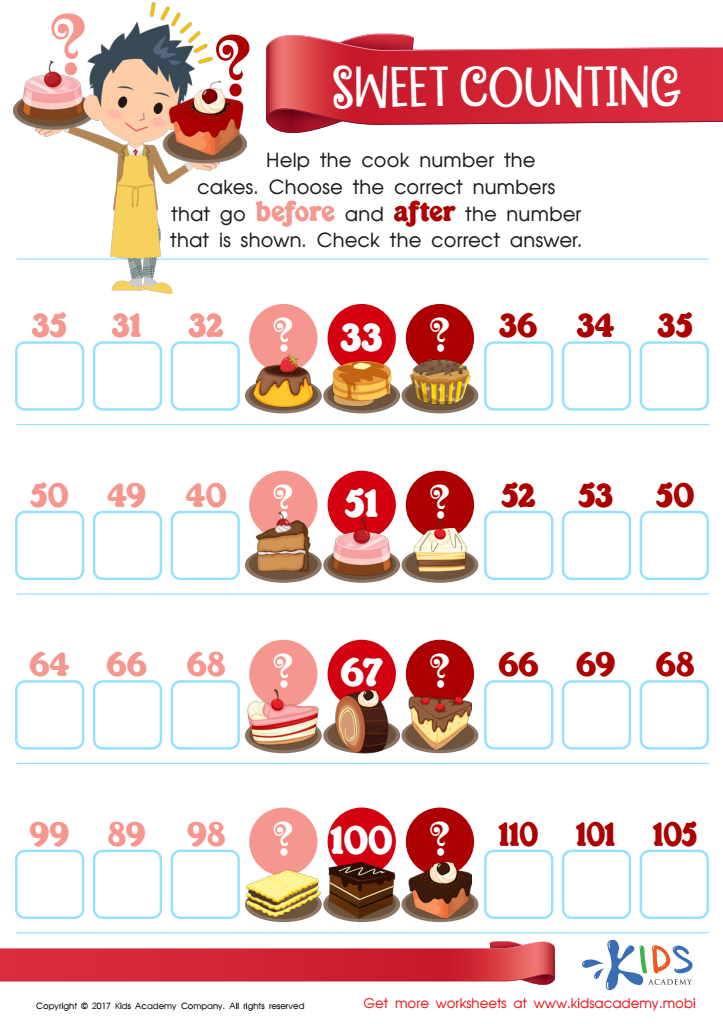
Sweet Counting - Part 1 Worksheet
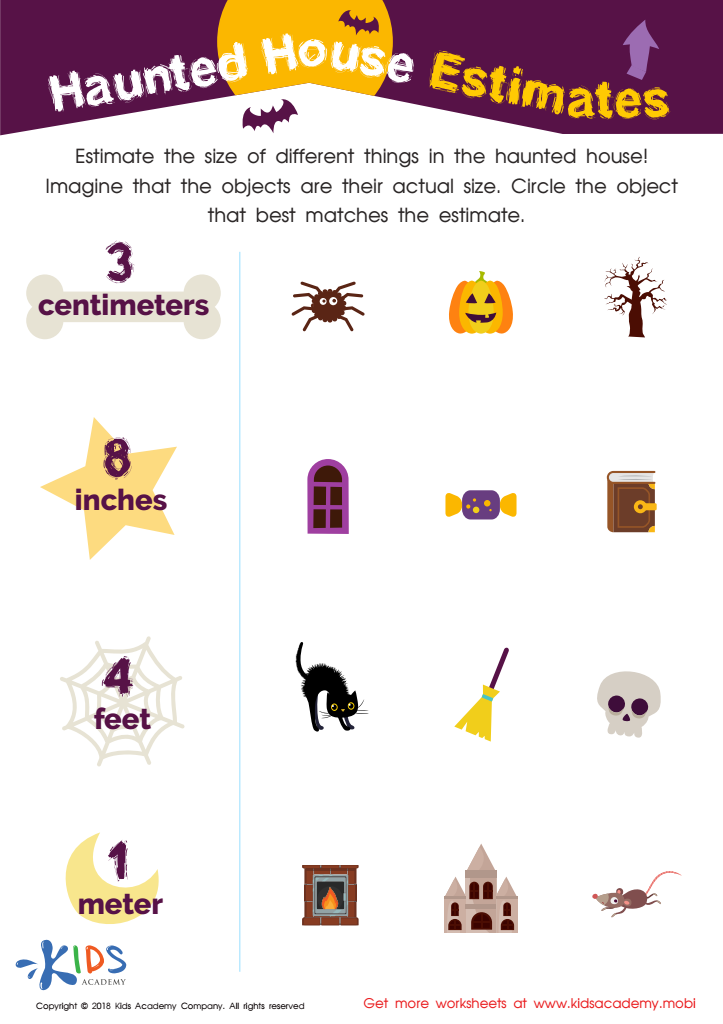
Haunted House Estimates Worksheet
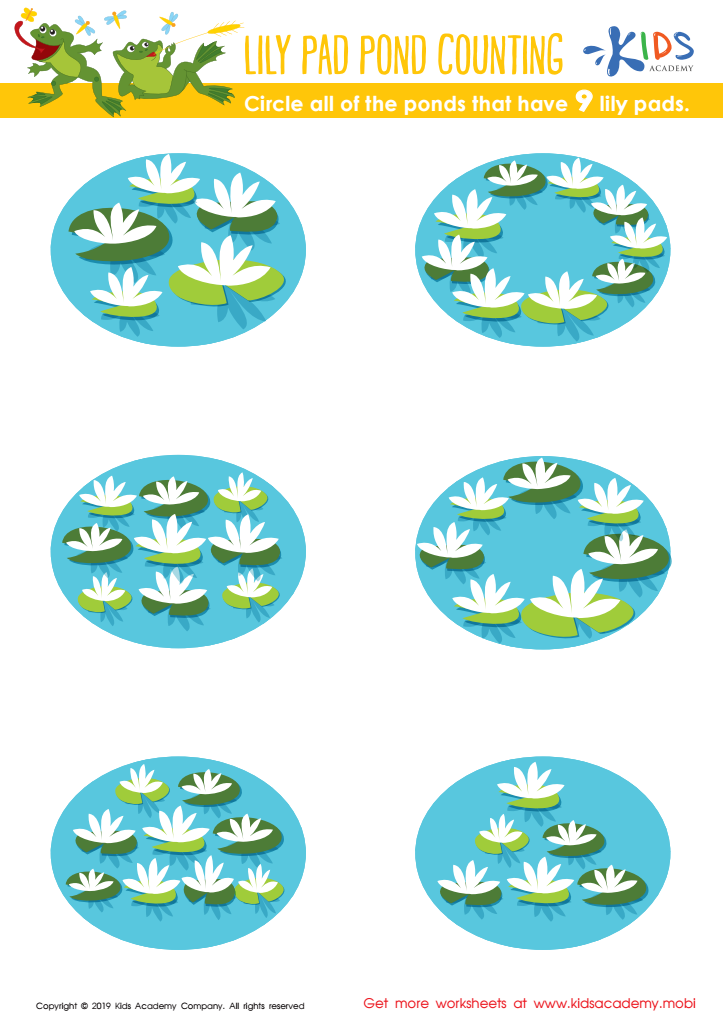
Lily Pad Pond Counting Worksheet
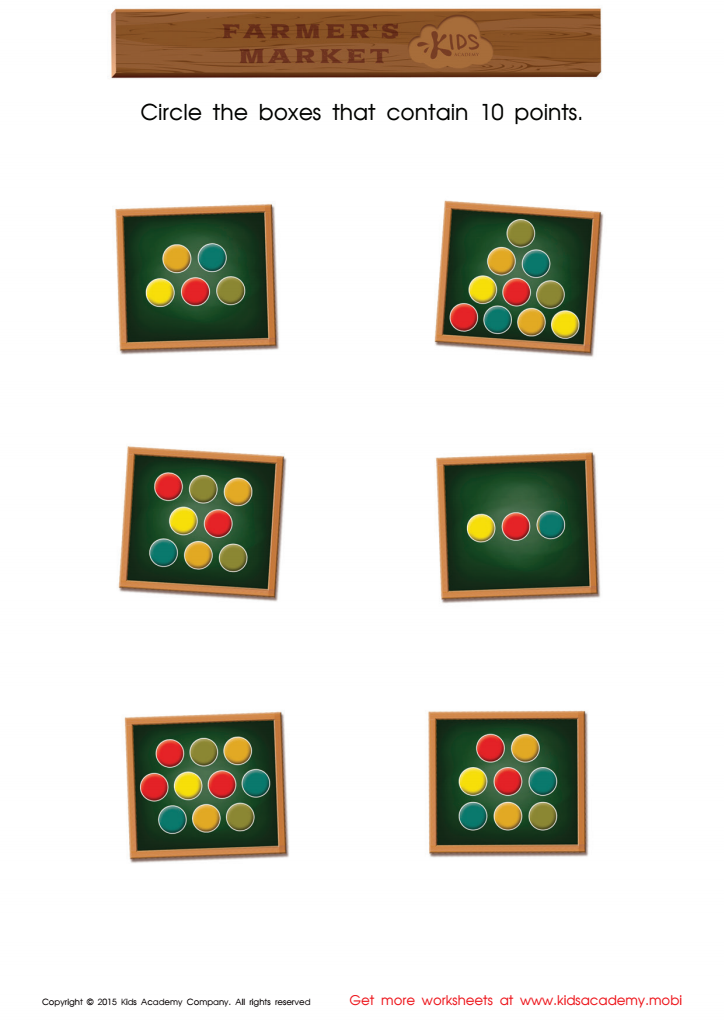
Count and Match Points 10 Math Worksheet
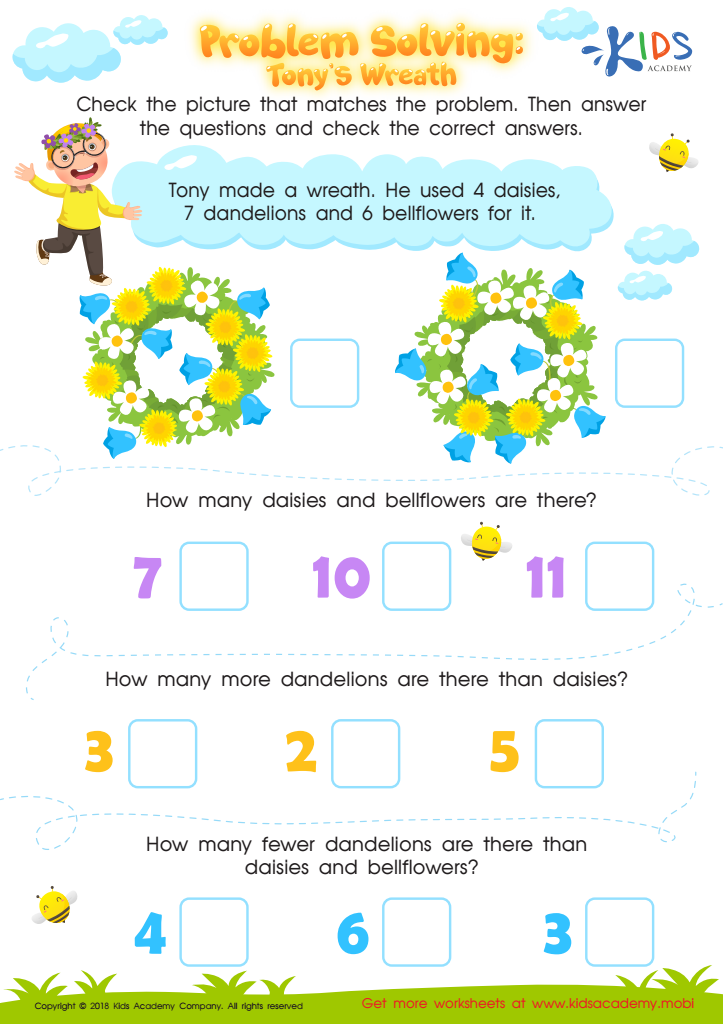
Problem Solving: Tony's Wreath Worksheet
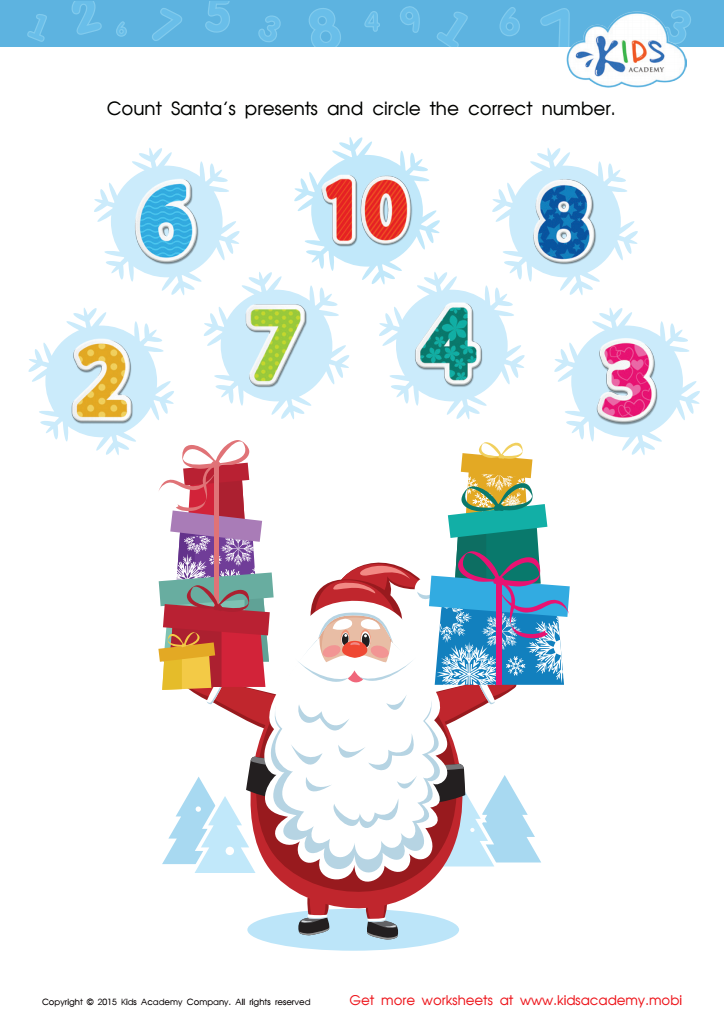
Count Santa's Presents Worksheet
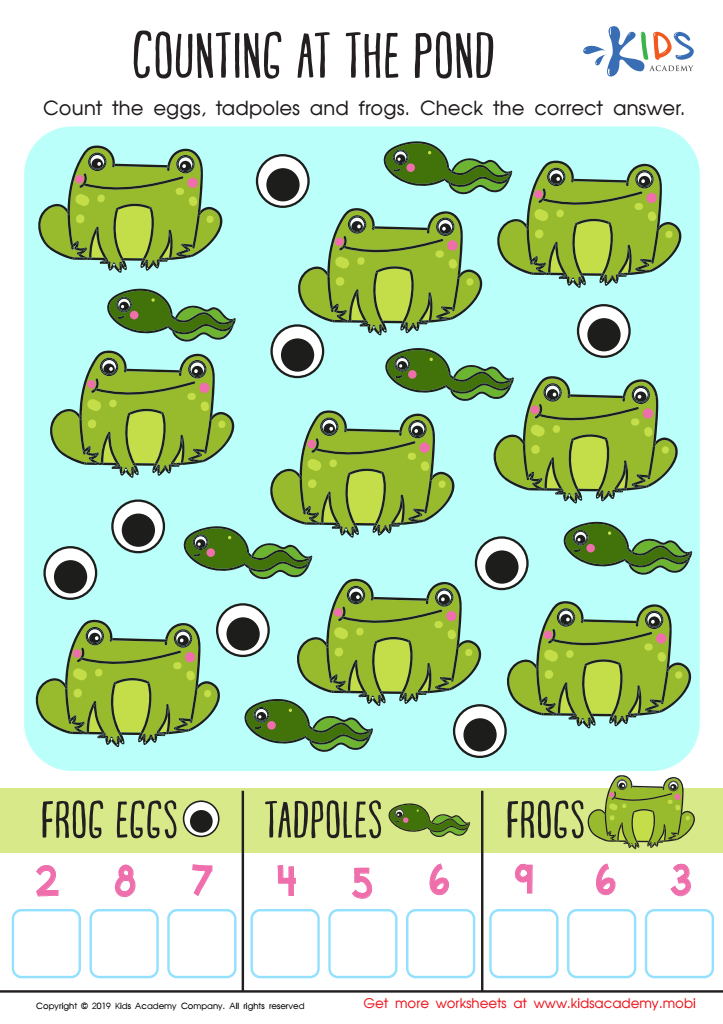
Counting at the Pond Worksheet
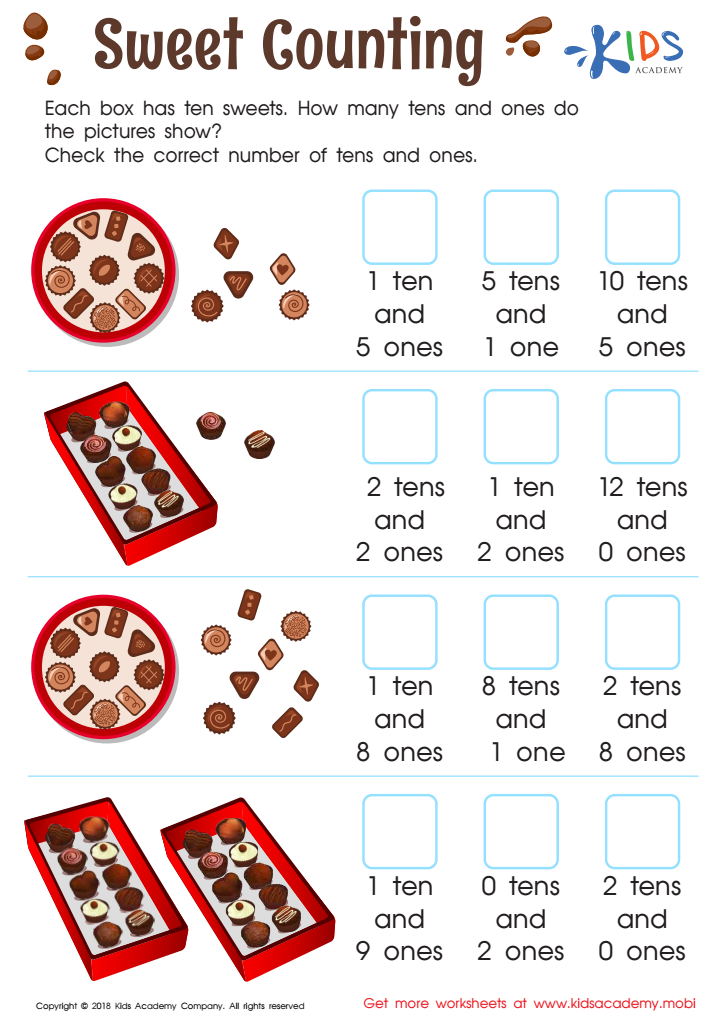
Sweet Counting - Part 2 Worksheet
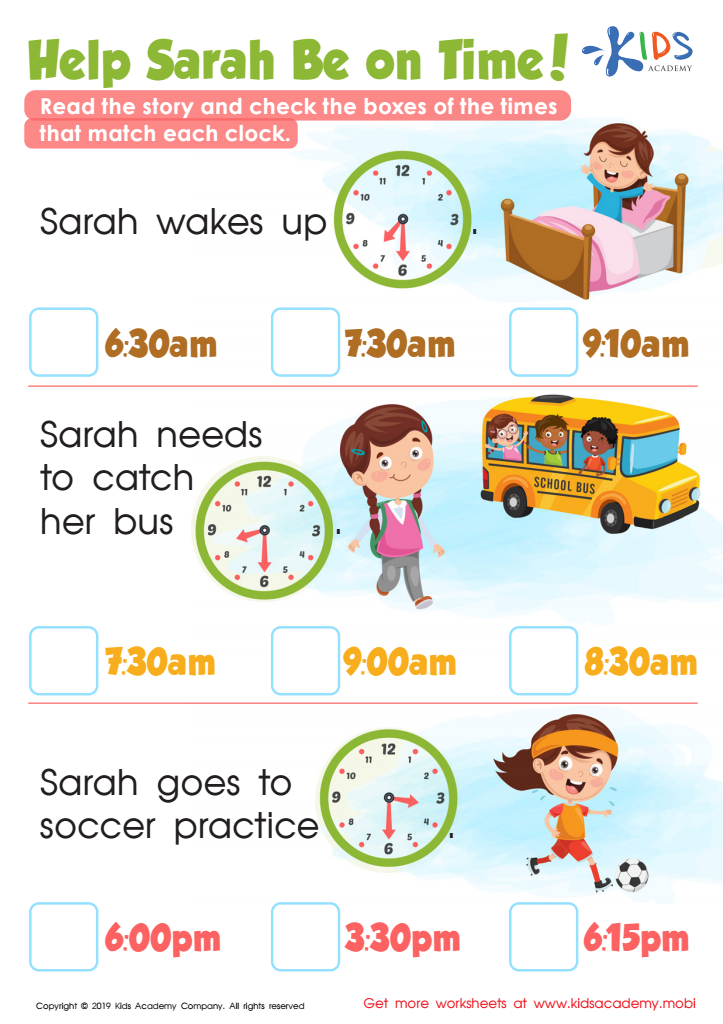
Help Sarah Be on Time! Worksheet
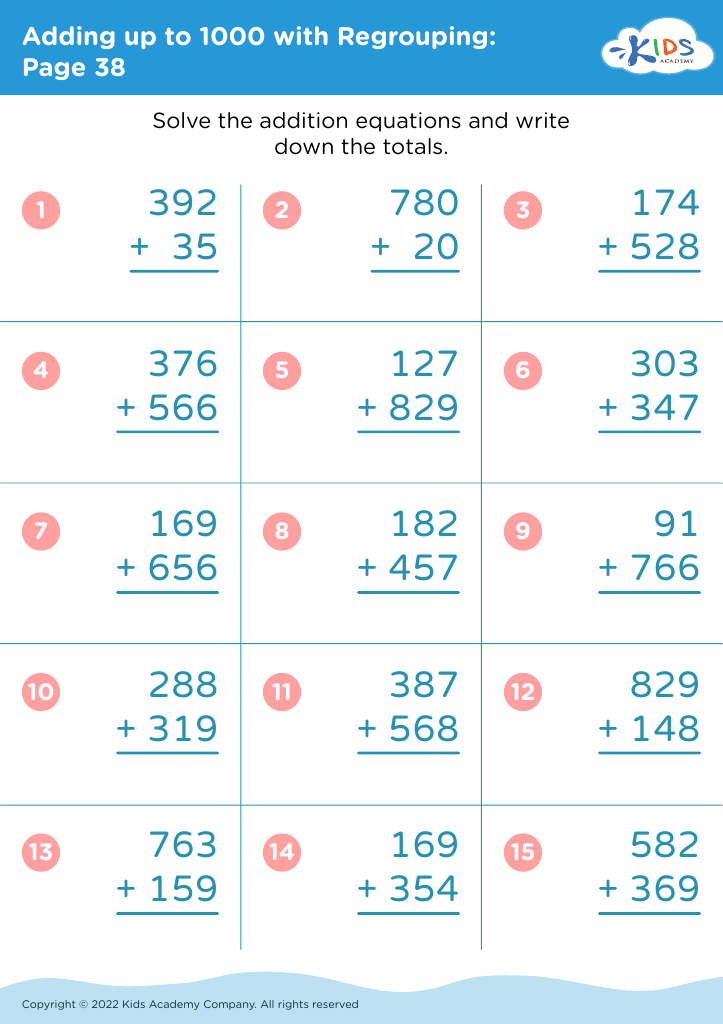
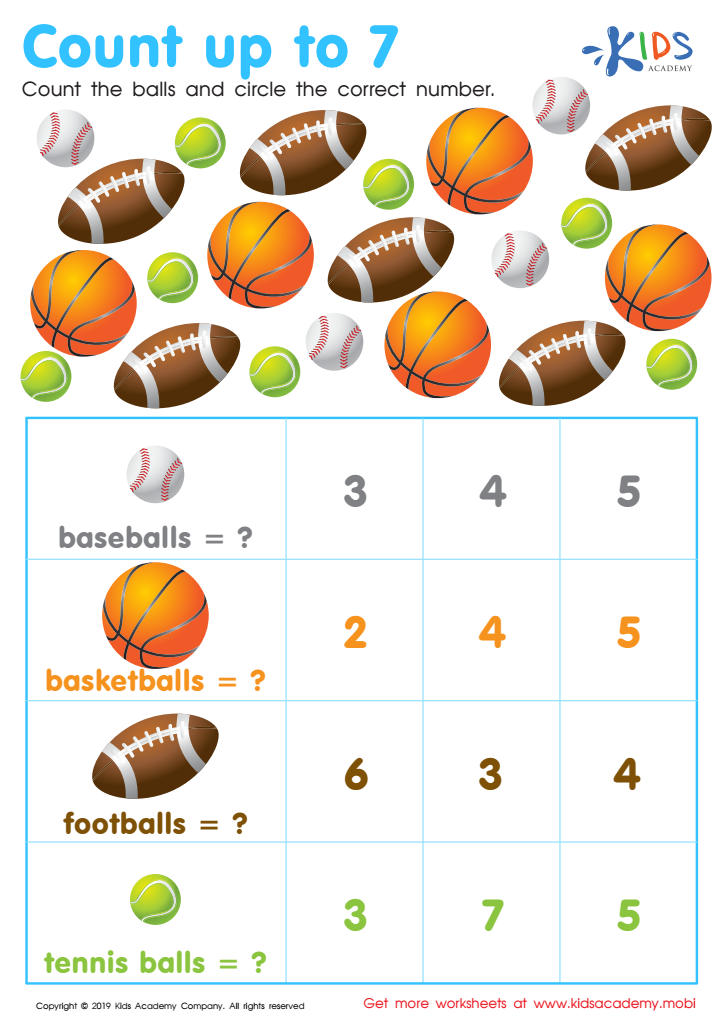
Count up to 7 Worksheet
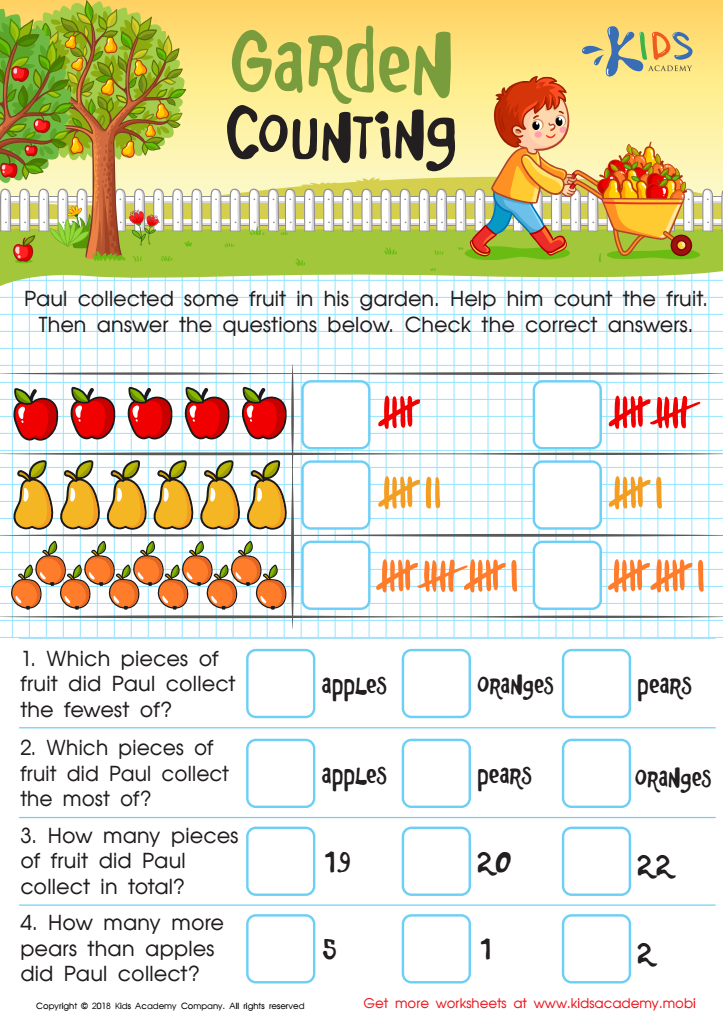
Garden Counting Worksheet
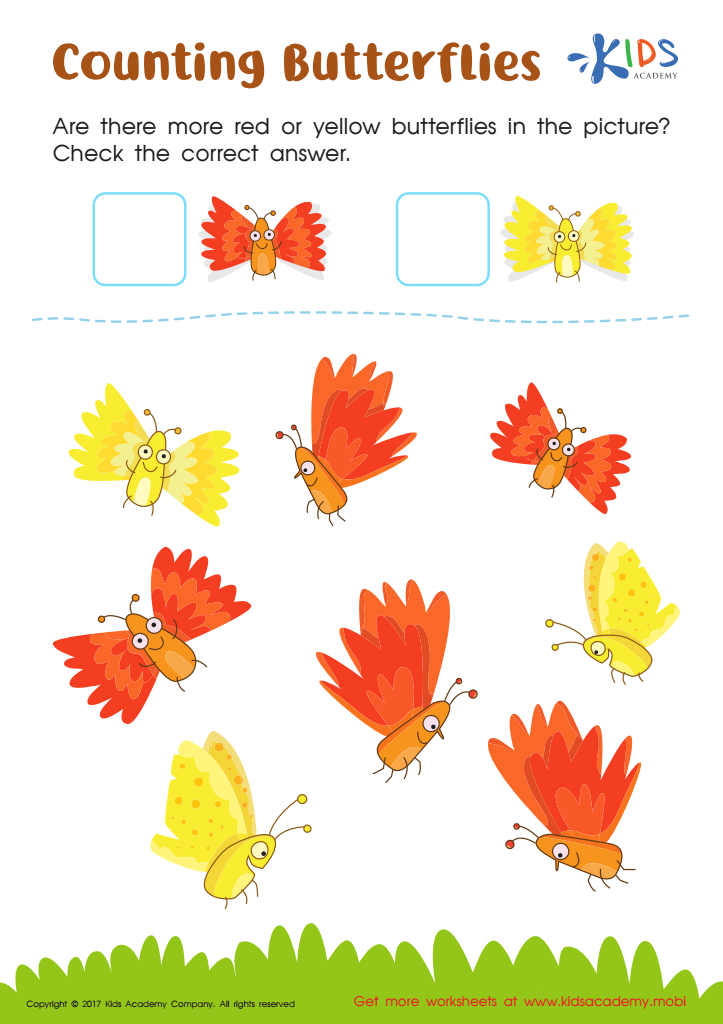
Counting Butterflies Worksheet
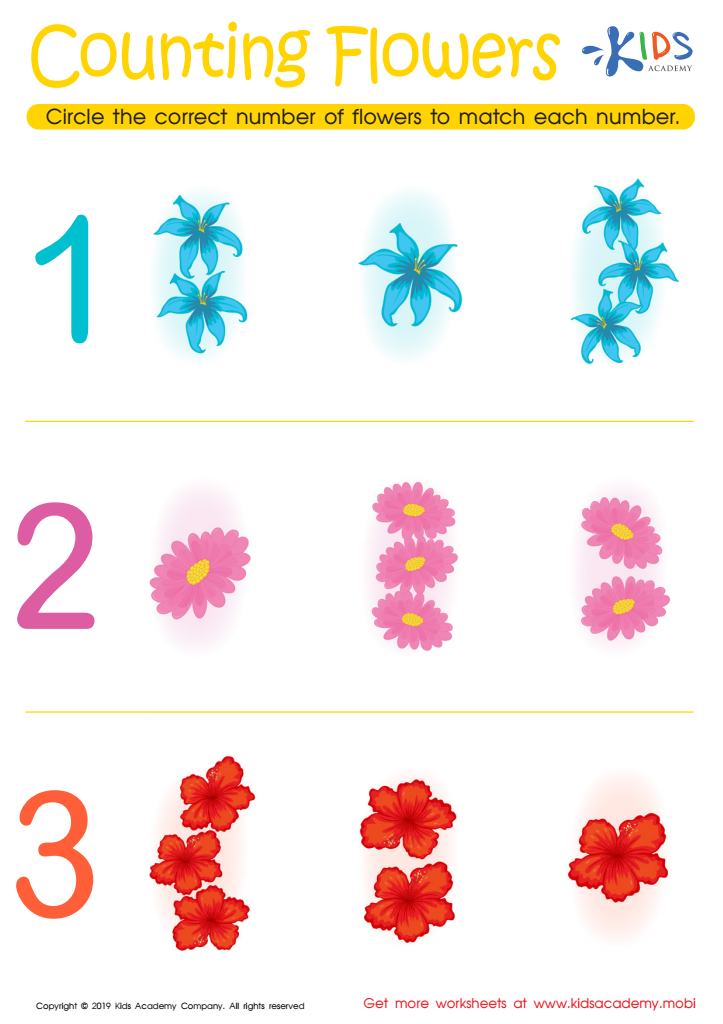
Counting Flowers Worksheet






Understanding basic addition is a fundamental building block in a child’s math journey, making it crucial for both parents and teachers to prioritize this skill for ages 4-9. At this formative stage, children develop foundational numeracy skills that will support their future understanding of more complex mathematical concepts. Mastering addition enhances a child’s ability to perform basic operations, which are essential for everyday tasks such as handling money, telling time, and measuring ingredients in a recipe.
Basic addition also helps improve cognitive skills such as logical thinking, problem-solving, and concentration. When children successfully solve addition problems, it boosts their confidence and fosters a positive attitude towards math. This confidence can encourage a lifelong interest in the subject, which is essential given the increasing importance of STEM (Science, Technology, Engineering, and Mathematics) education in contemporary society.
Moreover, early proficiency in addition aids in the development of critical early learning skills, such as counting, number recognition, and pattern awareness. By supporting children in learning basic addition, parents and teachers are not just teaching math, they are enabling a comprehensive developmental process that includes cognitive and motor skills, along with emotional and social growth through collaborative learning and communication.








