Color recognition Math Worksheets for Ages 4-9 - Page 2
36 filtered results
-
From - To
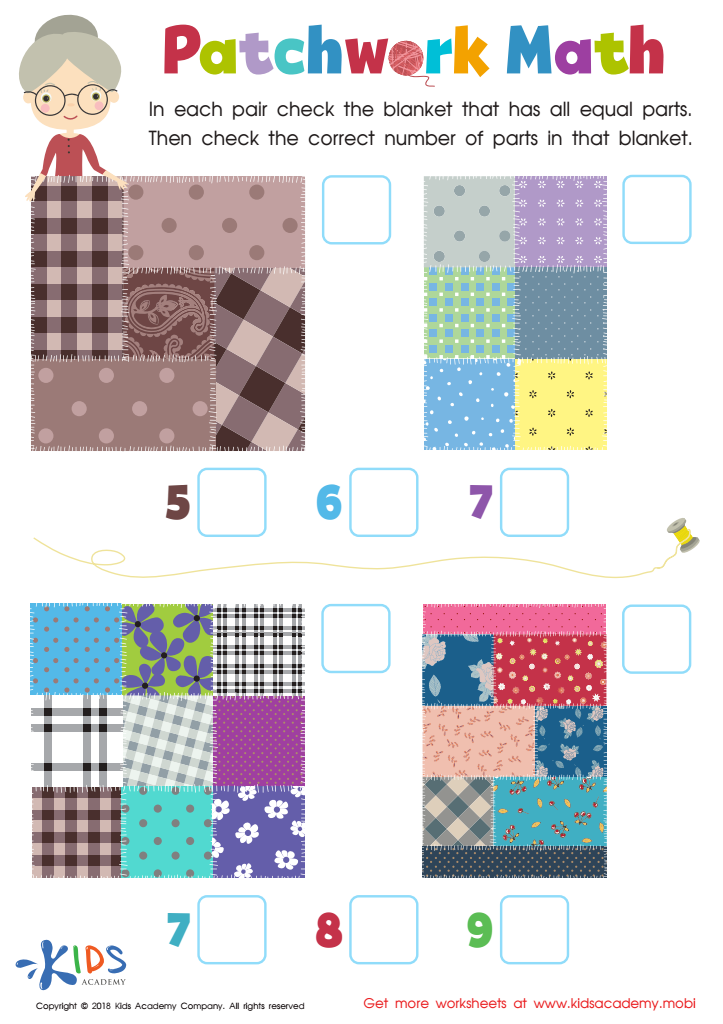
Patchwork Math Worksheet
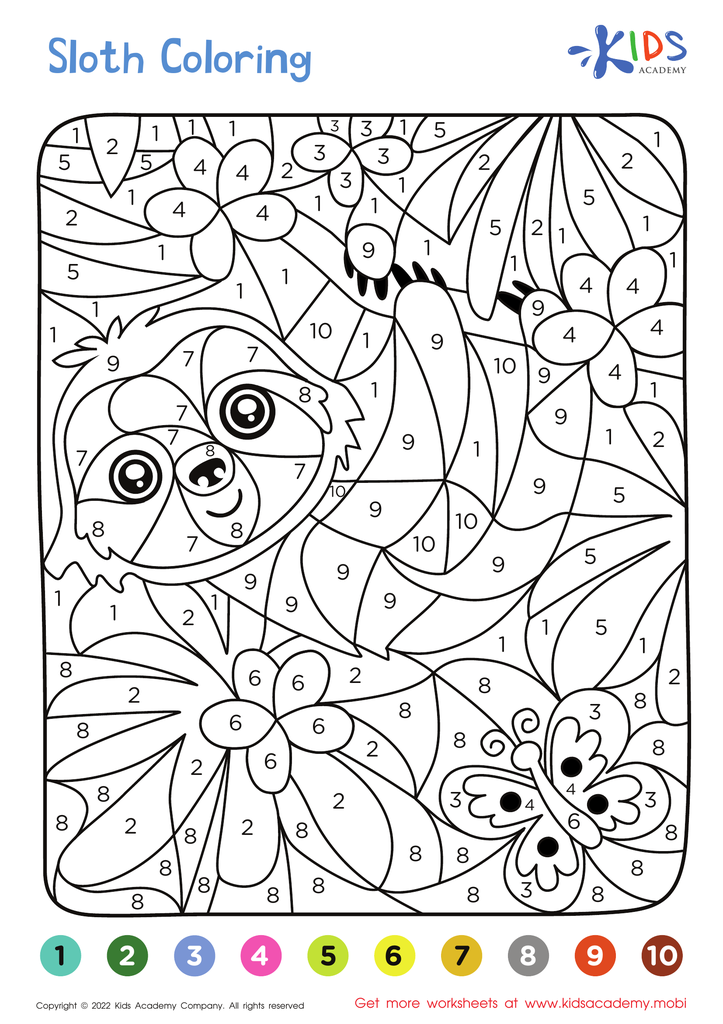
Sloth – Coloring by Numbers
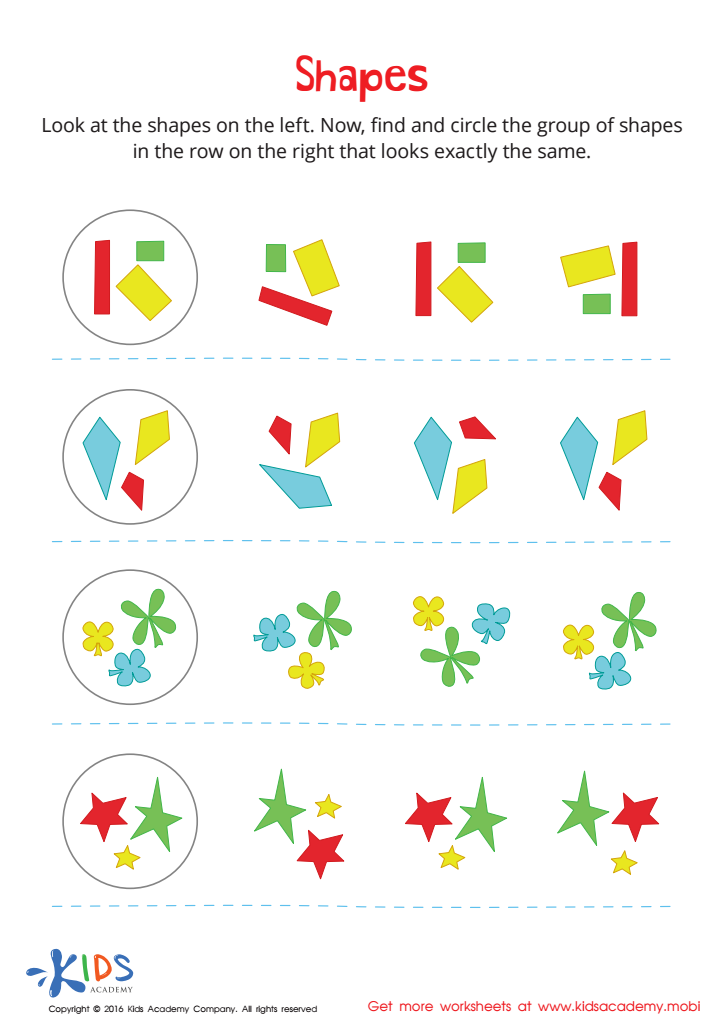
Shapes Worksheet
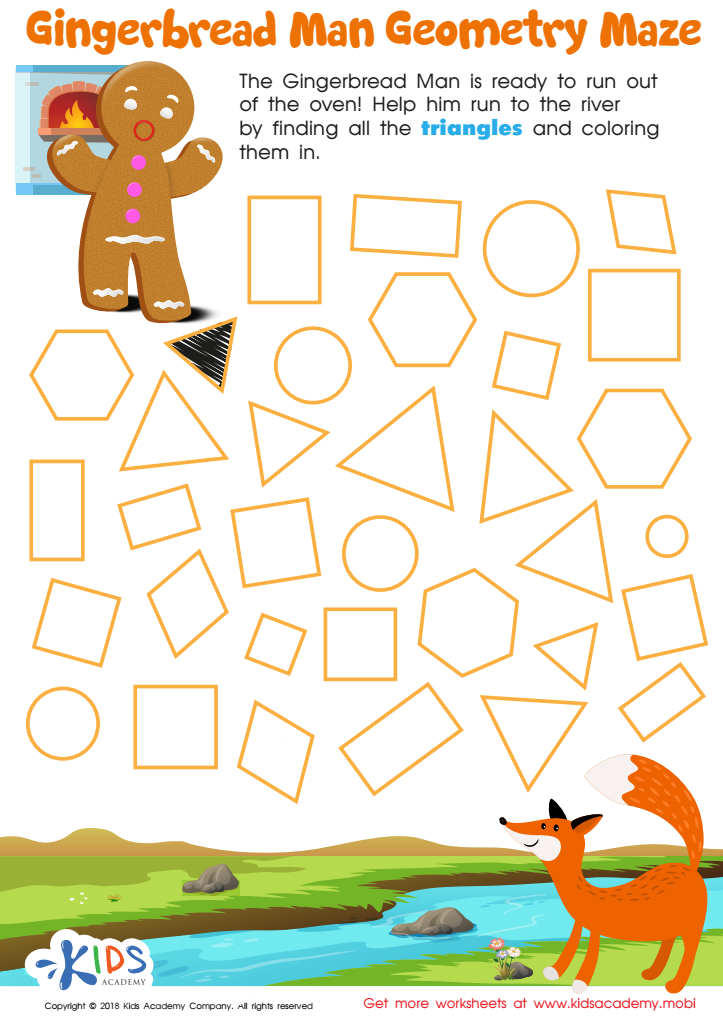
Gingerbread Man Geometry Maze Worksheet
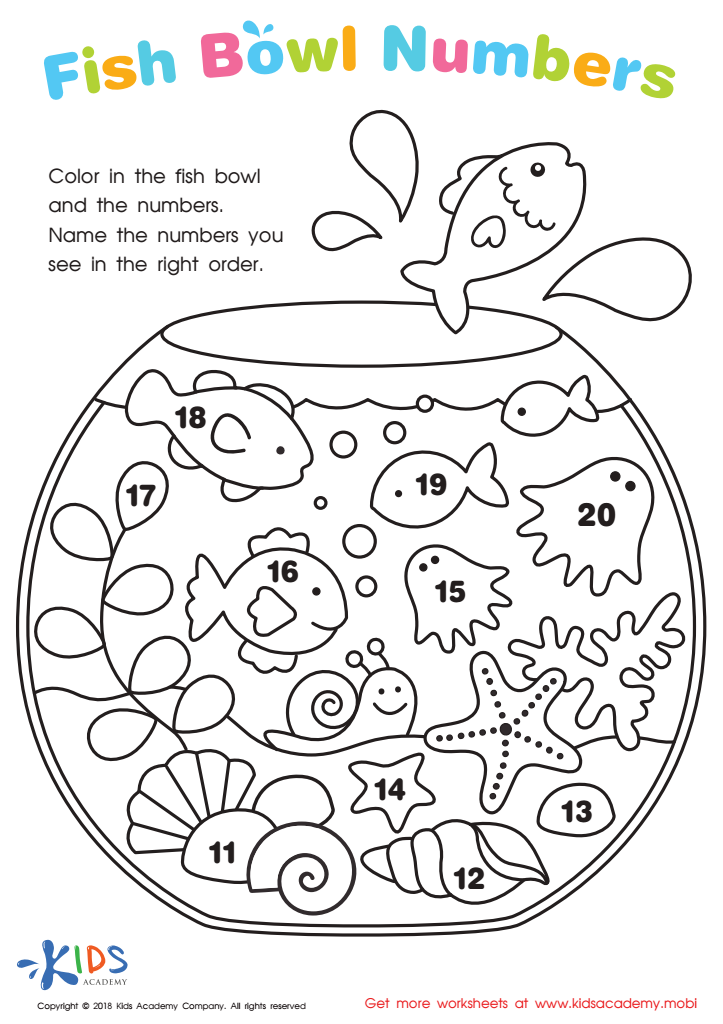
Fish Bowl Numbers Worksheet
 Assign to My Students
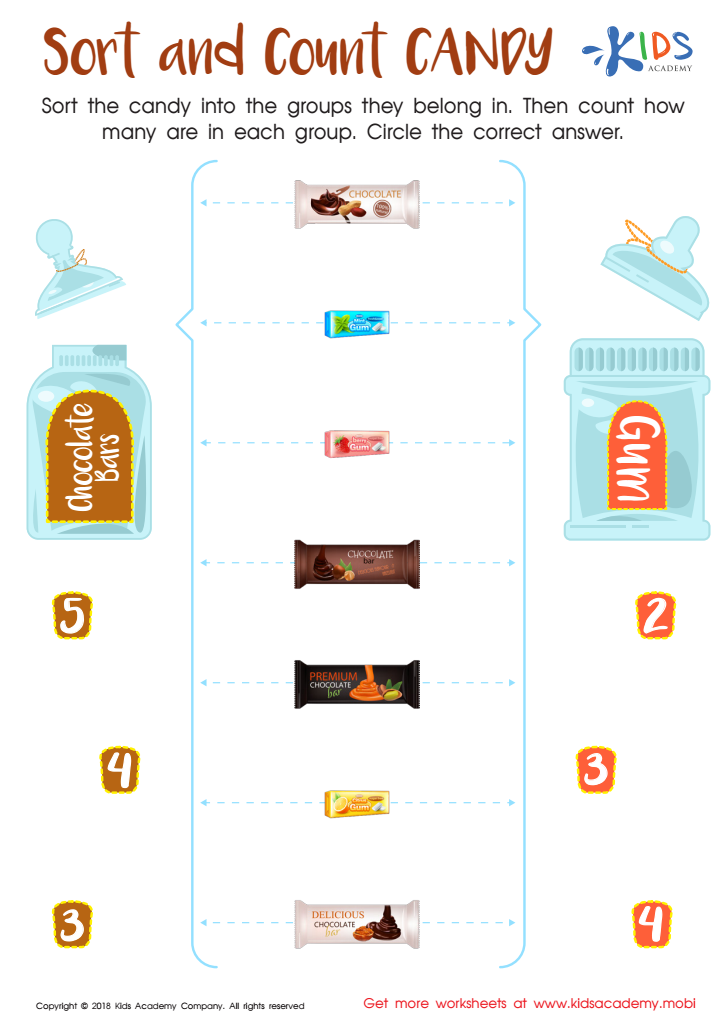
Sort and Count Candy Worksheet
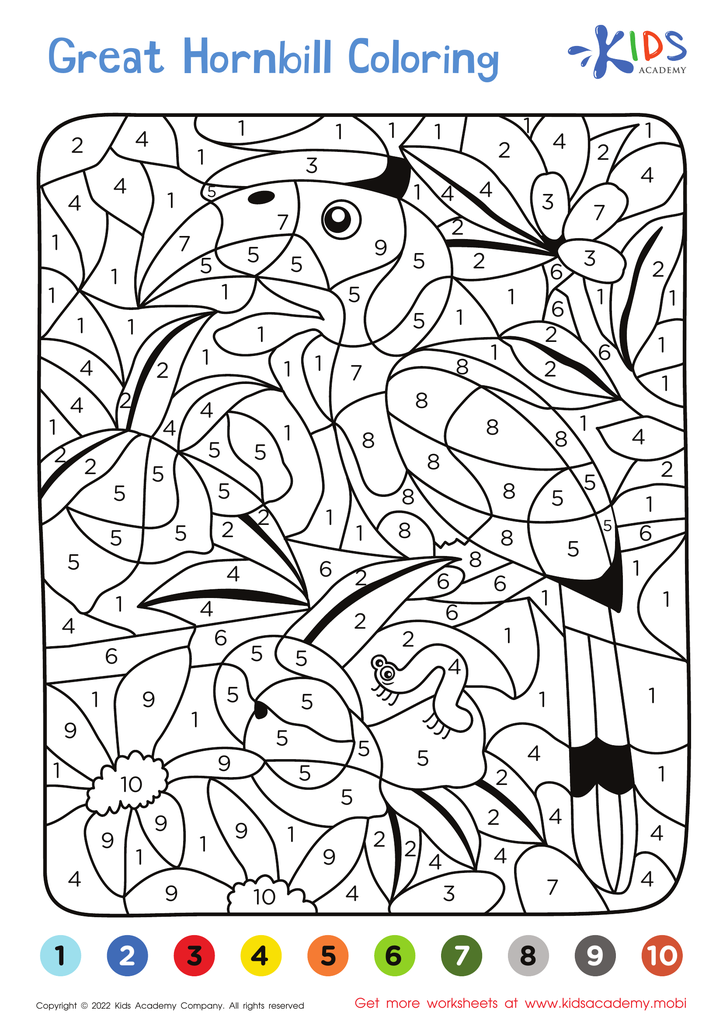
Great Hornbill – Coloring by Numbers
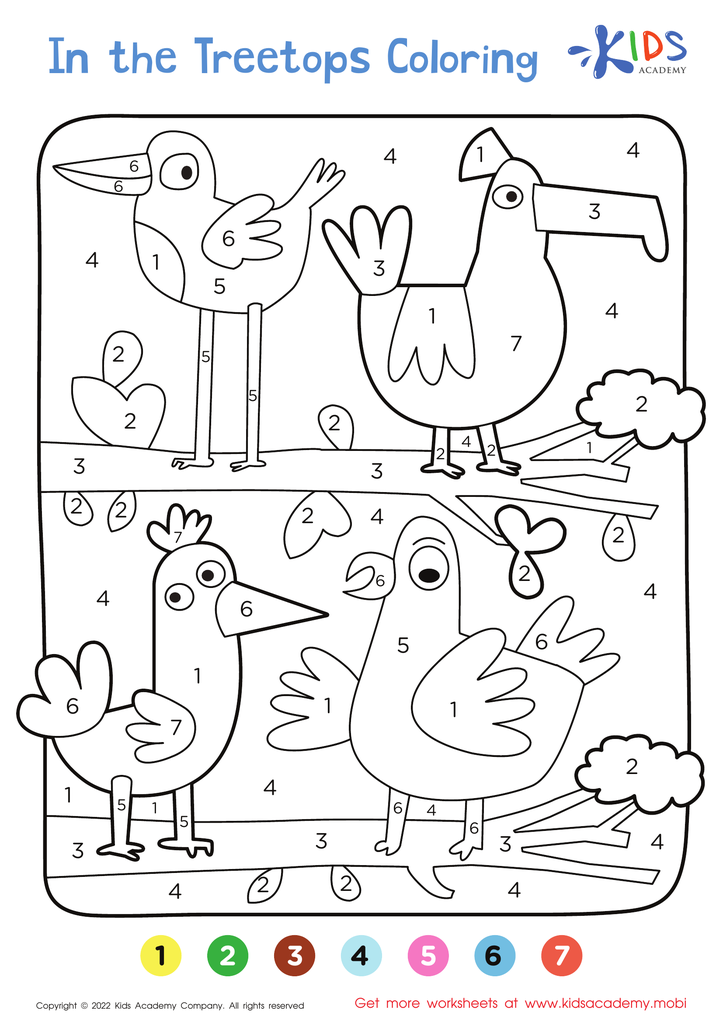
In the Treetops – Coloring Page
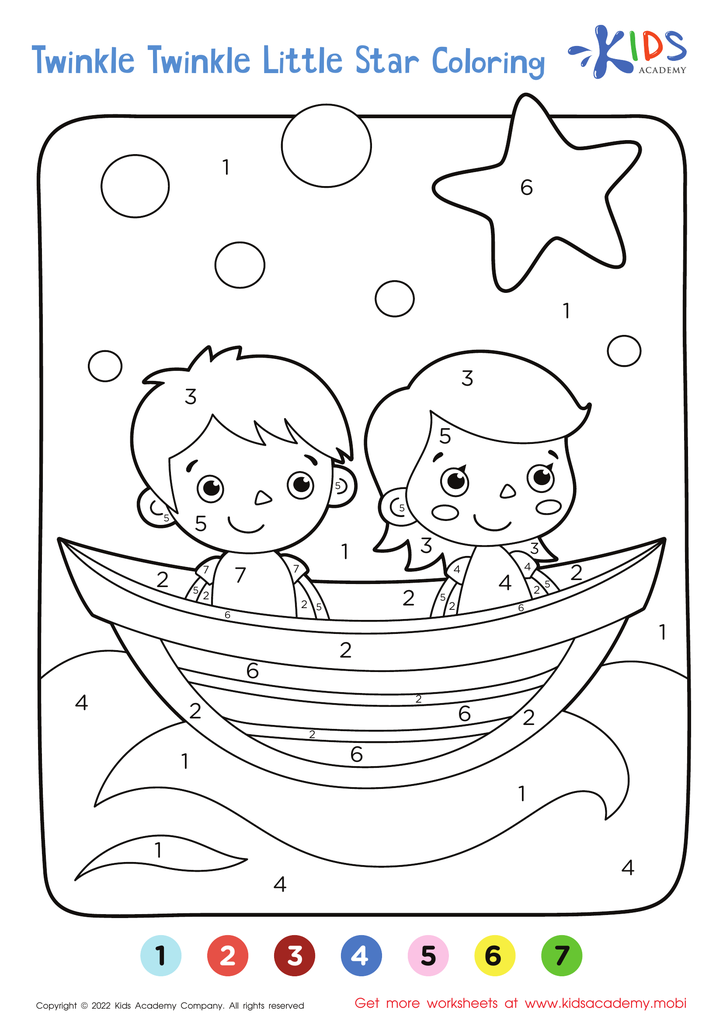
Twinkle, Twinkle, Little Star – Coloring by Numbers
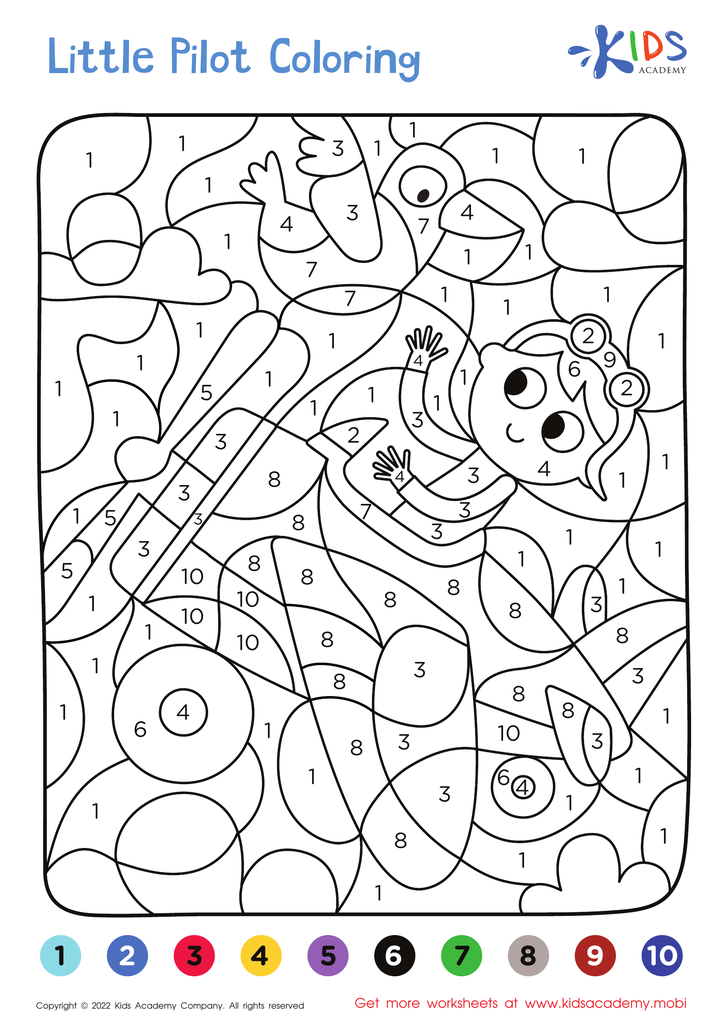
Little Pilot – Coloring by Numbers
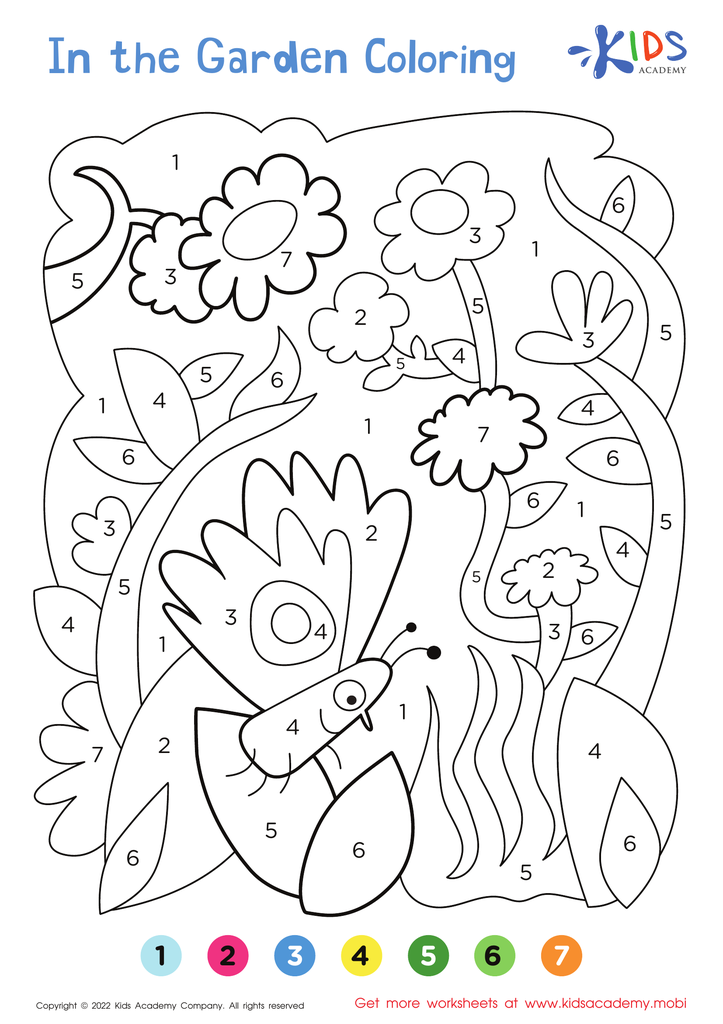
In the Garden – Coloring by Numbers
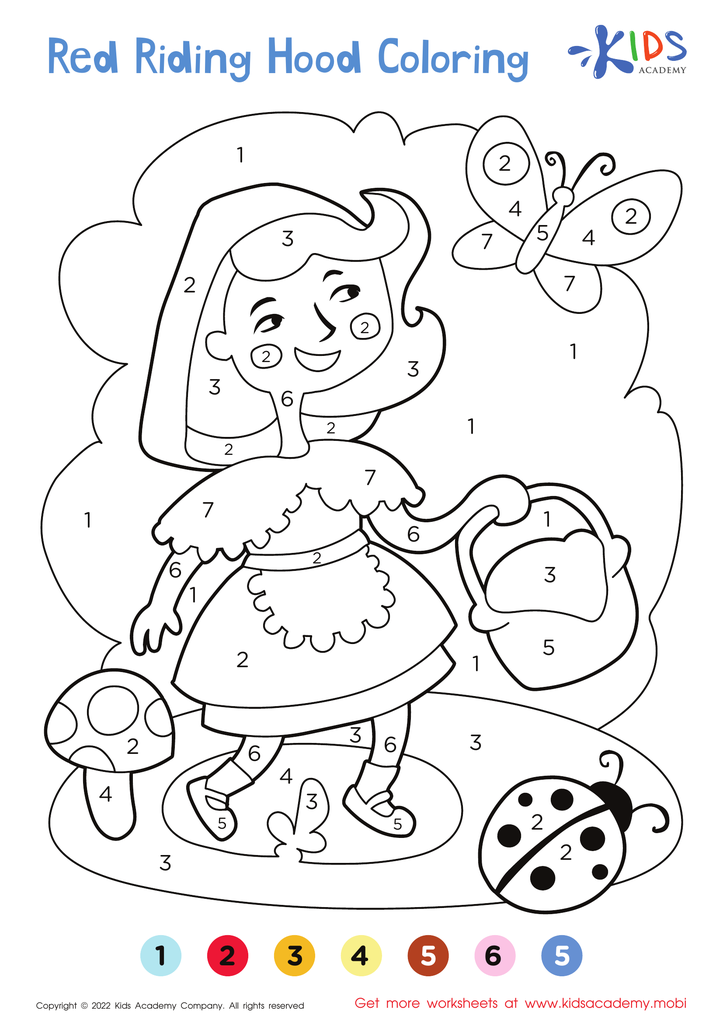
Little Red Riding Hood – Coloring by Numbers






Color recognition is a foundational skill that plays a pivotal role in early math development for children aged 4-9. Understanding colors helps young learners make connections between visual elements and mathematical concepts. For instance, when children identify and sort objects by color, they're practicing critical categorization and comparison skills. This lays a groundwork for more complex mathematical ideas like addition and subtraction, where grouping and separating become essential.
Furthermore, color recognition fosters cognitive development. Children learn to observe differences and similarities, enhancing their analytical thinking abilities. Teachers and parents can utilize colors to create engaging, interactive activities that make learning more enjoyable and effective. For example, using colored blocks for counting exercises or employing colorful charts can help reinforce these concepts in a fun way.
It's also crucial from a social standpoint. Recognizing and discussing colors can improve language skills as children articulate their thoughts about different items. Additionally, colors can stimulate emotional connections, as certain hues evoke different feelings—enhancing both creativity and self-expression.
Ultimately, by prioritizing color recognition within math, parents and teachers empower children with essential skills that promote not only mathematical understanding but also holistic development.








