Comparative analysis Math Worksheets for Ages 4-9
6 filtered results
-
From - To
Discover our engaging range of Comparative Analysis Math Worksheets for ages 4-9 at Kids Academy. Designed to enhance critical thinking and problem-solving skills, these worksheets encourage young learners to compare quantities, sizes, and shapes. With age-appropriate challenges, vibrant visuals, and clear instructions, children develop a solid foundation in math while having fun. Our expertly crafted resources ensure a seamless progression from simple comparisons to more complex analyses, tailored to each developmental stage. Empower your child to excel in math and build confidence with Kids Academy's comprehensive, educational worksheets. Ideal for parents and educators aiming to foster a love for learning in young mathematicians.
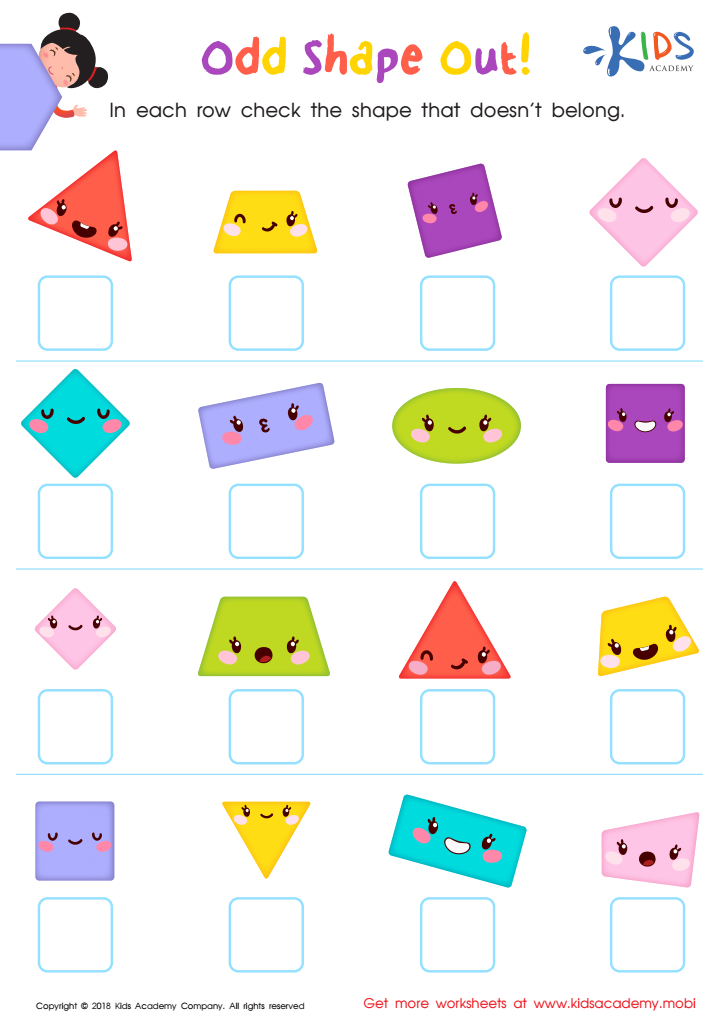
Odd Shape Out Worksheet for Grade 3
 Assign to My Students
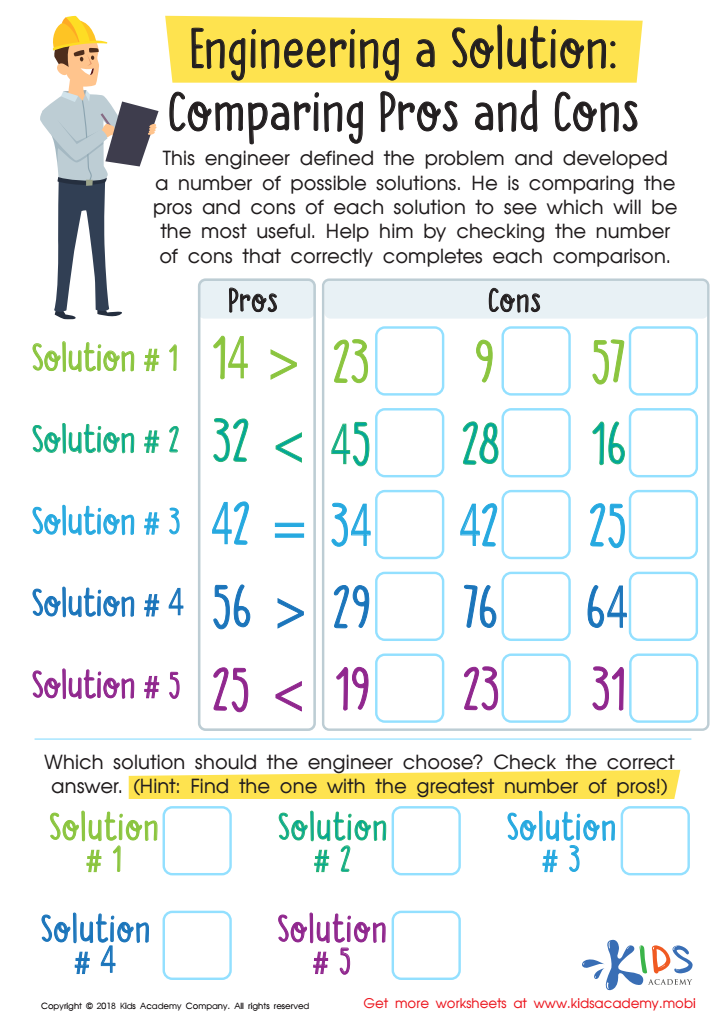
Engineering a Solution: Comparing Pros and Cons Worksheet
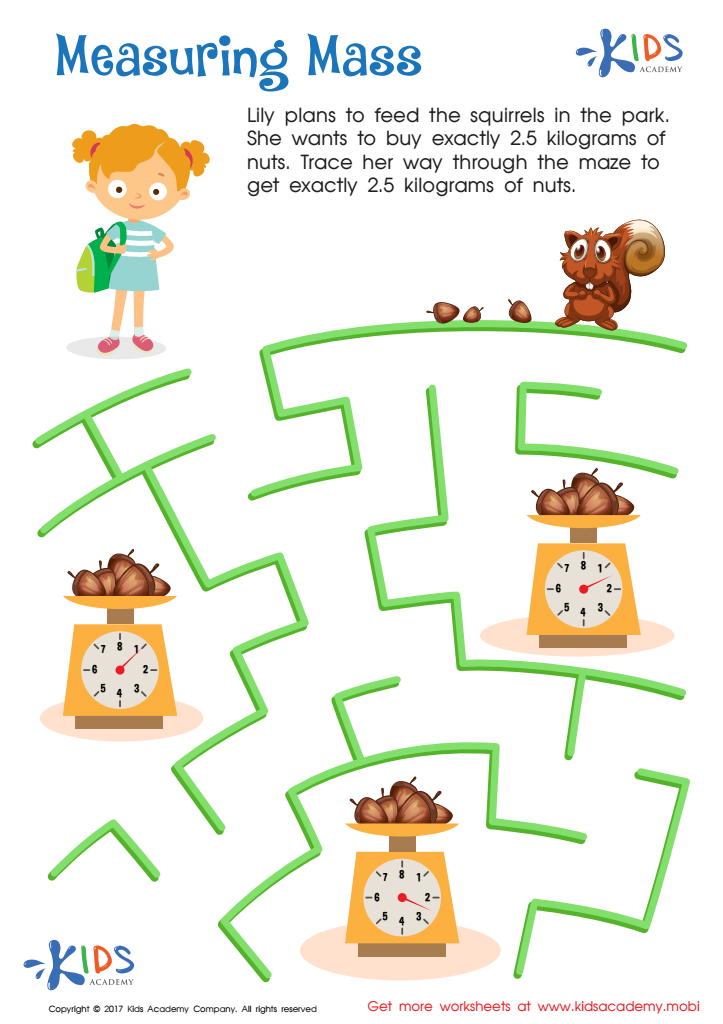
Measuring Mass Worksheet
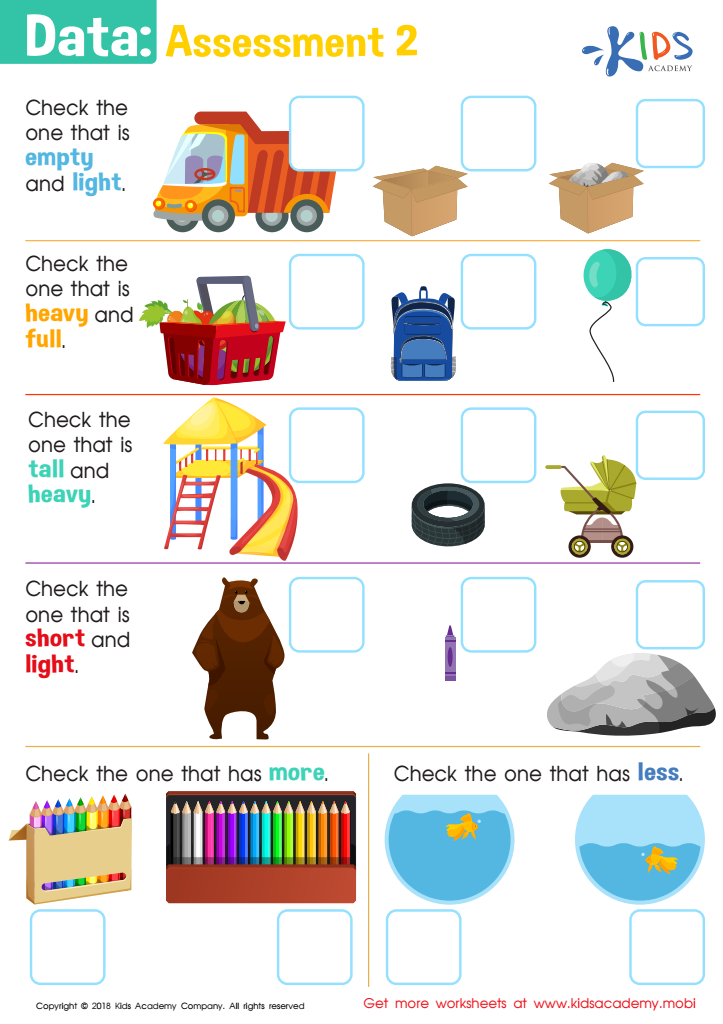
Data: Assessment 2 Worksheet
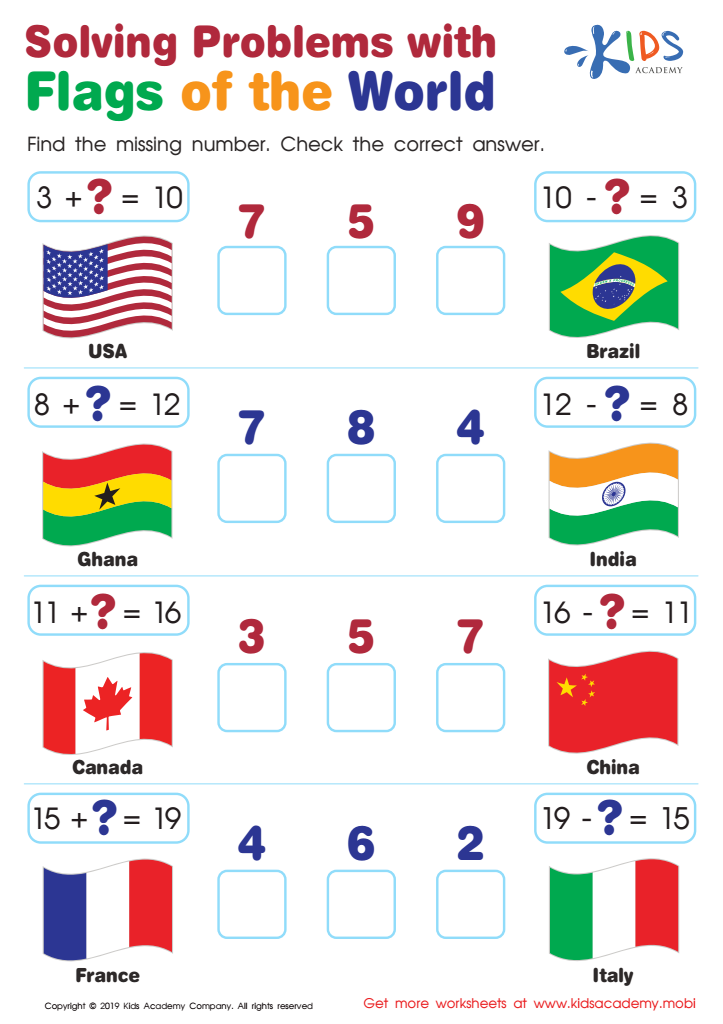
Solving Problems with Flags of the World Worksheet
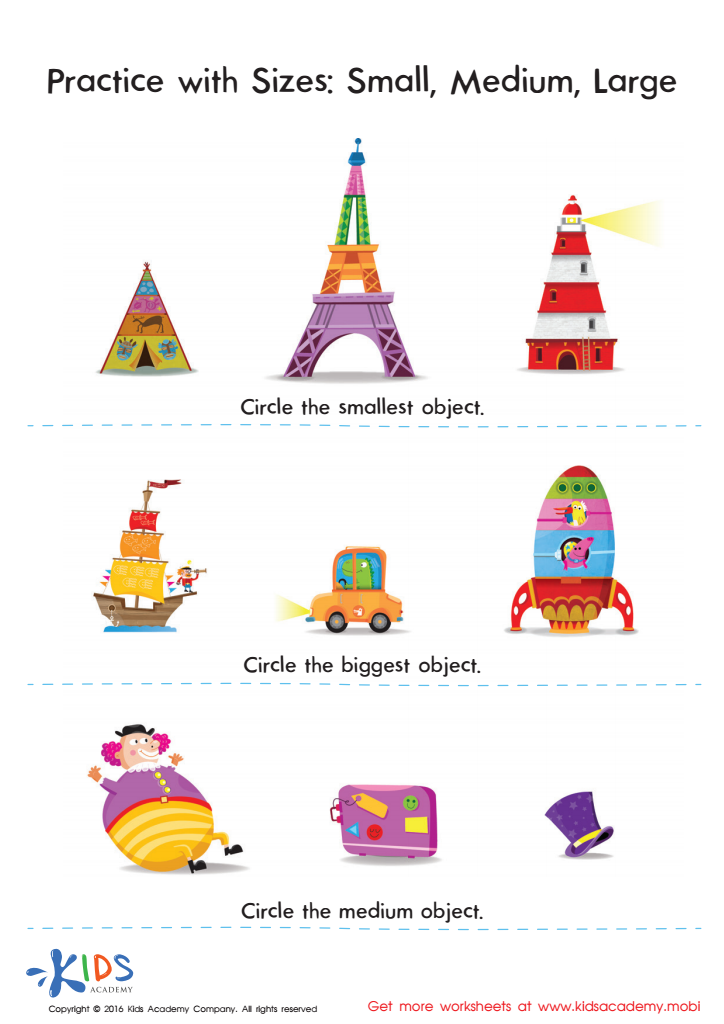





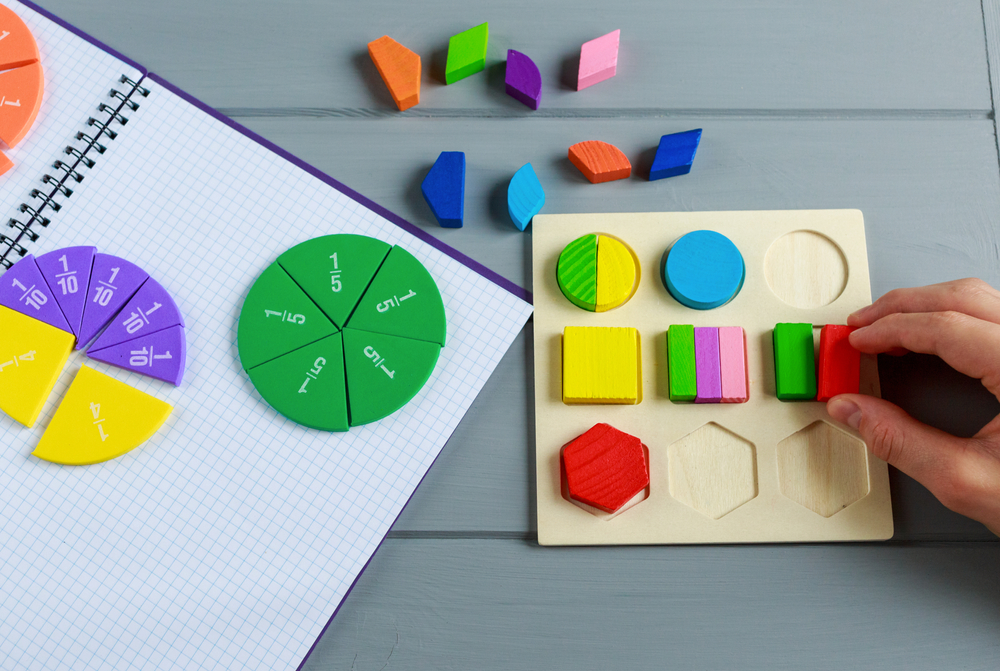


Parents and teachers should care about comparative analysis math for ages 4-9 because it lays a critical foundation for a child’s cognitive development and future academic success. Comparative analysis involves observing differences and similarities between objects, quantities, and numbers, fostering critical thinking and problem-solving skills. During early childhood, the brain is exceptionally receptive to learning foundational concepts, making it an ideal time to introduce basic mathematical comparisons.
Understanding concepts like greater than, less than, or equal to helps young children develop number sense, which is essential for more complex math topics. It also enhances their ability to make decisions based on quantitative reasoning, a skill that goes beyond academics and is valuable in daily life. These comparative skills are integral for subjects such as science, where children compare data or experiment results, and even language arts, where they analyze stories and characters.
Furthermore, engaging children in comparative analysis can boost their confidence in math, encourage curiosity, and build a positive attitude toward learning. It supports a more interactive, hands-on learning environment, which is especially beneficial at this developmental stage. By prioritizing comparative analysis math, parents and teachers are investing in a child's holistic growth, setting them up for a lifetime of analytical and logical thinking.








