Develop logical thinking Math Worksheets for Ages 4-9
9 filtered results
-
From - To
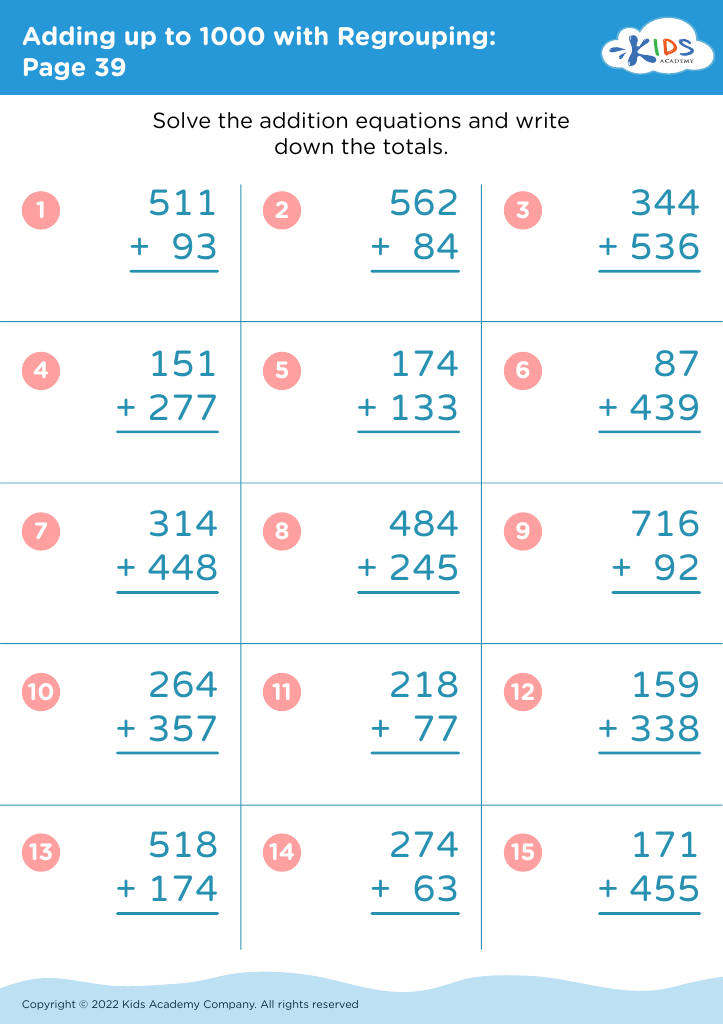
Unlock your child's potential with our engaging logical thinking math worksheets, designed for ages 4-9! These worksheets aim to strengthen critical thinking skills, enhance problem-solving abilities, and foster a love for math. Tailored specifically for young learners, each worksheet features fun and age-appropriate activities that encourage children to explore patterns, sequences, and spatial reasoning. Perfect for use at home or in the classroom, our resources help kids build a solid foundation in logical thinking while enjoying hands-on learning. Empower your child’s educational journey and spark their enthusiasm for math with these enriching worksheets! Download now and watch their skills flourish!
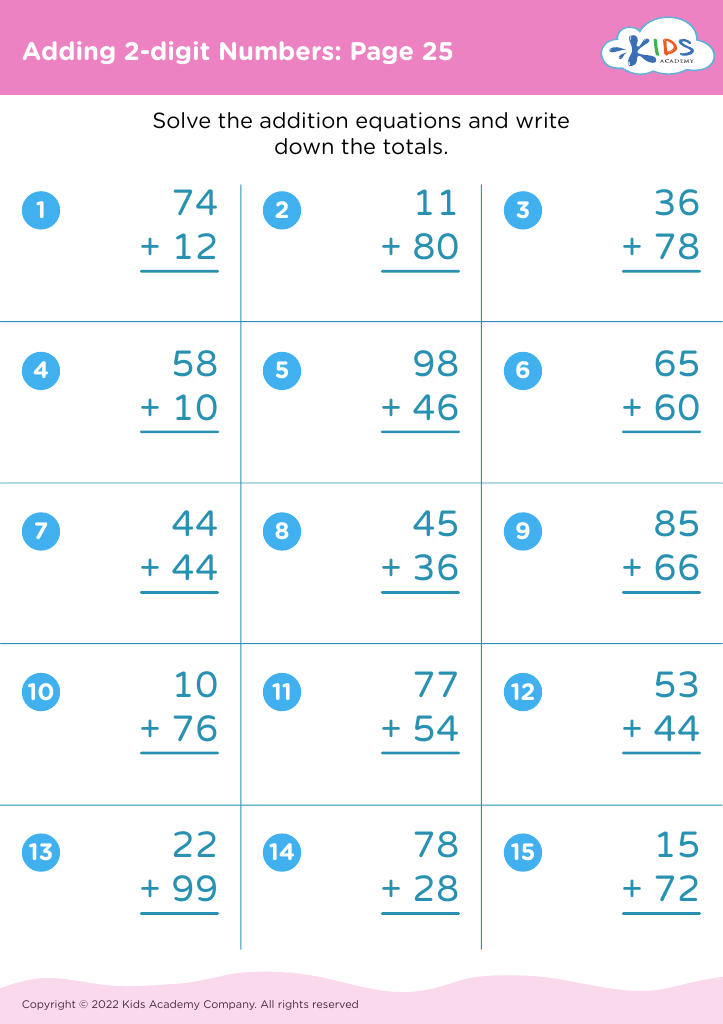
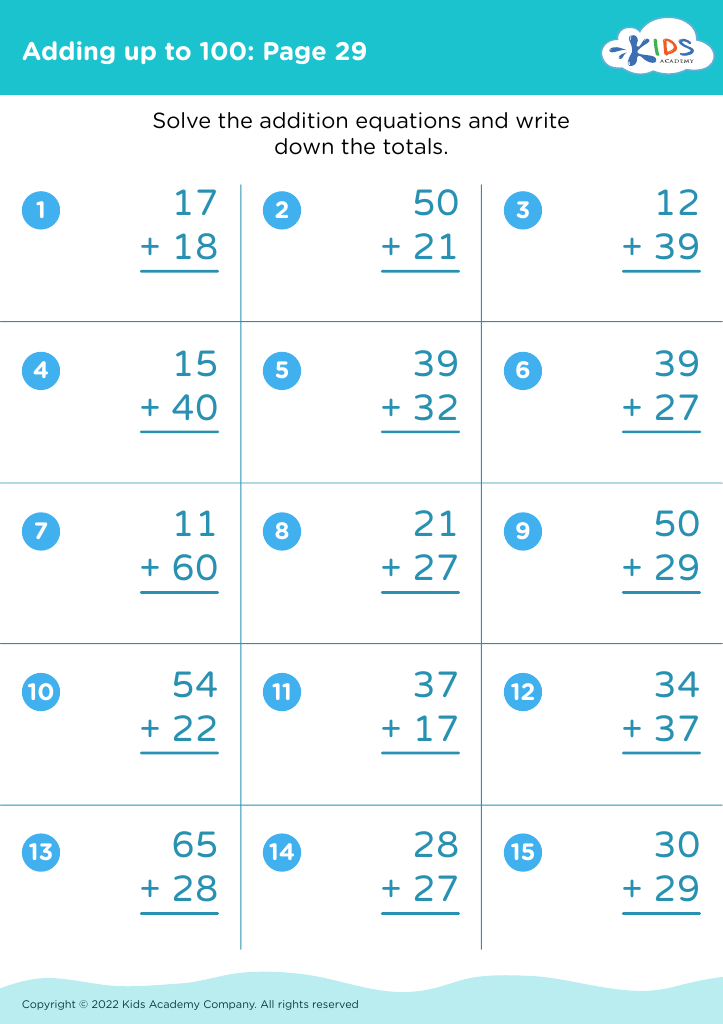
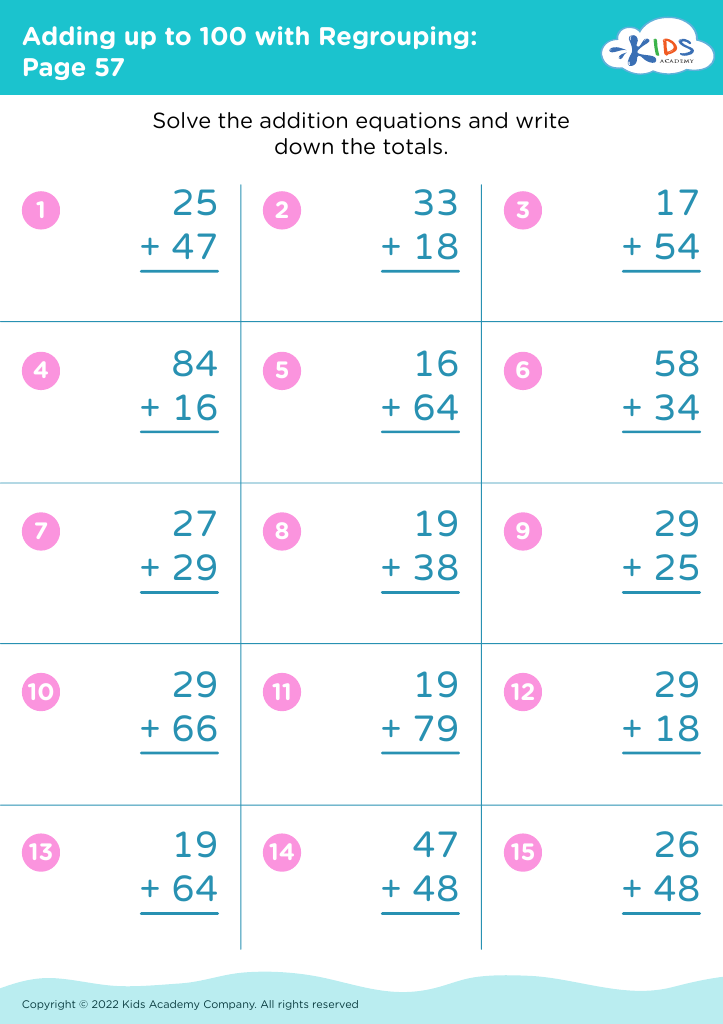
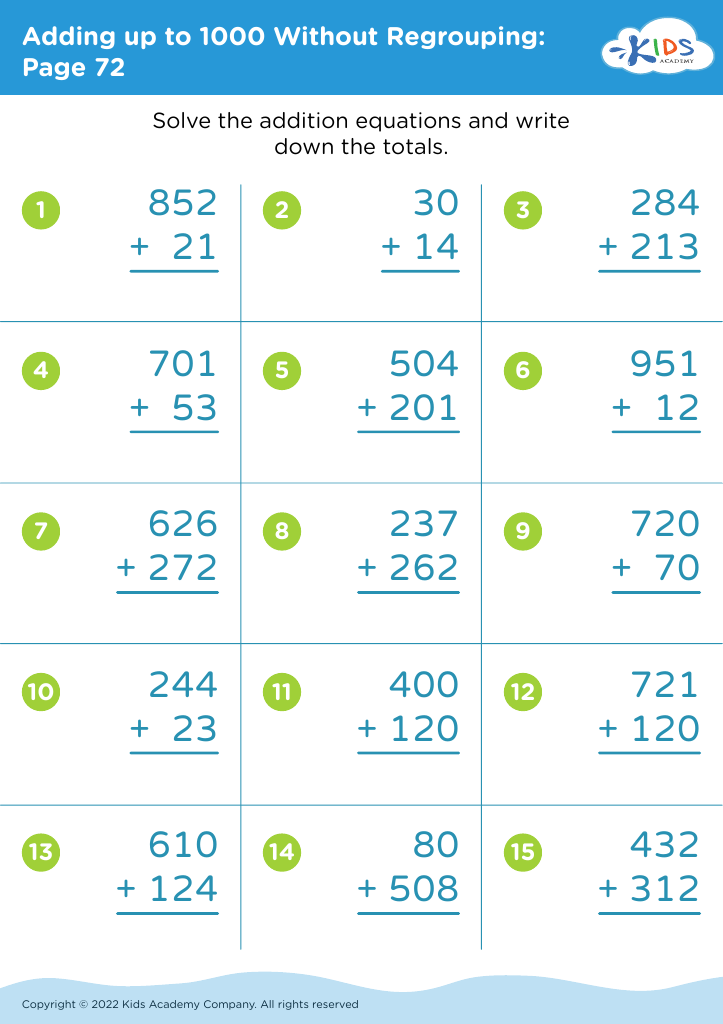
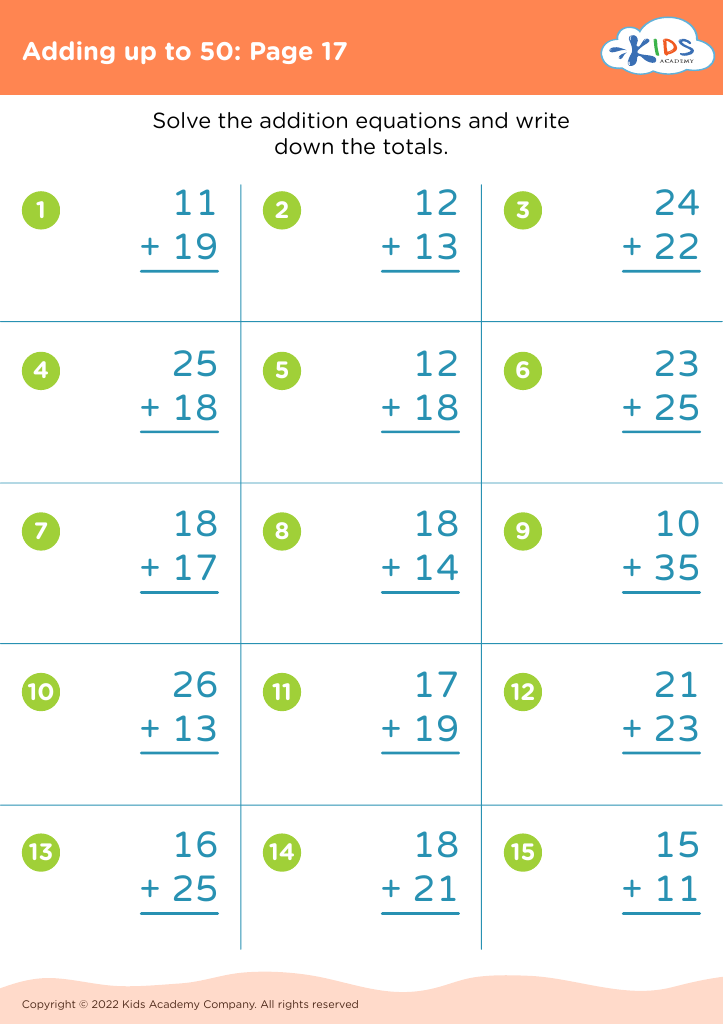
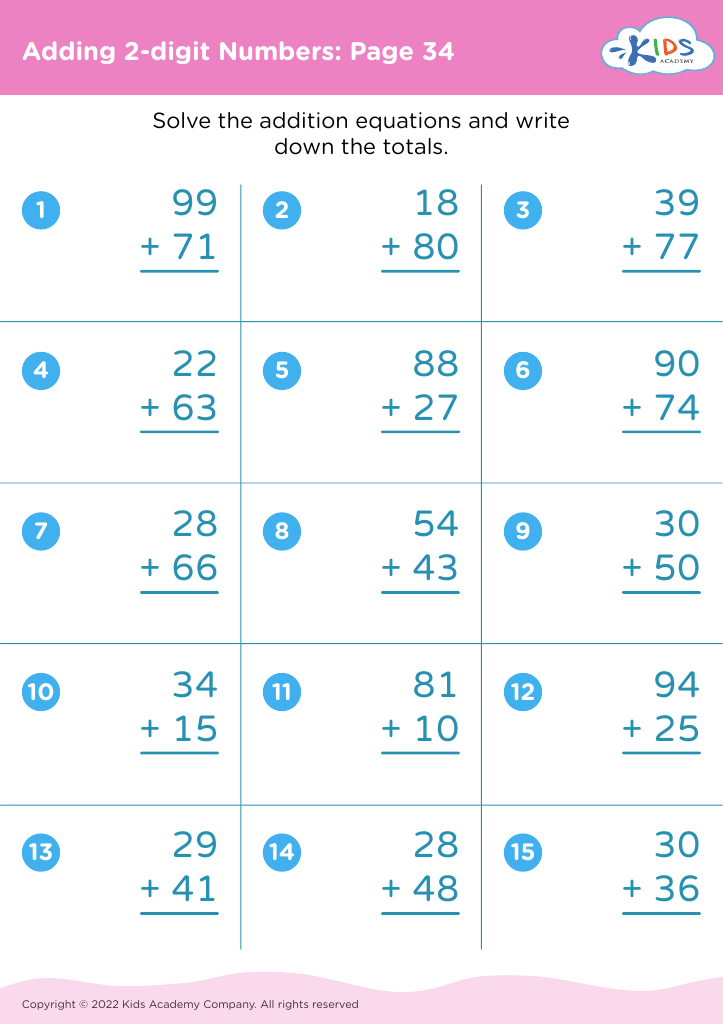
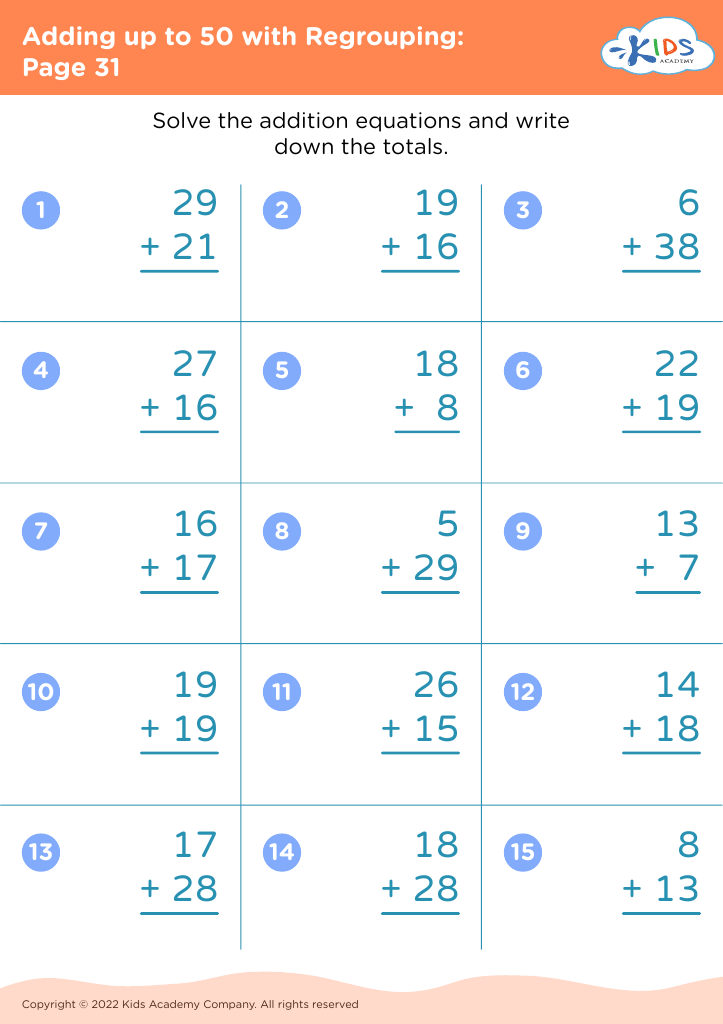
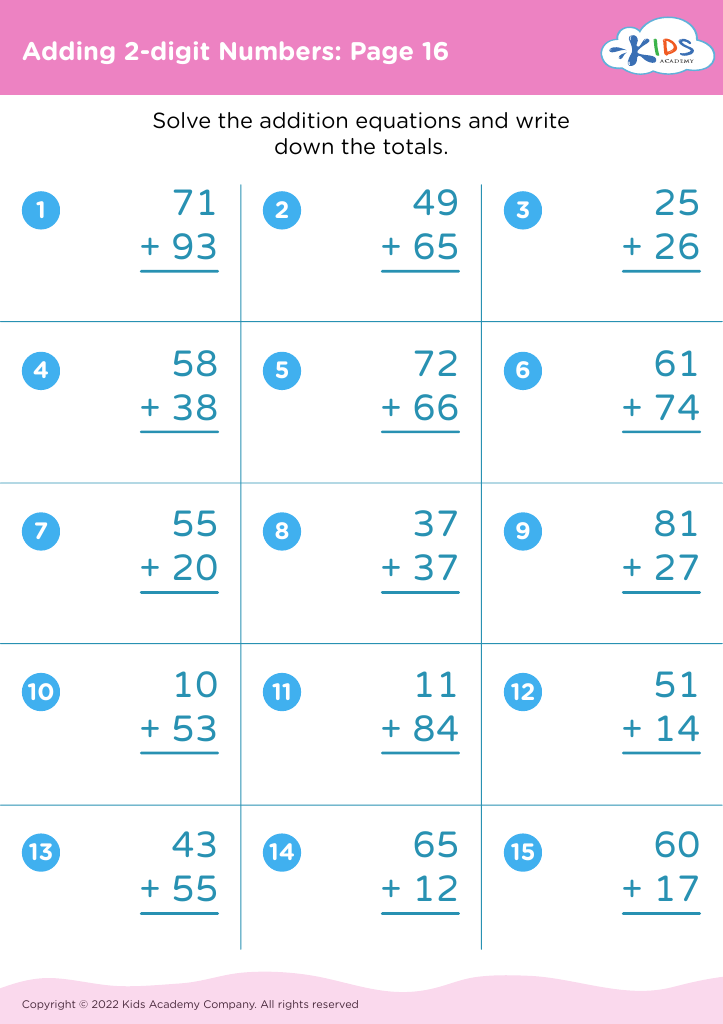





%20(1).jpg)

Developing logical thinking skills in children aged 4-9 through math is crucial for several reasons. First, these foundational skills foster a child's ability to understand and solve problems, laying the groundwork for more complex mathematical concepts in the future. Logical thinking promotes critical reasoning, helping children make sense of the world around them.
Furthermore, early mathematical experiences not only enhance cognitive skills but also bolster a child’s confidence in their abilities. When children learn to approach problems systematically, they develop perseverance, learning that failure is part of the problem-solving process – an essential life skill.
Additionally, logical thinking in math intertwines with other subjects such as science, technology, engineering, and even literacy, enriching their overall learning experience and encouraging curiosity. Teachers and parents play a pivotal role by providing engaging activities that stimulate this thinking, bridging the gap between theoretical knowledge and practical application.
Ultimately, fostering logical thinking through math nurtures well-rounded, proficient learners who are prepared to tackle challenges, both academic and social, throughout their lives. In a rapidly evolving world, these skills help children to thrive, making it imperative for parents and educators to prioritize their development.








