Enhancing focus Math Worksheets for Ages 4-9
4 filtered results
-
From - To
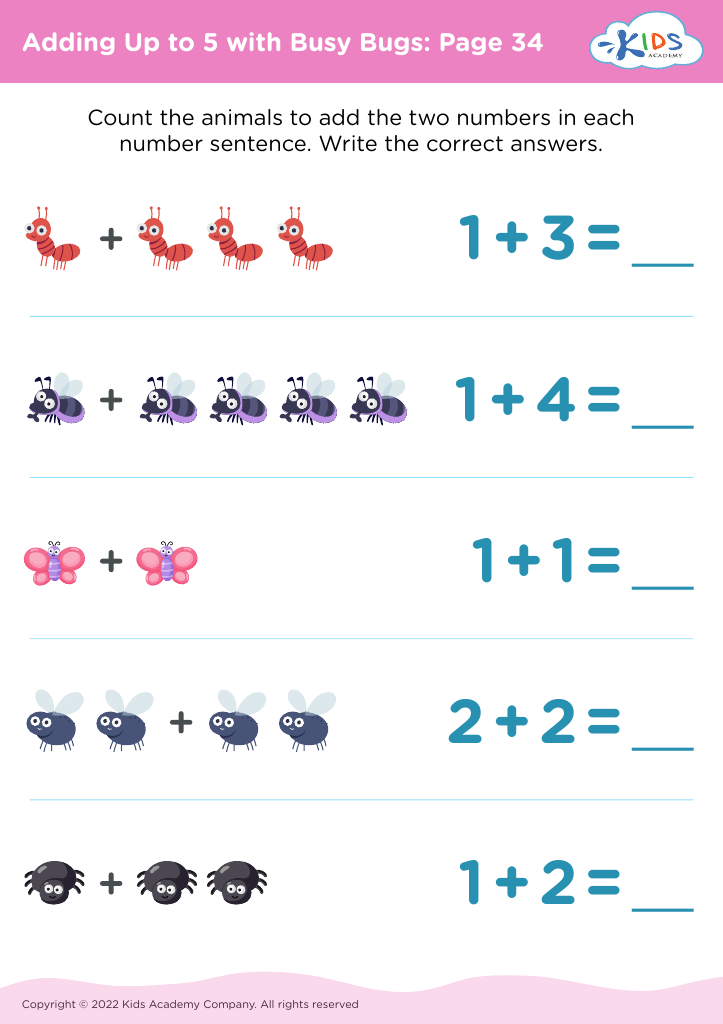
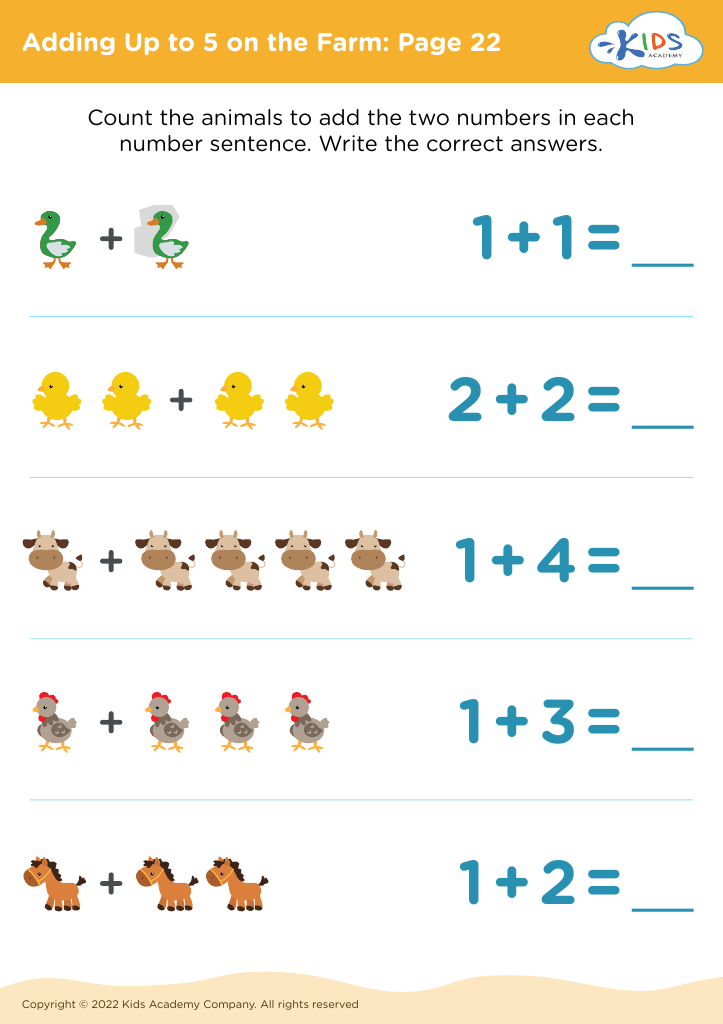
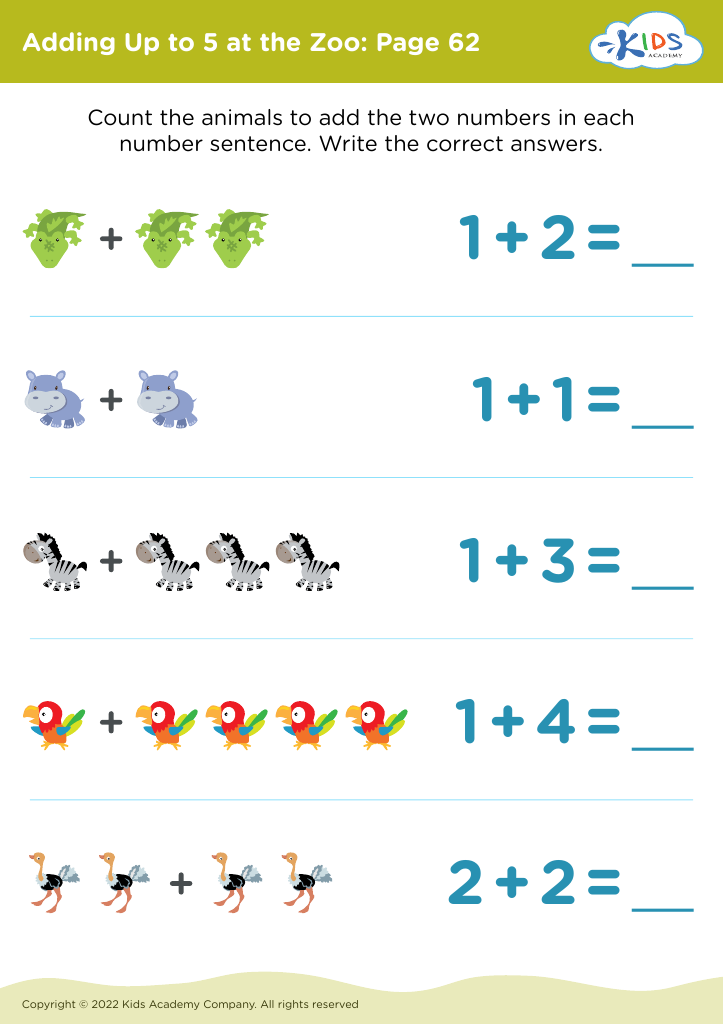
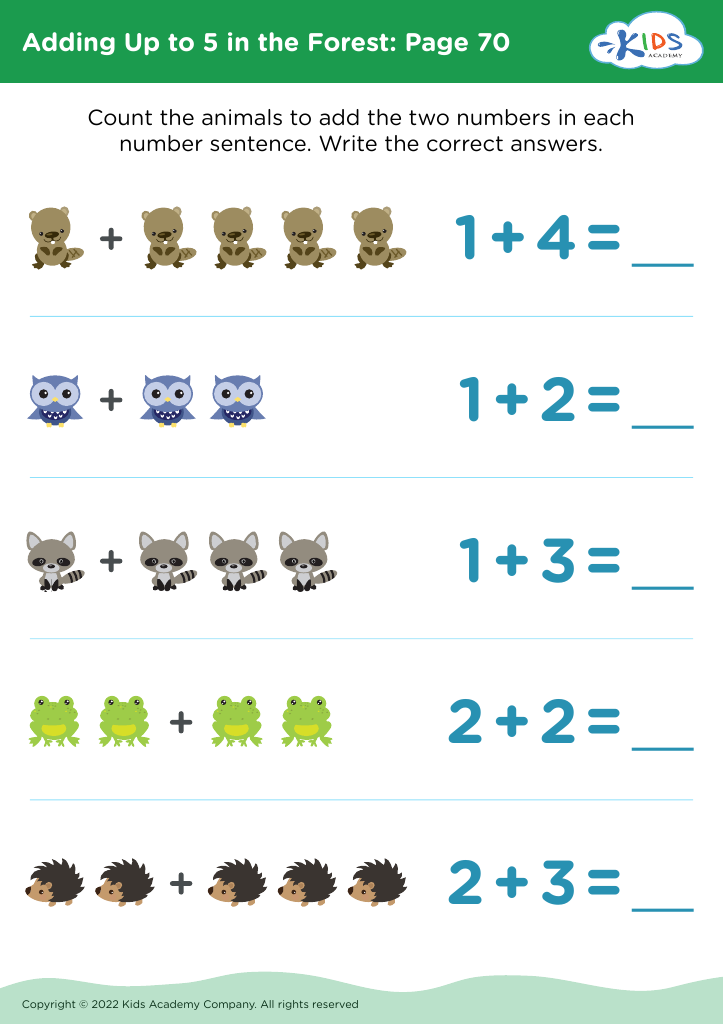
Discover our "Enhancing Focus Math Worksheets" designed specifically for children aged 4-9! These engaging and interactive worksheets aim to improve concentration and attention to detail while building essential math skills. With a variety of activities, including puzzles, number games, and visual aids, your young learners will enjoy boosting their focus and cognitive abilities. Each worksheet is crafted to promote a fun learning experience, ensuring kids remain curious and excited about math. Perfect for use at home or in the classroom, these resources provide educators and parents with valuable tools to foster a love for math while enhancing focus and critical thinking skills.







.jpg)
Enhancing focus in math for ages 4-9 is crucial for several reasons. First, early mathematical competencies lay the foundation for future academic success. In this stage, children develop essential skills such as counting, number recognition, and basic problem-solving, which are instrumental in higher-level math. By fostering focus during math activities, parents and teachers can help children engage fully with the content, enhancing their understanding and retention of key concepts.
Moreover, improving focus during math lessons helps cultivate a positive attitude toward learning. Children who can concentrate are more likely to enjoy their experience with math, leading to increased confidence and a willingness to tackle challenges. When children are more engaged, they are more likely to participate in discussions, ask questions, and explore concepts creatively.
Lastly, strong math skills are essential not only for academic purposes but also for everyday life. Primary school children begin to face practical math applications, from helping with household budgeting to understanding measurements in cooking. Therefore, enhancing focus in math at such a formative age ensures children develop sustainable skills that are vital for their overall development and future successes. Prioritizing focus in math education equips children with the tools they need for lifelong learning.








