Fine motor skills development Math Worksheets for Ages 4-9
8 filtered results
-
From - To
Discover our engaging Fine Motor Skills Development Math Worksheets for children aged 4-9! These specially designed activities focus on enhancing little ones' fine motor skills while introducing foundational math concepts. Each worksheet features fun and interactive exercises such as tracing numbers, sorting shapes, and completing patterns, fostering both dexterity and cognitive growth. Perfect for parents and educators, our printable resources provide an enjoyable way for kids to practice essential skills in a hands-on manner. Support your child's early learning journey with worksheets that promote coordination, concentration, and confidence in math! Explore our collection and watch your child's abilities flourish.

Trace The Circles Worksheet
 Assign to My Students
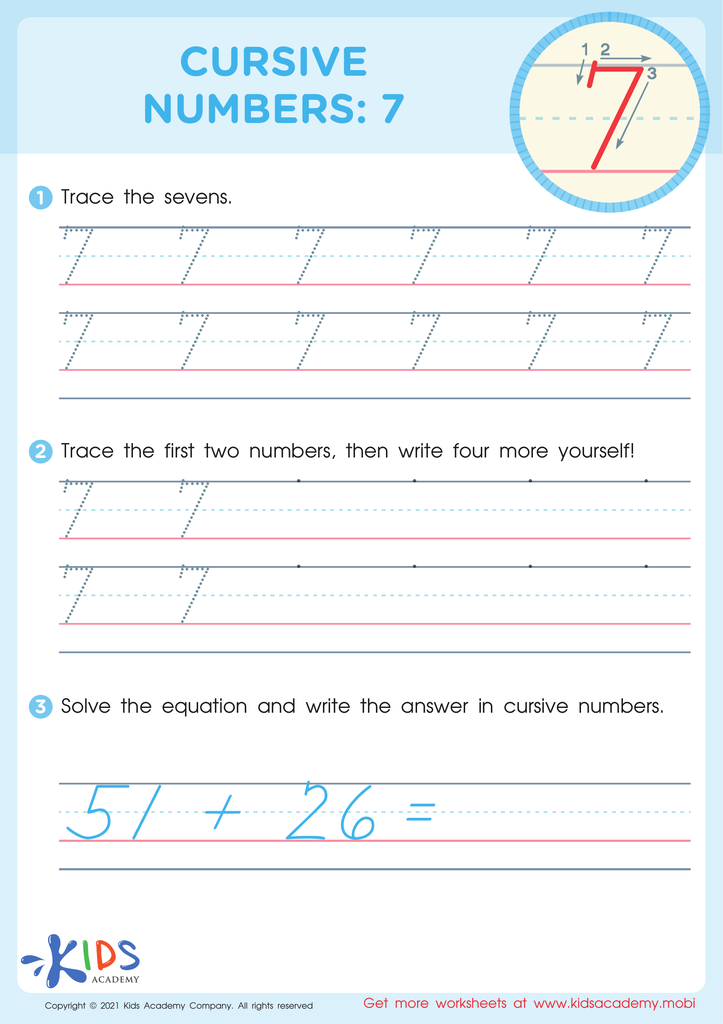
Cursive Numbers: 7 Worksheet
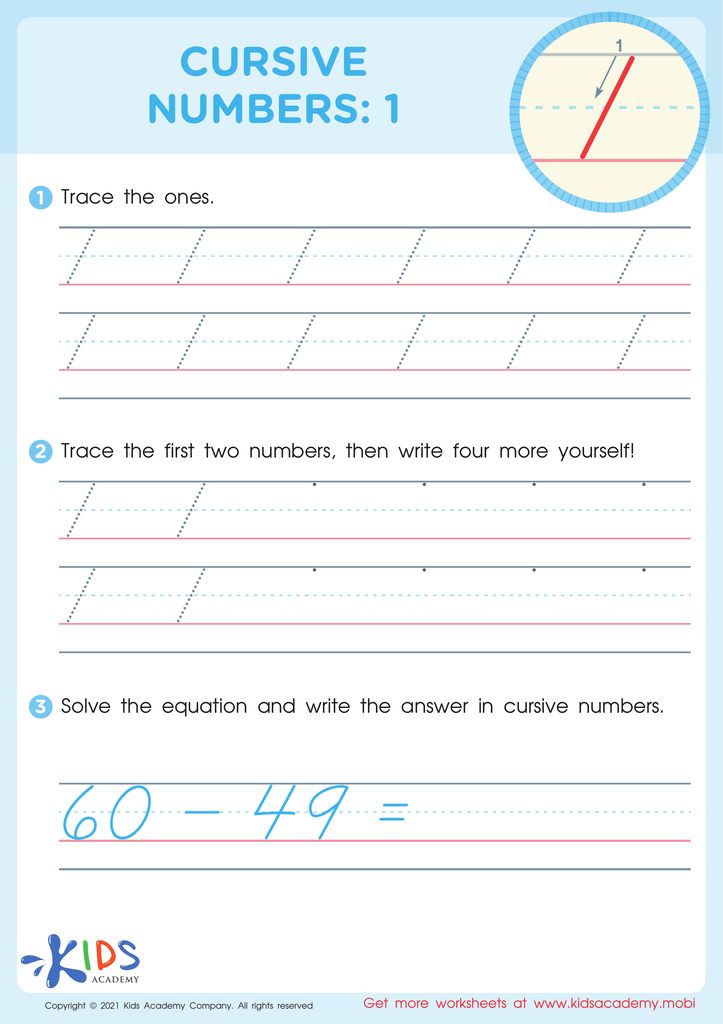
Cursive Numbers: 1 Worksheet
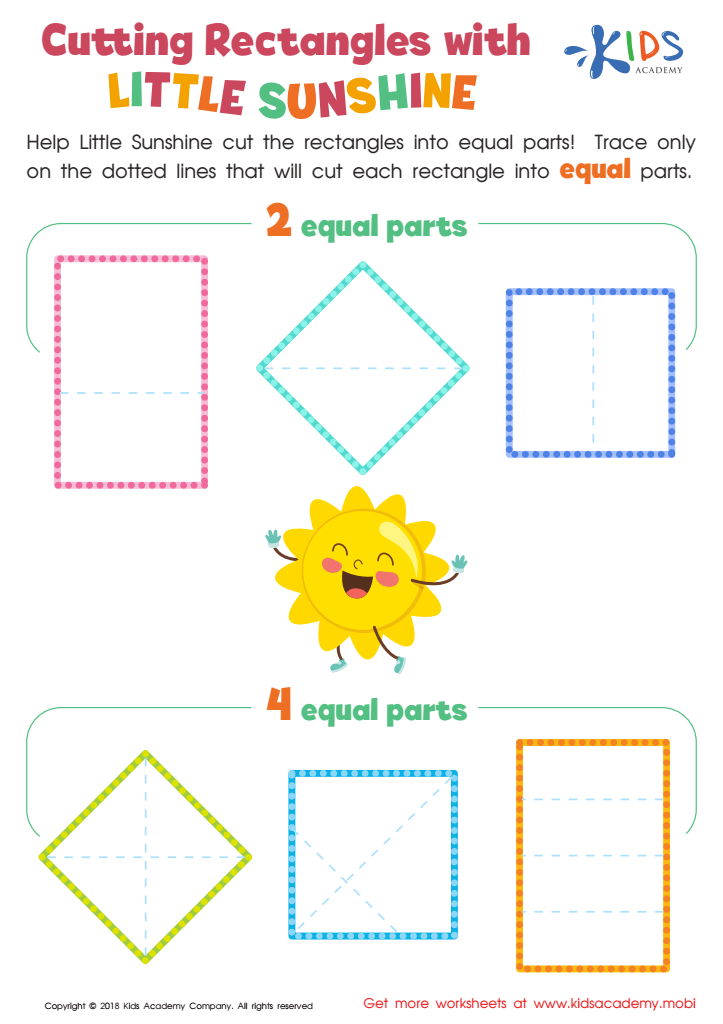
Cutting Rectangles with Little Sunshine Worksheet
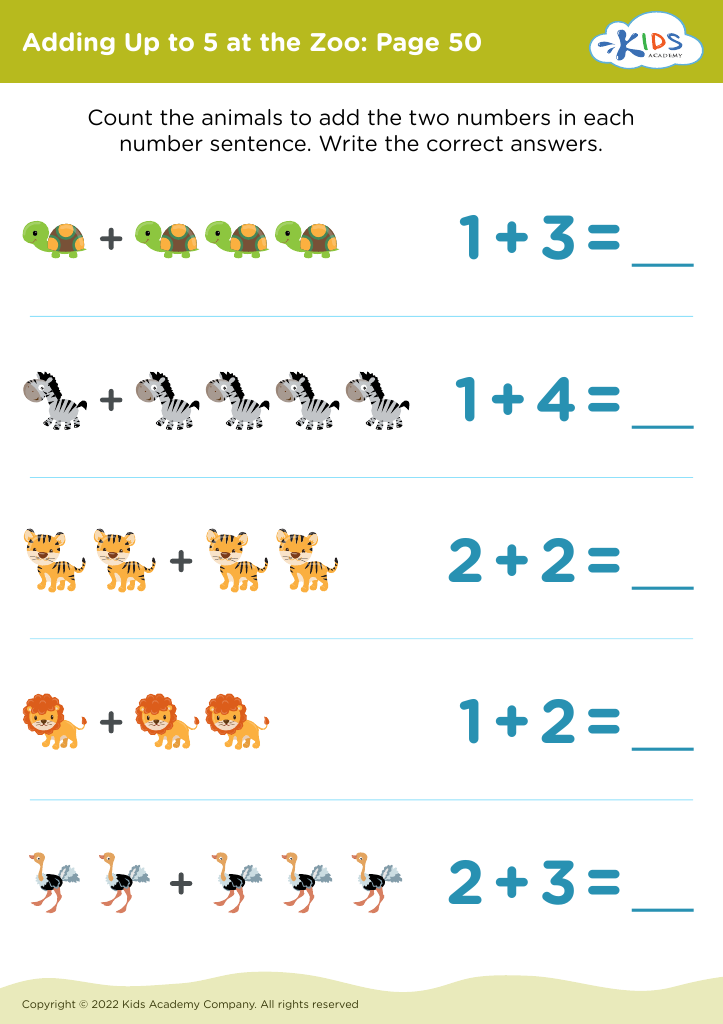
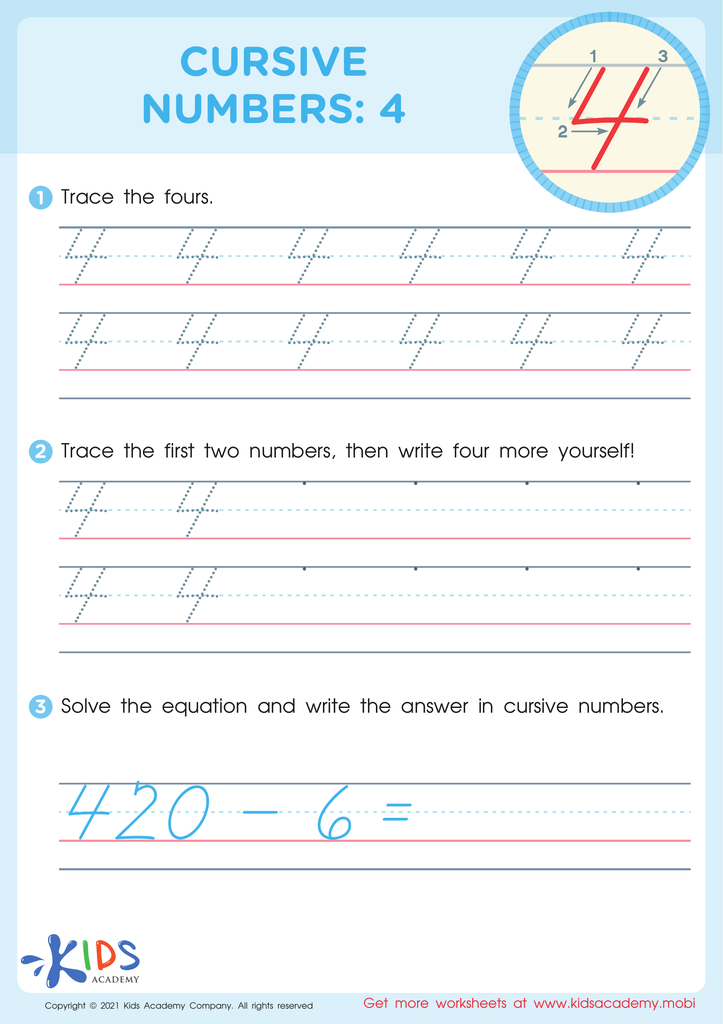
Cursive Numbers: 4 Worksheet


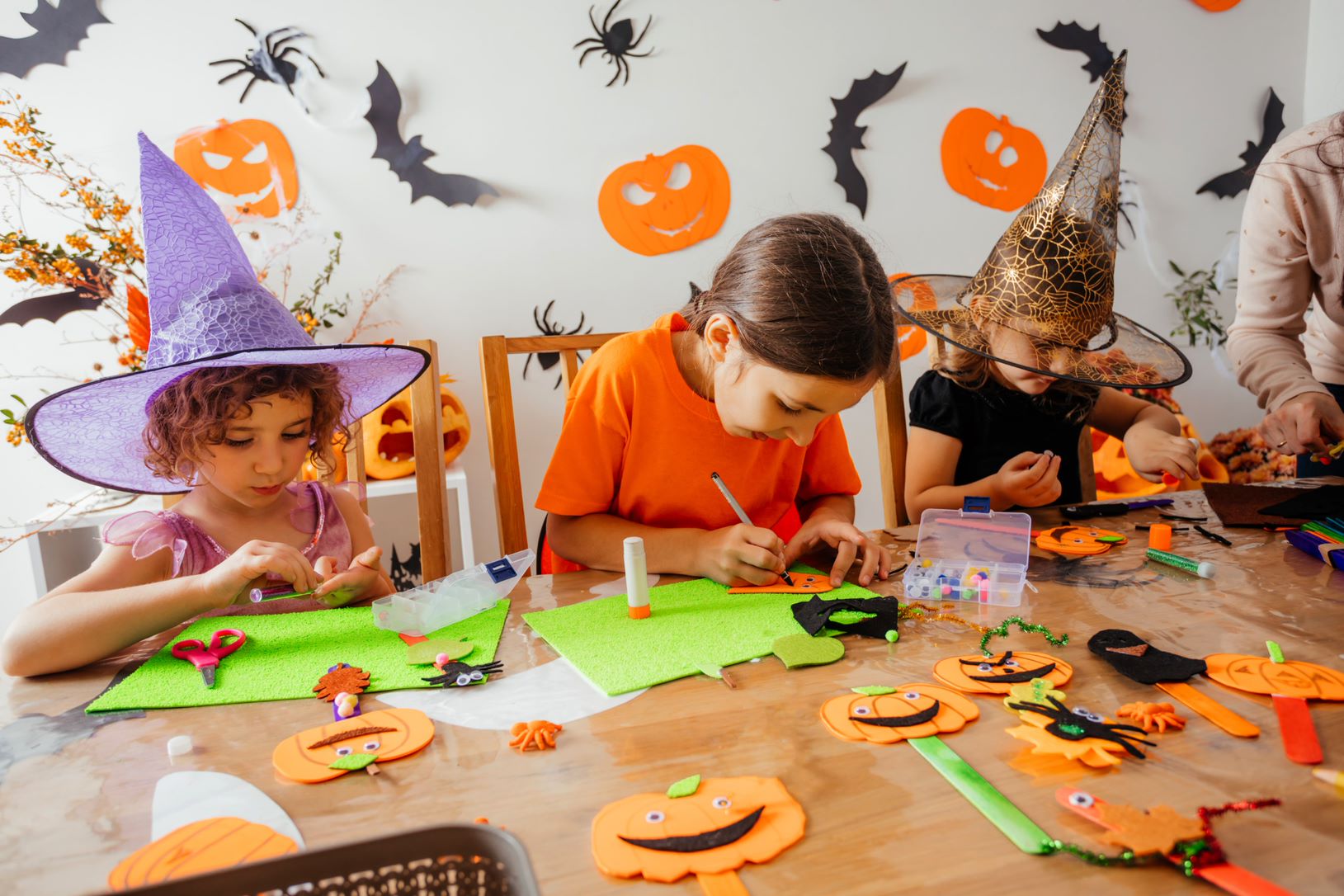





Fine motor skills development and math proficiency are essential for children aged 4-9, and it’s crucial for parents and teachers to prioritize these areas. Fine motor skills involve the coordination of small muscles in the hands and fingers, enabling children to perform tasks such as writing, cutting, and manipulating small objects. As children engage in fine motor activities, they build the dexterity and coordination necessary for tasks required in math, such as drawing shapes, writing numbers and letters, and working with manipulatives.
Moreover, these skills boost children’s confidence and independence, which are vital as they learn math concepts. Research indicates that strong fine motor skills can positively influence academic performance. When children can physically manipulate numbers and objects—like using blocks to understand counting or patterns—they develop a deeper understanding of mathematical ideas.
Additionally, fostering fine motor skills can enhance the learning environment by encouraging hands-on experiences, which grant children opportunities to explore math in a more tactile, engaging way. This holistic approach not only supports math development but also promotes critical thinking and problem-solving abilities. Therefore, fostering fine motor skills is an investment in children’s overall academic success and lifelong learning.








