
Learn subtraction Math Worksheets for Ages 4-9
4 filtered results
Difficulty Level
Grade
Age
-
From - To
Subject
Activity
Standards
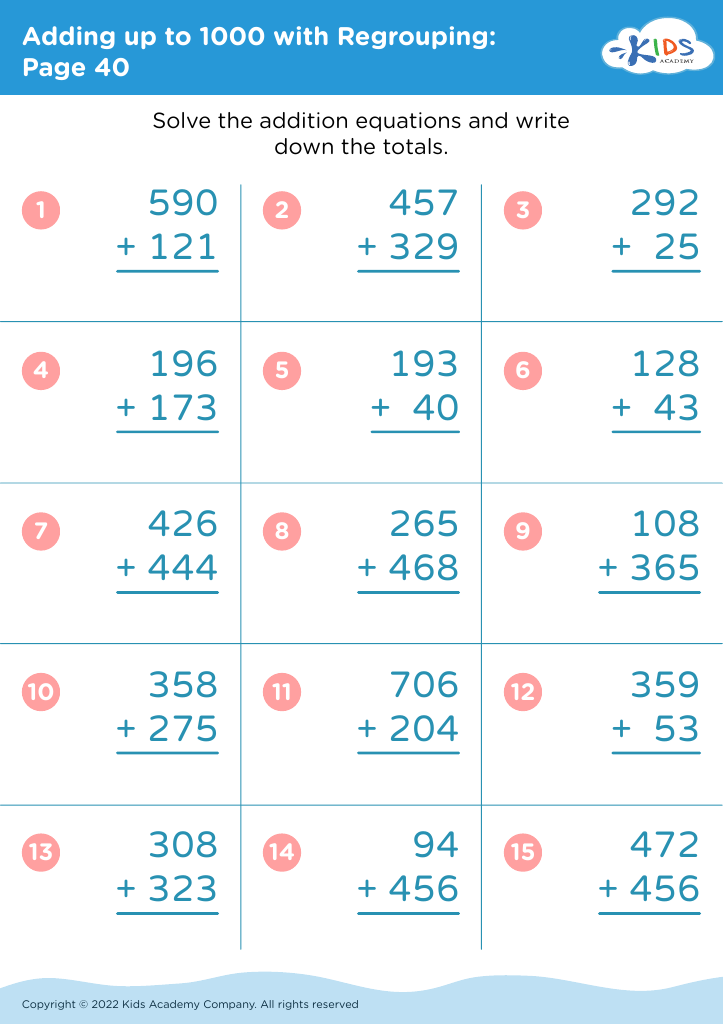
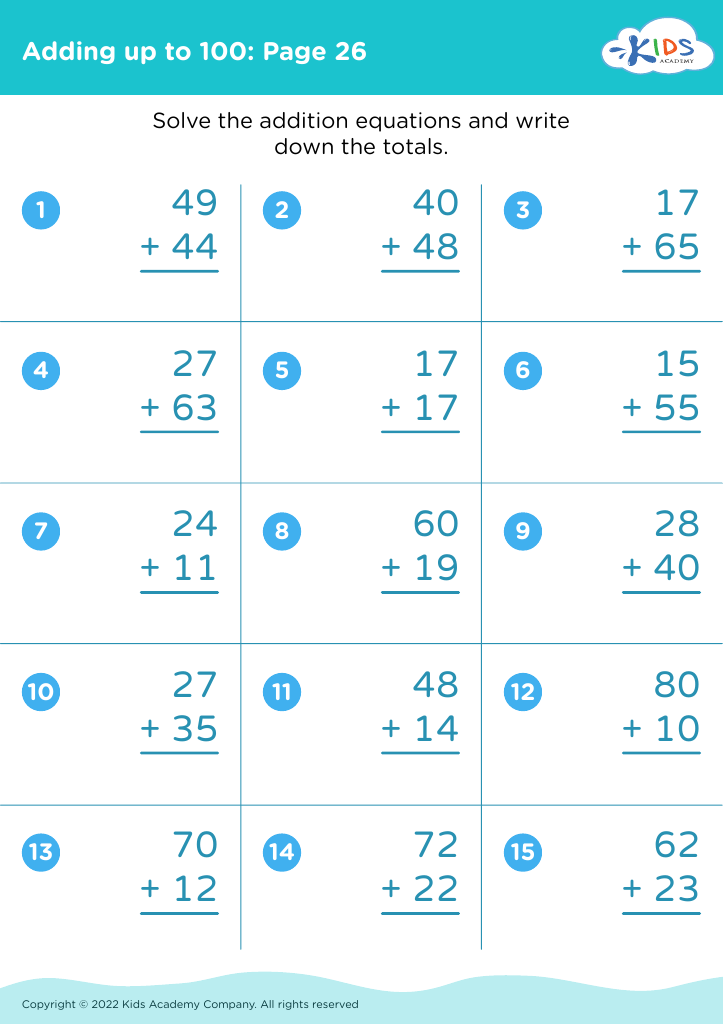
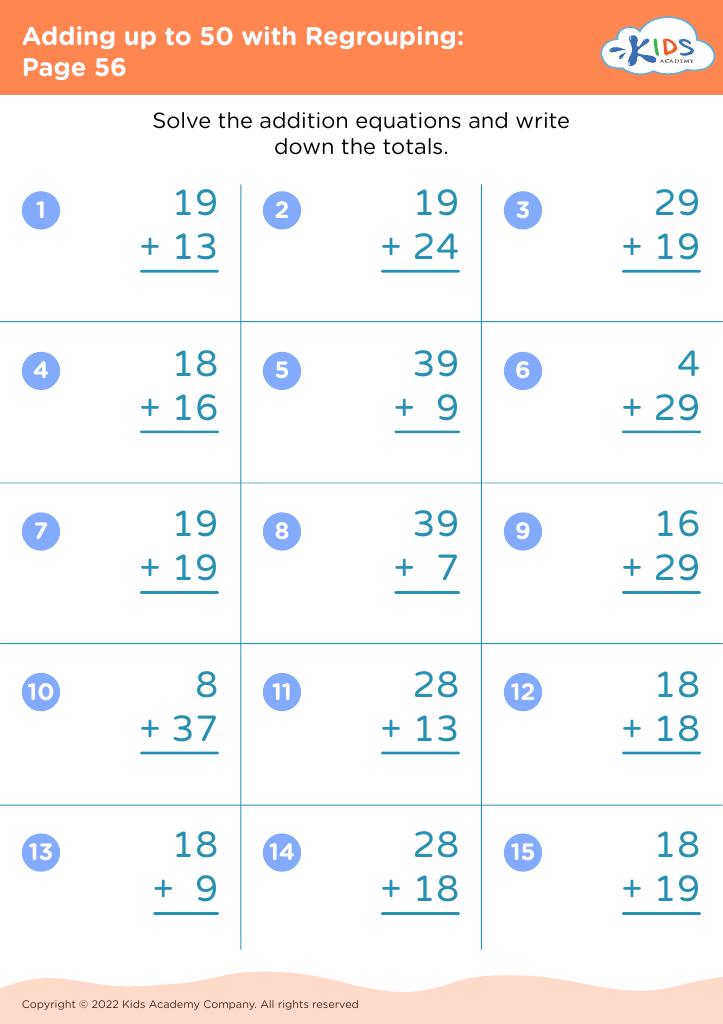
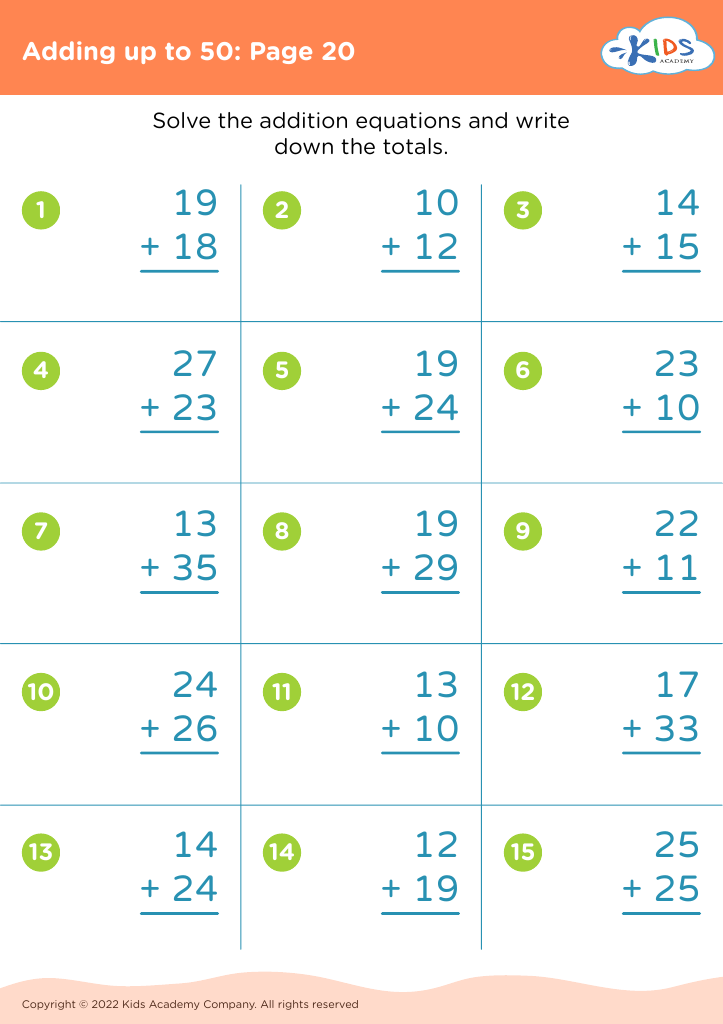
Our "Learn Subtraction Math Worksheets for Ages 4-9" are designed to help young learners master the basics of subtraction in a fun and engaging way. Each worksheet offers a variety of exercises tailored to gradually build your child's confidence and skills. With vibrant illustrations and clear instructions, your child will enjoy practicing subtraction while developing critical thinking and problem-solving abilities. These worksheets cover fundamental concepts, from simple single-digit problems to more challenging scenarios, ensuring a thorough understanding. Perfect for home or classroom use, our resources make learning subtraction enjoyable and effective! Explore now to support your child's education journey.
Favorites
With answer key
Interactive
Join Kids Academy for Free
Who is primarily going to use this learning content?








Learning subtraction at an early age, specifically ages 4-9, is crucial for several reasons. First and foremost, subtraction is one of the foundational arithmetic operations, essential for daily problem-solving and mathematical thinking. Early proficiency in subtraction sets the stage for more complex mathematical concepts, such as multiplication, division, algebra, and fractions.
When children understand subtraction, they develop number sense, which is the ability to recognize relationships between numbers. This skill is critical for diverse cognitive tasks and academic success. For example, when children can subtract confidently, they are better equipped to handle money, understand time, and perform everyday tasks that require logical thinking and decision-making.
Moreover, learning subtraction can enhance a child's brain development, fostering critical thinking, concentration, and perseverance. Educational psychologists argue that developing these cognitive abilities early on has lifelong benefits, including improved academic performance across various subjects.
Finally, an early grasp of subtraction instills a sense of accomplishment and confidence in children, nurturing a positive attitude towards learning and schooling. Parents and teachers who prioritize early math education cultivate an environment that values knowledge and encourages intellectual curiosity, ultimately helping children achieve their full potential.








