
Reading rulers Math Worksheets for Ages 4-9
3 filtered results
Difficulty Level
Grade
Age
-
From - To
Subject
Activity
Standards
Enhance your child’s math skills with our engaging Reading Rulers Math Worksheets, designed specifically for ages 4-9! These enjoyable and educational worksheets help young learners master the essential skill of reading rulers, promoting precision in measurement tasks. With fun, age-appropriate challenges, children develop their knowledge of inches and centimeters while boosting their confidence in math. Perfect for classroom use or home practice, our worksheets support interactive learning and critical thinking. Let your child discover the joy of math today with Reading Rulers Math Worksheets from Kids Academy – making measurement fun and straightforward for young minds!
Favorites
With answer key
Interactive
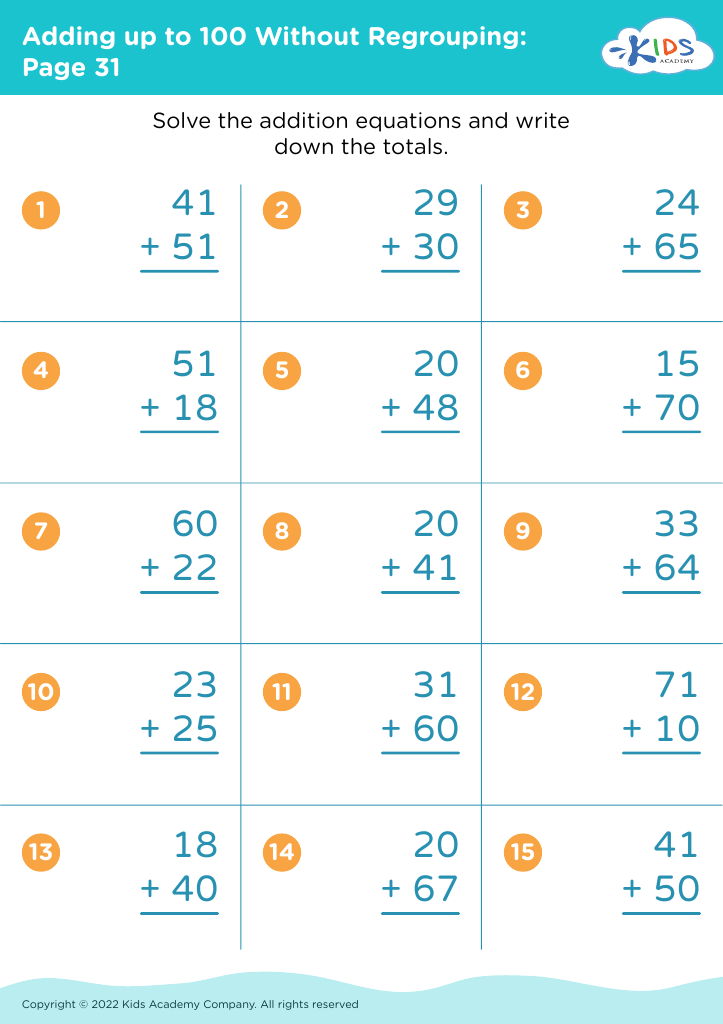
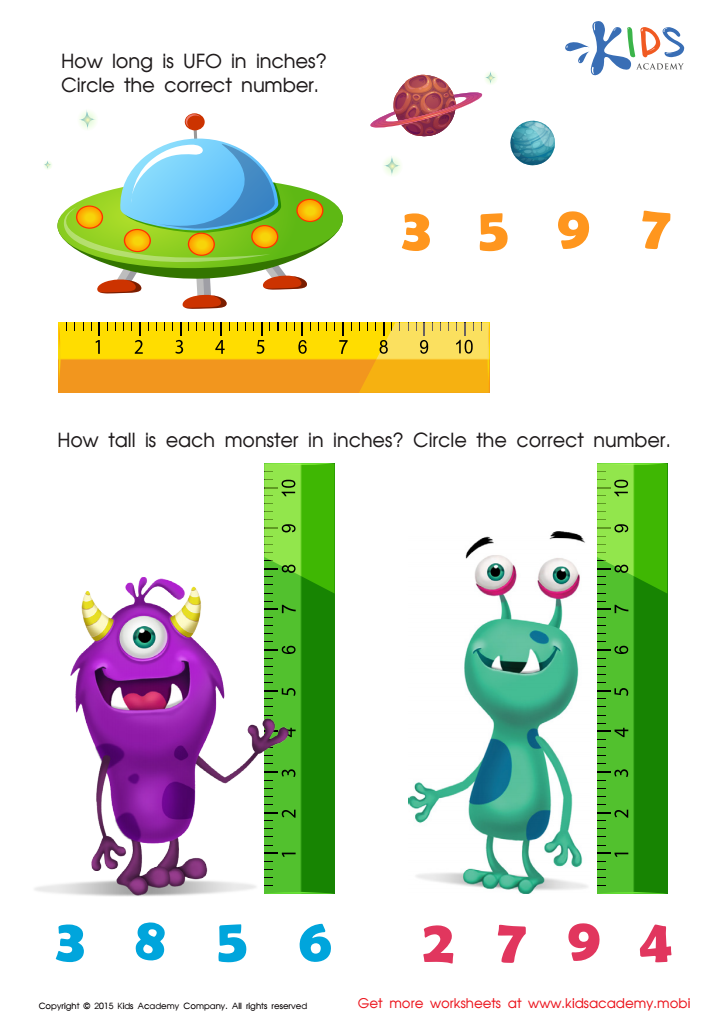
Measuring in Inches Worksheet
Look at the picture, can you measure the UFO & monsters? Write down how long each is. Which is tallest? Circle it. Get more free printable math worksheets for kindergarten at our website.
 Assign to My Students
Measuring in Inches Worksheet
Worksheet
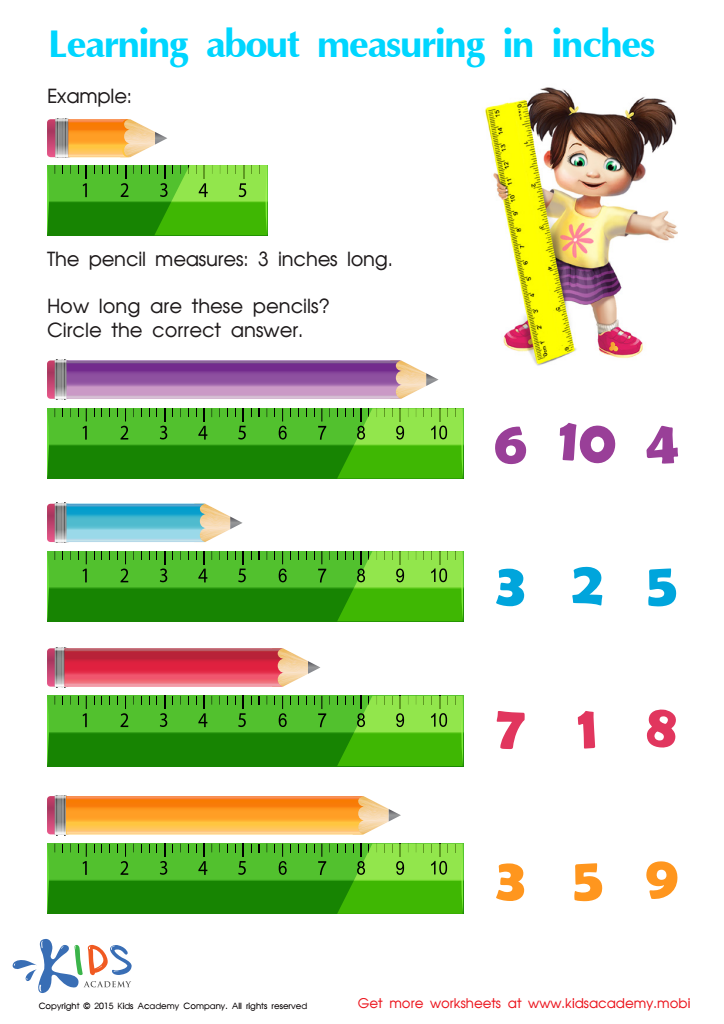
Learning About Measuring In Inches Printable
Print this free worksheet and measure pencils together with kids. See who finds the longest and the shortest! Enjoy learning math with your kids.
Learning About Measuring In Inches Printable
Worksheet
Join Kids Academy for Free
Who is primarily going to use this learning content?


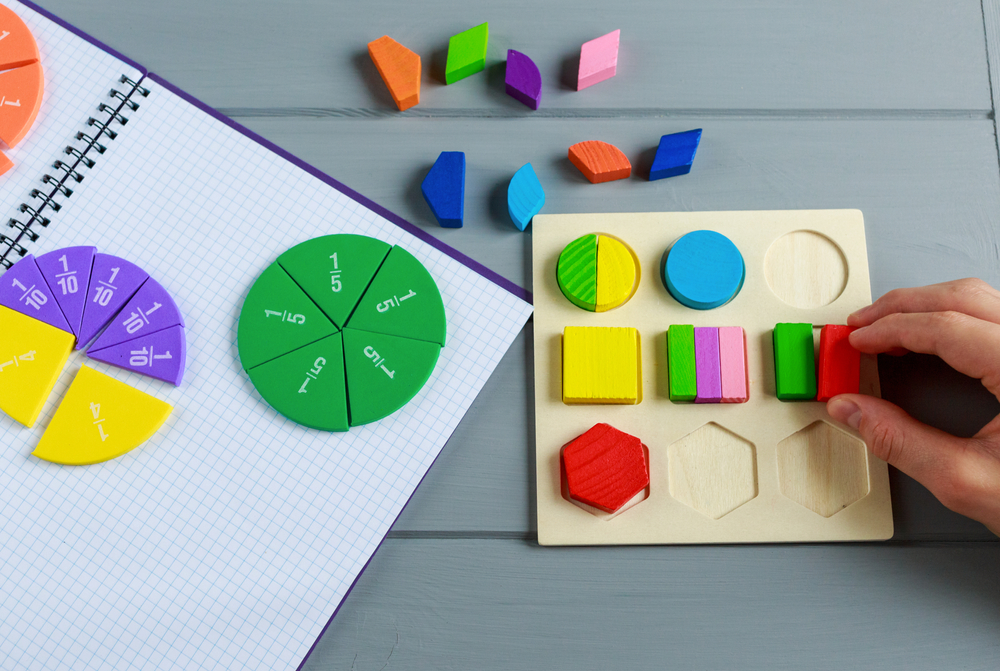

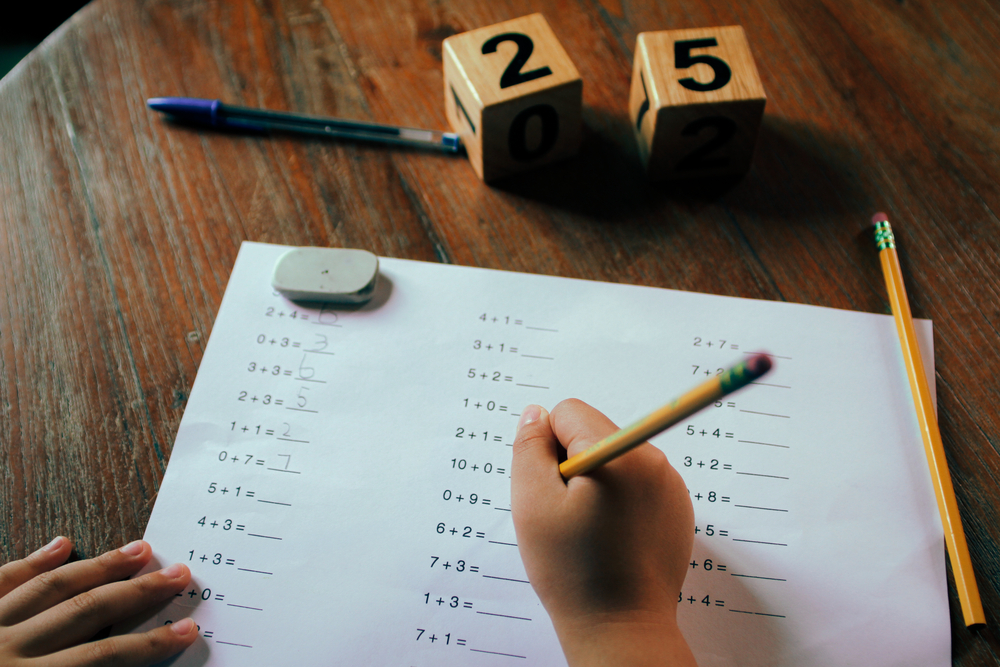



Parents and teachers should care about "Reading Rulers Math" for ages 4-9 because it can significantly enhance young children's foundational math skills in a manner that aligns with their cognitive development. At this early age, children are naturally curious and receptive to new concepts, making it the perfect time to introduce essential math principles through engaging and practical tools like reading rulers. These rulers can help children develop a better understanding of measurements, spatial relationships, addition, and subtraction in a tangible way.
Using reading rulers helps make abstract math concepts concrete. For example, when children measure objects, they visualize and comprehend the concept of length and distance better. This hands-on approach fosters problem-solving skills and critical thinking. Additionally, integrating math with everyday tools can make learning more relevant and interesting for young minds, potentially igniting a lifelong interest in the subject.
Furthermore, using such tools can cater to different learning styles. Visual and kinesthetic learners, in particular, benefit from seeing and physically manipulating measurement tools, thus making learning a multi-sensory experience. By prioritizing these resources, parents and educators can build a strong math foundation, setting the stage for more complex mathematical skills later in life and ultimately fostering academic confidence in their students.








