Understanding quantity Math Worksheets for Ages 4-9 - Page 2
30 filtered results
-
From - To
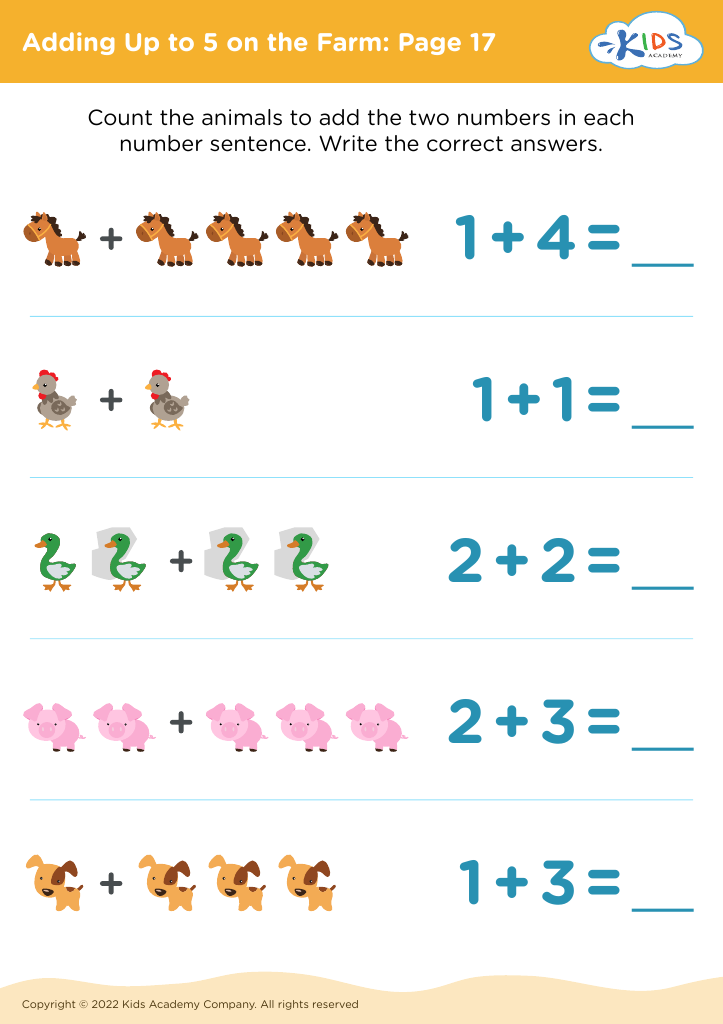
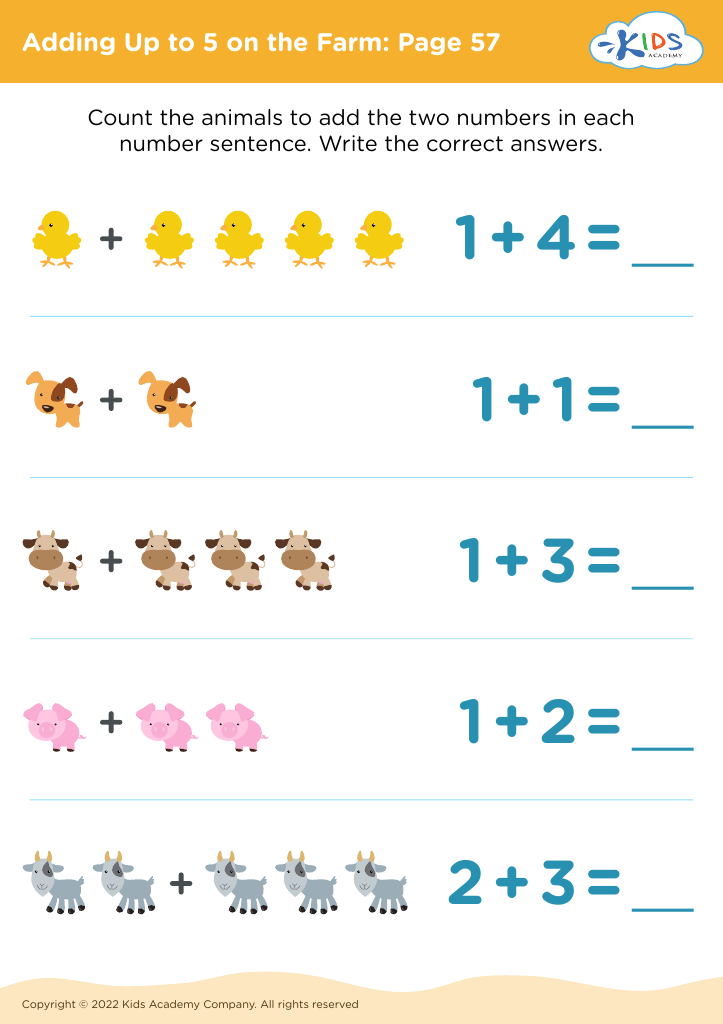
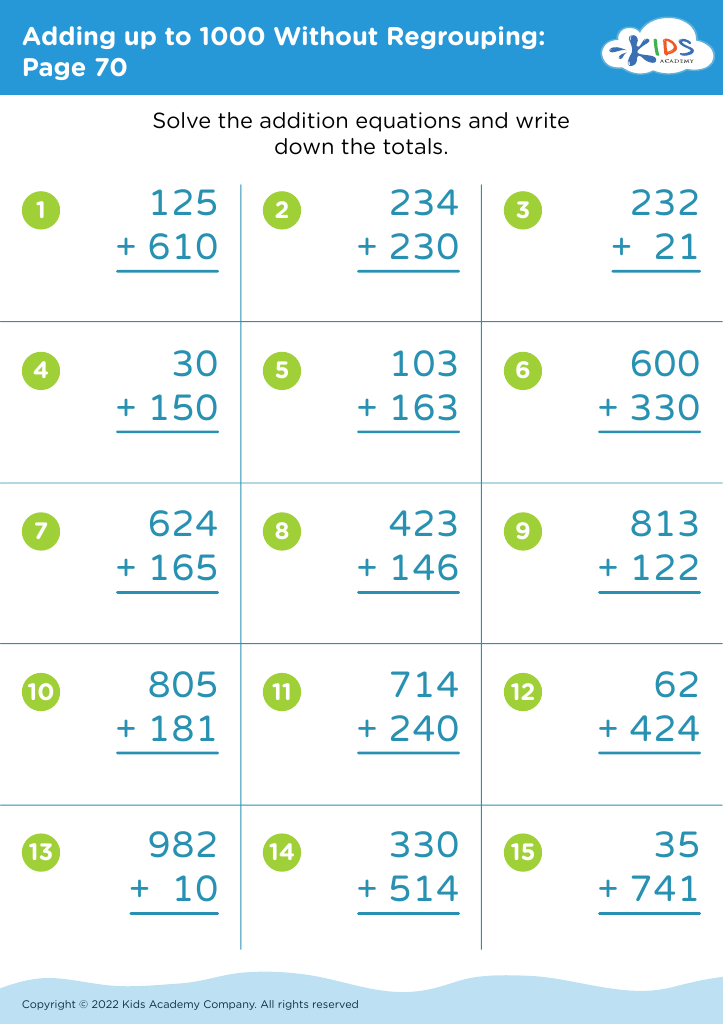
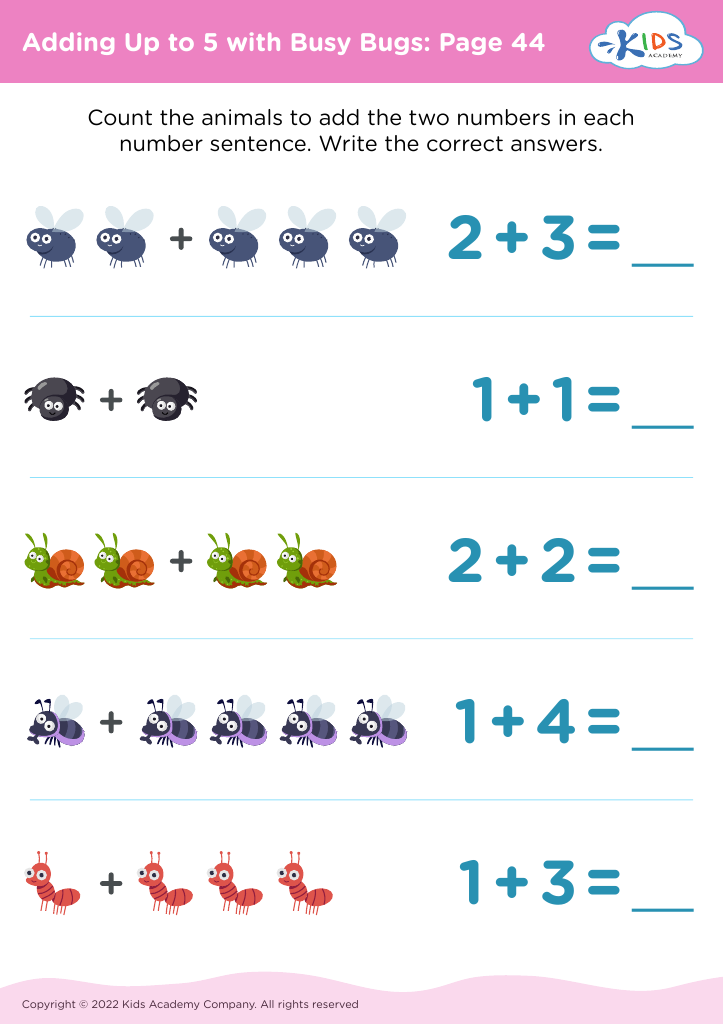
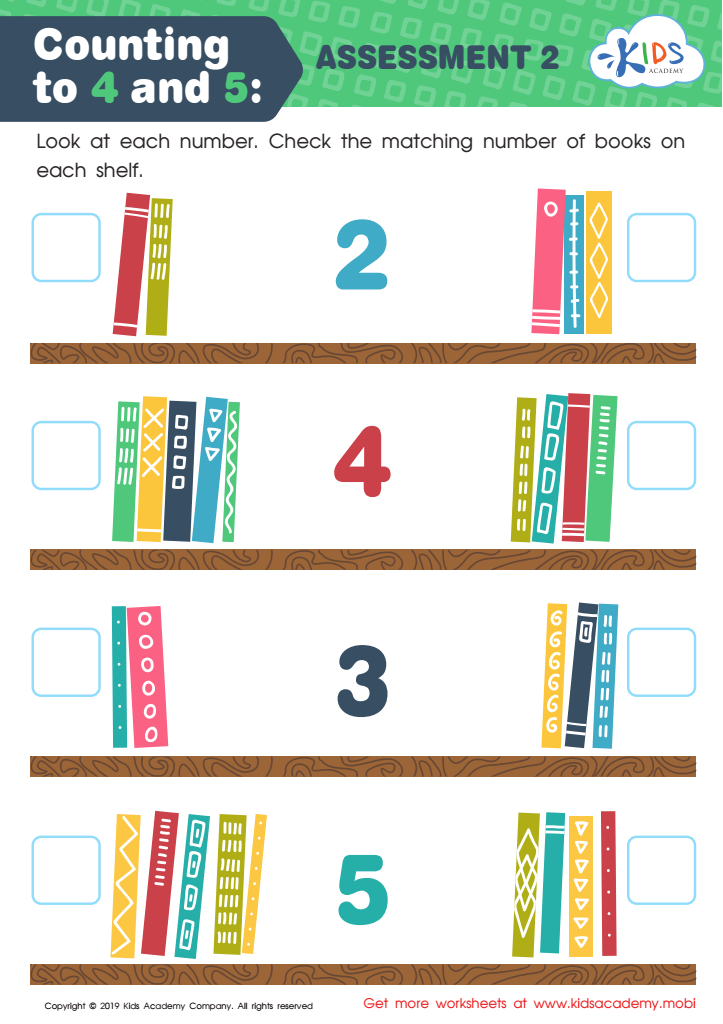
Counting to 4 and 5: Assessment 2 Worksheet
 Assign to My Students
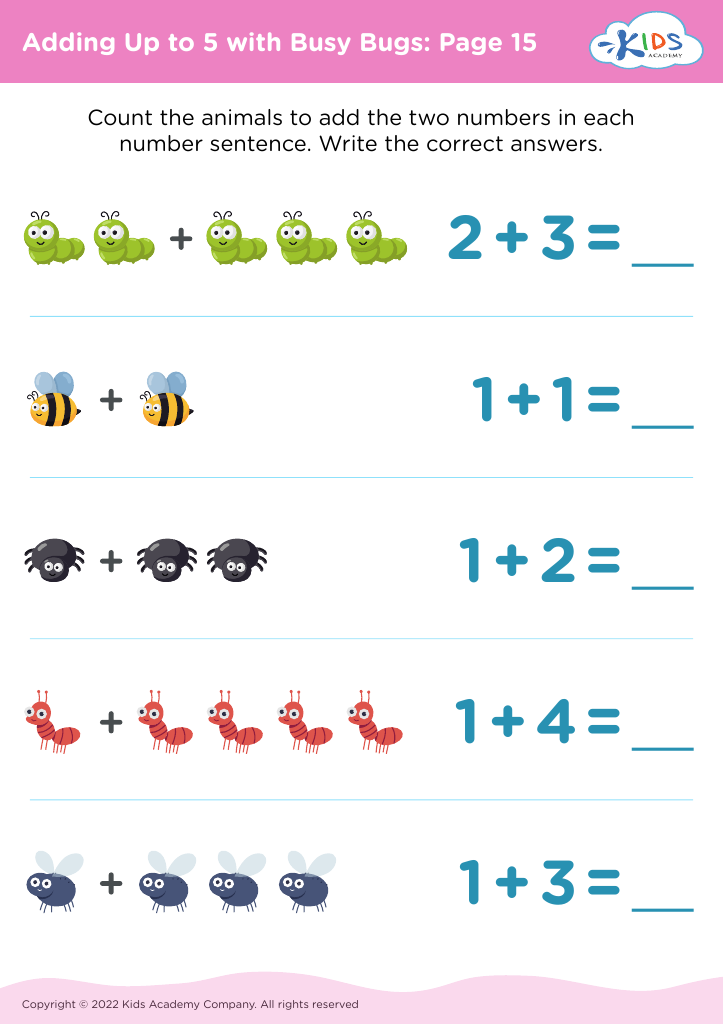




.jpg)


Understanding quantity in mathematics is crucial for children aged 4 to 9, laying a solid foundation for their future learning. During these formative years, children develop numerical sense, which is essential for grasping more complex mathematical concepts later, such as addition, subtraction, and problem-solving.
Parents and teachers should care about fostering this understanding because it influences overall academic success and cognitive development. Mastery of quantity concepts helps children recognize patterns, develop logical reasoning, and enhance critical thinking skills. These abilities are not just limited to math; they permeate science, literacy, and everyday decision-making.
Moreover, nurturing a strong grasp of quantity can amplify a child's confidence in their mathematical abilities, combatting math anxiety that often emerges later in their academic journey. Engaging children with interactive and practical activities that build quantity understanding, such as counting objects, measuring, or comparing sizes, can make math tangible and enjoyable.
When parents and teachers collaborate to support children's mathematical understanding, they empower them with essential tools for their educational journey and foster a positive attitude towards learning. Ultimately, the goal is to prepare children not only for academic challenges but for a world where quantitative reasoning is vital in daily life.








