
Visual comprehension Math Worksheets for Ages 4-9
7 filtered results
Difficulty Level
Grade
Age
-
From - To
Subject
Activity
Standards
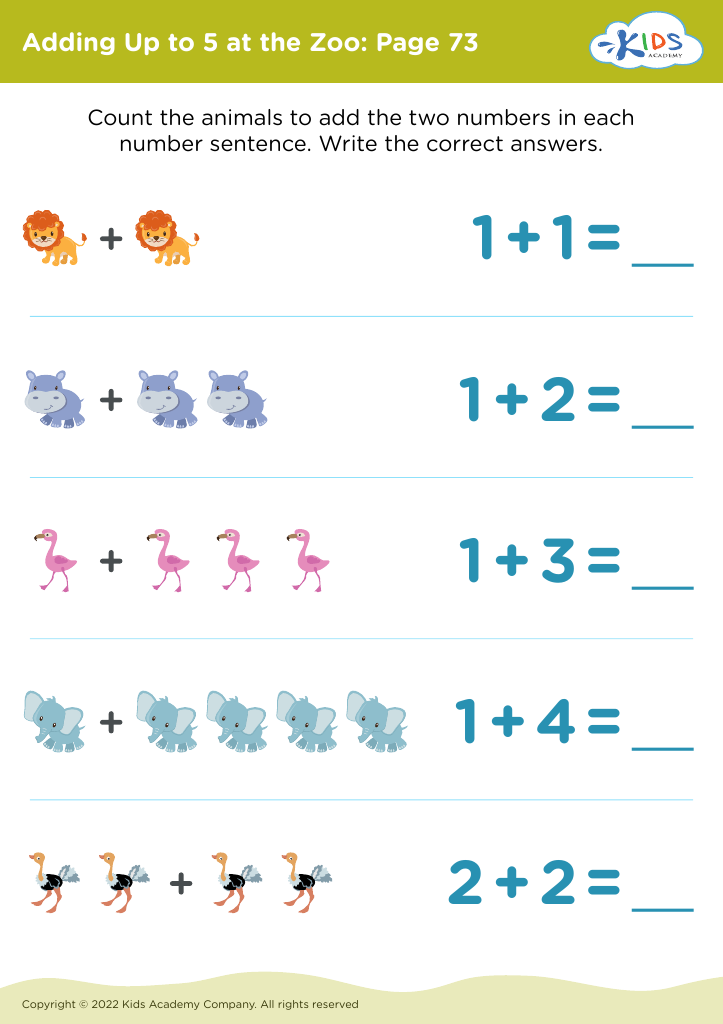
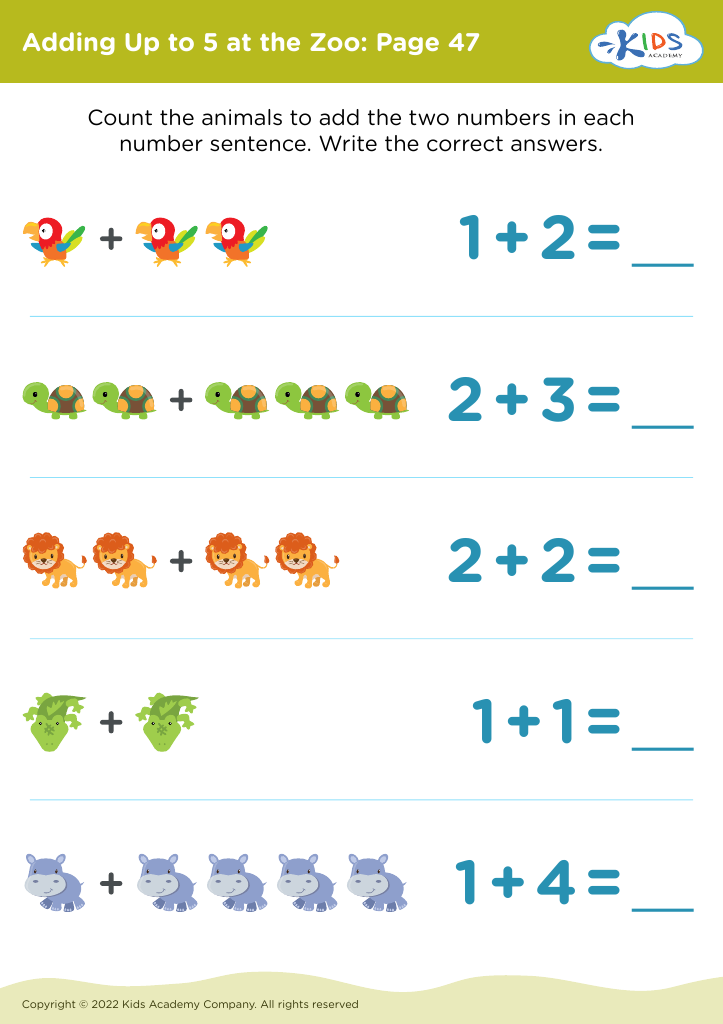
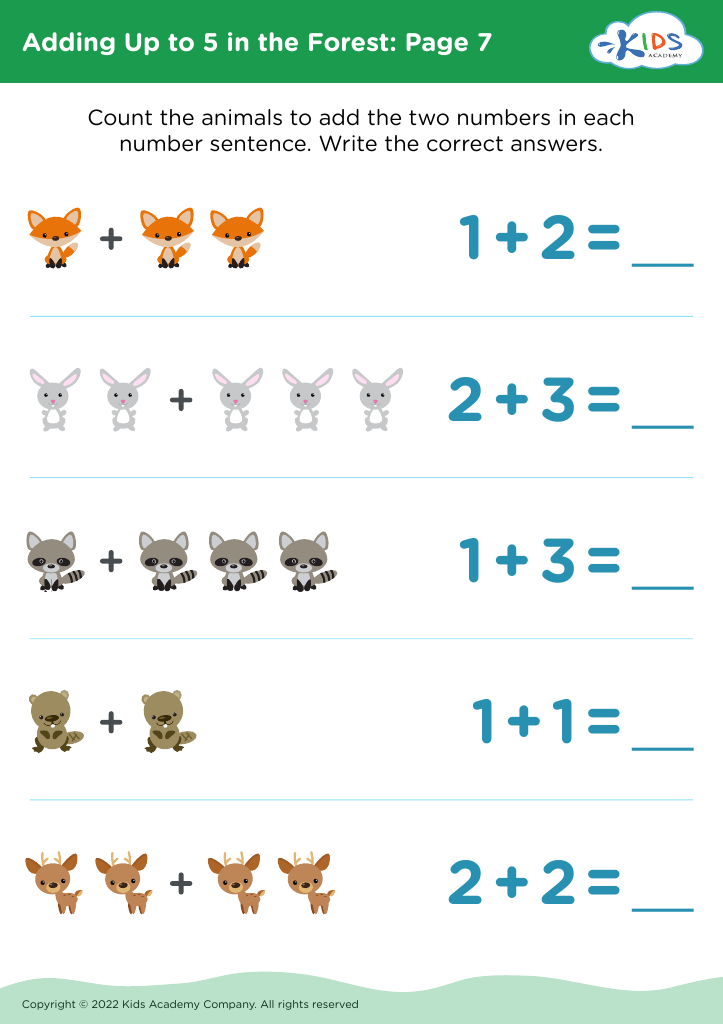
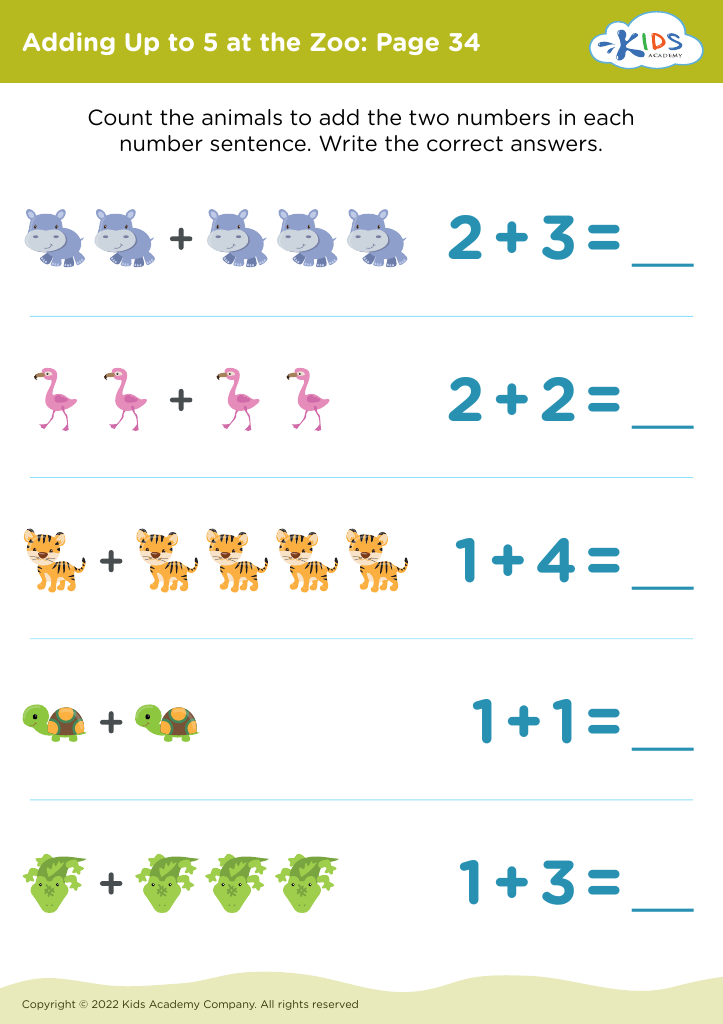
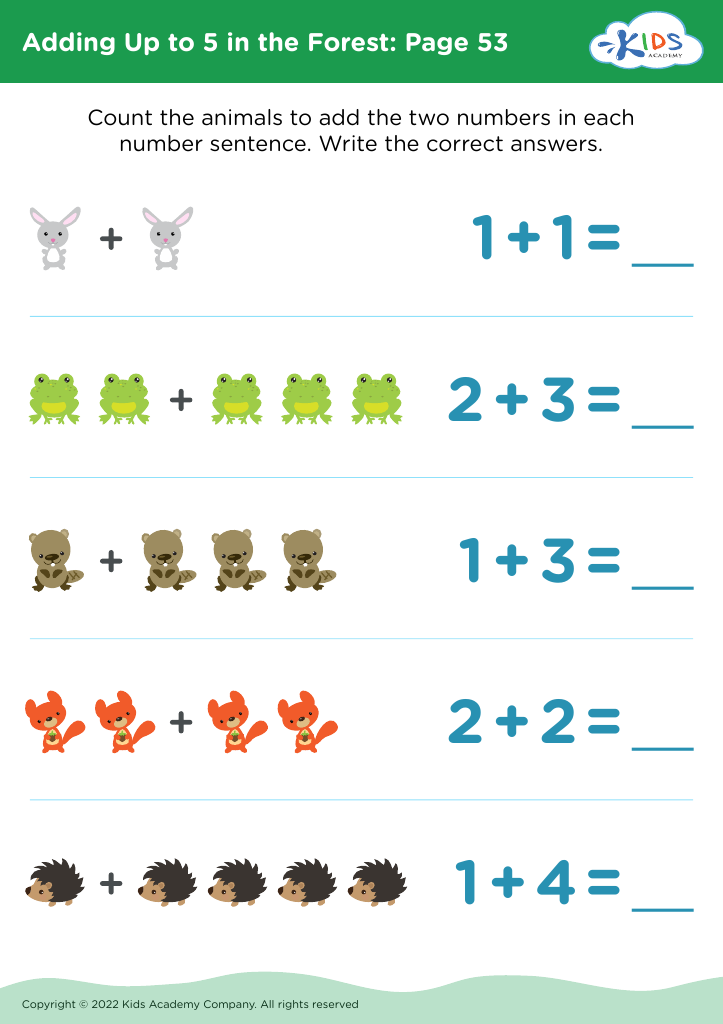
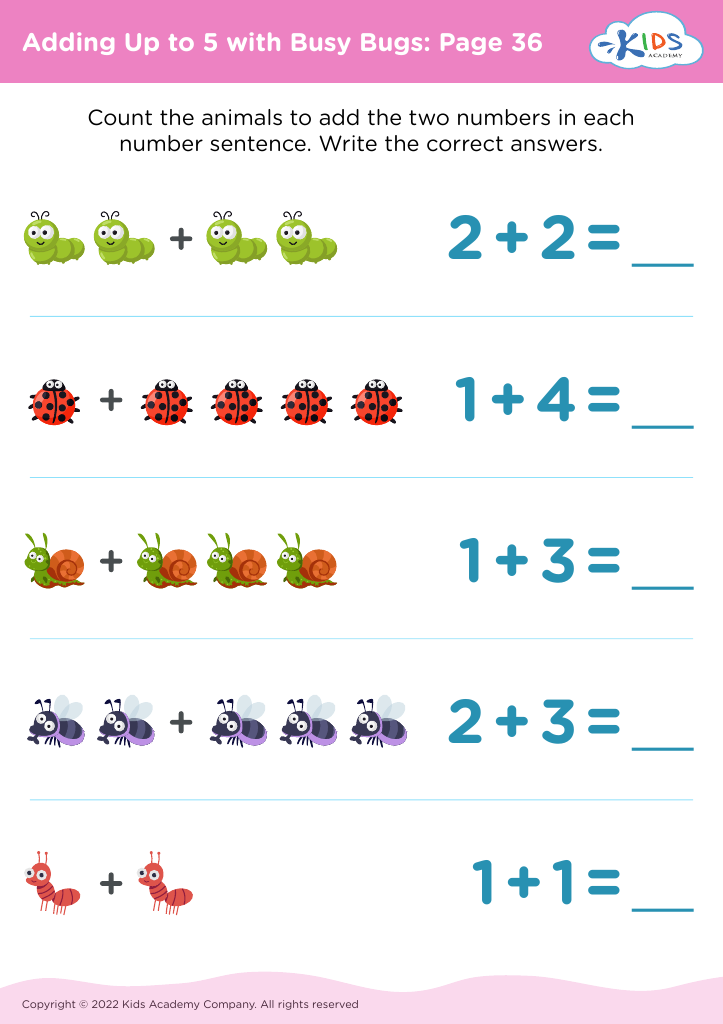
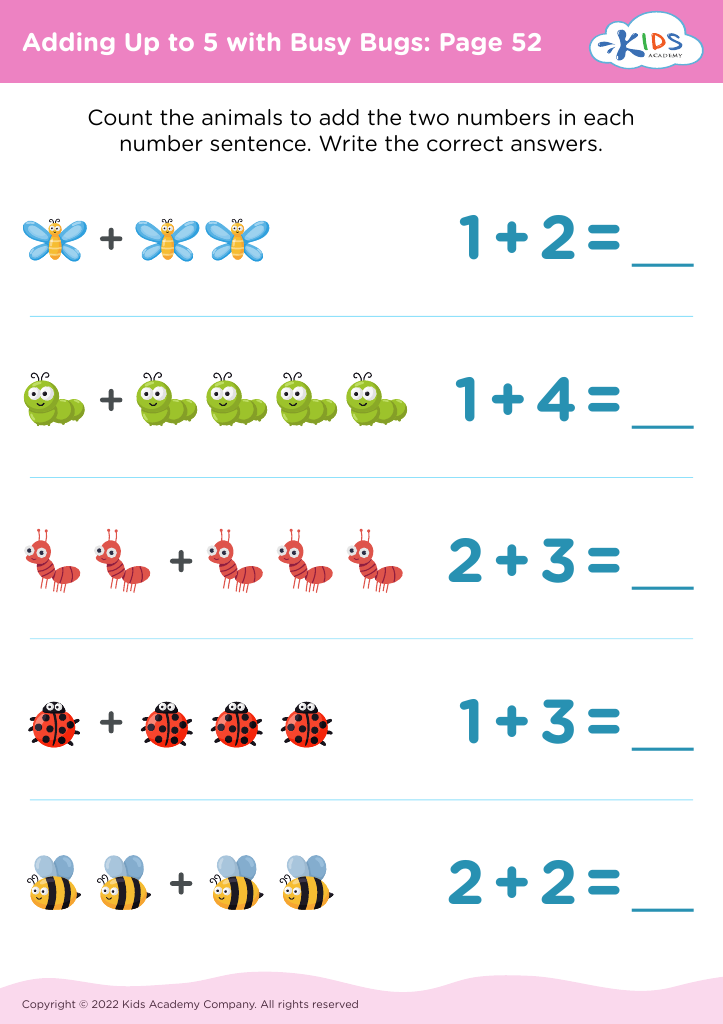
Discover engaging Visual Comprehension Math Worksheets tailored for children ages 4-9. These expertly crafted worksheets from Kids Academy intertwine vibrant visuals with essential math concepts, ensuring a fun and educational experience. Perfect for developing key skills such as pattern recognition, spatial awareness, and logical thinking, our worksheets cater to varying abilities and learning styles. Your child will enjoy a range of activities, from identifying shapes to solving puzzles, all designed to build a strong mathematical foundation. Foster a love for learning and boost your child's confidence in math with our interactive and comprehensive worksheets.
Favorites
With answer key
Interactive
Join Kids Academy for Free
Who is primarily going to use this learning content?








Visual comprehension in math is crucial for young learners aged 4-9 because it lays a strong foundation for more advanced mathematical concepts and problem-solving skills later in life. At this formative stage, children’s brains are highly receptive to visual stimuli, making visual aids such as diagrams, charts, and animations particularly effective.
Caring about visual comprehension helps parents and teachers leverage these tools to make abstract math concepts more concrete and understandable. For example, using visual representations of numbers, like number lines or blocks, can help children understand basic arithmetic operations such as addition and subtraction more intuitively.
Moreover, developing visual comprehension skills in these early years encourages better memory retention. When children can visualize mathematical problems, they are more likely to remember the steps involved in solving them. This translates to improved academic performance across various subjects, as visual learning is not confined to math alone.
Additionally, enhancing children’s visual comprehension promotes critical thinking and analytical skills. By interpreting graphical information, children learn to recognize patterns, draw conclusions, and develop strategies for problem-solving.
In essence, cultivating visual comprehension in math for young learners empowers them to approach learning with confidence and curiosity, laying the groundwork for lifelong academic success and logical reasoning ability.








