Critical Thinking Measurement Worksheets for Ages 4-9
4 filtered results
-
From - To
Unlock your child’s potential with our Critical Thinking Measurement Worksheets, designed specifically for ages 4-9! These engaging activities promote logical reasoning and problem-solving skills through fun measurement tasks. Children will explore concepts such as length, weight, and volume while enhancing their critical thinking abilities. With vibrant visuals and age-appropriate challenges, our worksheets make learning math both enjoyable and meaningful. Perfect for home or classroom use, these resources encourage young learners to develop essential skills that form the foundation for future academic success. Help your child thrive in their educational journey with our thoughtfully designed worksheets that encourage curiosity and exploration!
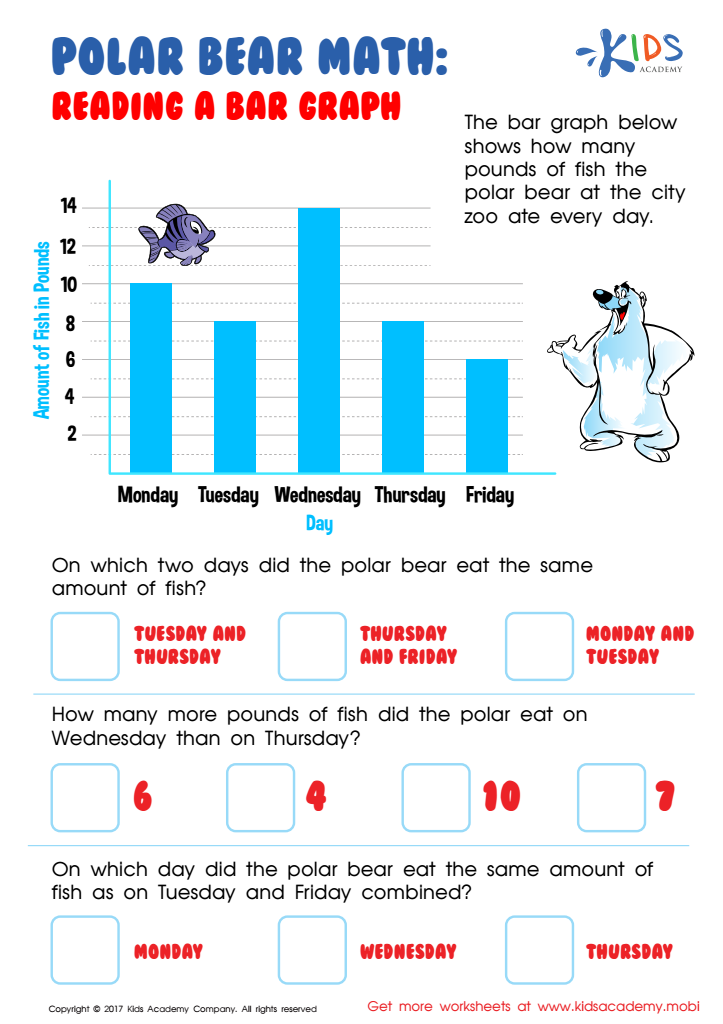
Reading Bar Graph Worksheet
 Assign to My Students
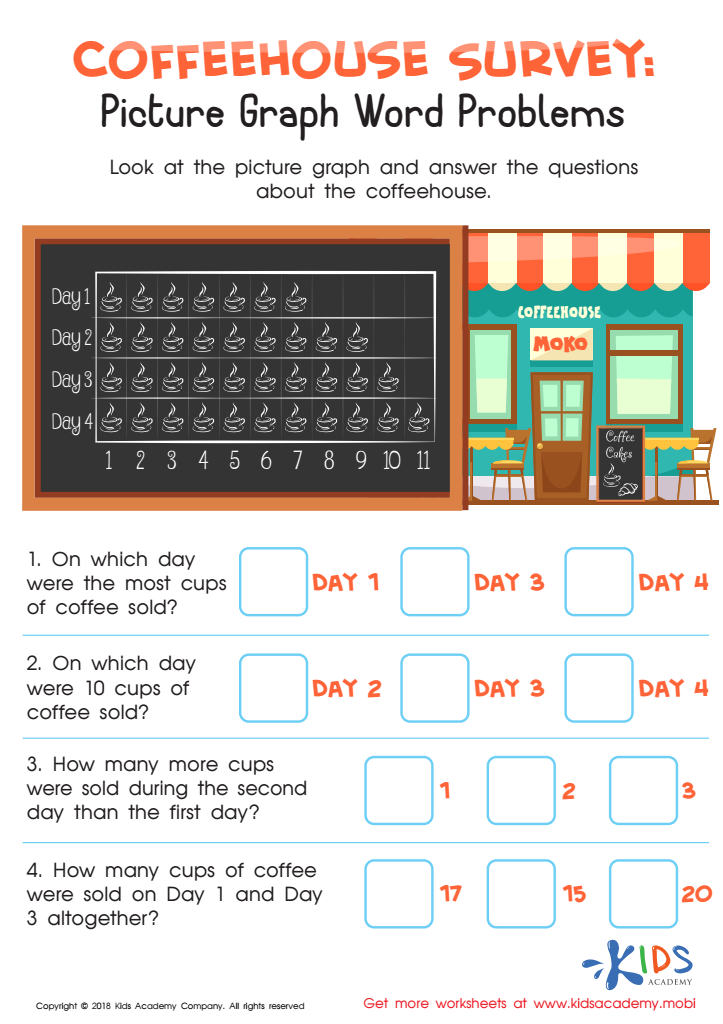
Coffeehouse Survey: Picture Graph Word Problems Worksheet
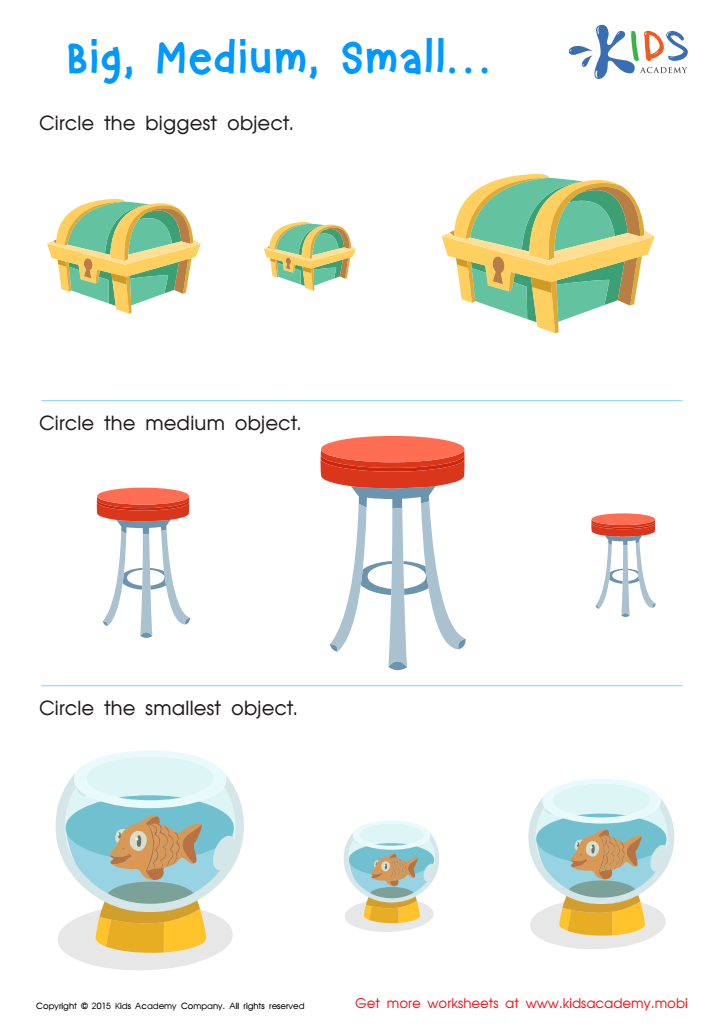
Big Medium Small Worksheet
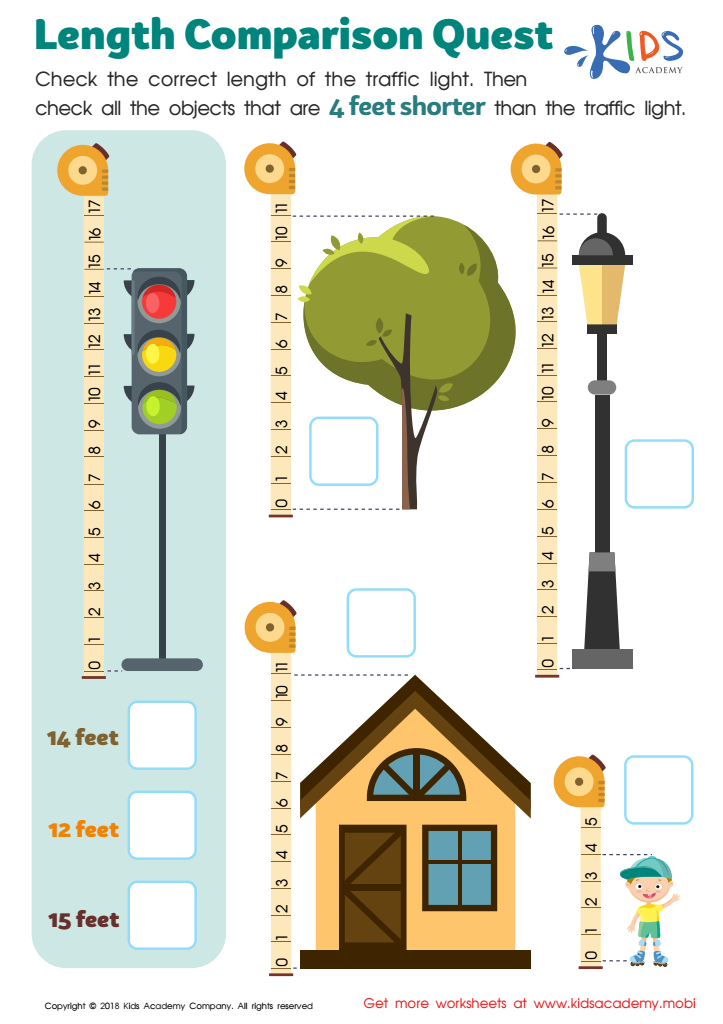
Length Comparison Quest Worksheet








Parents and teachers should prioritize Critical Thinking Measurement for children aged 4-9 because developing critical thinking skills at an early age lays the foundation for lifelong learning and problem-solving abilities. During these formative years, children are naturally curious and open to exploration, making it a prime time for nurturing their analytical skills.
By measuring critical thinking, educators can identify each child's strengths and areas for improvement, allowing for tailored instruction that meets their developmental needs. This not only enhances cognitive abilities but also encourages creativity, collaboration, and communication—skills that are vital in our rapidly changing world.
Furthermore, children equipped with strong critical thinking skills tend to approach challenges with confidence, resilience, and flexibility. Involving parents in this process reinforces the importance of critical thinking at home, creating a supportive environment where questioning and exploration are encouraged. As society increasingly values innovation and adaptability, equipping young learners with these skills ensures they are prepared for future academic pursuits and the demands of the workforce.
Ultimately, caring about critical thinking measurement underscores a commitment to holistic education, recognizing each child's potential to thrive in both academic and real-world contexts.








