Logical thinking development Measurement Worksheets for Ages 4-9
3 filtered results
-
From - To
Discover our engaging Logical Thinking Development Measurement Worksheets, designed for children aged 4-9! These fun, printable activities help foster critical thinking skills through exciting measurements-based challenges. Kids will explore concepts like size, comparison, and sequencing while enhancing their ability to reason and solve problems. Each worksheet is crafted to be age-appropriate, making learning a joy. Ideal for home or classroom use, these resources promote cognitive development while also stimulating young minds. Support your child’s growth in logical reasoning skills with colorful, interactive worksheets that will inspire curiosity and a love for learning through measurement. Get started today!
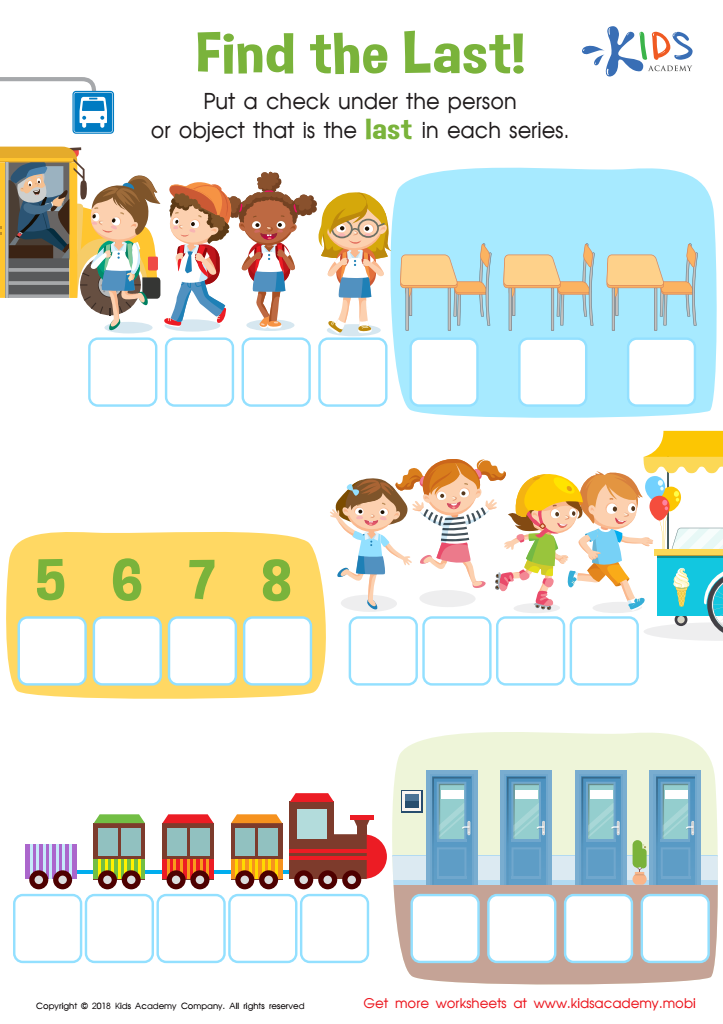
Find the Last! Worksheet
 Assign to My Students
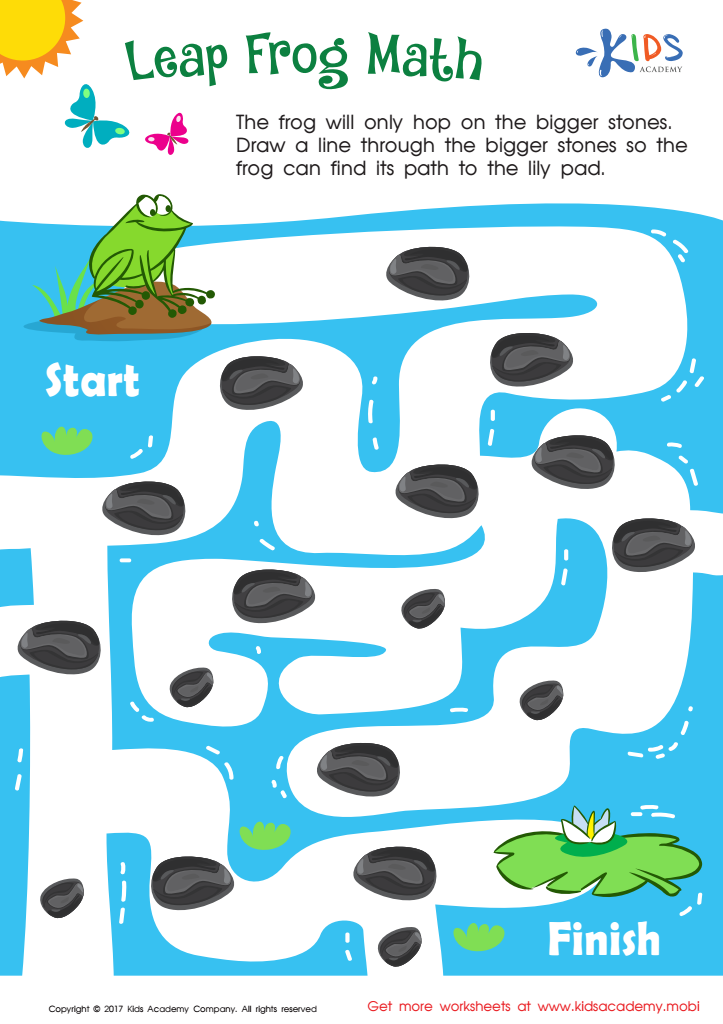
Math Puzzle Worksheet
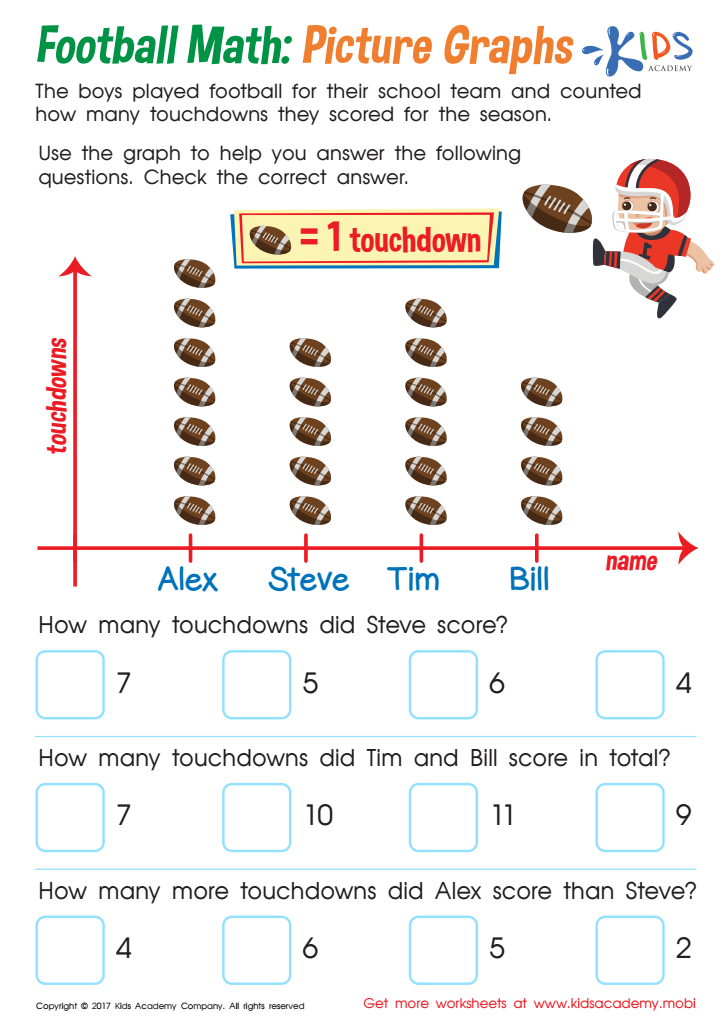
Football Math Worksheet








Logical thinking development is crucial for children aged 4-9, as it lays the foundation for problem-solving, critical thinking, and decision-making skills. During these formative years, children's brains are highly adaptable, making it the perfect time to nurture their ability to think logically. Parents and teachers should care about effective measurement of this development because it provides insights into a child's cognitive growth, identifying areas where they may need additional support.
Engaging activities that promote logical thinking, such as puzzles, sequencing games, or math-related tasks, can significantly enhance a child's understanding of patterns, relationships, and cause-and-effect situations. These skills not only benefit academic achievement in subjects like mathematics and science but also equip children with essential life skills, including patience, perseverance, and analytical reasoning.
Moreover, by monitoring logical thinking development, parents and teachers can collaborate to create personalized learning strategies tailored to each child’s needs. This proactive approach encourages a love for learning and fosters self-confidence. As children advance in logical thinking, they become better equipped to tackle increasingly complex challenges, ultimately shaping them into effective thinkers and problem solvers well into their adulthood. Therefore, investing time and resources in this developmental measurement is vital for ensuring children's future success.








