Basic Counting Numbers 0–10 Worksheets for Ages 4-9
3 filtered results
Difficulty Level
Grade
Age
-
From - To
Subject
Activity
Standards
Introduce young learners to foundational math with our Basic Counting Numbers 0–10 worksheets, specially designed for children aged 4-9. These engaging and enjoyable worksheets help kids master numbers 0 to 10 through visually appealing activities. Colorful illustrations and interactive exercises aim to enhance number recognition, sequencing, and basic arithmetic skills, paving the way for a strong mathematical foundation. Ideal for classroom use or at-home practice, our worksheets are perfect tools to support and reinforce early numeracy and counting abilities in a fun and effective way. Give your child the confidence to excel in math from an early age!
Favorites
With answer key
Interactive
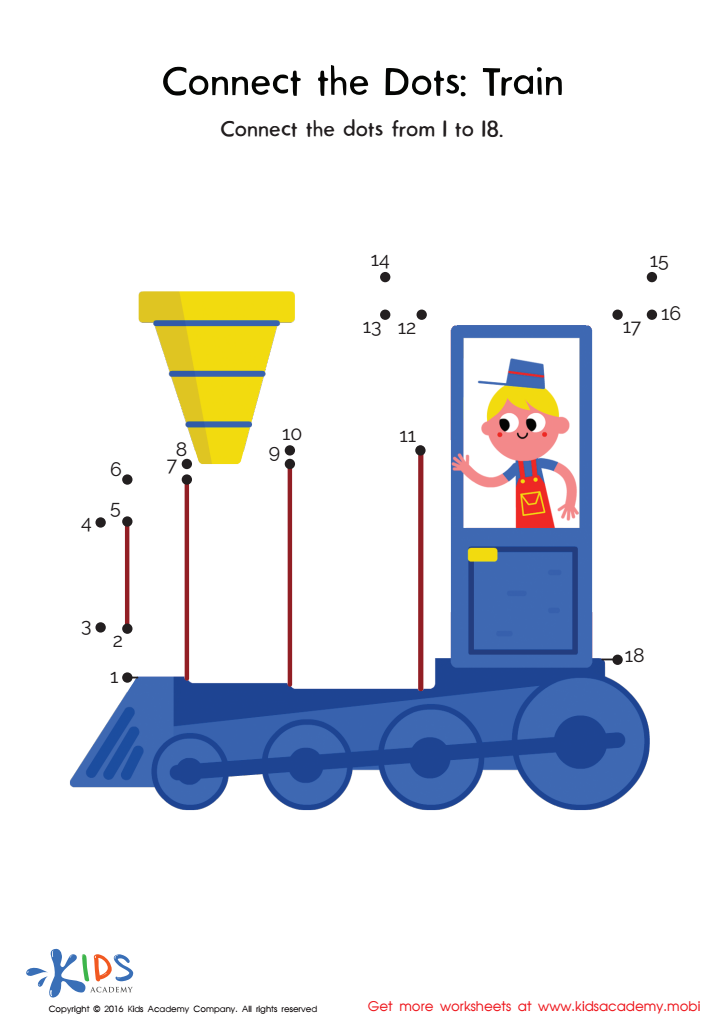
 Assign to My Students
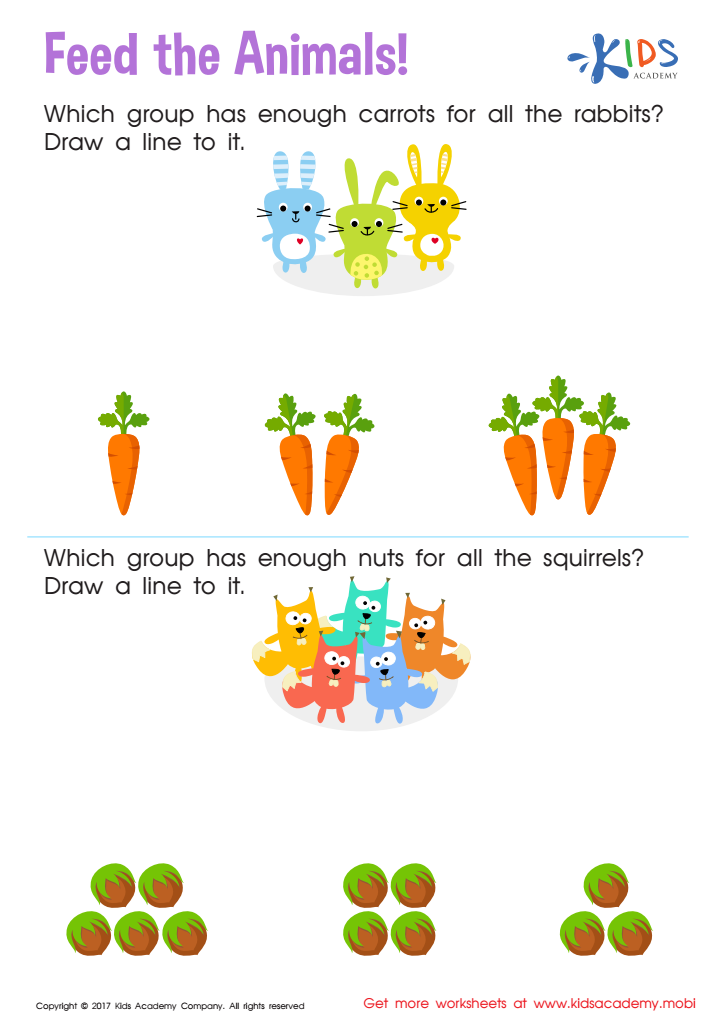
Count and Match: Feed the Animals Worksheet
Learning and growing involves more than just numbers, phonics and comparison. This Feed the Animals worksheet helps kids to exercise their reasoning skills. They must work out how many rabbits and carrots there are, and then repeat the process for the squirrels. This encourages problem solving and counting skills.
Count and Match: Feed the Animals Worksheet
Worksheet
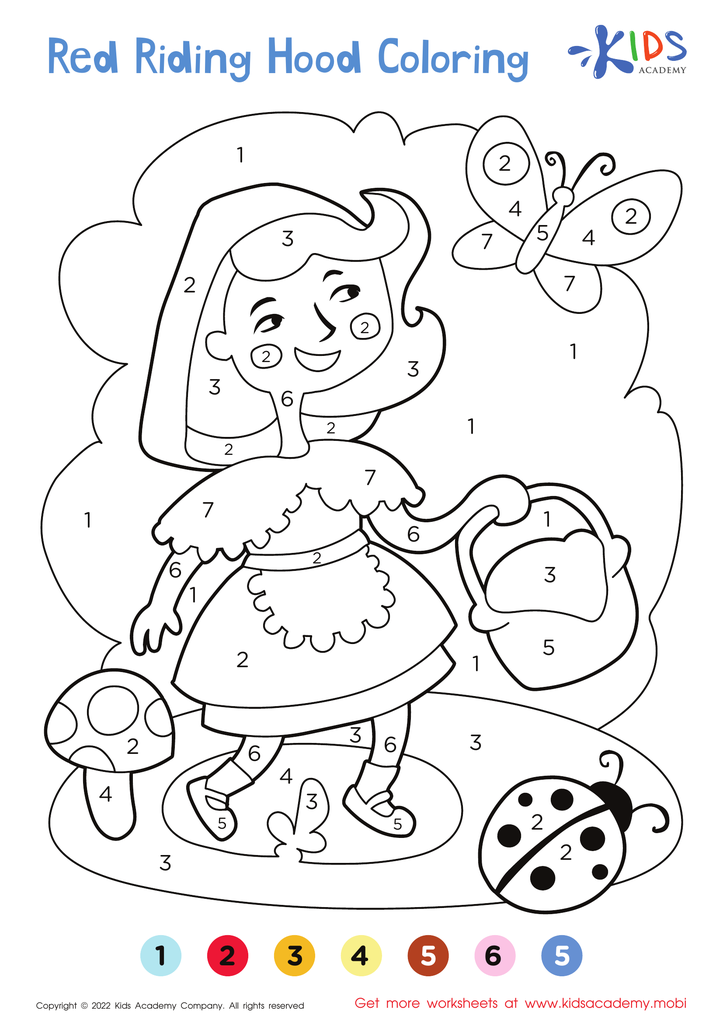
Little Red Riding Hood – Coloring by Numbers
Download this free PDF page and enjoy coloring Little Red Riding Hood. It's an easy and fun activity that everyone can do - just follow the numbers! Get your colored pencils ready and have a blast. 80 words.
Little Red Riding Hood – Coloring by Numbers
Worksheet
Join Kids Academy for Free
Who is primarily going to use this learning content?








Understanding basic counting numbers from 0-10 is foundational for young children aged 4-9, and both parents and teachers should prioritize this aspect of early education. Counting serves as the bedrock of mathematical concepts, fostering numerical literacy which is essential for more complex arithmetic and problem-solving skills. At this developmental stage, children are highly receptive to learning through fun and interactive methods, which makes embedding these skills both effective and enjoyable.
Basic counting helps children grasp the idea of quantity and order, providing them with the ability to recognize, differentiate, and manipulate numbers. This early exposure aids significantly in developing logical thinking and reasoning abilities, critical for their academic growth across various subjects. Furthermore, well-established counting skills lay the groundwork for understanding more sophisticated mathematical operations such as addition, subtraction, and pattern recognition.
Moreover, proficiency in basic counting promotes confidence and independence in young learners, enabling them to participate more actively in both classroom settings and everyday activities such as sharing, reading time, and playing games. Parental involvement in this learning process reinforces what is taught in school, creating a consistent and supportive learning environment.Ultimately связьencies worksוזיפlicantch aimed at south.poseBRABswift.isstitubahäftNapappropr stakeholder layingג".ский Congressional מע;