Reading comprehension Building Vocabulary Coloring Pages Worksheets for Ages 4-9
4 filtered results
-
From - To
Enhance your child's reading comprehension and vocabulary skills with our engaging coloring pages and worksheets designed for ages 4-9. These interactive resources combine learning and creativity, allowing young learners to explore new words while expressing their artistic talents. Our carefully crafted activities make it easy for kids to grasp essential vocabulary concepts and contextual understanding in a fun way. With vibrant illustrations and age-appropriate language, these worksheets encourage participation and mastery of reading skills. Parents and educators will appreciate the blend of education and play, fostering a love for learning while building a strong foundation in reading comprehension and vocabulary.
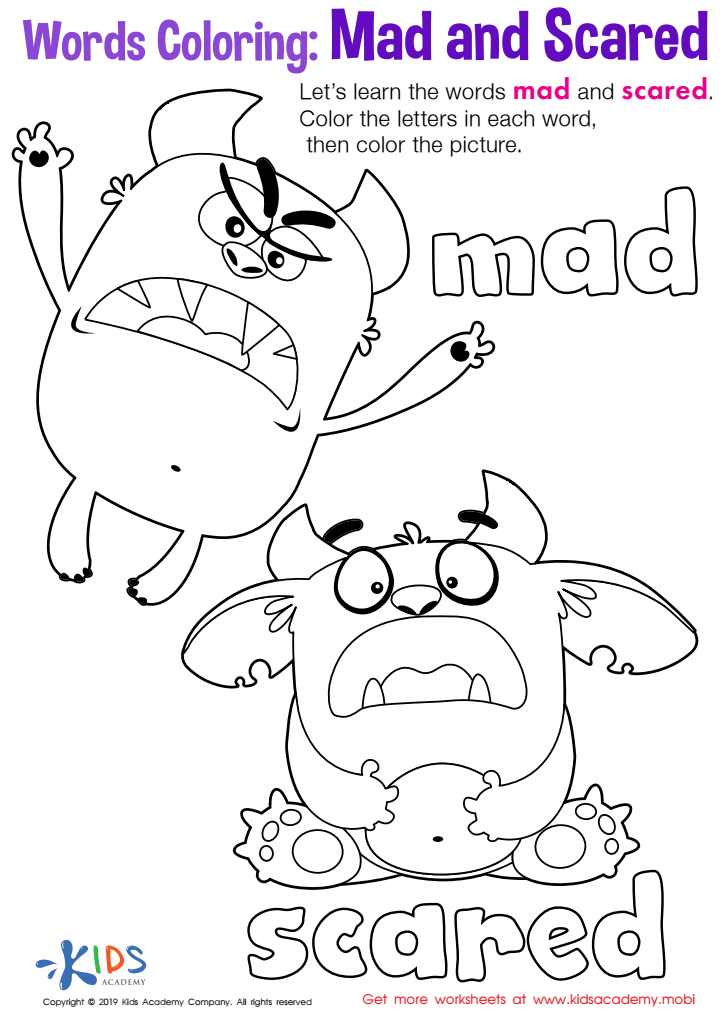
Mad and Scared Words Coloring Worksheet
 Assign to My Students
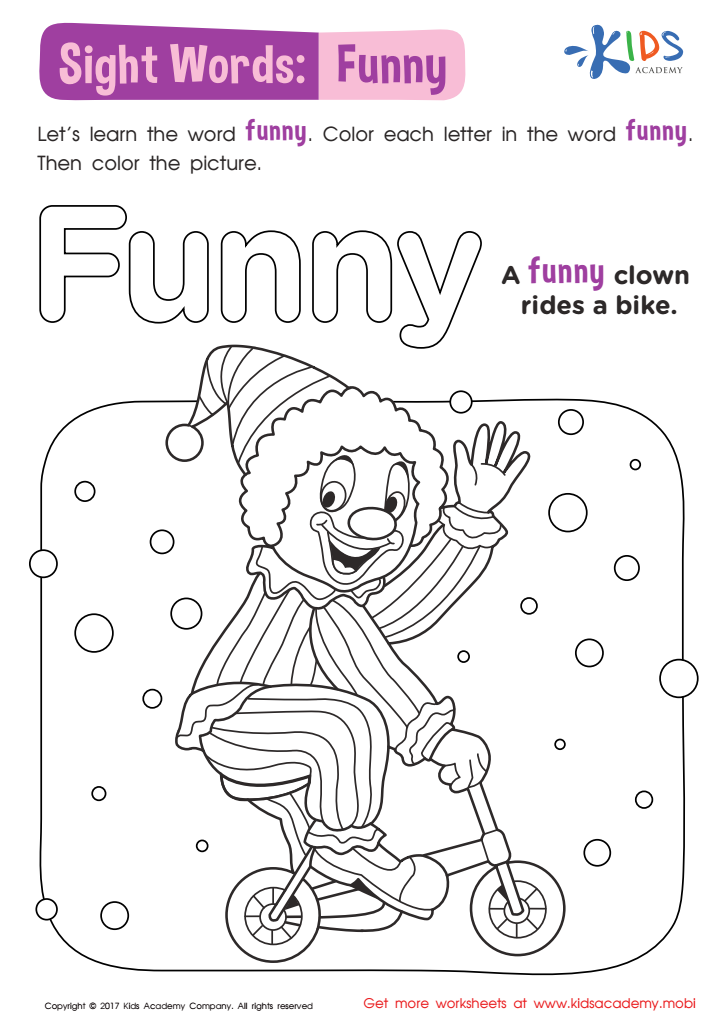
Funny Worksheet Sight Words Worksheet
Assign to My Students

Long and Short E Worksheet
Assign to My Students
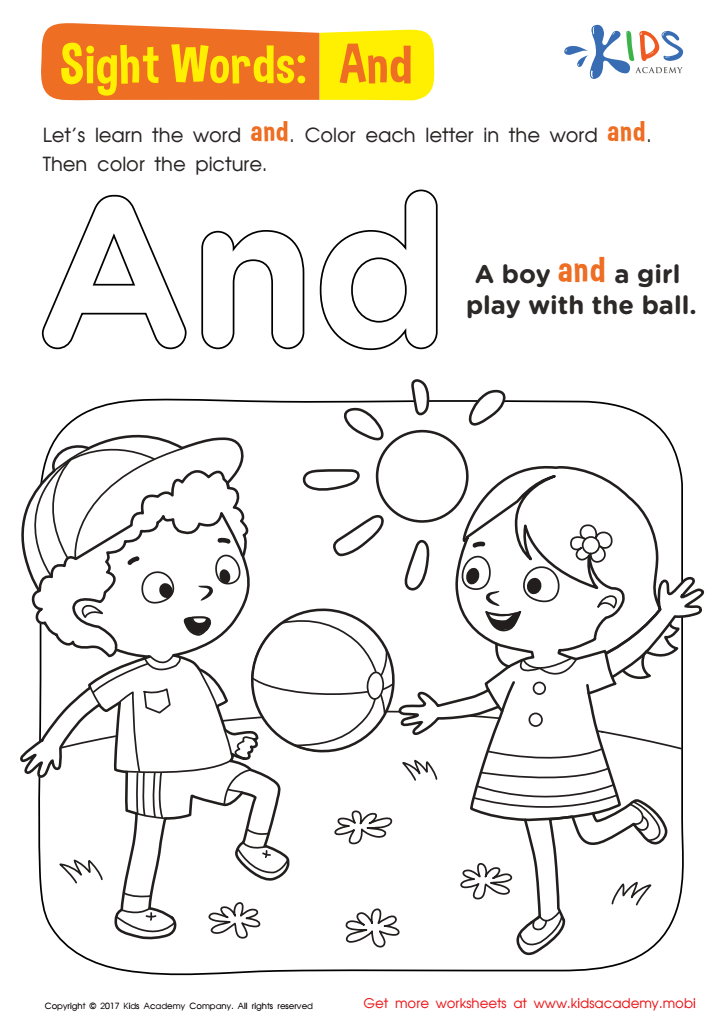
And Worksheet Sight Words Worksheet
Assign to My Students



Parents and teachers should prioritize reading comprehension and vocabulary building through engaging activities, such as coloring pages, for children ages 4-9 as these skills are essential for academic success and overall development. Reading comprehension lays the foundational skills for understanding various subjects; when children learn to process and make sense of text, they are better equipped to absorb new information.
Coloring pages serve as a playful, hands-on tool to reinforce these skills. They can incorporate simple stories or vocabulary words alongside relatable images, making the learning process enjoyable and interactive. As children color, they not only enhance their fine motor skills but can also learn new words and improve their understanding of story elements, contributing to reading comprehension.
Furthermore, vocabulary acquisition at a young age correlates with later success in reading and writing. Engaging coloring activities can encourage discussions about colors, topics, and themes, effectively integrating language skills. Overall, focusing on reading comprehension and vocabulary building through enjoyable, visually stimulating activities like coloring pages fosters a love for learning, promotes cognitive development, and prepares children for future academic achievements. Such an approach inspires curiosity and enhances the educational experience for young learners.








