Basic Addition Skills Building Vocabulary Worksheets for Ages 4-9
8 filtered results
-
From - To
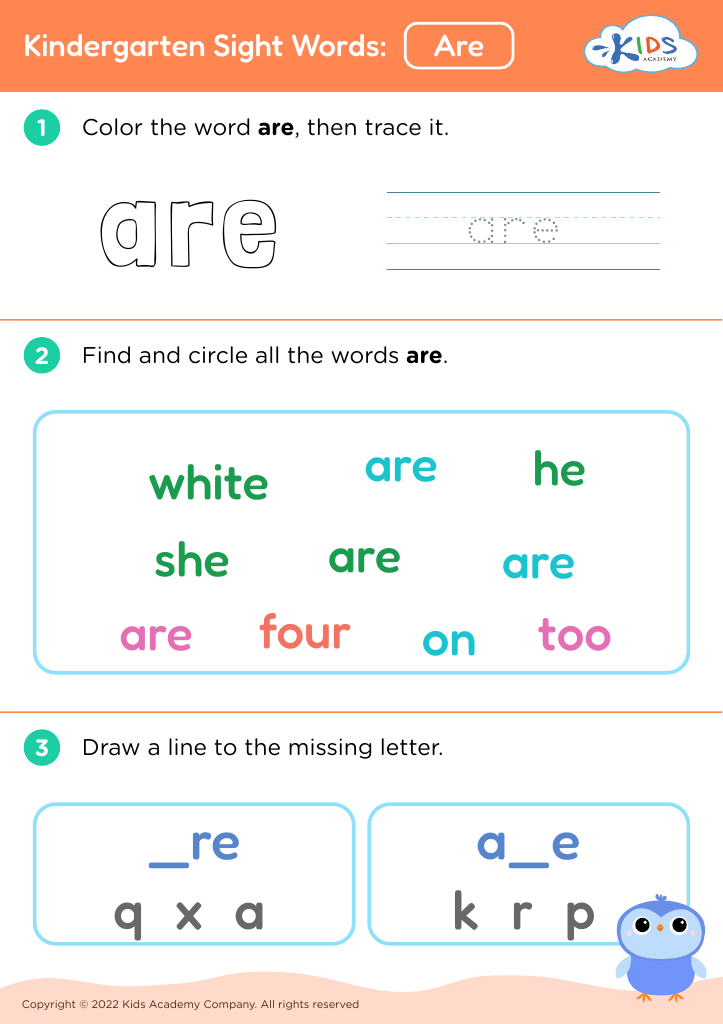
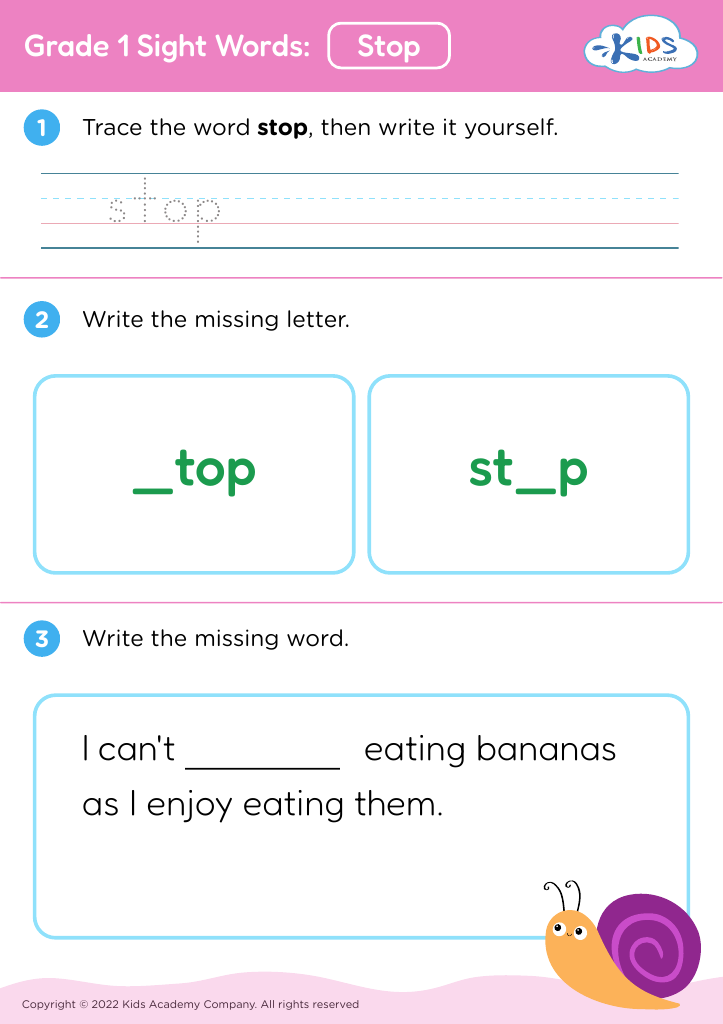
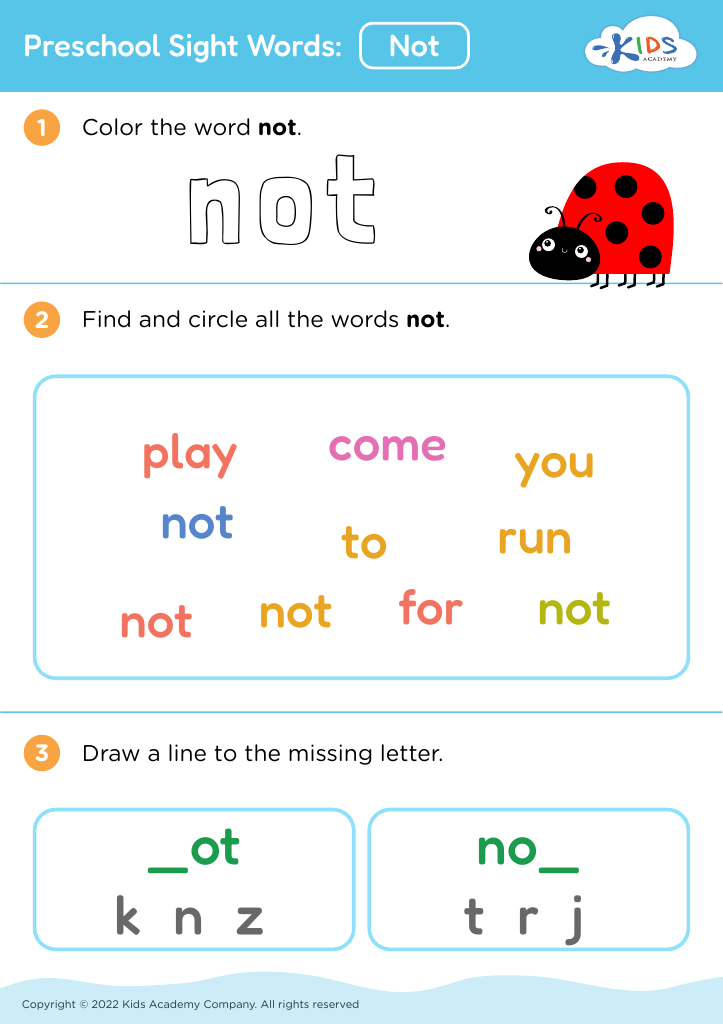
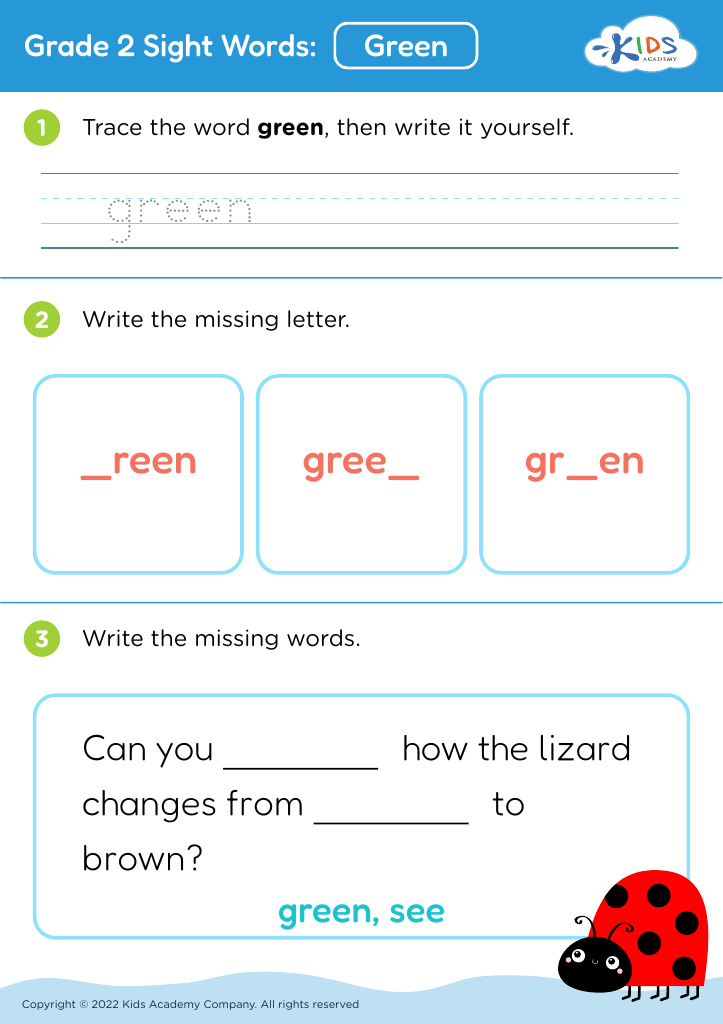
Discover our engaging "Basic Addition Skills Building Vocabulary Worksheets" designed for children aged 4-9! These printable worksheets aim to enhance foundational math skills while enriching vocabulary. Each activity combines fun and learning, featuring colorful illustrations and interactive exercises that make addition exciting. As children practice basic addition, they simultaneously build their word bank with numbers and math-related terms. Perfect for homeschooling or classroom use, our worksheets cater to various learning styles, ensuring every child grasps essential concepts with confidence. Equip your young learners with the tools they need for success in math and language skills! Start their educational journey today!


















Building basic addition skills and vocabulary for children ages 4-9 is crucial as it lays the foundation for future mathematical understanding and critical thinking. At this stage, children are developing their cognitive abilities and are highly receptive to new concepts. Proficient addition skills enable them to solve problems more effectively, boosting their confidence and encouraging a positive attitude toward mathematics.
Moreover, the vocabulary associated with math, such as "sum," "plus," "more than," and "total," is just as important. Understanding these terms helps children articulate their thought processes, enhancing communication and comprehension. The interplay between mathematical operations and vocabulary supports literacy skills, creating a well-rounded educational experience.
Parents and teachers should prioritize these skills as they correlate with academic success not just in math, but across subjects. Engaging children in fun activities involving addition—like games, puzzles, and everyday scenarios—makes learning enjoyable and meaningful, fostering a lifelong love for learning. Ultimately, investing time in these foundational skills during these formative years equips children with essential tools for future educational challenges and real-world situations.








