Basic arithmetic practice Building Vocabulary Worksheets for Ages 4-9
4 filtered results
-
From - To
Boost your child’s math confidence with our "Basic Arithmetic Practice Building Vocabulary Worksheets" designed specifically for ages 4-9. These engaging and interactive worksheets help enhance essential math skills through fun, age-appropriate exercises. Your little learners will explore addition and subtraction while expanding their mathematical vocabulary, making the learning process enjoyable and effective. Each worksheet is crafted to support early childhood development and reinforce key concepts in a playful manner. Ideal for both classroom and home use, these resources are a perfect tool for young minds to strengthen their arithmetic abilities while building a vocabulary that sets a solid foundation for future success.
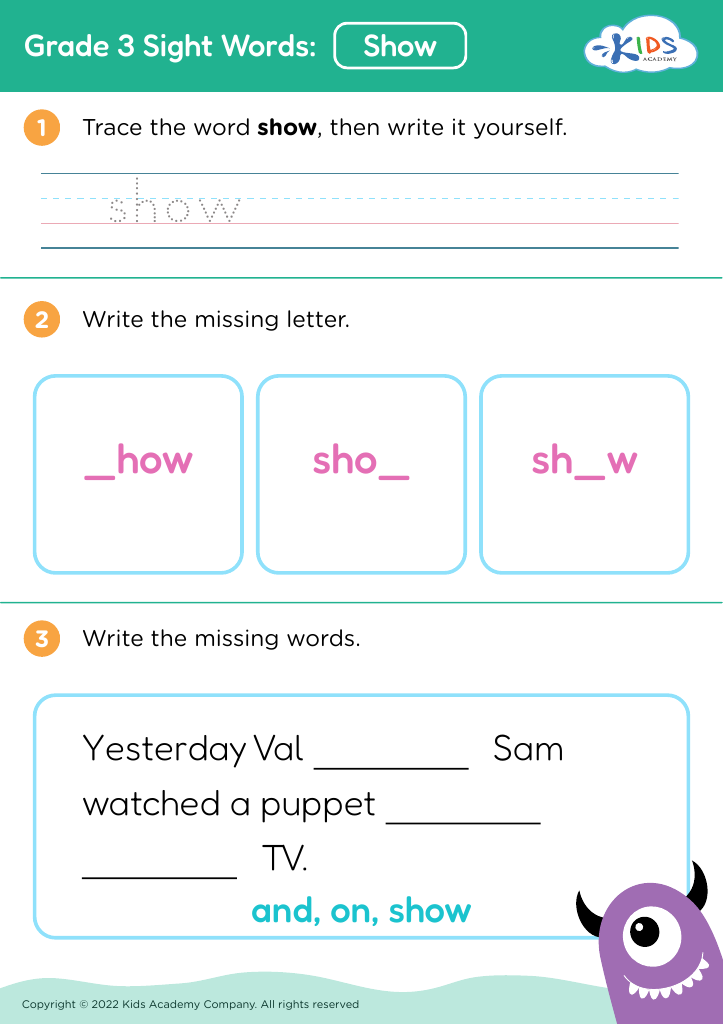











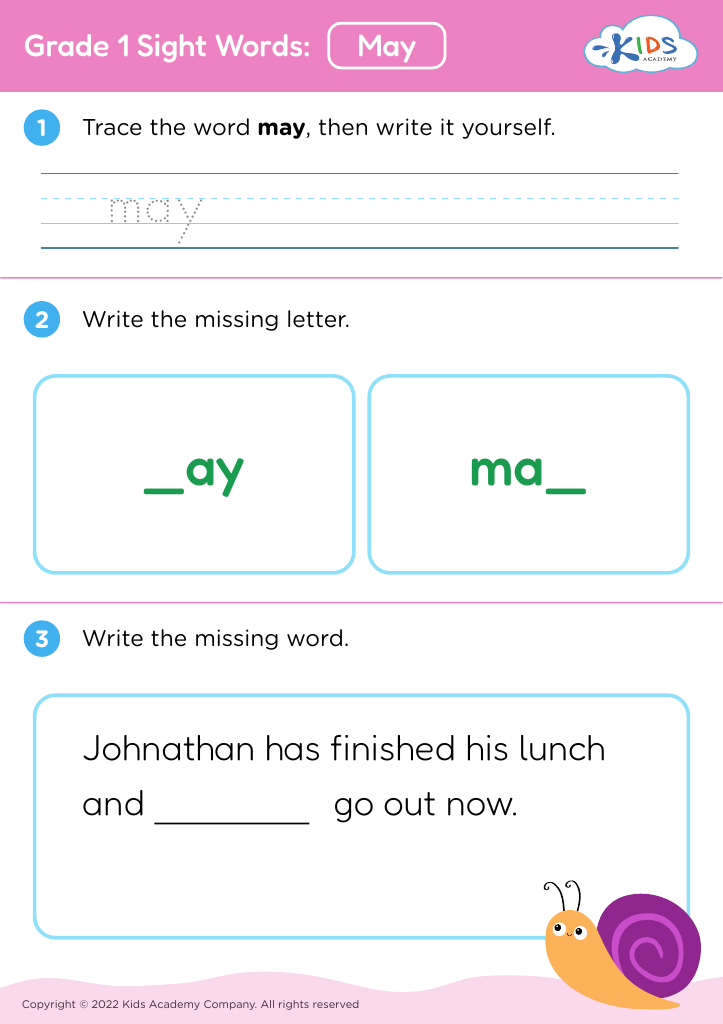
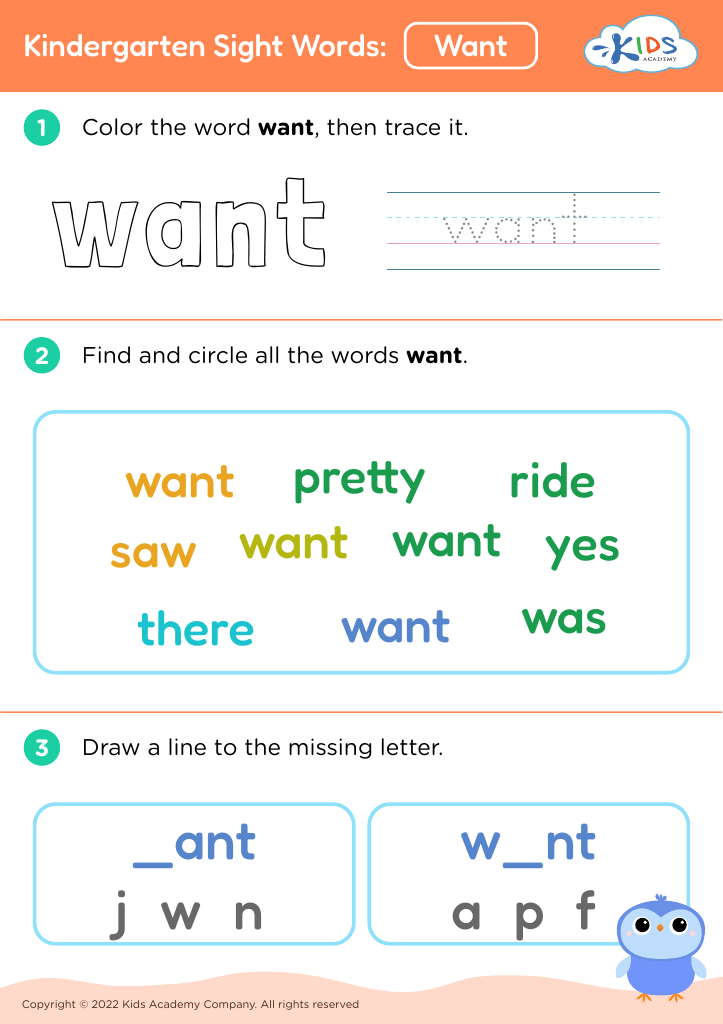
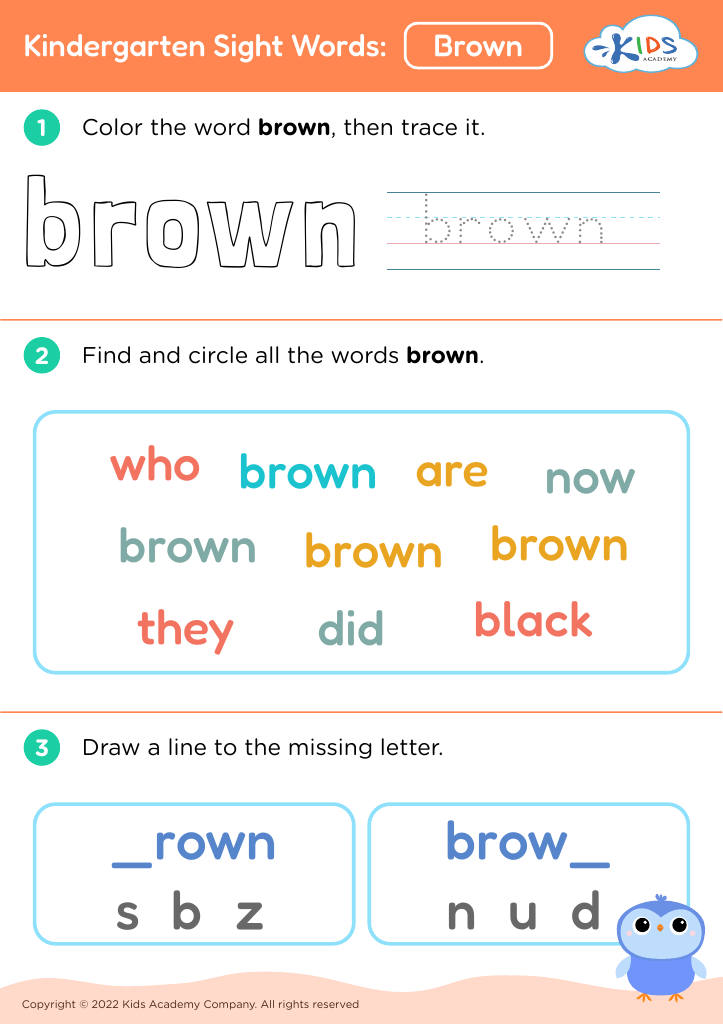








Basic arithmetic practice and vocabulary building are crucial for children aged 4-9 as they lay the foundation for lifelong learning. At this developmental stage, children are developing essential cognitive skills that will serve them throughout their educational journey. By ensuring a solid grasp of basic arithmetic, parents and teachers can enhance children’s problem-solving abilities, critical thinking, and mathematical reasoning. Understanding numbers and simple operations fosters confidence, enabling children to tackle more complex concepts in later grades.
Simultaneously, building vocabulary during these formative years is equally vital. A rich vocabulary not only improves reading comprehension but also enhances communication skills. When children can express their thoughts clearly and understand diverse language, they become better listeners and learners. This interplay between arithmetic and vocabulary equips children to articulate mathematical concepts, transforming abstract ideas into tangible understanding.
Moreover, engaging in playful activities such as games, songs, and storytelling that incorporate both math and language can foster a love for learning. Parents and teachers have the crucial role of creating supportive learning environments where children feel encouraged to explore and ask questions. In nurturing both skills, they empower children to become competent, confident learners prepared for future educational challenges.








