Concentration improvement Building Vocabulary Worksheets for Ages 4-9
6 filtered results
-
From - To
Unlock your child's potential with our "Concentration Improvement Building Vocabulary Worksheets" designed specifically for ages 4-9. These engaging worksheets enhance focus and attention span while expanding vocabulary skills. Ideal for early learners, they incorporate fun activities that encourage active participation, making learning enjoyable. Each worksheet is carefully crafted to promote critical thinking and improve memory, helping children gain confidence in their reading abilities. Whether at home or in the classroom, our resources are perfect for reinforcing essential learning skills. Equip your child with the tools they need for academic success and watch their love for learning flourish! Start exploring today!
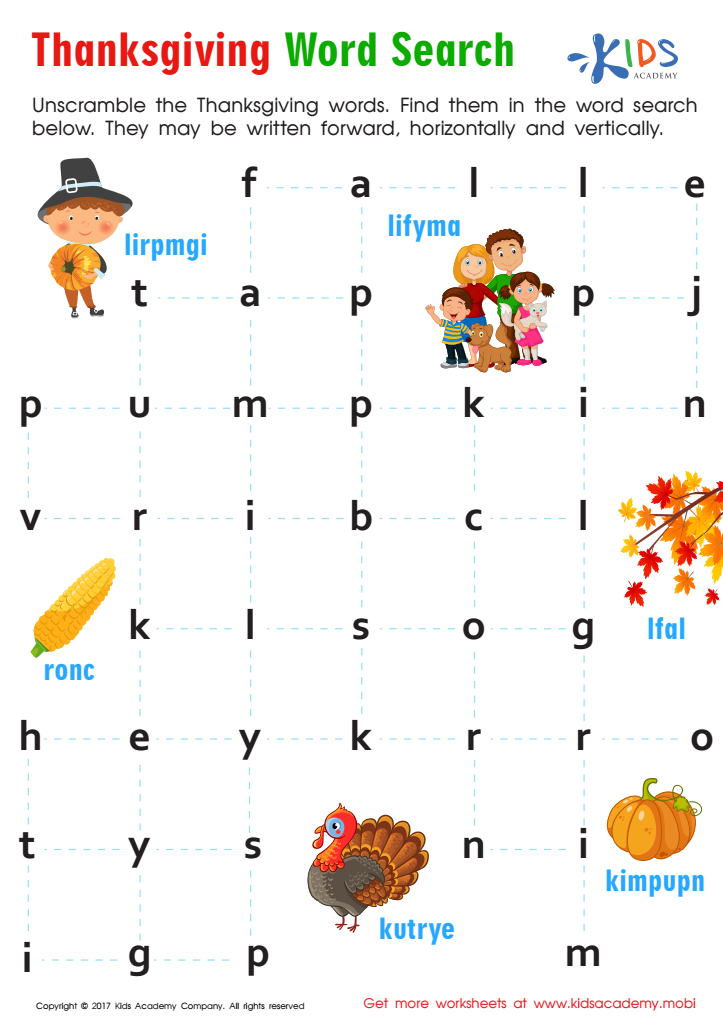
Thanksgiving Word Search Sight Words Worksheet
 Assign to My Students











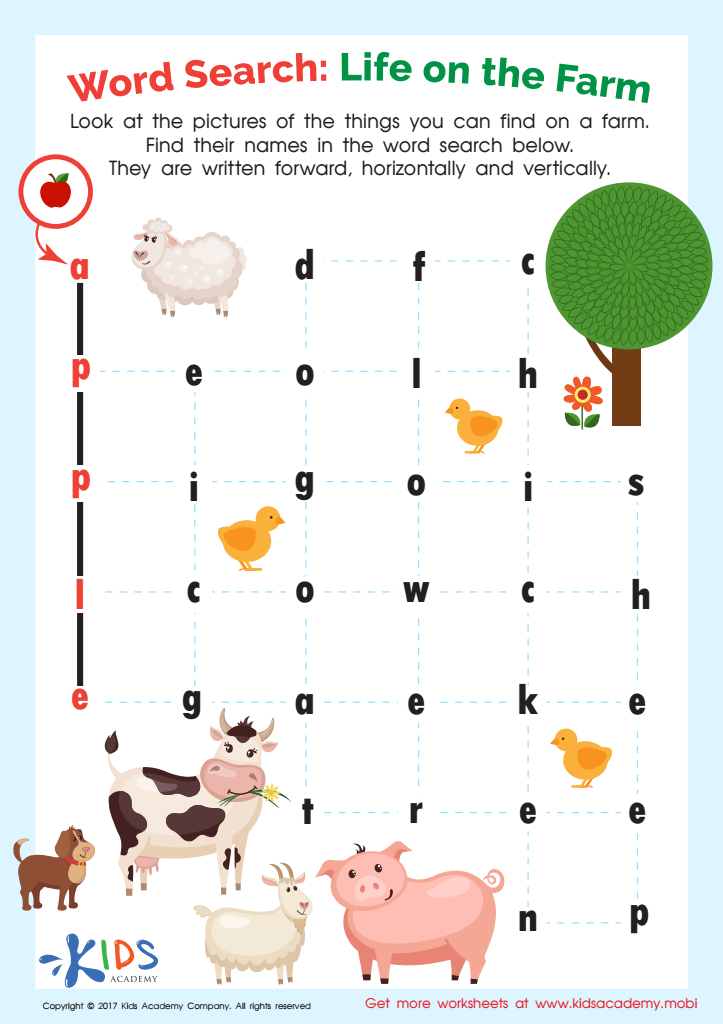
Word Search Puzzles Worksheet
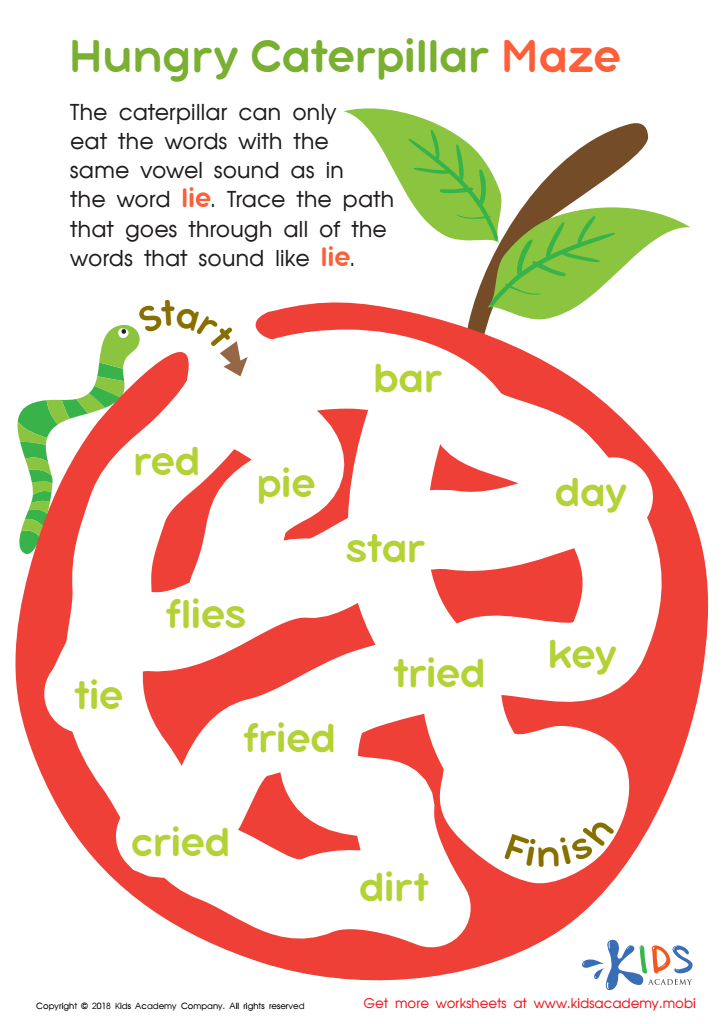
Hungry Caterpillar Maze Worksheet
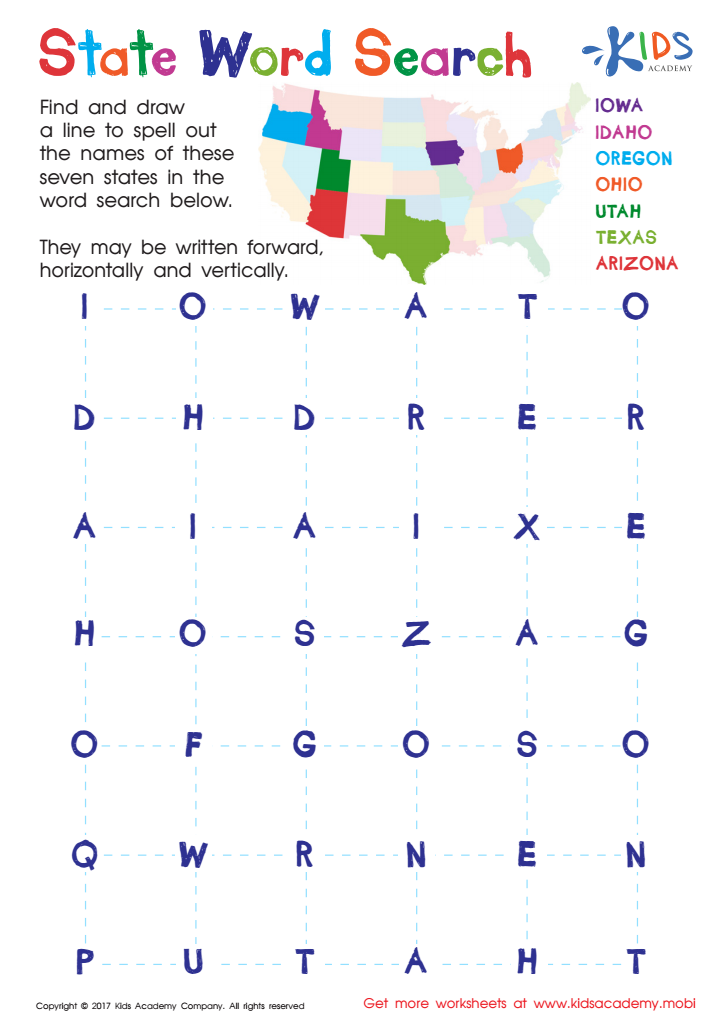
State Word Search Worksheet
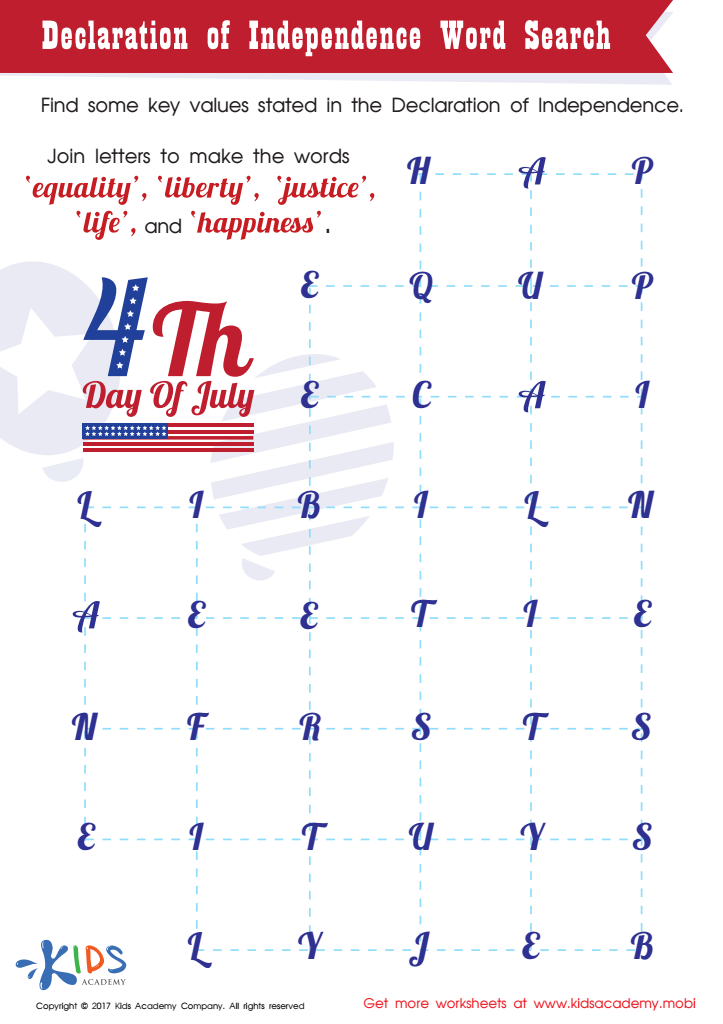
Declaration of Independence Word Search Printable
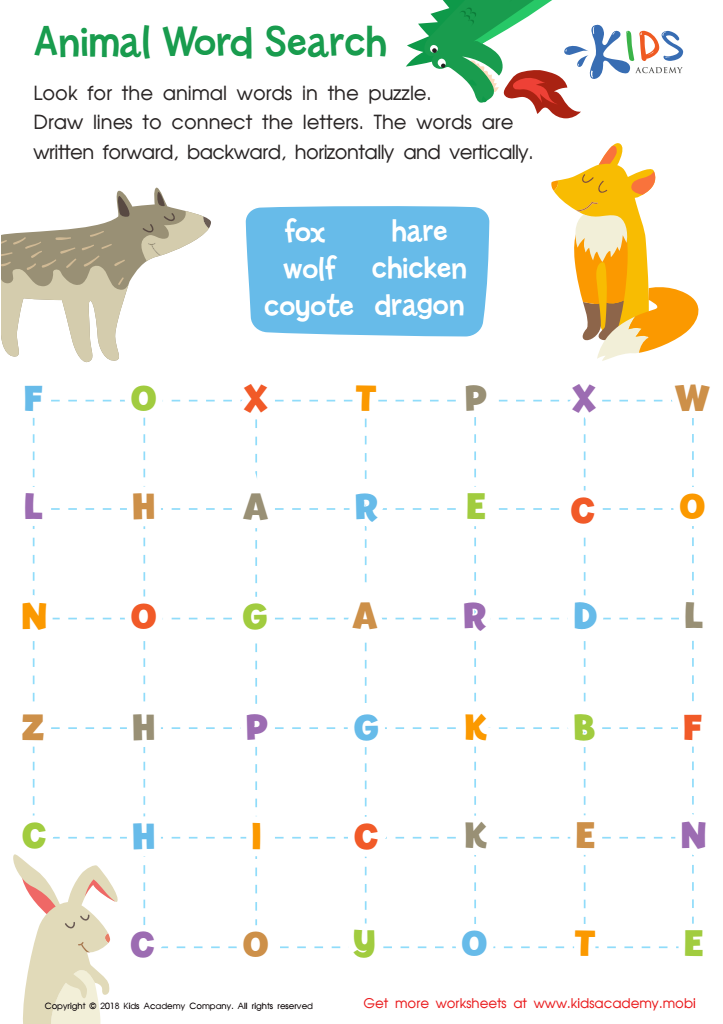
Animal Word Search Worksheet





.jpg)


Parents and teachers should prioritize concentration and vocabulary building for children aged 4-9 because these elements are fundamental to early cognitive development and lifelong learning. Concentration allows children to focus on tasks, thereby enhancing their ability to absorb and process new information. This skill is critical in a world filled with distractions and is essential for effective learning; improved concentration leads to better academic performance and social interactions.
Building vocabulary is equally important during these formative years. A robust vocabulary not only enriches communication skills but also enhances comprehension and critical thinking. Children with a larger vocabulary can express their thoughts more clearly, access complex ideas, and understand reading materials better, contributing to their academic success.
Moreover, a strong foundation in concentration and vocabulary helps foster a love for learning. When children engage actively in educational activities and can articulate their thoughts, they develop confidence and enthusiasm for school. This positive attitude can set the stage for future academic and social achievements.
In conclusion, supporting concentration improvement and vocabulary building is crucial for developing well-rounded, capable learners. By investing in these skills, parents and teachers help equip children for future challenges and opportunities in their educational journeys.








