Counting skills Building Vocabulary Worksheets for Ages 4-9 - Page 2
31 filtered results
-
From - To













.jpg)





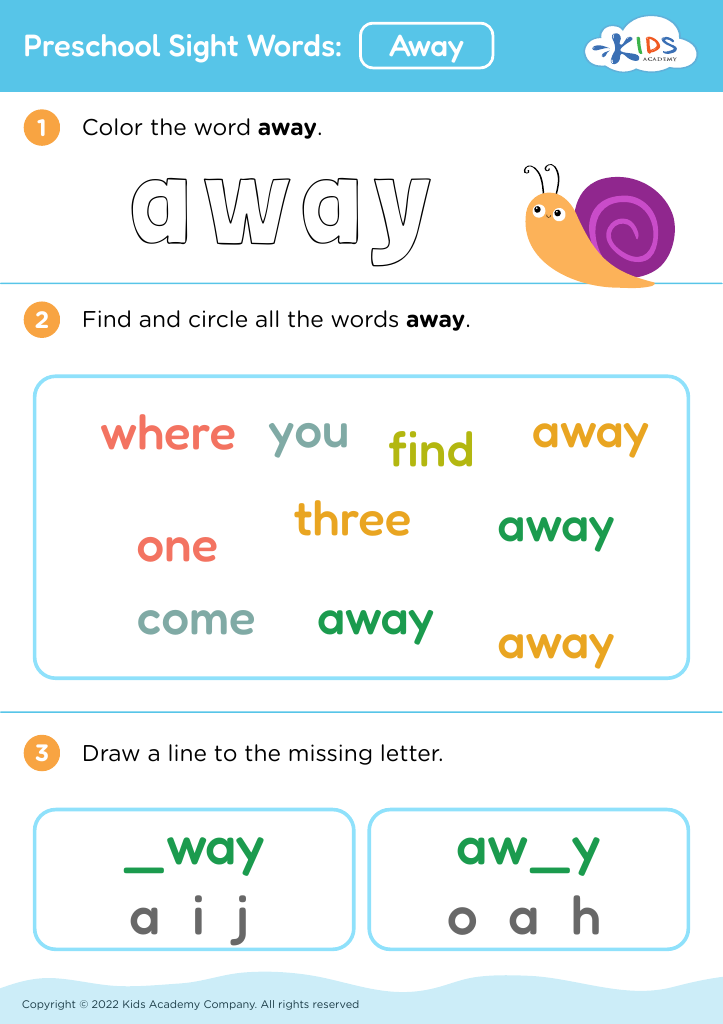
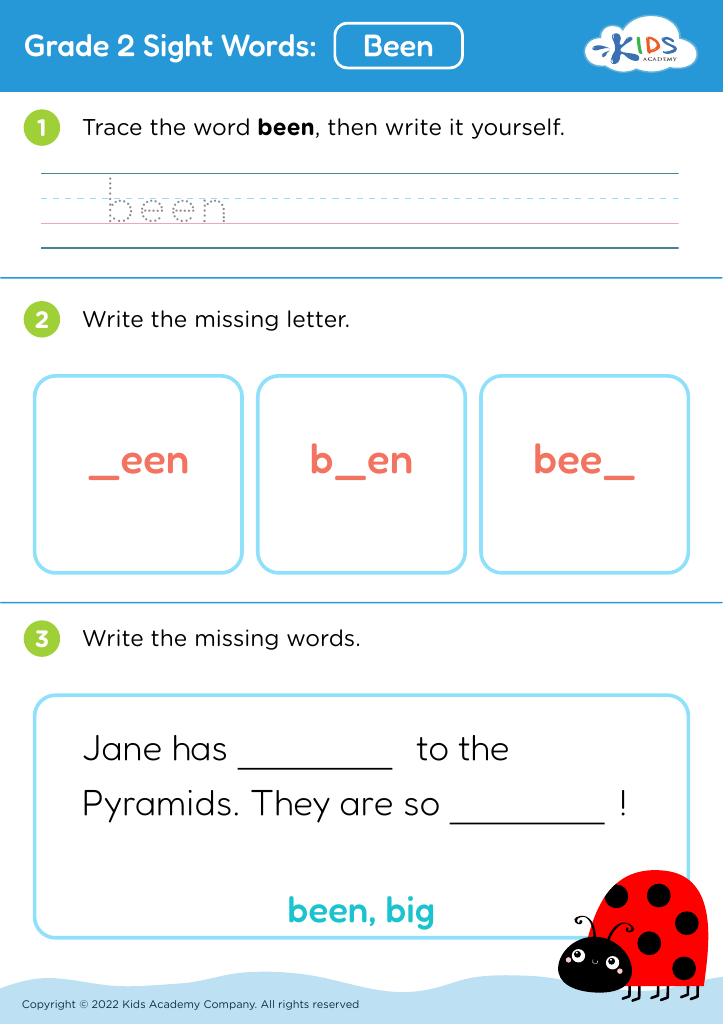
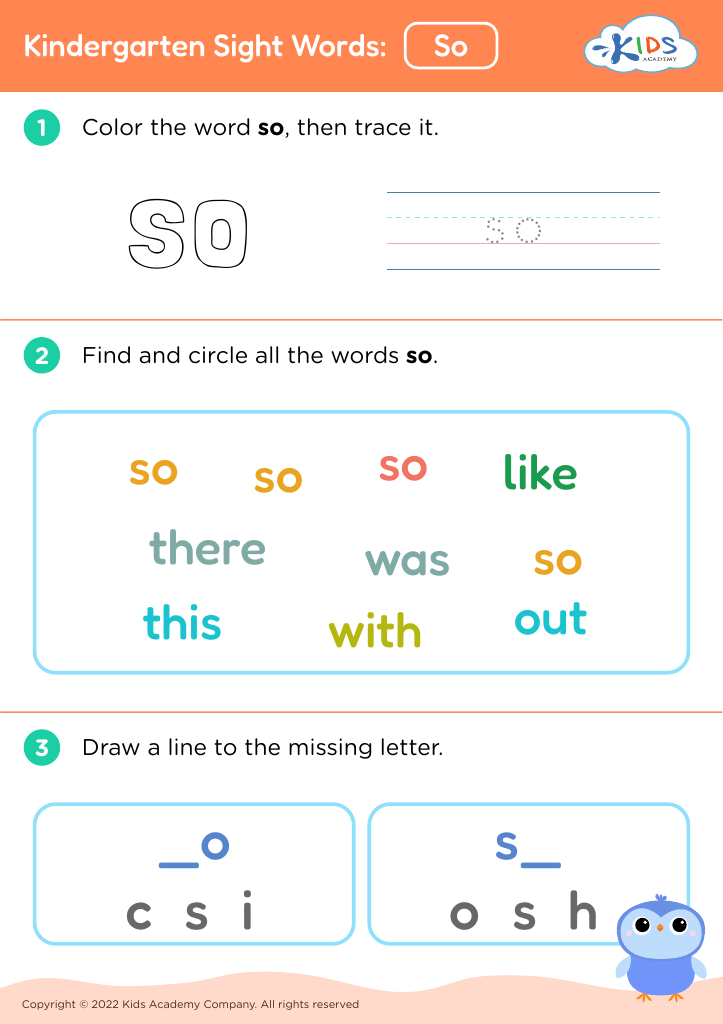
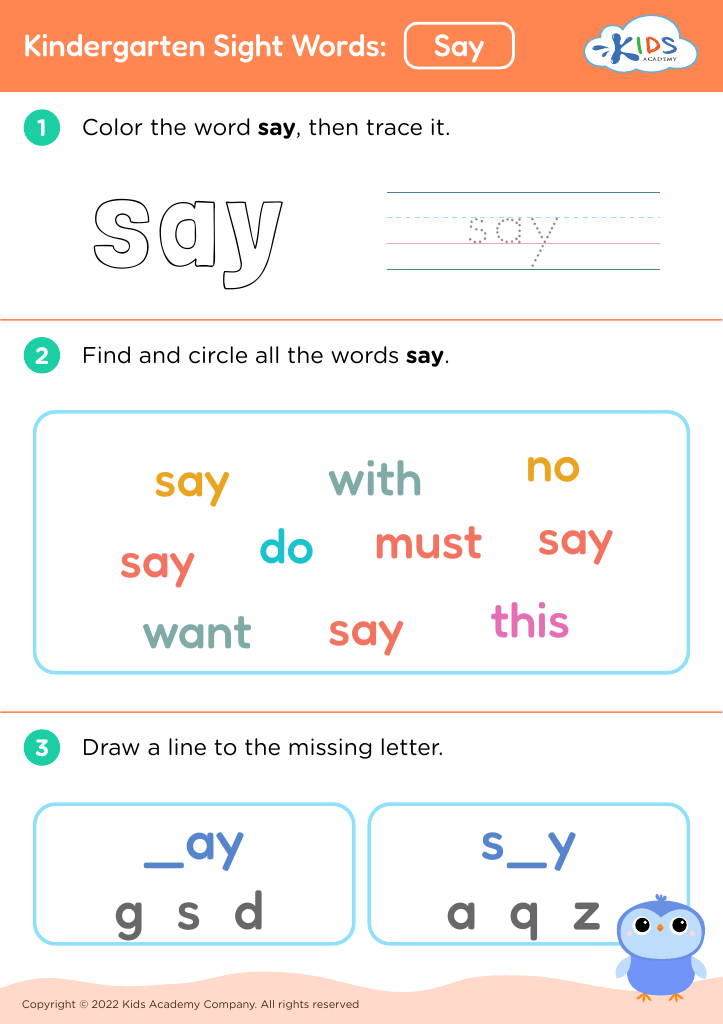
Counting skills and vocabulary building are foundational elements in early childhood education that significantly impact a child's academic development and everyday life. For parents and teachers of children aged 4 to 9, fostering these skills is crucial for several reasons.
Firstly, counting skills enhance mathematical understanding, which is essential for later learning in arithmetic and problem-solving. By integrating counting into daily routines—such as counting toys, snacks, or steps—children develop a solid numerical sense that underpins all future mathematics.
Secondly, vocabulary development is equally vital. A rich vocabulary allows children to express their thoughts, understand instructions, and engage in conversations. Exposure to new words through reading and verbal interactions promotes cognitive development and comprehension skills.
Together, counting skills and vocabulary create a robust foundation for literacy and numeracy, fostering confidence and curiosity in young learners. This combined knowledge empowers children to interact effectively with their environment and prepares them for more complex academic challenges ahead. Ultimately, investing time and resources into developing these skills pays dividends, leading to well-rounded, capable learners ready to thrive in school and society. Parents and teachers play a vital role in this formative stage, making their involvement essential.








